


Easy to intermediate
Chocolate Cherry Shrimp (Neocaridina davidi)
18–26°C · pH 6.5–8 · 30L
£13.99

Bright red Serpae Tetras add bold colour and lively movement to community aquariums. A moderate care choice for tropical setups. Order online with UK delivery.
Adult size is the maximum length this species reaches at full maturity (scientific sources). The livestock you receive will be younger and smaller — pick a size variant above for the actual shipping size. Product-photo provenance and any image-specific limitations are stated on the listing.
Hyphessobrycon eques
Serpae Tetra are a shoaling species — they need 6+ to feel safe and show their full colour.
Bright red Serpae Tetras add bold colour and lively movement to community aquariums. A moderate care choice for tropical setups. Order online with UK delivery.
Adult size is the maximum length this species reaches at full maturity (scientific sources). The livestock you receive will be younger and smaller — pick a size variant above for the actual shipping size. Product-photo provenance and any image-specific limitations are stated on the listing.
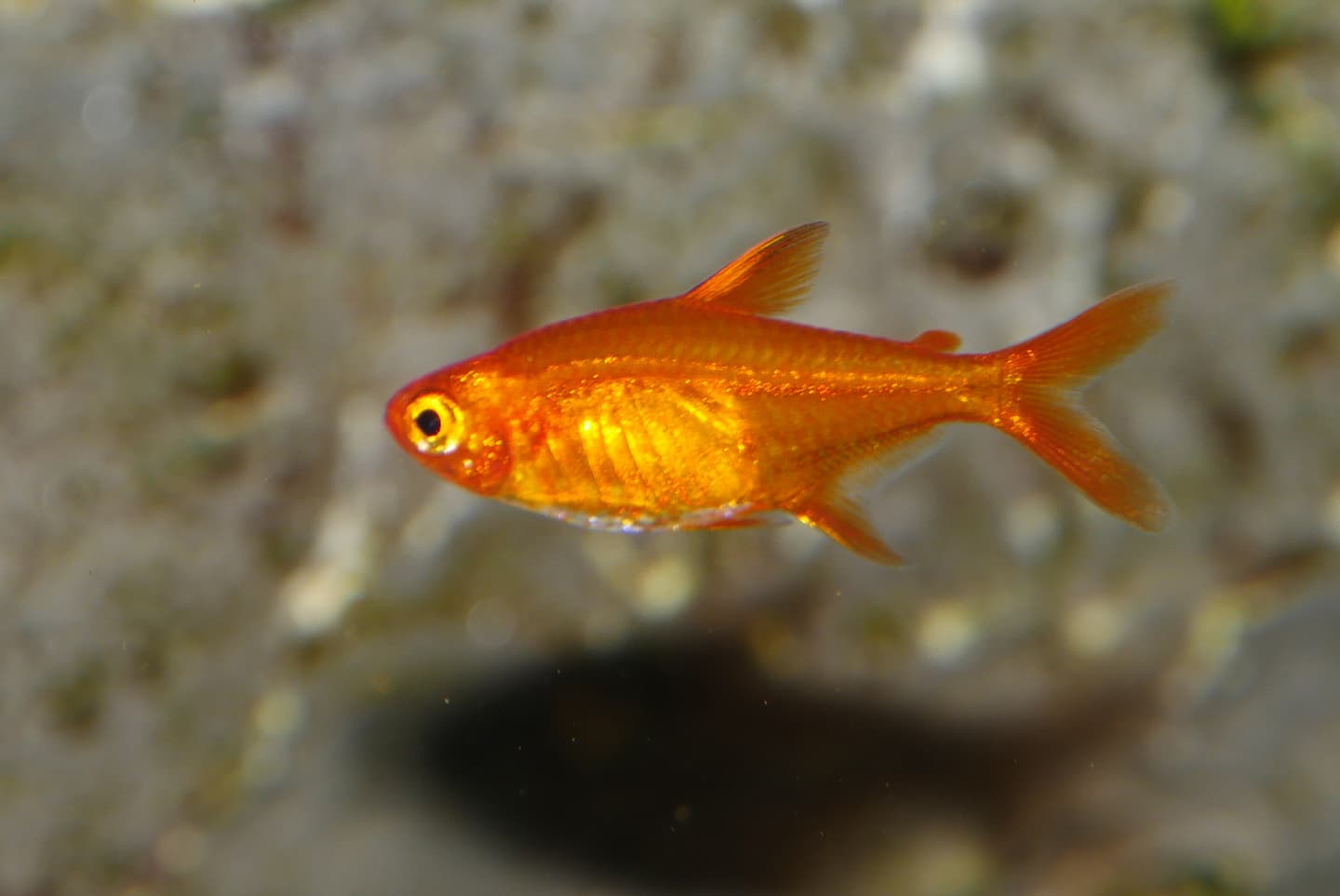
Ember tetras are very small Brazilian social fish, with a maximum recorded length of 2.0 cm excluding the tail. Keep them only in a fully cycled, stable aquarium. We recommend a group of at least 10 and about 45 litres with a 45 × 30 cm footprint rather than using a litres-per-fish formula.
Maintain these water conditions for optimal health and vibrant colors
Serpae Tetras are one of the easiest ways to add bold red movement to a tropical aquarium without choosing a large fish. Known as the flame tetra, jewel tetra, or red minor tetra, Hyphessobrycon eques is a compact South American characin with a fiery body, dark shoulder mark, and lively midwater swimming style. Adult serpae tetra size is usually around 4 cm, yet a proper serpae tetra school creates far more visual impact than many larger species. These are hardy freshwater tropical fish UK keepers often choose when they want active colour, visible schooling behaviour, and a species that suits both newer fishkeepers and experienced aquarists.
This serpae tetras care guide covers the questions buyers actually ask: are serpae tetras aggressive, what is the right serpae tetras tank size, can you keep a serpae tetra and neon tetra together, and what fish go well with serpae tetras? In the right setup, they are durable, eye-catching, and rewarding. In the wrong setup, they can become nippy, especially with slow long-finned fish. That is why a thoughtful serpae tetras tank setup, correct serpae tetras shoal size, and stable serpae tetras water parameters matter so much. See our detailed photos showing body colour, black dorsal fin contrast, and the compact shape that makes these colourful serpae tetras for aquarium displays such a popular choice for planted community tanks.
Hyphessobrycon eques, sometimes seen in older trade references as hyphessobrycon callistus, is a classic South American tetra that has been popular in the aquarium hobby for decades. It belongs to the same broad group of small American tetras that includes favourites such as Glowlight Tetras, Lemon Tetras, and Black Phantom Tetras. Their long-running popularity comes from their strong colour, manageable adult size, and energetic group behaviour.
Serpae Tetras come from South America, with populations associated with the Amazon and Paraguay river systems. In the wild, serpae tetras habitat usually includes slower-moving tributaries, flooded margins, shallow streams, and areas with leaf litter, roots, and overhanging vegetation. These environments help explain their preference for cover, dappled light, and the confidence they show when kept in a proper group.
Their natural waters are often tinted by tannins from decomposing plant matter. That does not mean they require extreme blackwater conditions, but it does explain why they look especially good over dark substrate with wood, plants, and subdued lighting. A moderate serpae tetras water flow preference is best. They do not need torrent-like current, and in many aquariums they settle best with gentle to moderate movement that keeps oxygen levels up without pushing the shoal around.
Wild fish feed on tiny invertebrates, insect larvae, crustaceans, plant fragments, and organic matter drifting in the water column. That natural feeding pattern is why a varied captive diet works so well. It also explains their quick response to frozen foods and why conditioning with live foods helps if you want to breed serpae tetras. For aquarists looking at South American tetras UK listings, this species sits in the useful middle ground: colourful, adaptable, and not overly delicate.
Because they are small, many people assume they belong in tiny tanks, but natural behaviour tells a different story. A serpae tetras minimum group size of six is the bare minimum, while eight to twelve is far better for reducing chasing and spreading social tension. If you are wondering serpae tetra how many to keep, think in terms of a real shoal rather than a pair or trio. That is also why serpae tetras in 60 litre tank can work for a starter group, but larger aquariums make them calmer and more impressive.
Mimicking the natural habitat of Serpae Tetras with dark substrate, driftwood, side planting, and open midwater swimming space usually improves colour, lowers stress, and reduces fin nipping. A shoal kept in a sparse bright tank often behaves more nervously and more aggressively.
A successful serpae tetras tank setup balances swimming room with visual barriers. These fish are active midwater swimmers, but they also benefit from plants, wood, and broken lines of sight. If you want the best serpae tetras for community tank results, the goal is not an empty box of water. It is a structured aquarium where the shoal can move freely while lower-ranking fish can break contact with dominant individuals.
The practical serpae tetras tank size minimum is 60 litres for a small group, which answers the common question about serpae tetra tank size. For long-term success, especially in a mixed community, 75-90 litres is better. A larger footprint matters more than height because it gives the shoal room to spread out. A proper serpae tetras tank size also helps reduce nipping, as cramped fish are more likely to harass each other and tank mates.
Many keepers ask about serpae tetra tank mates 10 gallon setups. In practice, a 10 gallon aquarium is too small for this species. Even though each fish stays small, they are active, social, and semi-aggressive. If you are planning serpae tetras in 60 litre tank conditions, keep the layout simple, avoid overstocking, and maintain a full shoal.
The ideal serpae tetras water temperature range is 22-27°C, with 24-26°C being a very comfortable everyday target. Stable conditions matter more than chasing exact numbers. The best serpae tetras water parameters for colour and activity are slightly acidic to neutral water, though this species is adaptable enough for many community aquariums if changes are gradual.
If you are building a serpae tetras neon tank setup, aim for the overlap zone both species tolerate well: around 24-25°C, soft to moderately hard water, and a pH near neutral. That makes mixed tetra displays easier to manage and helps answer whether a serpae tetra and neon tetra combination is possible. It can work, but only if the Serpaes are in a large enough shoal and the tank is not cramped.
Use a reliable filter that turns the tank over around 5-8 times per hour without creating a harsh blast through the middle of the aquarium. Sponge filters work in breeding tanks, while internal or external filters suit display aquariums. The key is clean, oxygen-rich water and a sensible serpae tetras water flow preference: gentle to moderate, not stagnant and not river-tank strong.
A dark sand or fine gravel substrate helps these fish feel secure and makes the red body colour stand out. A serpae tetras planted tank setup is strongly recommended. Use dense side and background planting with open swimming space in the centre. Good choices include Java fern, Amazon swords, Cryptocoryne, floating plants, and stem plants that soften the light. Serpae tetras for planted aquarium layouts do very well because structure reduces stress and gives subdominant fish somewhere to retreat.
Many buyers ask about serpae tetra eating plants. Healthy Serpaes are not plant-destroying fish. They may peck at biofilm or investigate soft new growth when underfed, but they are not known for uprooting or shredding planted tanks. In most cases, a varied serpae tetras diet prevents nuisance picking. If you enjoy active tetra communities, compare them with Serpae Tetras, Serpae Tetra Tropical Fish Hyphessobrycon, or Jewel Tetras - Hyphessobrycon Eques for the same classic species under common trade names.
Serpae tetras lighting requirements are moderate rather than intense. Bright lighting can wash them out unless you add floating cover or dense planting. A photoperiod of 7-9 hours suits most aquariums. In a well-designed setup, subdued light, dark decor, and a rich feeding routine produce the strongest red tones in these colourful schooling fish UK favourites.
Always cycle the aquarium for 4-6 weeks before adding Serpae Tetras. In immature tanks, these fish often show faded colour, skittish behaviour, and increased sparring because unstable ammonia and nitrite levels irritate the gills and raise stress.
The Serpae Tetra is an omnivore, which means it does best on a varied menu rather than one single staple food. In the wild, a Serpae Tetra fish picks at tiny insects, micro-crustaceans, worms, and plant-based matter. In the aquarium, that translates into a balanced routine of quality flakes, micro pellets, frozen foods, and occasional live treats. If you want brighter colour, stronger condition, and better spawning response, variety matters.
A practical serpae tetras feeding guide starts with a small staple food they can finish in under a minute. Add frozen daphnia, cyclops, bloodworm, or brine shrimp several times each week. This supports colour, body condition, and natural hunting behaviour. A good serpae tetras diet also helps reduce random pecking at tank mates because hungry fish are more likely to nip.
Use a fine tropical flake or micro pellet as the daily base. Because these are active midwater feeders, choose foods that sink slowly. For keepers browsing tetras for sale UK or buy serpae tetras UK listings, feeding is one of the biggest differences between average fish and truly vibrant fish. A high-quality staple keeps body shape full and fins in better condition.
Frozen bloodworm, daphnia, mosquito larvae, and brine shrimp are excellent 2-4 times per week. Live foods are especially useful if you plan serpae tetra breeding. Conditioned adults show stronger colour and fuller bodies, and males display more actively.
For fish being prepared to breed serpae tetras, add live daphnia and baby brine shrimp. For display fish, colour-enhancing foods rich in carotenoids can intensify red tones. This is helpful when customers compare best serpae tetras UK stock or ask why some fish look washed out in stores. Good food, dark decor, and low stress are usually the answer.
Feed adults twice daily in small portions. Juveniles can take three smaller meals. Avoid large single feedings, especially in smaller tanks. This matters whether you are researching serpae tetras for sale UK, checking serpae tetra price, or deciding where to buy serpae tetras UK; healthy fish stay healthy when feeding is measured, not excessive.
| Time | Food | Amount |
|---|---|---|
| Morning | Fine flake or micro pellet | Only what the shoal eats in 30-60 seconds |
| Evening | Frozen daphnia, brine shrimp, or staple food | Small pinch or a thawed portion they finish quickly |
Overfeeding causes ammonia spikes, cloudy water, and higher disease risk. Serpae Tetras are eager feeders, so it is easy to give too much. If food reaches the substrate uneaten, reduce the portion immediately.
Small tetra species thrive on finely sized foods, and the same approach works well for Serpaes in mixed community aquariums.
The classic look of Serpae Tetras is unmistakable: a deep red to coppery-red body, a tall black dorsal fin, and a dark comma-shaped humeral spot behind the gill cover. The body is laterally compressed and quite tall for such a small tetra, which makes the species look bolder than its 4 cm adult size suggests. In the right conditions, the body can glow with a rich scarlet sheen, which is why the common name flame tetra fits so well.
Some buyers search for longfin serpae tetra forms. These selectively bred variants have extended finnage, but standard-finned fish are often the better choice for mixed community tanks because they are stronger swimmers and less likely to attract nipping from their own kind. If you see terms like serpae tetra white fins, pale fin edges can simply be normal contrast or stress-related paling rather than a distinct variety.
Questions about serpae tetra male vs female are common. Males are usually slimmer, more intensely coloured, and may show slightly more pointed fins. Females are often rounder, especially when full of eggs. If you are wondering serpae tetra male or female, body shape is usually more reliable than colour alone. The same applies to serpae tetras male vs female in a shop tank where stress can mute colour.
People also compare them with a red phantom tetra, red neon tetra, or even a rosy tetra. A useful rule is this: Serpaes are deeper-bodied and more assertive than most of those lookalikes. The question serpae tetra vs red phantom tetra usually comes down to temperament and body shape. Serpaes are brighter red and more boisterous; red phantoms are subtler and often calmer.
The biggest compatibility question is simple: are serpae tetras aggressive? The honest answer is that serpae tetra aggressive behaviour is possible, but it is usually manageable. They are not outright predators, yet they can be assertive and are well known for testing fins. So, are serpae tetras peaceful community fish? Not in every setup. They are better described as active, semi-aggressive serpae tetras schooling fish that do best with equally lively companions.
The best serpae tetras tank mates are robust, reasonably quick fish that enjoy similar water conditions. Good choices include Lemon Tetras, Black Phantom Tetras, Glowlight Tetras, and bottom-dwelling Corydoras. A mixed tetra display can work very well, and many aquarists asking about best tetras for community tank options find Serpaes rewarding when the tank is large enough and the shoal is big enough.
What about a cardinal tetra or neon tetra? A serpae tetra and neon tetra combination can work in a spacious planted aquarium, but Serpaes are bolder and may intimidate delicate fish if the group is too small. The same logic applies when comparing serpae tetras vs cardinal tetra: cardinals are more peaceful and more sensitive, while Serpaes are tougher and more assertive. If you want a calmer red tetra effect, you may prefer Ember Tetras or a Bleeding Heart Tetra setup instead.
Some pairings should be avoided. The search query serpae tetra with betta is common, but it is generally a poor idea. Bettas have flowing fins and a slower swimming style, which invites chasing. The same warning applies to serpae tetras and angelfish or serpae tetra and angelfish; long fins make angelfish risky tank mates, especially in smaller aquariums. Likewise, serpae tetra with goldfish is unsuitable because temperature, behaviour, and water quality needs are different.
Can you keep serpae tetras with shrimp? Large adult shrimp may survive in a heavily planted tank, but shrimp with serpae tetra is always a gamble. Shrimplets are likely to be eaten, and even adults may be harassed. Snails are usually safer. If you want a true shrimp community, choose gentler fish.
For stocking, think in groups. A shoal of 8-10 Serpaes in a 90 litre or larger tank is often calmer than 6 in a cramped aquarium. That is why the answer to serpae tetra tank mates depends heavily on shoal size and layout. Proper serpae tetras minimum group size and visual cover matter as much as species choice.
| Species | Compatible? | Notes |
|---|---|---|
| Lemon Tetras | ✅ Yes | Fast enough and similar in size; good in planted community tanks |
| Black Phantom Tetras | ✅ Yes | Works well in larger South American style aquariums |
| Glowlight Tetras | ⚠️ Caution | Possible in spacious tanks, but monitor for fin nipping |
| Ember Tetras | ⚠️ Caution | Very peaceful and small; best only with a calm Serpae shoal |
| Bettas | ❌ Avoid | Flowing fins often trigger nipping |
| Angelfish | ❌ Avoid | Long fins and slower movement make conflict likely |
Always quarantine new arrivals for 2-4 weeks before adding them to a community tank. This protects established fish from parasites and gives you time to observe whether the new Serpae shoal is unusually dominant or stressed.
Serpae tetras breeding is very achievable for aquarists willing to set up a separate spawning tank. In fact, serpae tetra breeding is often described as easier than many hobbyists expect. The main challenge is not getting them to spawn; it is protecting the eggs and raising the fry successfully.
Start by selecting a healthy conditioned pair or a small breeding group. The usual serpae tetra male vs female differences apply: males are slimmer and more vivid, while females are fuller-bodied. A so-called pregnant serpae tetra is actually an egg-filled female, since tetras are egg scatterers, not livebearers. The search term serpae tetra pregnant is common, but the correct sign is a rounded female ready to spawn.
Use a separate 20-30 litre breeding tank with soft, slightly acidic water, subdued light, and a sponge filter. Fine-leaved plants or spawning mops help catch the eggs. Conditioning adults with live and frozen foods improves results when you want to breed serpae tetras.
Serpae tetra spawning usually happens in the morning. Males intensify in colour and chase females through plants. During serpae tetra mating behaviour, the pair will scatter adhesive eggs among leaves or mops. Remove the adults after spawning because they will eat eggs if left in the tank.
Keep the tank dim because eggs can be light sensitive. Depending on temperature, eggs usually hatch in about 24-36 hours. The fry become free-swimming a few days later. If you have raised other tetra species, the process is similar, though not identical to raising black neon tetra fry.
Serpae tetra fry need infusoria or liquid fry food at first, followed by newly hatched brine shrimp and powdered fry foods. Clean water is critical, so perform tiny but frequent water changes. Growth is steady when food is frequent and finely sized.
For stronger hatch rates, condition males and females separately for 7-10 days on live foods before introducing them to the breeding tank in the evening. Many breeders find that a slight drop in conductivity and very dim morning light help trigger spawning.
Choosing between red tetra species is not just about colour. Temperament, tank size, and community goals all matter. Many buyers compare serpae tetras vs neon tetra, serpae tetras vs ember tetra, serpae tetras vs guppy, and serpae tetras vs rasbora because they want a bright, active shoaling fish without compatibility problems.
| Feature | Serpae Tetras | Ember Tetras |
|---|---|---|
| Max Size | 4 cm | 2 cm |
| Care Level | Moderate-easy | Easy |
| Temperature | 22-27°C | 24-28°C |
| Price | £12.58 | Varies by stock |
| Best For | Bold active shoals in robust community tanks | Peaceful nano and planted aquariums |
| Feature | Serpae Tetras | Red Phantom Tetra |
|---|---|---|
| Body Shape | Deeper-bodied, bright red | Softer red tones, more delicate look |
| Temperament | More assertive | Usually calmer |
| Community Suitability | Best with robust tank mates | Better for gentler tetra communities |
| Visual Impact | Striking flame-like colour | Subtle elegance |
| Best For | Keepers wanting active red movement | Keepers wanting a calmer red tetra |
If you want a shoal with stronger personality and more visible movement, choose Serpae Tetras. If you want a gentler display fish, compare them with Ember Tetras or a red phantom tetra-style setup. If you are choosing between serpae tetras or danio, danios are generally faster and cooler-water tolerant, while Serpaes suit warmer South American community tanks. For hobbyists building mixed displays of community tank fish UK, Serpaes are often the better pick when you want red colour without moving into larger species.
Good serpae tetras health starts with stable water, a proper shoal, and sensible stocking. Healthy fish show strong red colour, erect fins, active group swimming, and a quick feeding response. Faded colour, clamped fins, hanging near the surface, or repeated isolation from the group can all point to stress or illness.
The most common serpae tetras diseases are the same problems seen in many tropical community fish: ich, fin damage, bacterial infections, and stress-related losses after transport or poor acclimation. Fin wear is especially relevant because buyers often ask do serpae tetras nip fins and are serpae tetras fin nippers. Yes, they can be. But torn fins are not always disease; sometimes they are a stocking issue. If a fish shows serpae tetra twitching, flashing, or rubbing, suspect irritation from parasites or poor water quality first.
Treatment depends on the cause. For external parasites, move affected fish to quarantine if possible. For bacterial issues, improve water quality immediately and use an appropriate fish medication. Avoid random medication in the display tank if the real problem is aggression or ammonia. Strong maintenance often solves more than medicine does.
Prevention is simpler than cure. Keep the shoal large, maintain weekly water changes, avoid overfeeding, and do not mix them with slow long-finned species. If you are comparing serpae tetra for sale options, choose alert fish with full fins, clear eyes, and even breathing. That matters more than chasing the lowest cheap serpae tetras UK listing or the absolute lowest serpae tetras price UK.
Never use copper-based medications in a mixed aquarium containing shrimp or other sensitive invertebrates. Copper can be lethal to them even at doses considered safe for fish.
Serpae tetras behaviour is lively, social, and constantly in motion. They occupy the middle level of the tank and look best when a full shoal moves together through open water. Although often sold as beginner tetras, they are not passive fish. Their social hierarchy is active, and mild chasing is normal.
This is why serpae tetras for beginners can be a good choice only when expectations are realistic. They are hardy, but they are not the softest community fish. A larger serpae tetra school usually spreads dominance and reduces pressure on individual fish. In too small a group, one or two fish may become persistent troublemakers.
If you want to know how to care for serpae tetras so they show natural behaviour, focus on three things: keep enough of them, provide broken sightlines with plants and wood, and choose active companions. In a settled tank, they display short bursts of sparring, coordinated swimming, and strong feeding responses. These traits are part of what makes them such appealing schooling fish UK choices.
When customers order serpae tetras online UK, the biggest concern is usually not colour on day one. It is whether the fish arrive active, settle quickly, and hold condition after acclimation. For this species, that matters because stressed Serpaes can look washed out and may show more nipping while they establish hierarchy. Our approach is built around reducing that stress before the fish ever leave us.
Each group of live serpae tetras for sale UK is observed for feeding response, swimming posture, and fin condition before dispatch. We do not treat them like generic red tetras. Serpaes need to be assessed as a shoaling species, because group dynamics tell you a lot about health. Fish that feed strongly and school evenly usually settle better in the customer aquarium. That is especially important for buyers searching serpae tetras buy online UK, serpae tetras shop UK, or where to buy serpae tetras UK with confidence.
For serpae tetras delivery UK, fish are packed in insulated boxes with professional fish bags and seasonal heat protection where needed. Tracked delivery helps reduce transit time, and acclimation guidance is included so the fish can be introduced gradually to their new aquarium. If you are browsing tetras for sale UK or comparing live tetras delivery UK options, careful packing and pre-dispatch observation make a real difference.
Whether you want best serpae tetras UK stock for a planted display or are simply ready to buy serpae tetras UK for a lively community setup, this species offers excellent value. Order your Serpae Tetras today if you want a bold red shoal with real personality rather than a fish that disappears into the background.
Build a stronger South American community by pairing your Serpaes with compatible species and similar water conditions. Lemon Tetras add bright yellow contrast without overpowering the shoal. Black Phantom Tetras create a darker, moodier tetra mix that suits planted tanks beautifully. Glowlight Tetras bring a softer orange line for a gentler visual contrast. If you prefer a smaller, calmer red fish, Ember Tetras are ideal for peaceful planted setups. For aquarists who want a more distinctive centrepiece tetra, Bleeding Heart Tetra is well worth considering. You can also compare this listing with Serpae Tetras and Jewel Tetras - Hyphessobrycon Eques if you are shopping by common or scientific name.
18–26°C · pH 6.5–8 · 30L

23–27°C · pH 7.4–8.4 · 1000L

20–24°C · pH 7–8 · 45L

24–28°C · pH 6.5–7.5 · 2000L

24–28°C · pH 5.5–7 · 60L

18–28°C · pH 6.5–8 · 20L

24–27°C · pH 7.5–8.8 · 150L


22–26°C · pH 6–7.5 · 60L

24–28°C

24–28°C · pH 7.5–8.5 · 500L

28–30°C · pH 5.5–7.5 · 300L

22–26°C · pH 6–7.5 · 150L

22–26°C · pH 6–7.5 · 200L

22–28°C · pH 7–8.5 · 10L

23–27°C · pH 5.5–7.5 · 80L