−14%
Moderate
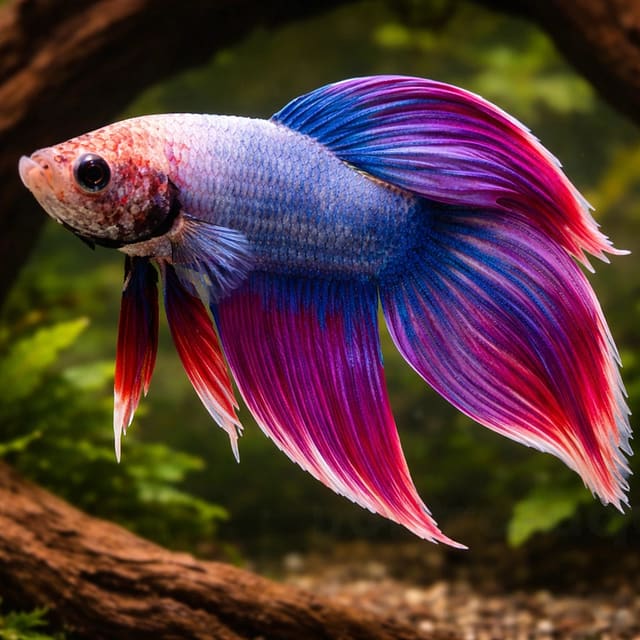
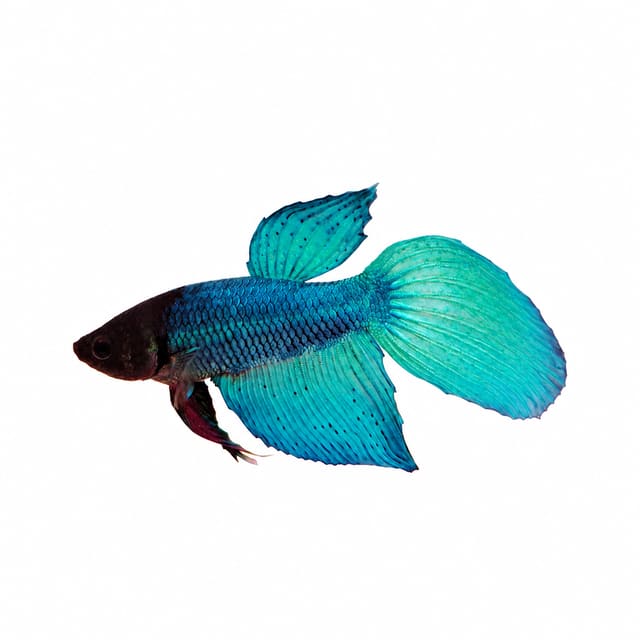
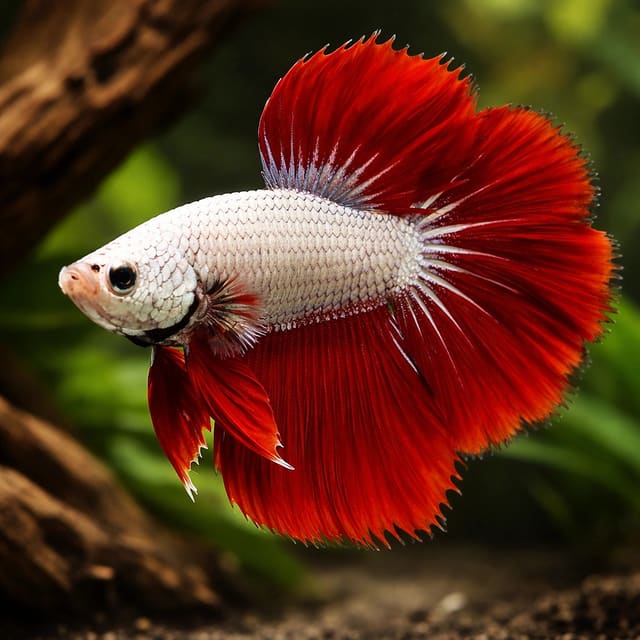
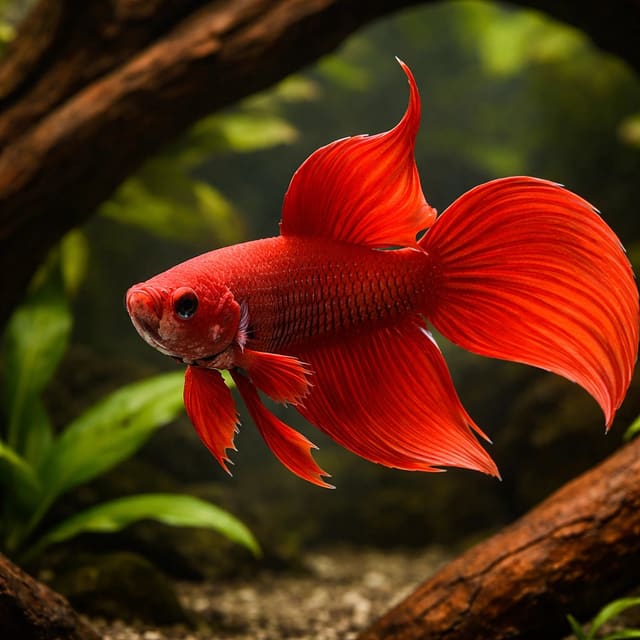
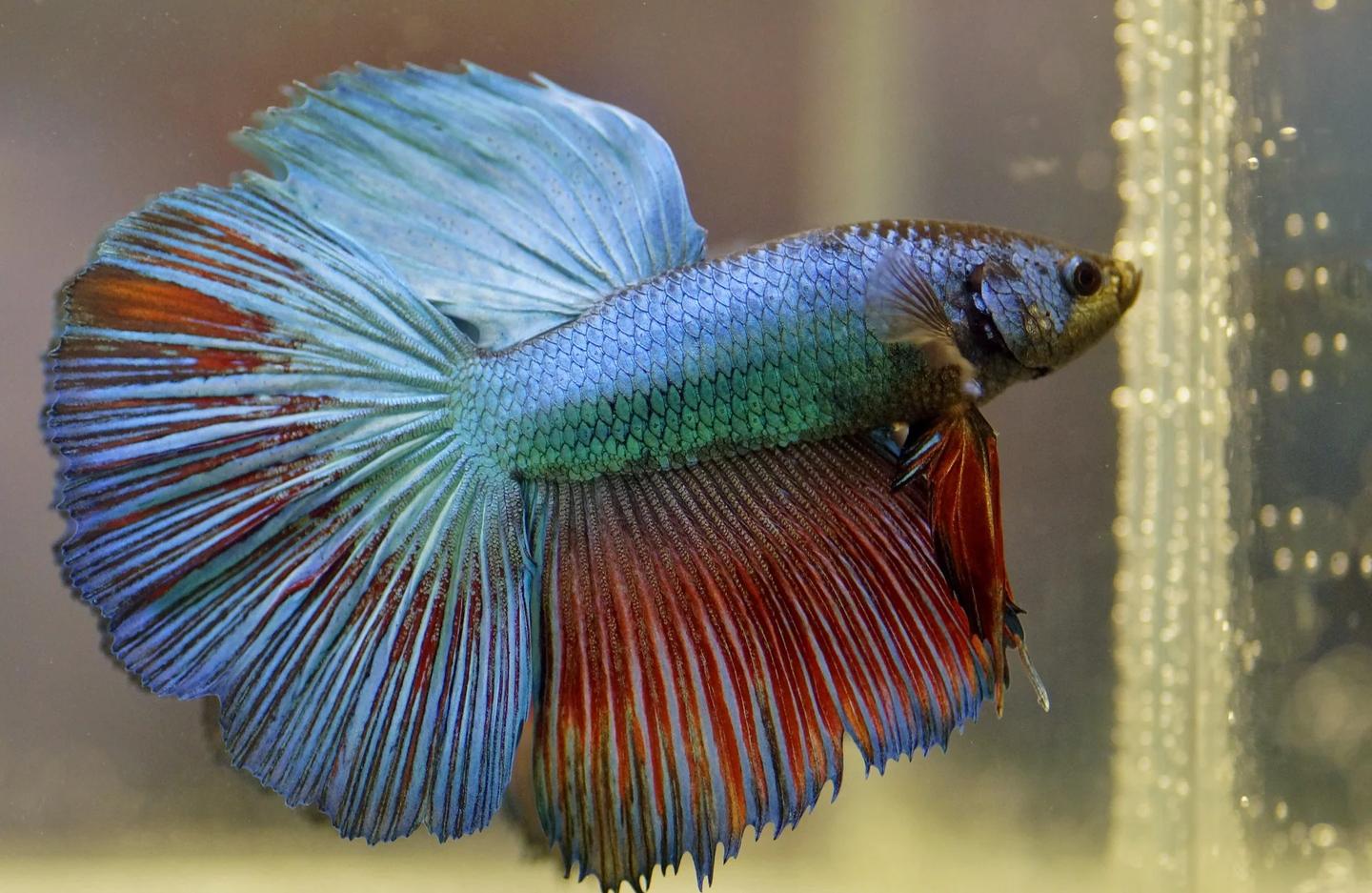
Male Libby Split-Tailed Red XL Betta (Betta sp.)
20–28°C · pH 6–8
£9.45£10.99

A colorful, hardy split-tailed betta with striking finnage and classic betta personality. Easy care, semi-aggressive. 23-27C, pH 6.0-7.8.
Adult size is the maximum length this species reaches at full maturity (scientific sources). The livestock you receive will be younger and smaller. Product-photo provenance and any image-specific limitations are stated on the listing.
Betta splendens
Confirm your email, then we’ll send an availability message for this exact item if it returns within 180 days.
This request is only for this product—no newsletter or other promotions. A mail-provider retry may very rarely duplicate the same availability message. Unconfirmed addresses are removed after 48 hours. See our privacy policy.
A colorful, hardy split-tailed betta with striking finnage and classic betta personality. Easy care, semi-aggressive. 23-27C, pH 6.0-7.8.
Adult size is the maximum length this species reaches at full maturity (scientific sources). The livestock you receive will be younger and smaller. Product-photo provenance and any image-specific limitations are stated on the listing.
For one typical domestic Betta splendens, start with at least 20 litres, a mature filter, thermostatic heater, separate thermometer, gentle flow, a secure lid with surface access, and plants or refuges. Keep one male per aquarium.
Maintain these water conditions for optimal health and vibrant colors
Lucky-dip bettas have their own charm. This listing is our male/female mixed pick of the Libby split-tailed type — young fish around the 3.5 cm mark whose adult colour is still revealing itself, supplied unsexed from the mix. The split-tailed finnage that defines the line is present from the start, and watching a juvenile colour up over its first months with you is half the fun of buying this way. It is also the most affordable route into betta keeping we offer in this strain.
Care is rated easy and temperament semi-aggressive — gentler on paper than a show male, but still a Betta splendens with opinions. Snails make trouble-free companions, and some shrimp can work although adults may be eaten. The avoid list is familiar: no other male bettas, no fin-nipping or territorial species, no large predators, and nothing that needs markedly different water. Note the cooler-than-usual band in this record — 23–27 °C — and a forgiving pH window stretching to 7.8, which covers most UK tap supplies. A 40-litre aquarium is the recorded minimum, giving a growing fish room to develop.
Buying juveniles rewards a little patience in the first weeks. Feed small carnivore-appropriate portions more frequently than you would an adult, keep the temperature pinned inside the recorded 23–27 °C band, and the growth and colour development take care of themselves. The 40-litre recommendation is generous for a fish this size on purpose: stable volume means stable chemistry while a young betta develops. Watch the fish rather than the calendar when judging settling-in — once it holds the upper water confidently and feeds from the surface without hesitation, it is established. From there, maintenance is the standard weekly routine any easy-care fish asks for, with water kept inside pH 6.0–7.8 and 0–15 dGH.
Because sex is not specified on this mix, plan as if you were receiving a male: a tank without other bettas and without fin-nippers keeps every outcome safe. Territorial behaviour can appear around breeding condition. UK delivery is by licensed live-animal courier, covered by our live arrival guarantee.
No reviews for this item yet. Bought one? Honest reviews only, good or bad.
What customers say about ordering from us
I have a small group of long finned mountain minnows. So was delighted to be able to order ten of this variety to increase the genetics in my tank . The ones I recieved are healthy but it’s to early to give a verdict on wether they are of a long finned type since they are small currently.
Gordon Walker · 23 Sept 2026
100% success travel and "installation". Pleased with quality of purchase. The Siamese fighter a bit "shy" so have not yet seen him at his best yet but looking good. Happy customer. GG
George E Garratt · 21 Sept 2026
Reviews of our shop, collected by Judge.me, an independent third-party review collector. Newest first.