Super Color Discus Block - Aquarium supplies from Tropical Fish Co

Super Color Frozen Fish Food UK

£15.00In Stock

Super Color frozen food helps enhance fish colour while providing a convenient, easy-to-portion feed. Buy online today with fast UK delivery.

Aquarium SuppliesColour EnhancingFish FoodFrozen FoodMarine Fish FoodTropical Fish Food

Premium Quality

Healthy, vibrant fish from trusted suppliers

Expert Care

Detailed care guides and support

Live Arrival Guarantee

Your fish arrives healthy or we'll replace it

Acclimated

Properly quarantined and ready for your tank

Why Choose This Fish?

Super Color frozen food helps enhance fish colour while providing a convenient, easy-to-portion feed. Buy online today with fast UK delivery.

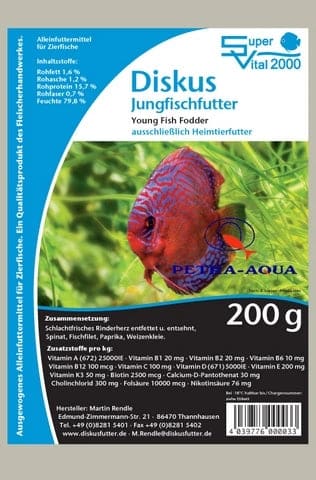
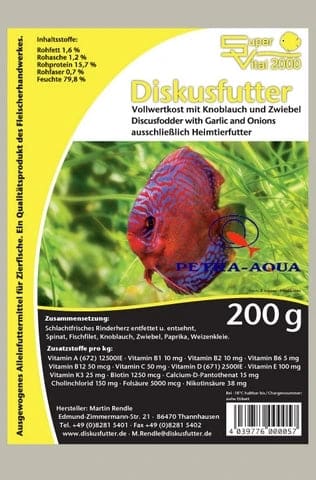
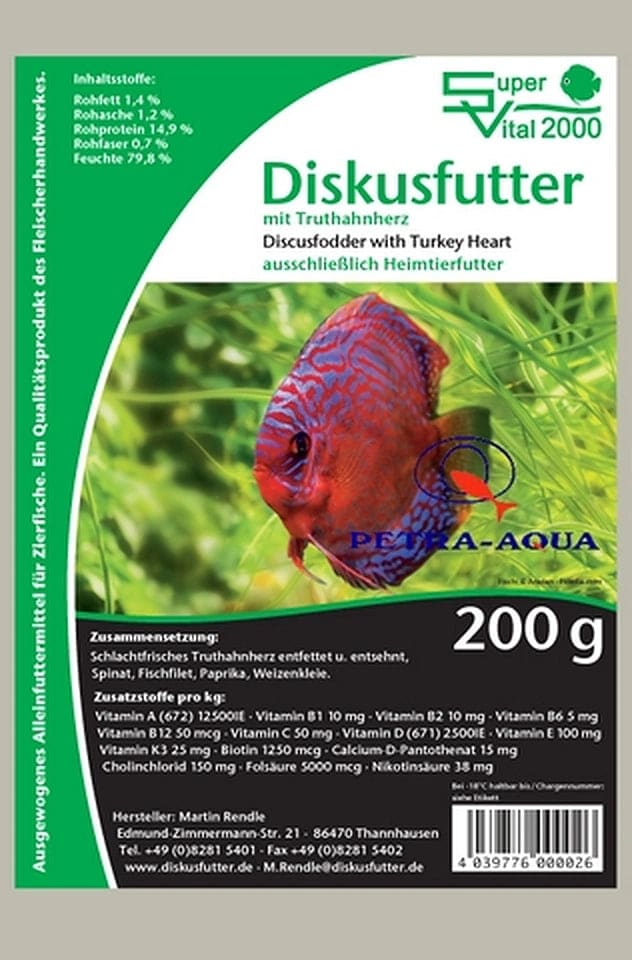
Super Color is a practical, colour-enhancing frozen feed designed for aquarists who want better condition, stronger feeding response, and richer natural pigmentation from their fish without complicating the daily routine. If you are searching for frozen fish food UK options that are easy to portion, simple to store, and suitable for a wide range of tropical species, this Gamma-style cube format is a smart choice. Often compared with a Super Color Discus Block Fish Food format, this food is especially useful for discus, angelfish, larger tetras, gouramis, many community fish, and selected cichlids that benefit from an astaxanthin-rich diet. See our detailed product image, frozen-fish-food-uk.webp, showing the cube presentation and portion-friendly format aquarists expect from reliable frozen aquarium fish food UK lines.

What makes Super Color stand out is its focus on visual condition as well as appetite. The blend is commonly chosen as astaxanthin discus food for aquarium fish, and many keepers use it as part of a rotation with dry foods, aquarium pellet food, and occasional aquarium live food alternatives. For hobbyists comparing fish food UK options, it offers the convenience of frozen fish food cubes, controlled feeding, and less guesswork over portion size. Used correctly, this quality super color discus block for aquarium feeding approach supports colour enhancement, body condition, and enthusiastic feeding while fitting neatly into a balanced tropical fish care routine.

🔹 Quick Facts

  • Product Type: Frozen colour-enhancing fish food cubes
  • Best For: Discus, angelfish, tropical community fish, many cichlids
  • Format: Portionable frozen cubes / block sections
  • Main Benefit: Supports colour, feeding response, and condition
  • Feeding Style: Use as part of a varied diet, not the only food long term
  • Storage: Keep frozen; follow super color discus block storage temperature guidance on the pack
  • Suitable For: Freshwater tropical aquariums and selected mixed community setups
  • Care Level: Easy to use when thawed and portioned correctly

Classification

  • Category: Frozen fish food
  • Range: Gamma-style frozen aquarium feed
  • Use Case: Colour enhancement and dietary variety for ornamental fish

Super Color is not a species but a specialist frozen feed used in the aquarium hobby to improve diet variety and support stronger natural reds, oranges, and warm tones. It is frequently discussed alongside gamma frozen fish food, tropical mix frozen fish food, krill-based foods, and other frozen staples used by keepers who want better results than a dry-only feeding plan.

What Is Super Color and Why Do Aquarists Use It?

Super Color is a frozen food blend formulated to help ornamental fish show stronger natural pigmentation while also delivering a highly palatable meal. In simple terms, it is a convenient answer for aquarists asking what is super color. Rather than being a gimmick, the product is valued because many fish respond quickly to rich frozen foods, especially species that can look washed out on flakes alone.

In everyday fishkeeping, this product is often treated like a Super Color Discus Block for Aquarium feed, even when used for more than discus. The inclusion of colour-supporting ingredients makes it popular as super color discus block for colour enhancing and as premium astaxanthin discus food UK for fishkeepers who want an easy frozen option. If you have ever wondered whether frozen food is worth the freezer space, the short answer is yes for many species: it encourages feeding, supports condition, and adds variety that dry foods cannot always match.

It also helps answer common customer questions such as best frozen fish food, gamma frozen fish food, and frozen fish food how to use. For many keepers, the biggest advantage is consistency. Each cube gives a repeatable portion, so it is easier to manage feeding than with loose homemade mixes or oversized frozen slabs.

Why aquarists choose Super Color

  • Useful for discus, angelfish, cichlids, and many community fish that benefit from colour-supporting nutrition
  • Cube format makes portion control easier than large frozen sheets or irregular chunks
  • Works well in a mixed feeding plan with granules, wafers, tablets, and vegetable-based foods

How Do You Store Super Color Properly?

Correct storage matters because frozen food quality drops quickly if it partially thaws and refreezes. Keep the pack fully frozen and follow the stated super color discus block storage temperature guidance. In practice, that means storing it in a freezer that stays consistently below freezing and avoiding repeated warm-up cycles during feeding.

Do not leave cubes at room temperature for long periods. Remove only the amount you need, then return the pack to the freezer straight away. This protects texture, smell, and nutritional value. If you are comparing fish food online UK options, this is one reason frozen products should be ordered from specialist aquarium retailers that pack them correctly.

A common mistake is thawing the whole tray and refreezing leftovers. That can degrade the food and increase mess in the aquarium. If you need smaller servings, cut or separate the frozen portion cleanly before thawing. Good storage also helps reduce the super color discus block water quality impact, because intact, well-kept cubes tend to break down more predictably in the tank.

⚠️ Storage Warning

Never repeatedly thaw and refreeze frozen fish food. This reduces food quality, increases breakdown in the water, and can make feeding messier than necessary.

How to Use Frozen Fish Food Without Clouding the Water?

One of the most common questions from new keepers is how to use frozen fish food. The best method is simple: remove one cube, thaw it in a little aquarium water, and feed only what your fish will finish within a few minutes. This approach is also the safest answer to frozen fish food how to use and frozen fish food how to feed.

For medium community tanks, start with a small portion rather than a full cube if your stock is light. For discus groups or larger cichlids, a full cube may be appropriate, but always judge by feeding response and leftover waste. If you are learning how to feed super color discus block, think in terms of fish biomass, not just tank size. A heavily stocked 180-litre discus aquarium may need more than a lightly stocked 240-litre community tank.

Many aquarists rinse thawed food lightly through a fine net if they want to reduce excess juices, although this is optional and depends on the product texture. The key is not to dump frozen cubes straight into the tank if your fish tend to tear them apart and scatter fragments. Controlled thawing gives a cleaner feed and helps preserve water quality.

💡 Expert Tip

If your fish are fussy, thaw Super Color in a small cup of tank water and swirl it gently before feeding. This spreads scent through the water and often triggers a stronger feeding response in discus, angelfish, and shy tropical fish.

What Fish Is Super Color Best For?

Super Color is especially useful for discus, angelfish, rainbowfish, larger tetras, gouramis, and many peaceful to semi-aggressive tropical fish. It is often described as best super color discus block for freshwater fish when used in tanks where colour development matters. It is also a practical option as frozen fish food for cichlids, particularly for species that appreciate richer protein-based meals in moderation.

For mixed aquariums, it can work well as super color discus block for community tank feeding, provided all fish can take the food size and no species are being overfed. Discus keepers often use it as super color discus block for discus, while general tropical keepers may rotate it with tropical fish food UK staples to add variety.

Customers also ask questions like can bettas eat super color flakes and can goldfish eat super color flakes. While those refer to flakes rather than frozen cubes, the principle is similar: species suitability depends on digestive needs and portion size. Bettas can take small amounts of rich frozen foods, but they still need a betta-focused staple. Goldfish can eat some frozen foods, but many colour-enhancing tropical formulas are better suited to warm-water fish than to everyday goldfish feeding.

What Are the Main Ingredients and Colour Benefits?

The appeal of Super Color lies in its ingredient profile and the visible results many keepers report after regular use. Shoppers often search for frozen fish food pets at home ingredients or frozen fish food pets at home ingredients list when trying to compare products, but the more useful question is whether the food contains meaningful colour-supporting components and digestible protein sources.

This type of formula is commonly chosen as astaxanthin discus food for tropical fish UK and even described by hobbyists as the best astaxanthin discus food for tropical fish when they want stronger reds and oranges in discus, angelfish, and community show fish. Astaxanthin is widely used in ornamental fish diets because it supports natural pigmentation rather than creating an artificial dye effect.

Depending on the exact blend, colour foods may also include krill or similar marine ingredients. That is why searches such as krill superba fish food, calanus fish food, and feeding fish krill often come up alongside Super Color. These ingredients can improve palatability and help bring out warm tones. For aquarists asking what are super colors, the answer in fishkeeping terms is simple: stronger, more vivid natural body colour supported by diet, good water quality, and correct lighting.

How Often Should You Feed Super Color?

Used correctly, Super Color can be part of a regular feeding plan rather than an occasional treat. Many keepers use it as super color discus block for daily feeding in small portions, while others prefer to rotate it three to five times per week with flakes, granules, and vegetable foods. The right super color discus block feeding frequency depends on species, age, temperature, and stocking density.

For adult tropical fish, one or two small feeds per day is usually enough. Juveniles and growing discus may need more frequent smaller meals. If you are following a super color discus block feeding guide, start conservatively and increase only if all food is eaten quickly and water quality remains stable. This is also the best answer to questions like what time frozen fish food pets at home is best and when frozen fish food pets at home is it ok: feed when your fish are active, your filtration is running normally, and you can observe how much is consumed.

Time Food Amount
Morning Granules or tablets Small amount eaten in 1-2 minutes
Evening Super Color thawed cube Portion eaten in 2-3 minutes

⚠️ Overfeeding Warning

Too much frozen food can cause ammonia spikes, clogged filters, and greasy surface film. Feed small portions, remove leftovers, and monitor nitrate if you are increasing frozen feeds.

Is Super Color Better Than Flakes, Pellets, or Live Food?

A balanced answer is that frozen food is not automatically better than every dry food, but it often gives better feeding response and variety than flakes alone. This is why aquarists compare super color discus block vs standard fish food and ask why frozen fish food pets at home is better. Frozen foods are closer in texture and moisture content to natural prey items, which many fish find more appealing.

That said, dry foods still have an important role. A good routine mixes frozen foods with aquarium pellet food, granules, tablets, and herbivore options where needed. Live foods can be excellent too, which is why searches for aquarium live food and live aquatic food online remain popular. However, live food carries more variability and sometimes more risk than a well-handled frozen product.

For many aquarists, Super Color sits in the middle ground: more stimulating than standard flakes, easier and cleaner than maintaining live food cultures, and more consistent than improvised homemade mixes. That makes it a strong choice if you want dependable aquarium food UK without turning feeding into a complicated chore.

What Foods Pair Well with Super Color in a Balanced Diet?

Super Color works best as part of a varied menu. For small to medium tropical fish, combine it with a staple such as Nanovit Granules for everyday feeding. Bottom-feeding species can be supported with Nanovit Tablets or Green Algae Wafers, especially in community tanks where not every fish eats from the midwater column.

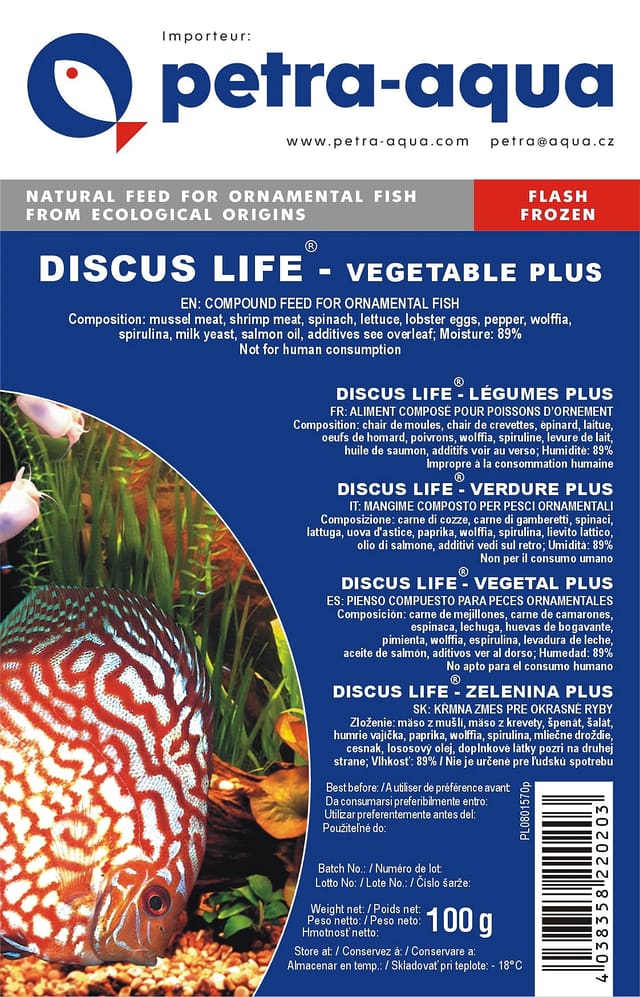
If you keep discus or other demanding cichlids, alternating Super Color with Super Vital 2000 can broaden the diet. Vegetable content is useful too, which is why many keepers add 6X100G Discus Life Vegetable Plus Blister to the weekly rotation. For catfish and loricariids in mixed tanks, 6X100G Loricaria Food Blister helps target species with different feeding needs.

More protein-rich variety can come from X 100G Cocktail Shrimp Meat Blister or X 100G OCTET. This kind of rotation is often more effective than relying on one food only, even if that food is marketed as a complete colour formula.

Nanovit Granules — A reliable staple for small tropical fish and an easy daily partner to Super Color.
Green Algae Wafers — Ideal for herbivores and grazers that need more plant matter in a mixed community aquarium.
Super Vital 2000 — Useful in a rotation for discus and larger tropical fish needing broader dietary variety.

Will Super Color Affect Water Quality?

Any frozen food can affect water quality if it is overused, but careful feeding keeps this manageable. The main factor is the super color discus block portion size. Feed too much and uneaten particles break down quickly, pushing ammonia and nitrate upward. Feed correctly and the impact is modest, especially in mature aquariums with good mechanical and biological filtration.

When people ask about super color discus block water quality impact, the honest answer is that it depends more on feeding practice than on the frozen format itself. Thawing first, feeding in small amounts, and removing leftovers all help. Strong filtration, regular maintenance, and sensible stocking matter even more.

If you are already running a dark-water discus or high-feeding cichlid setup, frozen foods are normal and manageable. Just make sure your filter is sized properly and your water-change schedule matches the feeding level. This is one reason experienced keepers often get better results from frozen foods than beginners: they watch the tank, not just the label.

How Does Super Color Compare with Bloodworm, Mysis, Krill, and Tropical Mix?

Shoppers often compare Super Color with bcuk bloodworm, mysis rs, tropical mix frozen fish food, and specialist marine-derived foods. Each has a place. Bloodworm is highly attractive but should not be the only food for many species. Mysis is excellent for protein and feeding response. Krill-based foods can be strong for colour support. Tropical mix products offer broader variety in one feed.

Super Color is best viewed as a targeted colour-and-condition option. If you want a single answer to which frozen fish food pets at home is best, the truth is that the best food depends on the fish you keep. For discus and showy tropical fish where colour matters, Super Color is often the better pick than plain bloodworm alone. For omnivorous community tanks, it works especially well in rotation rather than as the sole diet.

Feature Super Color Standard Bloodworm
Main strength Colour support and appetite Strong feeding response
Best use Rotation for discus and tropical display fish Occasional protein-rich treat
Daily suitability Yes, in controlled portions Better as part of a mixed plan
Ideal buyer Keepers wanting visible colour improvement Keepers wanting a simple attractant food

What Questions Do Buyers Usually Ask Before Ordering?

Many search terms around frozen foods are broad or retailer-specific, such as frozen fish food pets at home, frozen fish food pets at home guide, frozen fish food pets at home how to, and frozen fish food pets at home how to use. The practical questions behind them are usually the same: Is it safe, is it easy, and is it worth it?

For most tropical aquariums, the answer is yes when the food is stored properly and fed in sensible portions. Questions like what frozen fish food pets at home good for, what frozen fish food pets at home safe, and why frozen fish food pets at home is bad are best answered with context. Frozen food is good for improving variety and feeding response. It is safe when kept frozen and not allowed to spoil. It becomes “bad” only when overfed, mishandled, or used as the only diet for species that need more balance.

Some search phrases, such as frozen fish food pets at home reddit, why frozen fish food pets at home reddit, what time frozen fish food pets at home store, or what day frozen fish food pets at home is available, are really signs that customers want straightforward advice. The simplest advice is this: choose a food that matches your fish, buy from a specialist source, keep it frozen, thaw small portions, and rotate with a suitable staple.

Why Buy Super Color from a Specialist Fish Food Retailer in the UK?

When buying frozen fish food UK, handling matters as much as the label. Specialist aquarium retailers understand insulated packing, fast dispatch, and how frozen products should be stored before sale. That is a better route than guessing from general retail search phrases like frozen fish food pets at home delivery, frozen fish food pets at home online, frozen fish food pets at home order, or frozen fish food pets at home order online.

If you are comparing frozen fish food pets at home best price, frozen fish food pets at home price, or frozen fish food pets at home where to buy, remember that frozen foods are not only about price. Reliable cold-chain handling and product turnover are critical. This is especially true if you want to super color discus block fish food buy UK with confidence for valuable discus or breeding stock.

For aquarists maintaining display fish, the better buying decision is usually the one that protects food quality from freezer to aquarium. That is why dedicated fish food online UK suppliers remain the preferred choice for many serious keepers.

Why choose this frozen fish food

  • Designed for aquarists who want stronger natural colour and a more enthusiastic feeding response
  • Easy cube format helps with repeatable portions and less waste than guesswork feeding
  • Works well in a varied plan with granules, wafers, tablets, vegetable foods, and other frozen lines

You Might Also Like

Build a more complete feeding routine by pairing Super Color with other specialist foods. Nanovit Granules are ideal for small tropical fish that need a dependable everyday staple. Super Vital 2000 is a useful companion for discus and larger tropical species. 6X100G Discus Life Vegetable Plus Blister adds plant-based variety for omnivores. For algae grazers and bottom feeders, Green Algae Wafers and Nanovit Tablets help ensure all fish in the aquarium are fed appropriately. If you want extra meaty variety, X 100G Cocktail Shrimp Meat Blister and X 100G OCTET are useful additions to a rotating menu of tropical fish food UK staples.