Easy
Green Moscow Male Guppy (Poecilia reticulata)
22–28°C · pH 7–8 · 41L
£5.99In stock

The Full Red Female Guppy (Poecilia reticulata) is a peaceful poeciliid livebearer from Venezuela, Barbados, Trinidad, northern Brazil and the Guyanas that reaches 5 cm standard length. It suits a prepared beginner with a mature aquarium at least 60 cm long and a group of 5 or more; the overlap of Tropical Fish Co, FishBase, Seriously Fish and OATA guidance is 22–28°C, pH 7.0–8.0 and 9–18 dGH. Sold individually as a female fish, with a dispatch size of 3–4 cm.
Adult size is the maximum length this species reaches at full maturity (scientific sources). The livestock you receive will be younger and smaller — pick a size variant above for the actual shipping size. Product-photo provenance and any image-specific limitations are stated on the listing.
Poecilia reticulata
Full Red Female Guppy are a shoaling species — they need 6+ to feel safe and show their full colour. Larger shoals stay calmer, eat better, and look stunning.
Delivered on Thursday or Friday
Orders close every Friday at 5pm (UK time). We confirm the day in your tracking email.
The Full Red Female Guppy (Poecilia reticulata) is a peaceful poeciliid livebearer from Venezuela, Barbados, Trinidad, northern Brazil and the Guyanas that reaches 5 cm standard length. It suits a prepared beginner with a mature aquarium at least 60 cm long and a group of 5 or more; the overlap of Tropical Fish Co, FishBase, Seriously Fish and OATA guidance is 22–28°C, pH 7.0–8.0 and 9–18 dGH. Sold individually as a female fish, with a dispatch size of 3–4 cm.
Adult size is the maximum length this species reaches at full maturity (scientific sources). The livestock you receive will be younger and smaller — pick a size variant above for the actual shipping size. Product-photo provenance and any image-specific limitations are stated on the listing.
Guppies are social livebearers suited to a prepared beginner, not a fish-per-litre formula. Use a mature filtered aquarium, tested neutral-to-alkaline mineral-bearing water, deliberate sex and population planning, open swimming room, cover and a separation option.
Maintain these water conditions for optimal health and vibrant colors
The Full Red Female Guppy (Poecilia reticulata) is a peaceful freshwater livebearer in the Poeciliidae family. Its native range covers Venezuela, Barbados, Trinidad, northern Brazil and the Guyanas. FishBase records females reaching 5 cm standard length, which measures the body without the tail fin. This social fish can suit a prepared beginner who has a mature, filtered aquarium and is ready to manage group behaviour, water quality and possible fry.
“Full Red” is a selected colour-form name rather than a separate species. The accepted scientific name remains Poecilia reticulata, as listed by Eschmeyer’s Catalog of Fishes. Plan for the needs of a guppy first: mineral-bearing neutral-to-alkaline water, open swimming room, cover, gentle flow and companionship.
| Suits | Not suited to |
|---|---|
| A prepared beginner with a mature filtered aquarium | An uncycled bowl or unfiltered container |
| A planned social group with space and cover | Keeping one guppy alone |
| Neutral-to-alkaline, moderately hard or harder water | Long-term soft or acidic conditions |
| A quiet community screened for fin-nipping | Tiger barbs, serpae tetras or other fin-nipping fish |
Read our complete Guppy Care Guide when planning the wider group, sex mix, water routine and response to fry.
The sold unit is one female Full Red Guppy, supplied at a dispatch size of 3–4 cm. That dispatch measurement describes the fish sent, not its final body length. Plan the aquarium around the recorded 5 cm adult standard length and allow for the tail fin beyond that body measurement.
Sex is guaranteed only when the exact product or selected option explicitly states male or female. This Full Red Female Guppy listing is sold as female.
A female-only group avoids new mating inside the group, but it does not rule out later fry. Female guppies may retain viable sperm after an earlier mating, so prepare a population plan even when adding only females. A rounded abdomen or dark belly area should not be treated as proof of pregnancy.
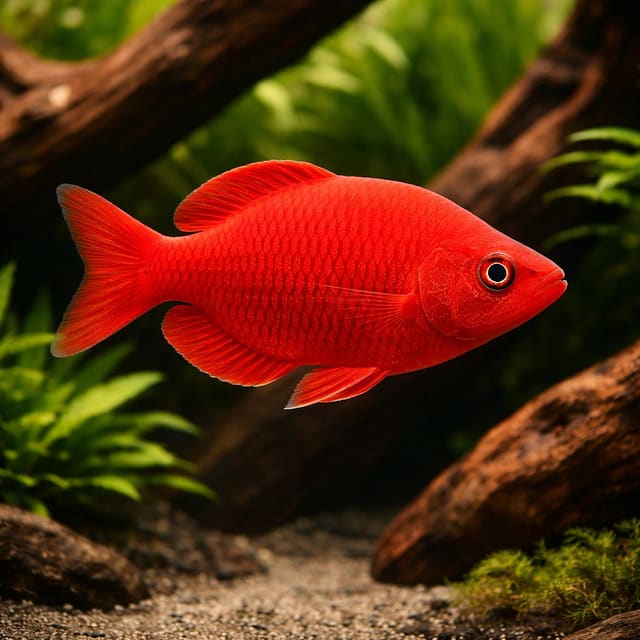
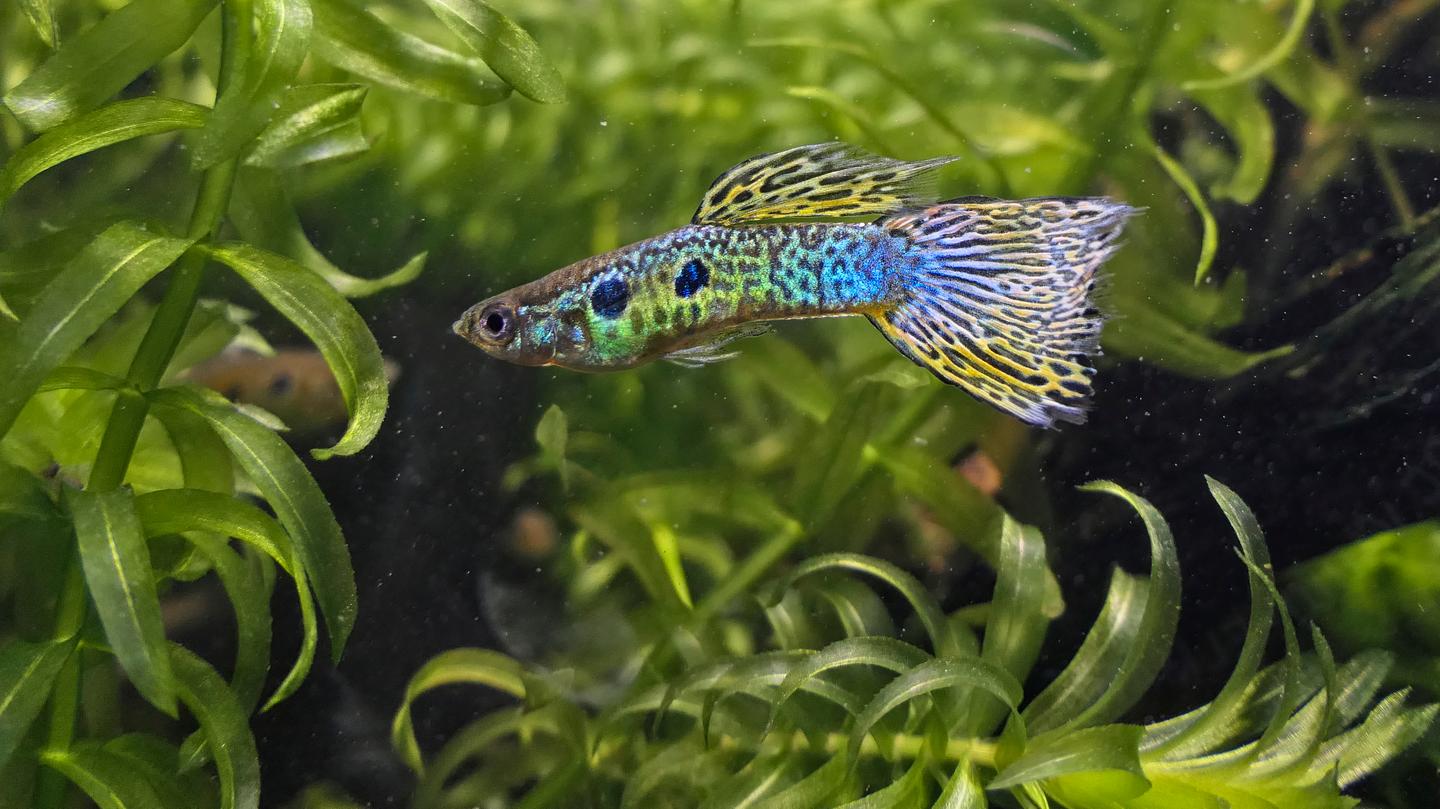
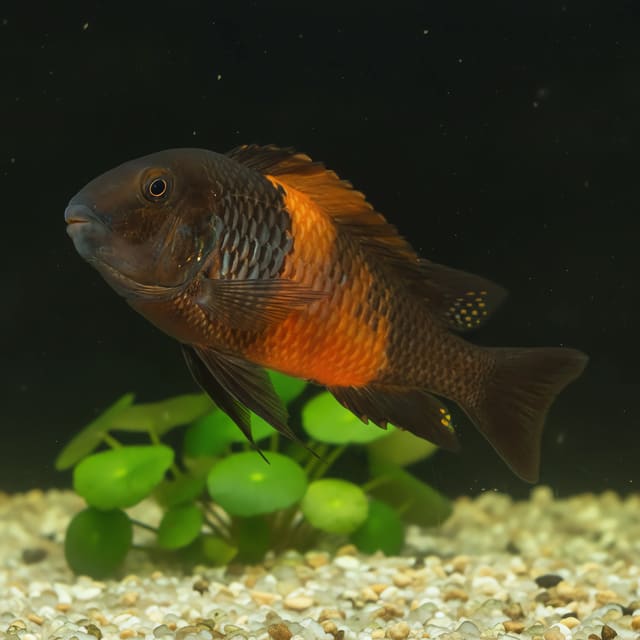
The gallery images are representative of this type of animal rather than photographs of the exact animal supplied, so colours can look slightly different from the live animal.
The gallery fish has a silvery body and broad yellow-and-black patterned fins rather than a full red appearance. The fish supplied is the Full Red colour form; the photograph shows guppy body shape only. Individual colour intensity, markings and fin appearance can vary.
Buying one fish does not by itself create the recommended group. Count the compatible guppies already present, assess the aquarium’s usable space and water tests, and add livestock gradually. Browse the guppy collection when comparing strains and stated sexes, but decide the final group from aquarium capacity rather than colour alone.
Use a mature, filtered aquarium at least 60 cm long for one small guppy group. This is Tropical Fish Co’s conservative planning policy, based on FishBase’s 60 cm aquarium note and a group of 5 or more. Litres still matter for stability, but they do not show the usable swimming length, footprint, existing livestock or performance of the biological filter.
Seriously Fish gives a 45 × 30 cm base and approximately 41 litres for Poecilia reticulata. Our 60 cm length screen adds room for a social group, observation and intervention. An aquarium around 60 litres can be a candidate only if it is at least about 60 cm long, mature, filtered, suitably furnished and not already occupied. Five guppies are a conservative starting group under this policy, not an automatic maximum.
Cover helps fish move away from social pressure, but dense planting also gives fry more places to survive. Add structure deliberately and retain enough open room to see whether every guppy can swim, feed and rest normally. If one individual remains cornered despite the layout, use a prepared separation aquarium rather than adding more decoration indefinitely.
Before bringing livestock home, follow our guide to preparing and maturing a first aquarium. A mature aquarium has an established biological filter that can process waste; elapsed time alone does not demonstrate that it is ready.
Keep this guppy at 22–28°C, pH 7.0–8.0 and 9–18 dGH. These values are the overlap of Tropical Fish Co’s routine guppy guidance, FishBase and Seriously Fish species ranges, and OATA’s group guidance.
Aim for steady conditions inside the range rather than repeatedly adjusting water to chase one exact reading. Test the aquarium water itself because tap-water chemistry differs by location and may change. Use our water chemistry guide to understand temperature, pH, hardness and nitrogen-cycle readings, then use the water matcher to compare measured aquarium water with the guppy range.
Use a thermostatically controlled aquarium heater when the room cannot keep the water inside the range. Choose its output for the aquarium volume and room conditions, then confirm the result with a thermometer rather than relying only on the heater dial.
Guppies occur in fresh and brackish habitats, but that does not make aquarium salt a routine requirement. Do not add salt, minerals or pH-adjusting chemicals without measurements and a clear purpose. Any change must also suit the aquarium’s other animals, plants and biological filter.
Run a properly established filter continuously. The RSPCA explains that biological filtration supports bacteria that convert toxic ammonia to nitrite and then to safer nitrate. Guppies may be described as hardy, but they should never be used to cycle an aquarium.
Test ammonia and nitrite at least weekly and keep both at 0 mg/L. Record nitrate, pH and temperature at the same time so a gradual change is visible before the fish show distress. Test again after adding fish, increasing food, cleaning equipment or noticing altered swimming, breathing or appetite.
When filter media needs cleaning, rinse it lightly in aquarium water removed during the water change, never under the tap.
Fish numbers, feeding and waste production affect the filter together. Add animals slowly so the bacterial population can respond to the increased load. If ammonia or nitrite becomes detectable, stop further additions, check the filter and feeding routine, and restore safe water quality before reconsidering the stocking plan.
A larger aquarium can make temperature and water chemistry more stable, but volume does not remove the need for weekly testing and partial changes. The same nominal aquarium can perform very differently depending on stocking, filter maturity, maintenance and source water.
Use an appropriately sized, nutritionally complete omnivore flake or granule as the staple. FishBase records guppies feeding on zooplankton, small insects and detritus, and Seriously Fish notes that tank-bred fish will accept most foods offered. Add safe compatible algal and invertebrate variety rather than relying on one treat food.
OATA’s guppy-and-molly guidance says guppies should only be fed what they can eat within a few minutes, once a day. Start with a small measured portion. Watch the whole group, then adjust the next portion if food reaches the bottom, enters the filter or remains after the fish stop feeding.
Check feeding response rather than judging only by how quickly the boldest fish eat. A fish repeatedly excluded from food needs intervention through distribution, layout or safe separation. Adding more food to compensate can worsen water quality while still failing to reach the excluded individual.
Match particle size to the fish. Food that is too large may be ignored or broken into waste, while fine food can disappear into the filter before it is eaten. Fry require food sized for their mouths and closer water-quality monitoring, but an unexpected brood should not lead to uncontrolled heavy feeding.
Reduced appetite is a warning sign when it differs from the fish’s usual pattern. Check behaviour, breathing, social pressure and water readings before changing foods repeatedly. Do not use extra feeding to address weight loss until water quality and access to food have been assessed.
Plan for 5 or more guppies where aquarium capacity, filtration, water tests and the sex plan allow. FishBase gives a group of 5 or more, while OATA advises at least 3 and suggests two females for each male in mixed groups. Tropical Fish Co uses the more conservative group of 5 or more for routine planning.
This purchase adds one stated female to that plan. Count the guppies already in the aquarium rather than treating the sold unit as a complete group. Additions should be gradual, and every fish must be able to feed and move away from pursuit.
| Group plan | Decision to prepare for |
|---|---|
| Female-only | No new mating within the group, but stored sperm may still result in fry |
| Mixed sex | Courtship, possible fry and space for more females than males |
| Existing group | Whether one more fish changes chasing, feeding access or filter load |
| New group | A mature 60 cm aquarium, gradual stocking and a ready separation option |
Female guppies can produce young after a male is no longer present because viable sperm may be retained following earlier mating. Before purchase, decide where unexpected fry could be housed and how they would be responsibly rehomed. Do not rely on adult fish or tank mates eating fry as a population-control plan.
Watch for repeated pursuit, cornering, hiding, missed feeding, weight loss or damaged fins. Peaceful describes the species’ general temperament; it does not make every social interaction harmless. A ratio can reduce pressure in some mixed groups, but it cannot guarantee that a particular individual will be left alone.
Keep a mature separation aquarium ready where possible. It should have biologically supported filtration, suitable water and enough room for the fish to behave normally. A small uncycled container is not a safe response to chasing, illness or fry.
Prepare and test the mature aquarium before the fish travels, and arrange for someone to receive the parcel because live fish must not be left unattended. Our delivery and Live Arrival Guarantee policy explains the packing, reporting terms and arrival procedure. The fish is hand-bagged in pure oxygen and placed in an insulated box, with a heat pack used when weather conditions call for it.
OATA advises checking that ammonia and nitrite are both 0 mg/L before adding fish. Confirm that the aquarium temperature, pH and hardness match the working range before arrival. Arrival day is not the time to complete cycling, make a large chemistry adjustment or add several unplanned animals.
OATA advises watching swimming, colour, temperament, breathing, physical condition and feeding. Establish the fish’s normal pattern, then respond to changes rather than assuming every unusual sign is part of settling in.
If a change appears, test the water immediately and compare the result with the pre-arrival readings. Check equipment, recent maintenance and social behaviour before selecting any response.
Plan for 5 cm standard length, the female size recorded by FishBase. Standard length excludes the tail fin, so the fish’s total visible length may be greater. Growth continues after dispatch, so plan space and companions for the full adult body length rather than the 3–4 cm size supplied.
Do not judge growth or health from length alone. A settled guppy should swim steadily, breathe regularly, hold its fins open, maintain a normal body profile and feed consistently. Compare the fish with its own established pattern because sudden change is more useful than colour intensity by itself.
The RSPCA’s fish health guidance treats hiding, clamped fins, surface gasping, loss of balance, spots, wounds and sudden appetite change as reasons to investigate. Test ammonia, nitrite, nitrate, pH and temperature immediately. Inspect the filter, heater, recent maintenance, food, new arrivals and interactions within the group.
A symptom is not a diagnosis. Do not choose salt, extra heat or medication from one sign alone. Isolate safely where appropriate, record changes with dates or photographs and seek a qualified diagnosis. OATA maintains a UK fish-vet directory for professional help.
The MSD Veterinary Manual recommends at least 30 days of quarantine, with longer isolation where indicated. Use dedicated equipment, biologically supported filtration, stable suitable water and regular testing. Quarantine is observation and biosecurity, not automatic medication.
Keep nets and maintenance equipment separate between systems. If shared equipment must move between aquariums, clean and manage it in a way that prevents water and pathogens moving with it. Continue to monitor the main group because a new health change may reflect water quality or social pressure rather than an isolated problem.
Choose quiet community fish whose adult needs overlap with the guppy’s working range. The overlap of Tropical Fish Co, FishBase, Seriously Fish and OATA guidance is 22–28°C, pH 7.0–8.0 and 9–18 dGH. Seriously Fish describes guppies as very peaceful and says they do well in a quiet community tank with other livebearers, rasboras, corydoras, small loricariids and tetras. These are kinds to screen, not universal promises.
Avoid fin-nipping species such as tiger barbs and serpae tetras. OATA also advises against fish likely to nip guppy fins. Long or broad fins can attract repeated attention, and fin damage can occur even when the aquarium’s water values overlap.
Other livebearers, rasboras, corydoras, small loricariids and suitable tetras may work in a quiet community after exact species-level checks. Adult size, group requirements and usable bottom or swimming space still matter. A corydoras group, for example, needs its own floor area rather than sharing an assumed fish-per-litre allowance.
Observe the result after introduction. Repeated pursuit, hiding, missed feeding, rapid breathing or damaged fins means the combination needs intervention. Do not add another fish to distract an aggressor unless the revised social and space plan independently supports that addition.
Treat every mixed aquarium as a conditional match. Some platies, mollies or corydoras may pass the water, space and behaviour screen, but the exact species and adult needs decide the result. Bettas are not a sensible default companion because territorial display and long-fin interactions vary between individuals.
Do not promise compatibility with “invertebrates” as one category. Adult size, mobility and refuge needs vary widely. Small shrimp or young may be eaten, so assess the exact species and provide a separation plan instead of assuming planting guarantees safety.
Endler’s livebearer is Poecilia wingei, a separately described species. The formal description of Poecilia wingei distinguishes it from P. reticulata, and Eschmeyer’s Catalog of Fishes lists the name as valid. The two species can hybridise, so keep documented lines apart.
Mixed guppy sexes require a fry plan, while a female-only arrangement may still produce young after earlier mating. Adding another livebearer species also increases competition for swimming space and food. Count each species’ whole social group and allow for possible population growth before deciding that the aquarium has capacity.
Compatibility remains conditional because individual behaviour, aquarium dimensions and existing livestock affect the outcome. The practical standard is not whether two names appear on a tank-mate list, but whether both animals can meet their full care needs in the same aquarium.
A female reaches 5 cm standard length according to FishBase; standard length excludes the tail fin, so allow additional room for the visible tail.
Use a mature, filtered aquarium at least 60 cm long for one small group. Tropical Fish Co applies this conservative screen alongside adult size, sex mix, tank mates, filtration and water-test results.
Plan for 5 or more guppies where aquarium capacity and the sex plan allow. FishBase gives a group of 5 or more, while OATA’s group guidance advises at least 3.
It can suit a prepared beginner, but it needs a mature filtered aquarium, 0 mg/L ammonia and nitrite, stable mineral-bearing water, a planned social group and a response plan for chasing or fry.
Feed an appropriately sized complete omnivore flake or granule as the staple, with safe algal and invertebrate variety. OATA says guppies should only be fed what they can eat within a few minutes, once a day.
Keep it at 22–28°C and pH 7.0–8.0, with hardness of 9–18 dGH. These values are the overlap of Tropical Fish Co’s routine guidance, FishBase and Seriously Fish species ranges, and OATA’s guppy-and-molly guidance.
It is generally peaceful, but social pursuit still needs monitoring. Avoid fin-nipping fish such as tiger barbs and serpae tetras because they may damage guppy fins.
Other livebearers, rasboras, corydoras, small loricariids and suitable tetras may work after checking water overlap, adult size, group space, feeding competition and fin-nipping risk; small shrimp or young may be eaten.
It travels hand-bagged in pure oxygen inside an insulated box, with a heat pack when weather calls for it. Film every delivery in one continuous take from the sealed parcel to the fish still in its bag, opening it on the day it arrives, with someone there to receive the parcel; then float the bag for 20–30 minutes before release and do not pour transport water into the aquarium.
No reviews yet. Bought this fish? You'd be the first — honest reviews only, good or bad.
22–28°C · pH 7–8 · 41L
22–28°C · pH 6.8–8.5 · 40L
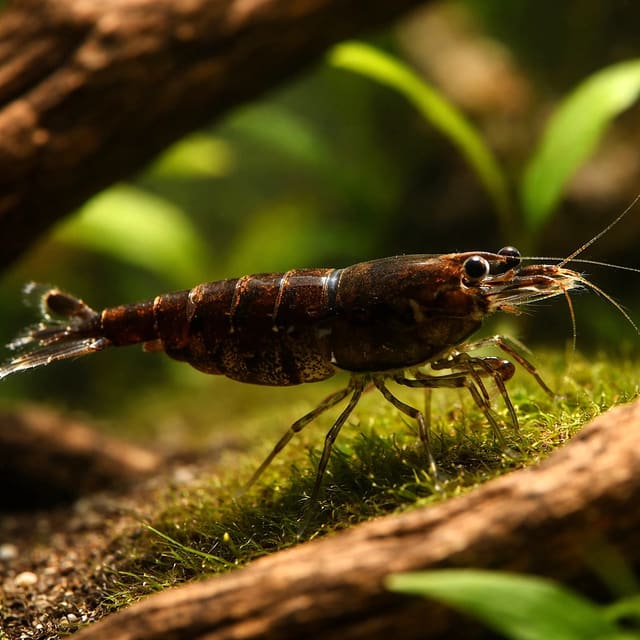
18–26°C · pH 6.5–8 · 30L
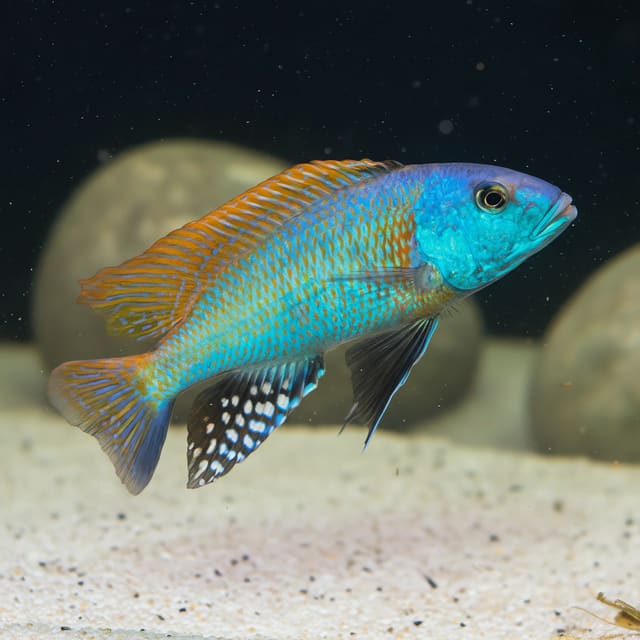
23–27°C · pH 8–8.4
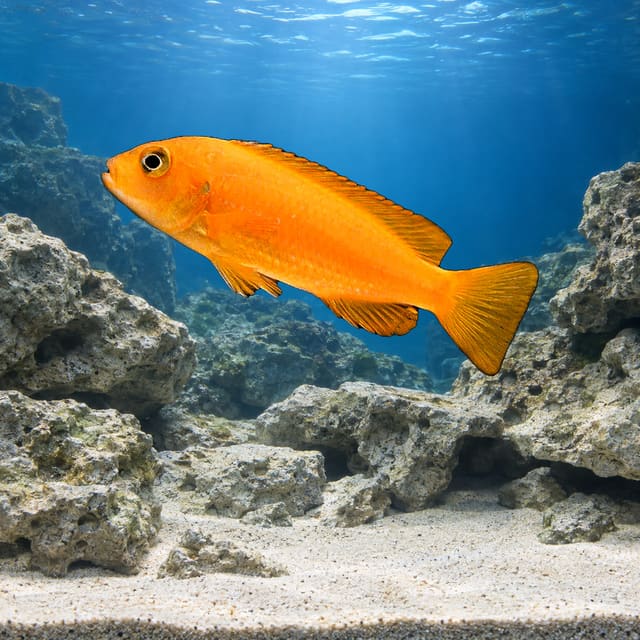
23–27°C · pH 7.4–8.4 · 150L
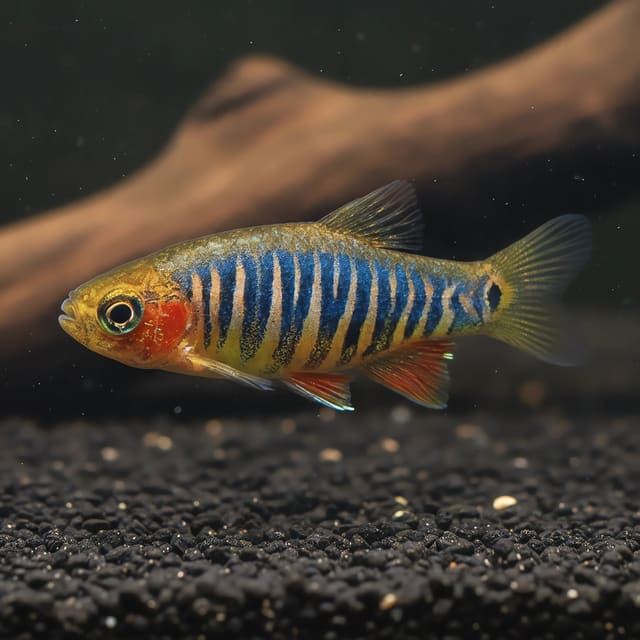
21–25°C · pH 6.5–7
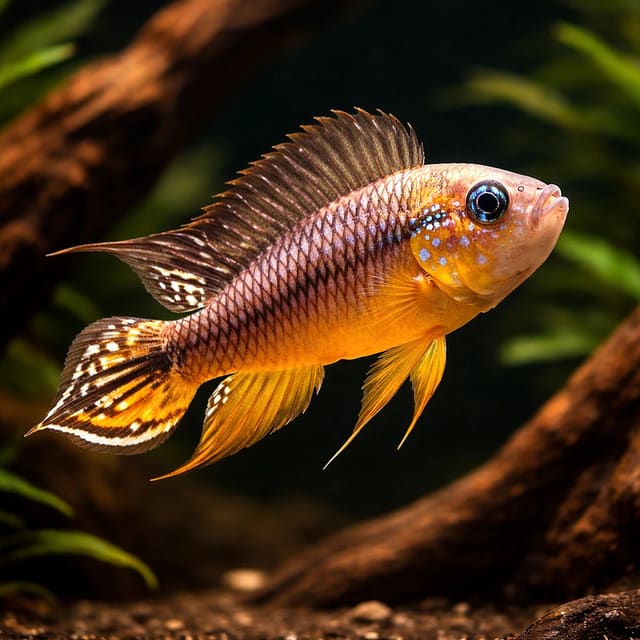
26–27°C · 54L
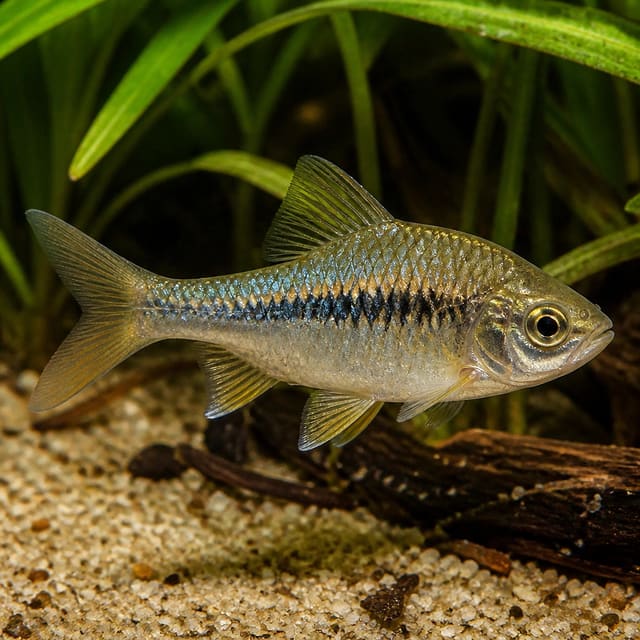
18–25°C · pH 6–8 · 100L
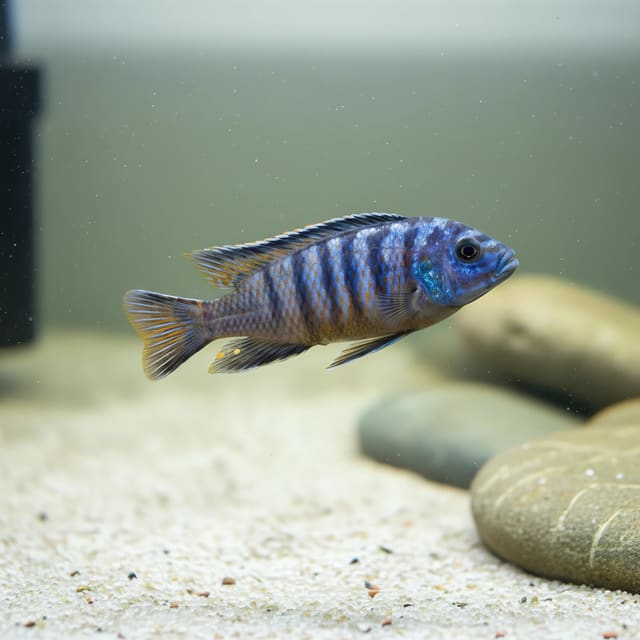
24–27°C · pH 7.5–8.8 · 150L
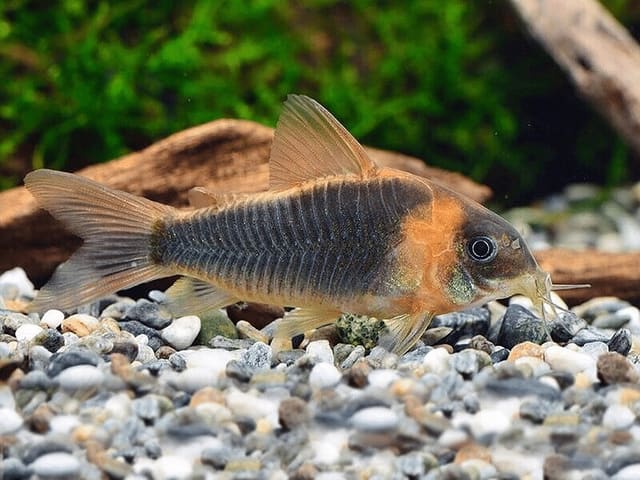
22–26°C · pH 6–7.5 · 60L
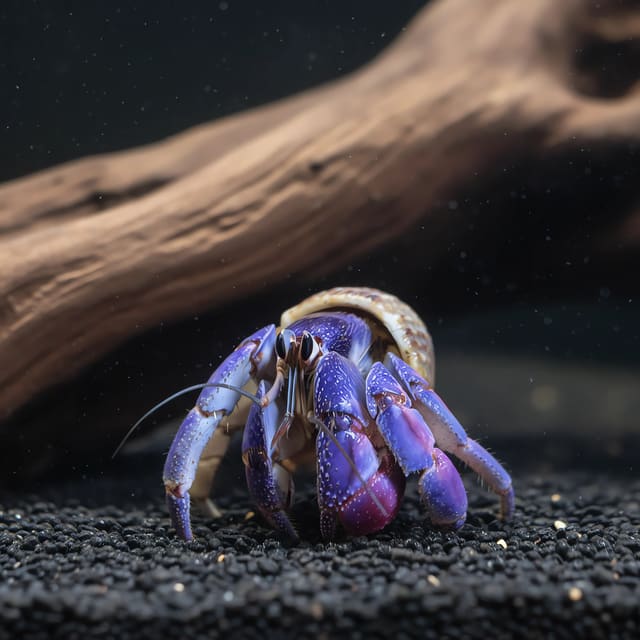
24–28°C
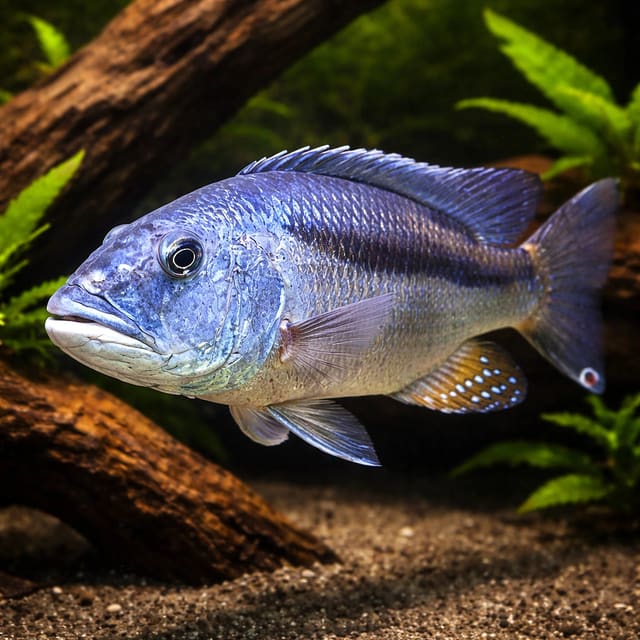
24–28°C · pH 7.5–8.5 · 500L
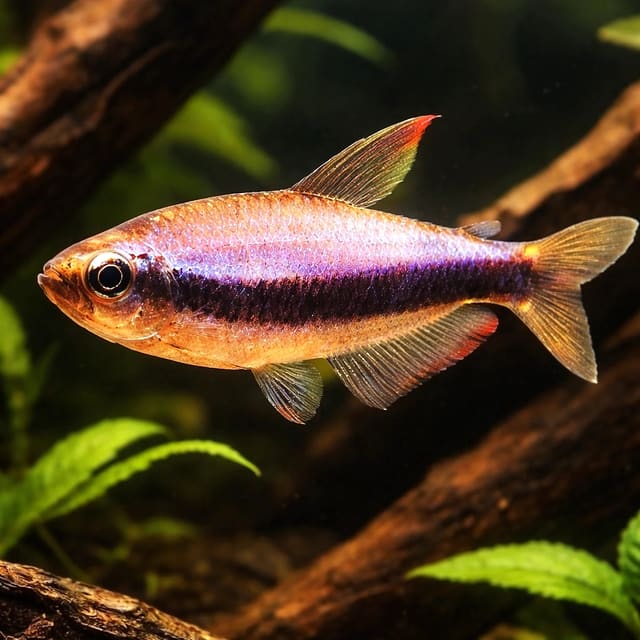
23–27°C · pH 5.5–7.5 · 80L
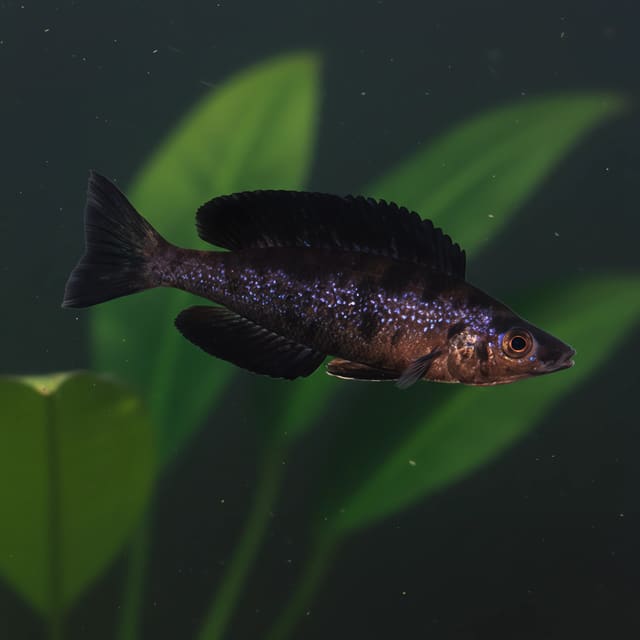
24–27°C · pH 7.5–9 · 250L
24–26°C · pH 8–8.6
20–25°C · pH 6–7.5 · 80L