
Easy
Blue Moscow Female Guppy (Poecilia reticulata)
22–28°C · pH 7–8
£3.99

One live female Cobra Mix Guppy per selected quantity, supplied at approximately 3-4 cm; assorted cobra-style pattern varies and no product-specific gallery image is currently available.
Adult size is the maximum length this species reaches at full maturity (scientific sources). The livestock you receive will be younger and smaller — pick a size variant above for the actual shipping size. Product-photo provenance and any image-specific limitations are stated on the listing.
Poecilia reticulata
Save when buying multiple fish. Each quantity is one fish; sex and pair formation are not guaranteed unless the selected variant explicitly states them.
One live female Cobra Mix Guppy per selected quantity, supplied at approximately 3-4 cm; assorted cobra-style pattern varies and no product-specific gallery image is currently available.
Adult size is the maximum length this species reaches at full maturity (scientific sources). The livestock you receive will be younger and smaller — pick a size variant above for the actual shipping size. Product-photo provenance and any image-specific limitations are stated on the listing.
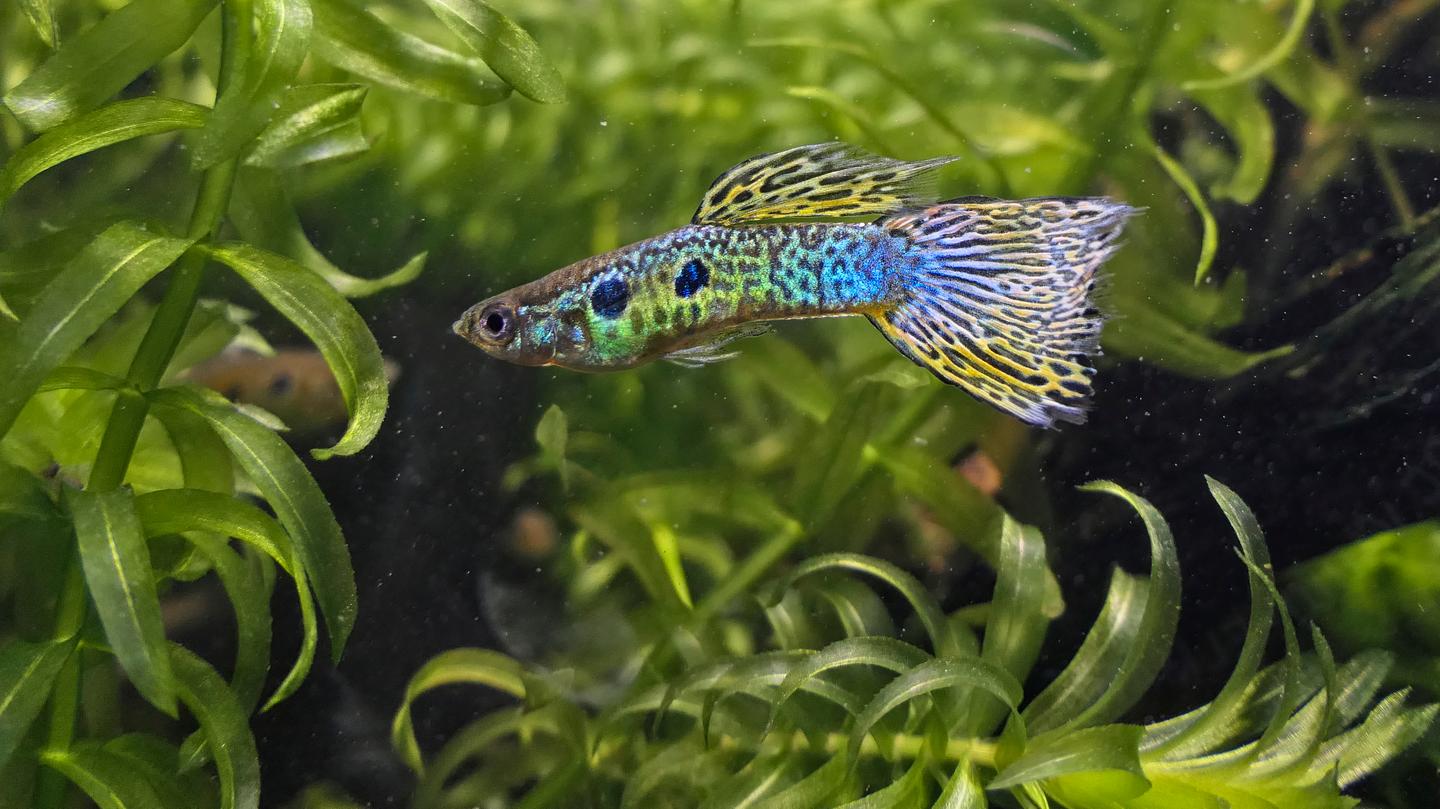
Guppies are social livebearers suited to a prepared beginner, not a fish-per-litre formula. Use a mature filtered aquarium, tested neutral-to-alkaline mineral-bearing water, deliberate sex and population planning, open swimming room, cover and a separation option.
Maintain these water conditions for optimal health and vibrant colors
Female Cobra Mix Guppy (Poecilia reticulata) is an assorted female fancy-guppy listing for keepers who want cobra-style pattern without choosing one fixed colour strain. Each selected quantity supplies one live female at approximately 3-4 cm. It does not include a male, a pair or a photographed choice of pattern.
The words Cobra Mix matter. They describe a mixed selection in the reticulated, spotted or snake-like pattern direction commonly called cobra in the aquarium trade. One female may carry darker body markings, another may show more colour in the tail, and another may be comparatively understated. Female guppies are generally fuller-bodied and less ornate than males, so this listing should be chosen for varied female cobra character rather than an expectation that every fish will look like a highly coloured display male.
| Sale unit | One live female fish per selected quantity |
|---|---|
| Common name | Female Cobra Mix Guppy, female cobra guppy |
| Scientific name | Poecilia reticulata |
| Domestic form | Assorted female cobra-pattern fancy guppy |
| Supplied size | Approximately 3-4 cm; individuals within the live grade vary |
| Expected adult size | Usually around 5-6 cm for a female, with natural variation |
| Care level | Easy to moderate in a mature, stable aquarium |
| Temperament | Active and generally peaceful; social planning still matters |
| Minimum aquarium | 45 litres for a small group; 60 litres or more is preferred |
| Temperature | 20-28°C; choose a suitable point and keep it steady |
| pH | 7.0-8.0 |
| General hardness | 8-18 dH |
| Diet | Omnivore: quality small dry food plus measured frozen or live variety |
| Tank region | Upper and middle levels |
| Mixed-sex ratio | At least two females for each male, with room and cover |
| Breeding note | Livebearer; females may store viable sperm and later produce fry |
| Image status | No verified product-specific gallery image is currently available |
One quantity means one live female Cobra Mix Guppy. Two means two females. It never silently means a pair, trio or group. The recorded dispatch band is approximately 3-4 cm, not a guaranteed exact measurement for each living fish and not the species' adult maximum.
The defined traits are the female sex, the Poecilia reticulata identity, the assorted cobra-pattern trade line and the supplied size grade. Exact age, pregnancy status, previous mating, body colour, tail colour, fin shape, pattern density, genetics, lineage and future breeding result are not guaranteed. If one exact appearance is essential, this non-WYSIWYG mixed selection is not the right format.
In fancy-guppy naming, cobra usually points to fine reticulated, spotted or chain-like markings across part of the body, often combined with colour or pattern in the fins. It is a domestic trade description within Poecilia reticulata, not a separate species. The exact expression depends on the line and individual.
The word mix prevents a false promise. This is not a guaranteed Red Cobra, Green Cobra, Blue Cobra, King Cobra or any other single named colour. Assorted females may arrive with different backgrounds and different amounts of visible pattern. Some can show clear body reticulation; others may carry quieter markings, especially at the supplied size or while settling after transport.
| Listing term | What it supports | What it does not guarantee |
|---|---|---|
| Female | A fish selected and sold as female | Pregnancy, age, fertility or previous mating history |
| Cobra | Domestic cobra-style pattern direction | One exact genetic line or identical marking on every fish |
| Mix | Variation in colour and pattern between supplied females | A customer-selected colour, matched group or named strain |
| 3-4 cm | An approximate live dispatch grade | An exact measurement or final adult size |
Adult female guppies are usually larger and deeper-bodied than males. They commonly have shorter fins, a triangular anal fin and a more substantial abdomen. Males tend to be smaller, carry a modified gonopodium and are often selected for stronger colour and larger display fins. These are practical sexing features, but strain, maturity and individual development can affect how obvious they look.
A female cobra guppy should not be judged against a promotional photograph of a male. Her pattern can be softer and her tail less expansive while she still belongs to the intended domestic line. Colour may also look muted in a transport bag or during the first days in a new aquarium. Stable water, appropriate food and low social stress allow normal appearance to return, but they cannot turn an assorted female into a guaranteed named-colour male.
A fuller abdomen does not prove pregnancy. Body shape can reflect age, recent feeding, condition and reproductive history. This product is not sold as pregnant, virgin or proven breeding stock.
This listing suits a keeper who enjoys variation rather than a regimented identical group. Several females can create a lively display in which pattern and colour differ from fish to fish, while the broader cobra direction keeps the group visually connected. In a planted aquarium, the moving speckles and reticulation can be more interesting at close range than one uniform block of colour.
It can also help build the female side of a mixed-sex guppy community, provided the aquarium already has enough capacity and the final ratio remains female-biased. For a female-only display, the mix offers variety without continuous male courtship. Neither use removes the need for companionship, filtration, mineral-bearing water and a sensible stocking plan.
The Ornamental Aquatic Trade Association gives 45 litres as the minimum for a small guppy group. We recommend 60 litres or more when practical. Greater volume usually changes temperature and water chemistry more slowly, offers more useful swimming length and leaves room for planting without crowding the open water.
Use a mature biological filter, a thermostatic heater, a separate thermometer and a secure cover. Guppies are active near the surface and can jump when startled. Adjust the filter outlet for oxygenation and gentle circulation; a female should be able to pause and feed without fighting a hard jet throughout the day.
Build several kinds of space rather than filling every centimetre. Plant the sides and rear, let floating roots or taller stems create refuge, and retain an open route across the middle. Small branches or root structure can interrupt sight lines. Peer-reviewed work on environmental enrichment in guppies supports a more structured environment, but usable swimming room and water flow must remain appropriate for the group.
| Temperature | 20-28°C |
|---|---|
| Practical community range | Often 23-26°C when all tank mates share that requirement |
| pH | 7.0-8.0 |
| General hardness | 8-18 dH |
| Carbonate hardness | 5-15 dKH |
| Ammonia | 0 mg/l |
| Nitrite | 0 mg/l |
| Nitrate | Controlled; OATA advises no more than 20 mg/l above normal tap-water level |
Guppies have a reputation for adaptability, but fancy domestic fish still need clean, stable water. Neutral-to-alkaline, medium-hard water is a more natural planning point than a very soft acidic setup. Measure the source water and aquarium rather than relying on a local reputation. Our water matcher can help compare actual readings with the required range.
Do not chase pH with abrupt daily chemical changes. Condition replacement water, match its temperature and use regular partial changes to control dissolved waste. Test after unexplained behaviour changes and after any event that may affect the filter. Ammonia and nitrite must remain at zero; a new aquarium is not ready simply because the water looks clear.
Poecilia reticulata is omnivorous. FishBase records zooplankton, small insects and detritus among natural foods, and OATA recommends a quality flake or granule containing an algae component for aquarium guppies. A small premium flake or micro granule makes a practical staple.
Add variety with correctly sized daphnia, brine shrimp, cyclops or other suitable frozen and live foods in measured portions. Rotate foods instead of relying on one rich item. A female that has recently travelled may accept a small familiar dry food more readily than a large feed offered immediately.
Give only what the fish can finish promptly. The number of feeds matters less than the total amount, food quality and whether every fish can reach it. Excess food decomposes, increases filter load and can spoil the water. Watch body condition over time: a pinched abdomen, persistent food refusal or one fish being excluded at every meal deserves investigation.
Guppies are social fish. FishBase describes aquarium groups of five or more, while OATA advises keeping at least three and using at least two females per male when both sexes are present. Aquarium volume and filter capacity must increase with the group; a ratio is not permission to crowd a small tank.
One female should not be placed with several males. Male courtship can become repeated pursuit, and experimental research has shown that sexual harassment changes female guppy habitat use. Plants, roots and broken sight lines make avoidance possible, but they cannot repair an unsuitable ratio. Watch whether a female is repeatedly pinned into one corner, prevented from feeding or forced to hide continuously.
A female-only group can remove male courtship from the daily social pressure. Females may still compete loosely around food or preferred resting areas, so provide more than one feeding point and enough structure for individuals to separate. Permanent solitary keeping is not the intended plan for this social species.
Guppies are livebearers. Females give birth to formed fry rather than laying exposed eggs. A mixed-sex group is therefore likely to reproduce, and planted cover may allow some fry to survive even in a community aquarium.
Removing all males does not guarantee that a female will never produce young. Published research confirms that female guppies can retain viable sperm for several months after mating. This listing makes no claim about previous mating or pregnancy, so a keeper should have a humane plan for possible fry even when purchasing females for a female-only aquarium.
Do not use a small breeding box as long-term accommodation for an adult. If temporary separation is necessary, provide a mature heated and filtered space with appropriate water, cover and swimming room. Before deliberately breeding, plan homes, capacity and genetic goals rather than allowing repeated broods to overwhelm the aquarium.
Good candidates are peaceful community fish that share the same temperature and neutral-to-alkaline, mineral-bearing water. Other guppies are the obvious companions when sex ratio and capacity are correct. Some peaceful livebearers and compatible bottom fish can also work after checking adult size, feeding competition and water requirements.
Use caution with Endler-type livebearers if unwanted hybridisation matters. Small ornamental shrimp, especially young shrimp, may be eaten. Fast or boisterous feeders can leave a settling female underfed even if they are not openly aggressive.
Avoid known fin nippers, aggressive cichlids, large predators, fish able to swallow an adult guppy, coldwater companions and soft-acidic specialists. Also avoid uncycled tanks and very small containers. The label “community fish” is only useful when each species' adult size, behaviour, water and space overlap.
Browse the guppies for sale in the UK collection to compare sexes and strains, then use the full guppy care guide when planning the complete group.
| Listing | Defined choice | Best reason to choose it |
|---|---|---|
| This Female Cobra Mix Guppy | Female; assorted cobra-pattern colour direction | You want varied females rather than one fixed named colour |
| Cobra Red Female Guppy | Female; red cobra trade direction | You prefer a specifically red-labelled female line |
| Green Cobra Male Guppy | Male; green cobra trade direction | You want a male display fish and have planned the sex ratio |
| Male Cobra Mix Guppy | Male; assorted cobra-pattern colour direction | You want mixed cobra appearance with the more ornate male form |
These are independent product lines, not guaranteed matching partners. Read the current sex, size, stock and care information on each page. Selecting one female and one male does not automatically create an appropriate group: a mixed-sex setup needs at least two females per male, sufficient aquarium volume and a plan for fry.
Observe the group before feeding each day. A settled guppy should hold an upright posture, breathe steadily, use more than one part of the aquarium and react to food. Check that fins are open and that no individual is continually chased away from the group.
Persistent clamped fins, shimmying, flashing, surface gasping, rapid breathing, white spots, damaged fins, weight loss, isolation or refusal to feed require attention. Start with objective checks: temperature, ammonia, nitrite, nitrate, pH, hardness, oxygenation, filter operation and recent changes. Then assess aggression and new introductions.
Maintain biological filtration carefully. Rinse mature media gently in removed aquarium water and avoid replacing all filter media at once. Quarantine new livestock where possible, keep separate equipment for a hospital setup and seek an informed diagnosis before adding medication to the display tank.
Finish the aquarium before the delivery day. Confirm that the filter is mature, temperature is stable, water tests are suitable and the cover is secure. Leave a quiet planted area where the new female can settle without immediate competition.
On arrival, keep aquarium lighting low and follow the current acclimation instructions supplied with the order. Observe balance and breathing, avoid introducing transport water where practical, and allow settling time before a small first feed. Do not place a travel-stressed fish directly into a group known to chase newcomers.
Eligible livestock orders are supported by our UK Live Arrival Guarantee when the current delivery, receipt, evidence and reporting terms are followed. Eligible first-time customers can use WELCOME10 for 10% off while the offer is active and its checkout conditions are met.
This product currently has no verified product-specific gallery photograph. The gallery is intentionally empty rather than using a different supplier fish, borrowing an image from another cobra listing or generating an animal that may not match the stock supplied.
The written identification remains precise: one female Poecilia reticulata from an assorted cobra-pattern line, at approximately 3-4 cm per selected quantity. Pattern strength, body colour, tail colour and fin detail vary. The order is not WYSIWYG unless a future product page explicitly provides and labels an exact-fish photograph.
A sensible match: you have a mature heated aquarium of at least 45 litres for a small group, preferably 60 litres or more; your water is neutral to alkaline and medium-hard; tank mates are peaceful; and you want a female assortment where cobra-style markings can vary.
Choose another option: you need one exact colour, a matched pair, a named pure line, a male with large display fins, a photographed individual or a guarantee that no fry will appear. It is also unsuitable for an uncycled aquarium, permanent solitary keeping, very soft acidic water, coldwater conditions, aggressive fish or a male-heavy guppy group.
One selected quantity supplies one live female Cobra Mix Guppy. It is not a pair.
The recorded dispatch grade is approximately 3-4 cm. Individual fish within a live size band vary slightly.
Plan for roughly 5-6 cm, with differences between individuals, age, condition and domestic lines.
Expect assorted females in a cobra-style reticulated, spotted or snake-like pattern direction. Colour and the amount of visible pattern are not fixed.
No. This is a mixed selection rather than a colour-choice product. Use a separately named colour listing when one trade direction is important.
Usually not. Females are commonly larger-bodied with shorter fins and quieter colour, although every living fish varies.
No verified product-specific image is currently attached. No borrowed or generated substitute is being used.
OATA recommends at least 45 litres. We prefer 60 litres or more for greater stability, swimming room and social separation.
Use stable water at 20-28°C, pH 7.0-8.0 and 8-18 dH, with 5-15 dKH and zero ammonia and nitrite.
Permanent solitary keeping is not recommended. Guppies need an appropriately sized social group.
Use at least two females per male, then scale the aquarium and filtration for the full group.
Yes. Females can store viable sperm for several months, and previous mating or pregnancy status is not guaranteed.
Feed quality small flake or micro granules with an algae component, supported by measured small frozen or live foods for variety.
They are generally peaceful and active, but unsuitable sex ratios, crowding, food competition and fin-nipping tank mates can still cause stress.
Small shrimp and especially shrimplets may be eaten, so the fish is not reliably shrimp safe.
No. Wait until the biological filter is mature and repeated tests show zero ammonia and zero nitrite.
Eligible UK livestock orders are covered when the current delivery, receipt, evidence and reporting terms are followed.
WELCOME10 gives an eligible first-time customer 10% off while the promotion is active and the checkout conditions are met.
Care ranges and welfare guidance were cross-checked against FishBase, the UK Ornamental Aquatic Trade Association guppy care sheet, a 2025 peer-reviewed environmental-enrichment study, research on male harassment and female habitat use, and published work on female sperm storage. Our stock records support sex, trade identity and supplied size only; it contains no care text or verified image.
Max adult size is the length this species reaches at full maturity (from scientific sources). The livestock you receive will be younger and smaller — pick a size variant on the buy box for the actual shipping size. Product-photo provenance and any image-specific limitations are stated on the listing.
Observe actual behaviour. Planting and broken sight lines help, but they do not correct an unsuitable sex ratio, crowding or incompatible water.
Always research specific species before adding them to your tank. Consider:
No reviews for this item yet. Bought one? Honest reviews only, good or bad.
What customers say about ordering from us
I have a small group of long finned mountain minnows. So was delighted to be able to order ten of this variety to increase the genetics in my tank . The ones I recieved are healthy but it’s to early to give a verdict on wether they are of a long finned type since they are small currently.
Gordon Walker · 23 Sept 2026
100% success travel and "installation". Pleased with quality of purchase. The Siamese fighter a bit "shy" so have not yet seen him at his best yet but looking good. Happy customer. GG
George E Garratt · 21 Sept 2026
Reviews of our shop, collected by Judge.me, an independent third-party review collector. Newest first.
22–28°C · pH 7–8
22–28°C · pH 7–8
22–28°C · pH 7–8

22–28°C · pH 7–8 · 41L
22–28°C · pH 7–8 · 41L
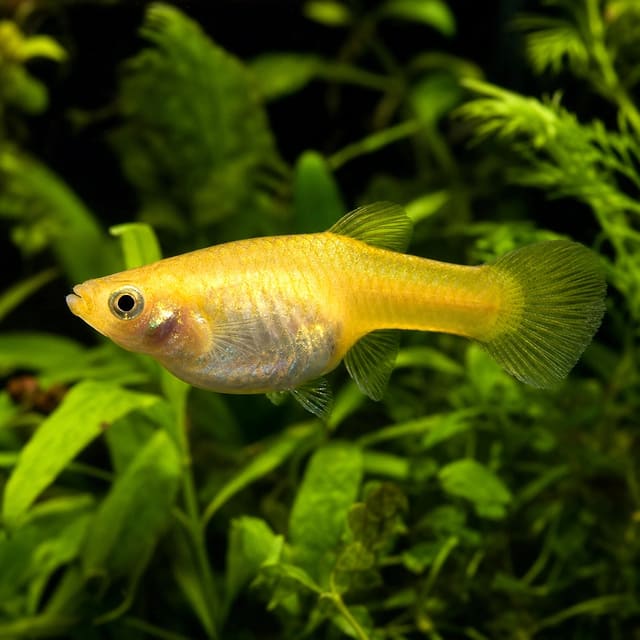
22–28°C · pH 7–8 · 41L

22–28°C · pH 7–8

22–28°C · pH 7–8 · 41L
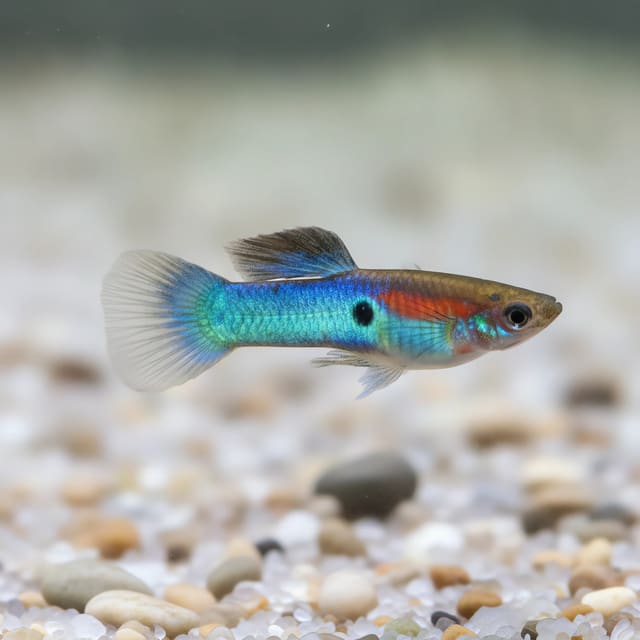
24–30°C · pH 7–8.5
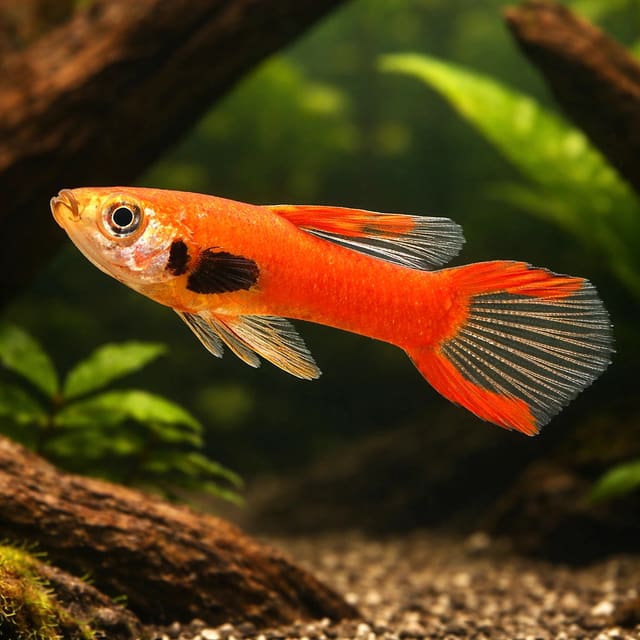
20–28°C · pH 7–8
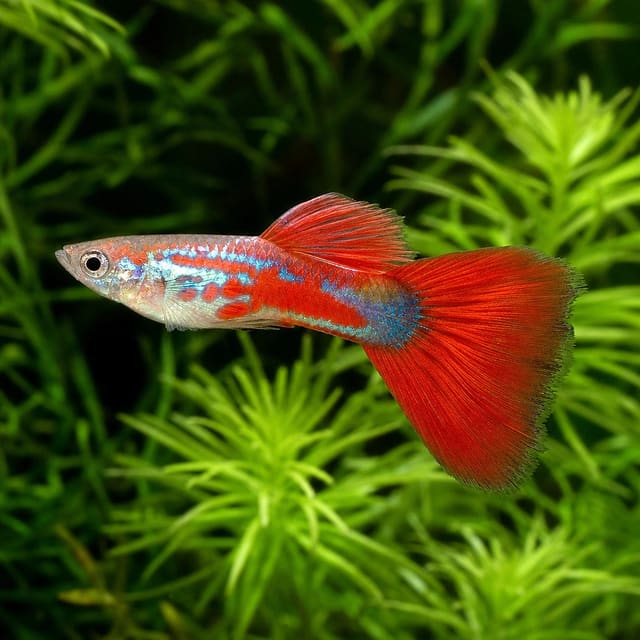
22–28°C · pH 7–8 · 41L
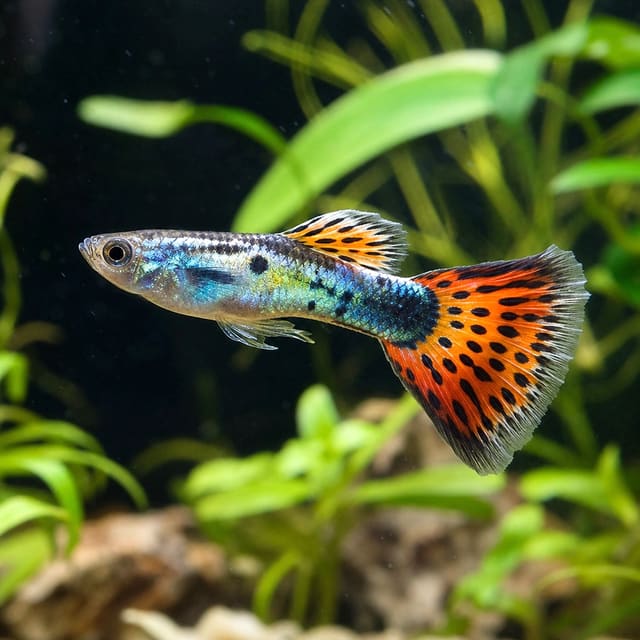
22–28°C · pH 7–8 · 41L

20–28°C · pH 7–8
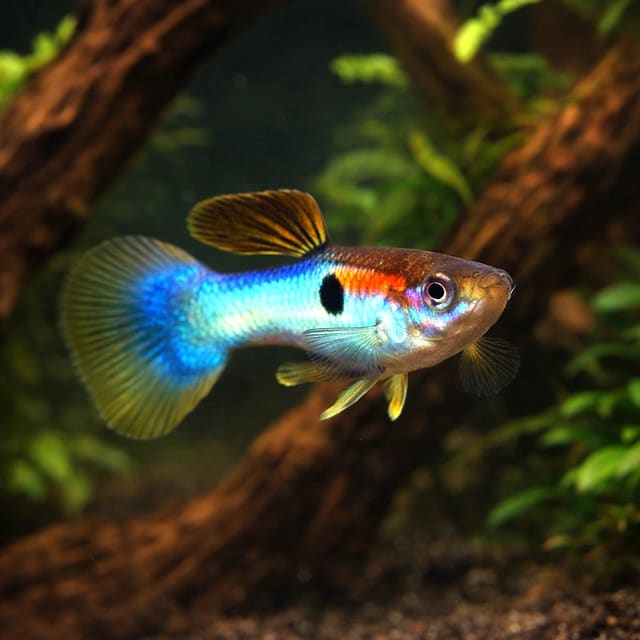
22–28°C · pH 6.8–8.5 · 40L
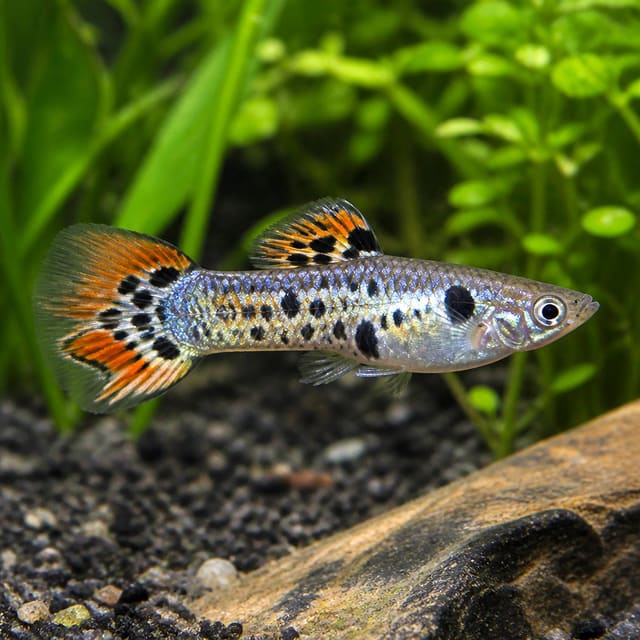
20–28°C · pH 7–8

22–28°C · pH 7–8 · 41L

21–25°C · pH 5–7
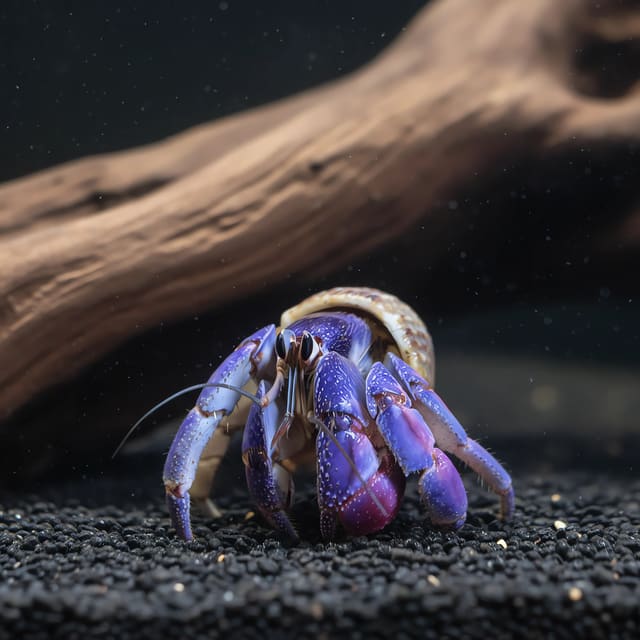
24–29°C

24–27°C · pH 6.5–6.5

22–27°C · pH 6–8 · 72L
24–27°C · pH 6.5–8 · 200L

23–27°C · pH 5.5–7 · 60L

22–27°C · pH 6–8

22–26°C · pH 6–7.8 · 75L