−12%
Moderate
African Glass Catfish (Pareutropius debauwi)
22–27°C · pH 6–8
£12.31£13.99

An active African butter catfish sold under Schilbe mystus, best planned as a large open-water catfish for long, oxygen-rich aquariums with similar-sized tank mates.
Adult size is the maximum length this species reaches at full maturity (scientific sources). The livestock you receive will be younger and smaller — pick a size above for the actual shipping size. Product-photo provenance and any image-specific limitations are stated on the listing.
Schilbe mystus
Confirm your email, then we’ll send an availability message for this exact item if it returns within 180 days.
This request is only for this product—no newsletter or other promotions. A mail-provider retry may very rarely duplicate the same availability message. Unconfirmed addresses are removed after 48 hours. See our privacy policy.
An active African butter catfish sold under Schilbe mystus, best planned as a large open-water catfish for long, oxygen-rich aquariums with similar-sized tank mates.
Adult size is the maximum length this species reaches at full maturity (scientific sources). The livestock you receive will be younger and smaller — pick a size above for the actual shipping size. Product-photo provenance and any image-specific limitations are stated on the listing.
Maintain these water conditions for optimal health and vibrant colors
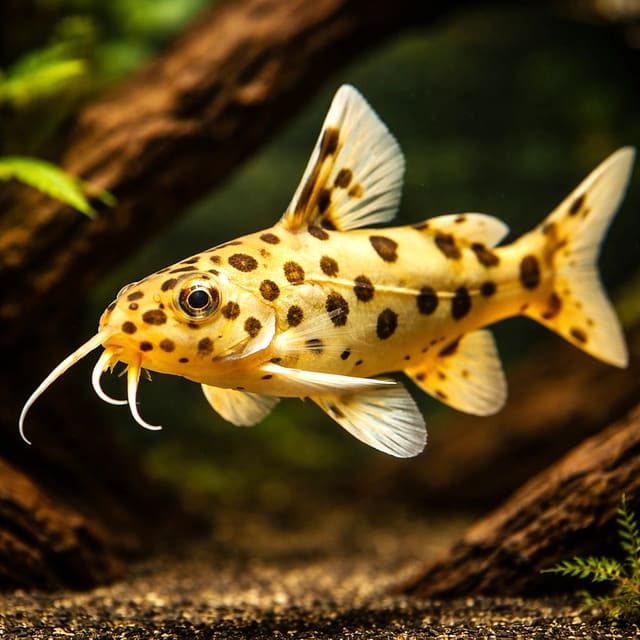
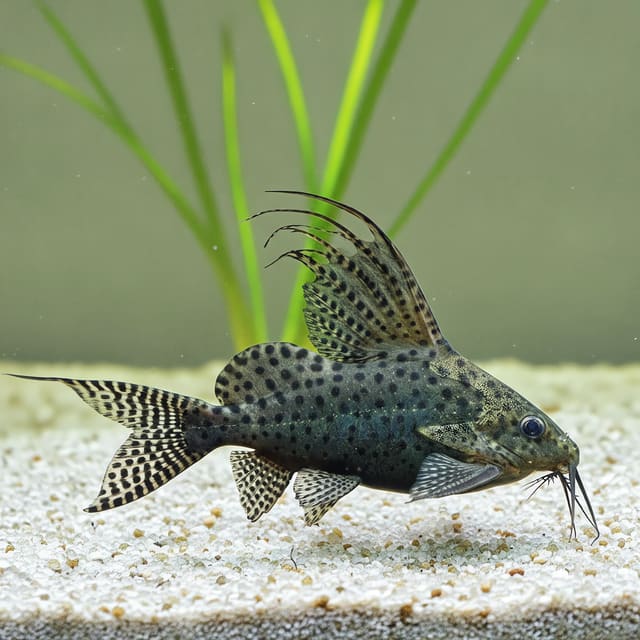
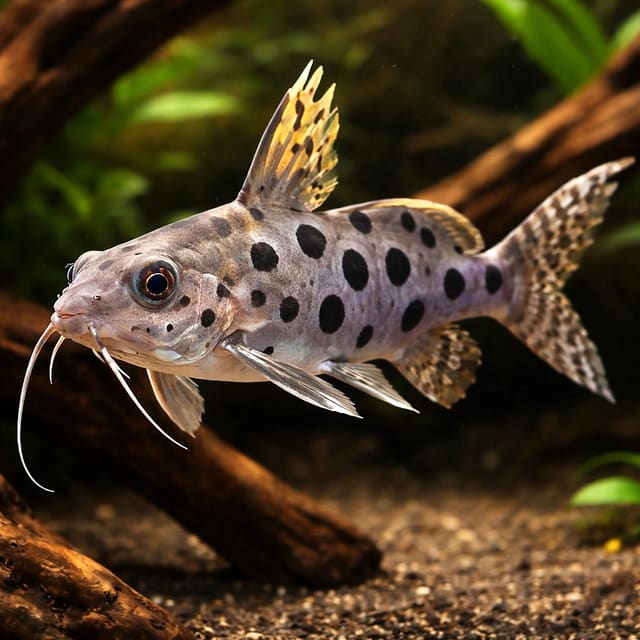
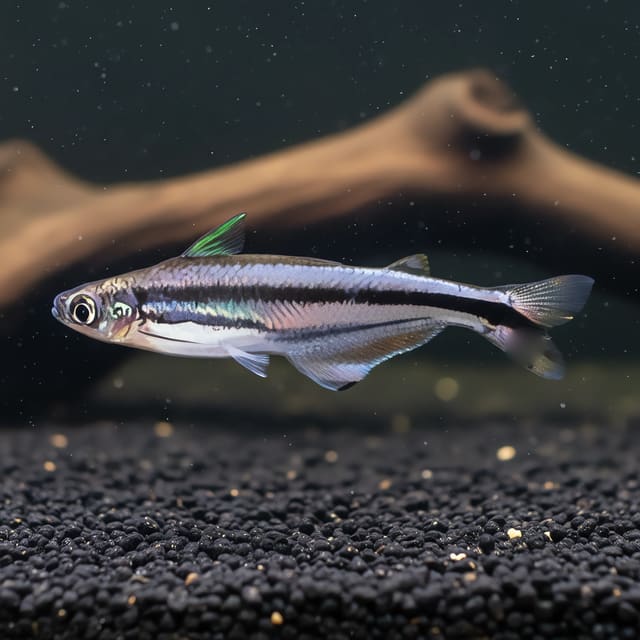
The Striped Schilbe Catfish is sold here under the trade name Schilbe mystus, the African butter catfish name many aquarists still recognise. It is not a small, shy, bottom-hiding catfish. Plan it as a fast, active, open-water African catfish that needs a long aquarium, high oxygen, clean water and tank mates too large to be swallowed. When the tank is right, it gives a display that most catfish cannot: silver movement through the middle and upper water, a long anal fin, sensitive barbels and a streamlined body built for rivers and lakes rather than caves.
There is one important identity note. Modern reference works separate part of the older aquarium and fisheries usage of Schilbe mystus into Schilbe intermedius, the silver butter catfish. Because trade labels do not always follow that split perfectly, this page keeps the supplier's customer-facing Schilbe mystus name but gives care advice conservatively for the large African butter catfish group. The practical husbandry message is the same: give it room, current, oxygen and robust companions.
| Care point | Best planning value | Why it matters |
|---|---|---|
| Trade name | Striped Schilbe Catfish, Schilbe mystus | Matches the supplier label and common aquarium-search name. |
| Taxonomy caveat | Check against Schilbe intermedius care too | Older S. mystus usage can overlap with the silver butter catfish group. |
| Adult planning size | 35 cm minimum planning size; larger fish are possible in the group | This is a long, active predator, not a nano or standard community catfish. |
| Minimum aquarium | 500 litres or larger, with a long footprint | Swimming length and oxygen are more important than decorative height. |
| Temperament | Peaceful with fish it cannot eat | It is not a fin-shredder, but it is still a predatory catfish. |
Young Striped Schilbe Catfish have the clean, elegant look that makes the group so appealing: a compressed silver-grey body, darker striping or lateral shading, a forked tail, a long anal fin and a pointed head with short sensory barbels. They swim in a very different way from plecos, Corydoras or Synodontis. Instead of settling permanently on the substrate, they move through open water and become most confident when the tank has space, flow and subdued retreats around the edges.
Expect activity to increase in low light. In nature, African butter catfish feed in mid and surface waters and often become more active at night or under dim conditions. In the aquarium, that means the fish may look calm in bright daytime light, then become much more purposeful when room lights drop or food reaches the water. Leave open lanes from end to end and use structure at the sides rather than filling the whole tank with wood and rock.
Reference accounts place Schilbe mystus in African lakes and moderate-to-large rivers, with adults using standing or slowly flowing open water and vegetated margins. The related Schilbe intermedius account is even more explicit about open-water, river-and-lake habits, shoaling tendencies, surface movement at night and use of larger water bodies. That habitat profile explains the aquarium requirements: strong biological filtration, surface movement, stable temperature, good dissolved oxygen and enough horizontal space for a fish that is built to travel.
Do not design the tank as a cramped cave display. Smooth wood, rounded stones and hardy plants are useful, but the centre of the aquarium should remain open. A secure, well-fitting lid is essential because active open-water catfish can jump when startled, especially during maintenance, netting or sudden changes in light.
| Setup area | Recommendation | Notes |
|---|---|---|
| Tank shape | Long, spacious aquarium | A long footprint supports cruising behaviour better than a tall narrow tank. |
| Filtration | Oversized external or sump filtration | Large active fish produce waste and need stable oxygen-rich water. |
| Flow | Moderate flow with strong surface agitation | Aim for clean river-style movement without blasting the fish into corners. |
| Decor | Open centre, wood and smooth stone at the edges | Gives security while keeping swimming lanes clear. |
| Lid | Tight, weighted cover | Important for active catfish and during acclimation. |
| Lighting | Moderate to subdued | Floating plants or shaded areas help nervous fish settle. |
Keep this fish in warm, stable tropical water. A practical aquarium range is 23-27C, with supplier-care tolerance around 22-28C. Aim for pH 6.5-7.8 and avoid sudden swings. Moderate hardness is usually accepted, but stability and oxygen matter more than chasing a perfect number. Use regular partial water changes, keep ammonia and nitrite at zero, and keep nitrate controlled with filtration, sensible feeding and plant support where possible.
Because this fish is active and can be predatory, water quality can decline quickly in an overstocked tank. If it is being kept with other large river fish, build the filtration around the final adult biomass rather than the current juvenile size. The small fish you receive now should be viewed as the start of a large-species plan, not as proof that the fish will stay compact.
Feed a varied, protein-rich diet. Good staples include quality sinking carnivore pellets, soft granules and occasional frozen foods such as mysis, krill, chopped prawn, bloodworm or similar meaty items sized to the fish. Many butter catfish also take food in mid-water, so observe where your fish feeds most confidently and spread food so slower tank mates are not excluded.
Avoid using feeder fish. They add disease risk, poor nutrition and unnecessary aggression cues. A prepared and frozen-food diet gives better control and keeps the fish easier to manage in a mixed aquarium. Feed juveniles modest portions once or twice daily; for larger fish, use measured meals and remove uneaten food quickly.
| Good choices | Avoid | Reason |
|---|---|---|
| Medium to large barbs, rainbowfish and robust tetras | Neon-sized fish, tiny rasboras and fry | Small fish can be eaten even by an otherwise peaceful catfish. |
| Peaceful African river fish of similar size | Very aggressive territorial cichlids | Constant bullying stops open-water fish feeding and settling. |
| Large peaceful catfish with different feeding zones | Fin-nippers and hyperactive food bullies | Stress and damaged fins reduce long-term condition. |
| Robust community fish too deep-bodied to swallow | Tiny shrimp and small crustaceans | These are likely to be treated as food. |
The safest compatibility rule is simple: peaceful does not mean harmless to bite-sized fish. Choose companions by adult size, speed, temperament and feeding style. In a big aquarium, a settled Striped Schilbe Catfish can work beautifully as a movement fish with robust, non-aggressive companions. In a small or crowded aquarium, it becomes nervous, waste-heavy and hard to feed correctly.
Dim the tank lights before release, float the sealed bag to match temperature, then acclimate gradually with small additions of tank water. Net the fish carefully and avoid chasing it around the bag. Once released, leave the aquarium quiet and covered. Offer a small meal only after the fish has had time to orient itself; many settle best after dark.
During the first week, check respiration, balance, fin condition and whether the fish is finding food. A healthy specimen should look streamlined, alert and smooth-bodied, with clear eyes and intact fins. If it hides at first, do not panic, but do check that large tank mates are not intimidating it away from open water.
This is a specialist oddball for aquarists who enjoy active African catfish and already plan larger systems. It is a poor choice for small community aquariums, nano tanks or displays full of tiny fish. It is a strong choice for a long, mature, well-filtered aquarium where the keeper wants a visible midwater catfish with real presence and has the discipline to plan around adult size rather than shop size.
Every order is packed for live-fish transport with our Live Arrival Guarantee, licensed UK live-animal courier route and careful dispatch timing. New customers can also use the first-order 10% discount where the active store promotion applies. Those trust details belong in the buying experience, but the care decision should come first: choose this fish only if you can give it the space and oxygen it deserves.
No reviews for this item yet. Bought one? Honest reviews only, good or bad.
What customers say about ordering from us
I have a small group of long finned mountain minnows. So was delighted to be able to order ten of this variety to increase the genetics in my tank . The ones I recieved are healthy but it’s to early to give a verdict on wether they are of a long finned type since they are small currently.
Gordon Walker · 23 Sept 2026
100% success travel and "installation". Pleased with quality of purchase. The Siamese fighter a bit "shy" so have not yet seen him at his best yet but looking good. Happy customer. GG
George E Garratt · 21 Sept 2026
Reviews of our shop, collected by Judge.me, an independent third-party review collector. Newest first.