Moderate
Paraguay Eartheater (Gymnogeophagus balzanii)
21–25°C · pH 6–8 · 250L
£37.99

A subtropical South American eartheater cichlid with pearl striping, sand-browsing behaviour and cooler-water care requirements.
Gymnogeophagus rhabdotus
Save when buying more.
Confirm your email, then we’ll send an availability message for this exact item if it returns within 180 days.
This request is only for this product—no newsletter or other promotions. A mail-provider retry may very rarely duplicate the same availability message. Unconfirmed addresses are removed after 48 hours. See our privacy policy.
A subtropical South American eartheater cichlid with pearl striping, sand-browsing behaviour and cooler-water care requirements.
Maintain these water conditions for optimal health and vibrant colors
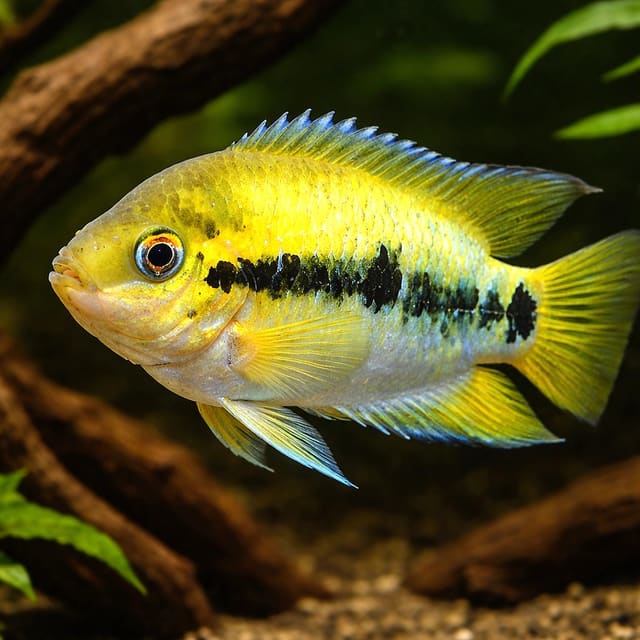
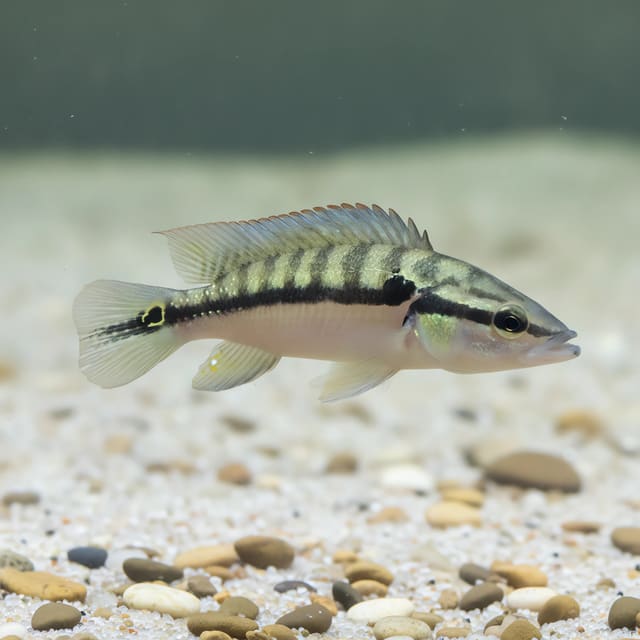
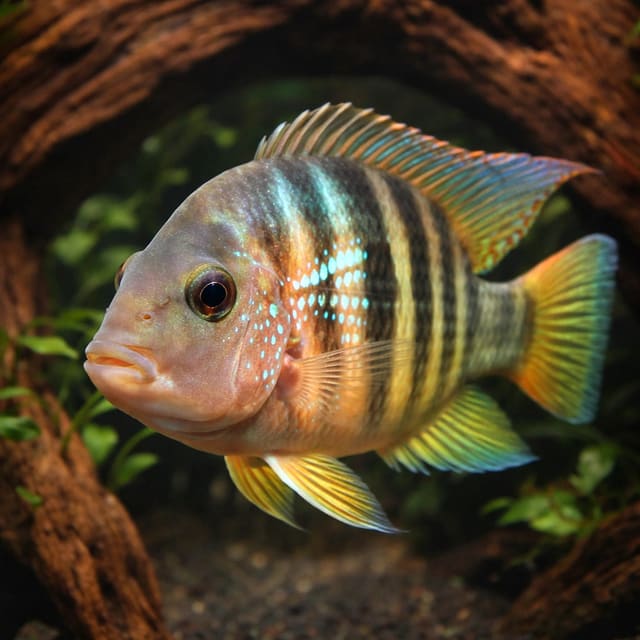
Pearl-Striped Eartheater (Gymnogeophagus rhabdotus) is a subtropical South American cichlid for aquarists who enjoy eartheater behaviour but do not want a generic warm-water community fish. It is a sand-browsing, bottom-aware cichlid with attractive pearl-like spotting, fine striping and a calmer style than many larger Central American species. The fish sold here includes size options from 4-5 cm through larger variants, but care should be planned around an adult fish of about 12 cm rather than the juvenile sale size.
This listing needed more than a short SEO summary because Gymnogeophagus care is easy to misrepresent. These fish come from southern South American waters where cooler seasonal conditions matter. They do best in mature aquariums with clean water, fine sand, open floor space and tank mates that can live comfortably in the same subtropical range.
| Care point | Recommendation |
|---|---|
| Adult size | Plan for about 12 cm |
| Current listing sizes | 4-5 cm, 5-6 cm, 7-9 cm and XL options may be available as variants |
| Minimum aquarium | 180 litres for a pair or small group; 250 litres or more for mixed cichlid layouts |
| Temperature | 20-25 C for normal care, avoiding permanently high tropical heat |
| pH and hardness | Stable freshwater around pH 6.5-7.8, soft to moderately hard |
| Temperament | Generally manageable, but territorial when pairing or breeding |
| Diet | Omnivore; small sinking foods, frozen foods and some vegetable or spirulina content |
| Care level | Moderate to specialist because of subtropical planning |
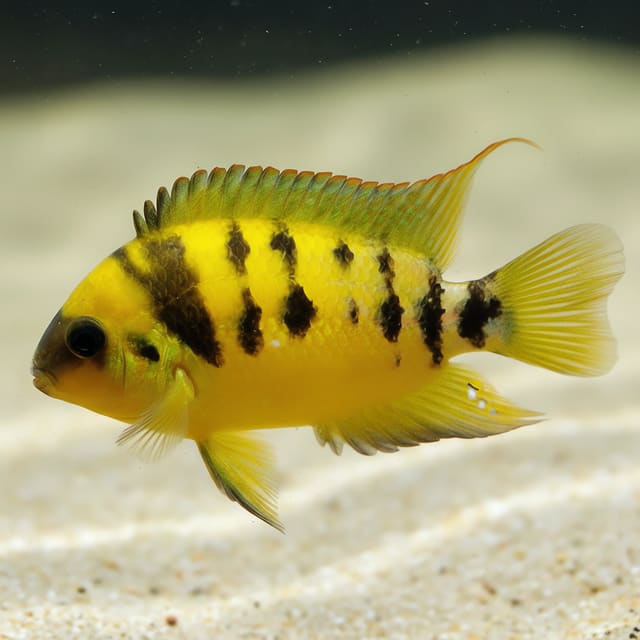
Pearl-Striped Eartheaters have a compact cichlid body with a warm gold to olive base colour, fine pearly spotting, blue-green facial markings and patterned fins. Mature fish can show richer colour when settled, especially over a darker substrate or against natural wood and stone. The black flank spot and fine barring give the fish a distinctive shape without making it look artificial or overbred.
Young fish can look modest at first. The best colour usually comes from stable water, a low-stress group and a natural diet rather than intense lighting. Because this species spends so much time near the substrate, the most attractive display is usually a wide sand area with open foreground space, not a crowded tank full of sharp decor.
Gymnogeophagus rhabdotus is associated with southern South American drainages, including Uruguay and southern Brazil systems connected with the Patos-Merin region. Many Gymnogeophagus species are adapted to cooler seasonal conditions than the tropical fish most aquarists keep. That background is the reason this fish should not be pushed into a permanently hot aquarium with species that need upper-20s temperatures year-round.
In the wild, these fish use the lower and middle areas of the water column, browsing over sand, fine gravel, margins and structured areas. In the aquarium, the goal is not to copy every detail of a riverbank, but to provide the same useful ingredients: mature filtration, fine substrate, open feeding space, visual boundaries and water that stays clean and stable.
Use fine sand or very smooth fine gravel so the fish can browse naturally without damaging the mouth or gill area. Add driftwood, rounded stones, caves or robust attached plants to create boundaries, but leave a generous open floor area. A mature pair or group needs room to avoid each other when territories form, so footprint matters more than height.
Filtration should be steady and reliable without blasting the fish around the tank. Keep nitrate under control with regular water changes, vacuum light debris from the sand surface and avoid heavy overfeeding. A 180 litre aquarium can work for a carefully planned pair or small group, while 250 litres or more is the better direction if you want a mixed South American cichlid display.
A temperature range of 20-25 C is a sensible target for long-term care. Short warmer periods are not automatically disastrous, but constant high heat is not the right plan for this species. If your aquarium is designed around discus, rams or other warm-water species, choose a different cichlid.
Keep pH roughly neutral to slightly acidic or mildly alkaline, around 6.5-7.8, with soft to moderately hard water. Exact numbers matter less than stability. Avoid sudden swings, immature filters and rushed introductions. Cooler-water cichlids still need excellent oxygenation and clean conditions.
This is an omnivorous eartheater-style cichlid. Offer small sinking cichlid pellets or granules as the staple, then rotate frozen foods such as bloodworm, brine shrimp, daphnia and mysis. Add some vegetable or spirulina-based foods to keep the diet broad. Several modest feeds are better than one heavy meal, especially while fish are settling.
Because the fish feeds near the substrate, uneaten food can disappear into the sand. Feed carefully, watch that each fish gets a share and remove leftovers during maintenance. A varied diet supports colour, condition and more natural browsing behaviour.
Pearl-Striped Eartheaters are not tiny community fish, but they are usually more manageable than large aggressive cichlids. They can be kept as a pair, a small group or in a carefully chosen subtropical community. During pair formation and breeding, expect territorial displays, chasing and defence of a chosen area.
Good tank mates are calm, similarly sized fish that tolerate cooler water and do not compete aggressively on the bottom. Robust midwater species are often better companions than other territorial bottom dwellers. Avoid tiny fish, dwarf shrimp, fin nippers, very timid species and aggressive Central American cichlids. Also avoid mixing them with fish that require permanently high temperatures.
Gymnogeophagus rhabdotus is commonly described as a substrate-spawning Gymnogeophagus. A compatible pair may clean a site, display and guard a territory. Breeding behaviour can increase aggression, so provide space, cover and a backup plan if one fish is being pressured.
Fry care is best attempted only when you have spare grow-out space and can feed small foods frequently without damaging water quality. Most keepers buy this species for its display behaviour and subtropical character rather than as an easy production fish.
Choose the size variant that suits your existing stock. Smaller fish are useful for growing groups, while larger variants give a more immediate display. Before ordering, check that the aquarium is mature, sand-based, properly covered and suitable for cooler South American cichlid care.
At Tropical Fish Co, this listing now gives the real care context up front: adult size, sand, cooler temperatures, compatibility limits and the difference between a juvenile purchase size and long-term housing. If you want an elegant, behaviour-rich South American cichlid and can offer the right subtropical setup, Pearl-Striped Eartheater is a rewarding choice.
No reviews for this item yet. Bought one? Honest reviews only, good or bad.
What customers say about ordering from us
I have a small group of long finned mountain minnows. So was delighted to be able to order ten of this variety to increase the genetics in my tank . The ones I recieved are healthy but it’s to early to give a verdict on wether they are of a long finned type since they are small currently.
Gordon Walker · 23 Sept 2026
100% success travel and "installation". Pleased with quality of purchase. The Siamese fighter a bit "shy" so have not yet seen him at his best yet but looking good. Happy customer. GG
George E Garratt · 21 Sept 2026
Reviews of our shop, collected by Judge.me, an independent third-party review collector. Newest first.