Moderate
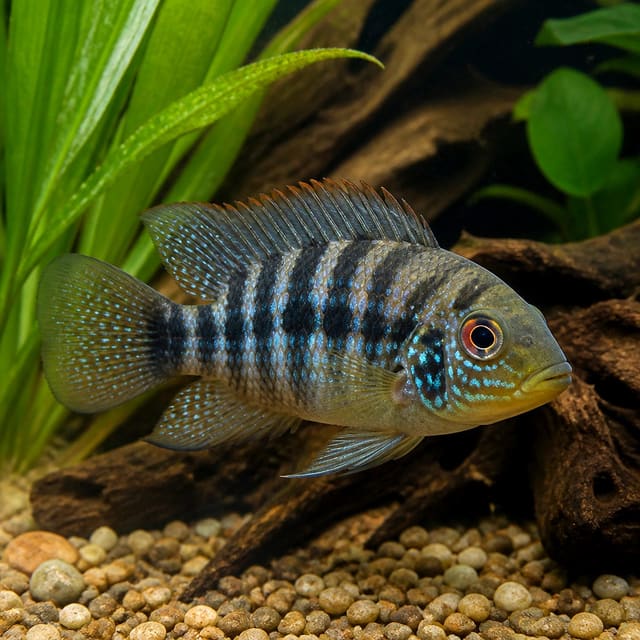
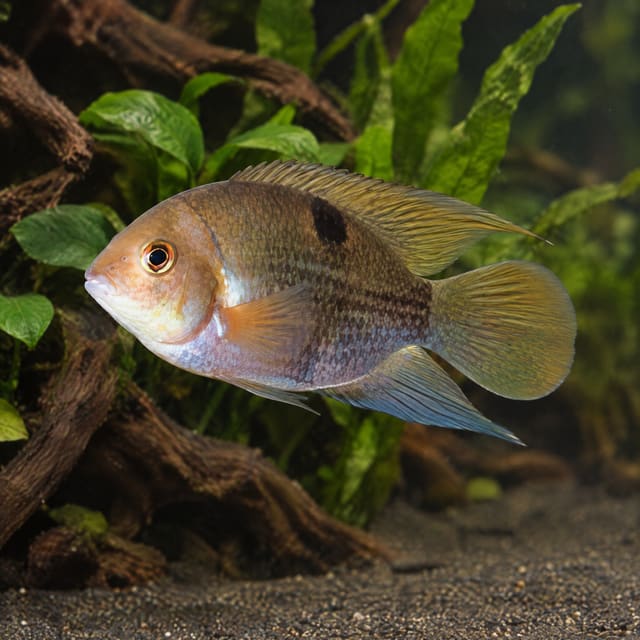
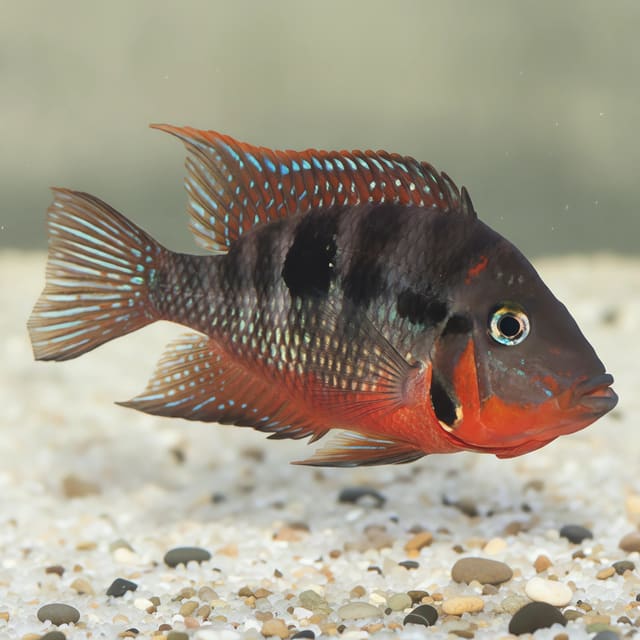
Firemouth Cichlid (Thorichthys meeki)
20–32°C · pH 6.5–8.5 · 108L
£4.99

Paraguay Eartheater (Gymnogeophagus balzanii) is a subtropical South American cichlid for spacious sand-based aquariums with seasonal cooler care.
Gymnogeophagus balzanii
Paraguay Eartheater (Gymnogeophagus balzanii) is a subtropical South American cichlid for spacious sand-based aquariums with seasonal cooler care.
Maintain these water conditions for optimal health and vibrant colors
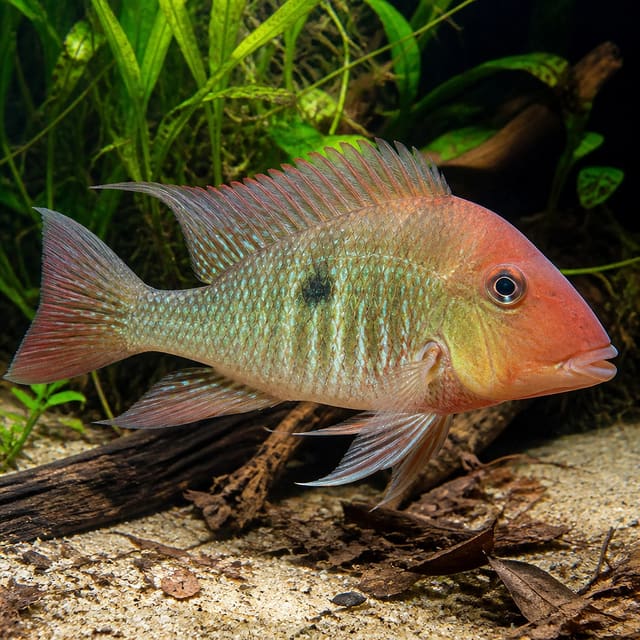
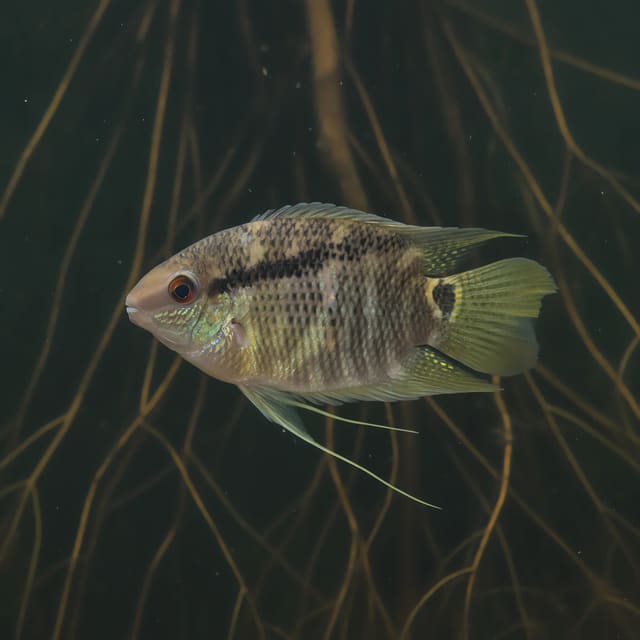
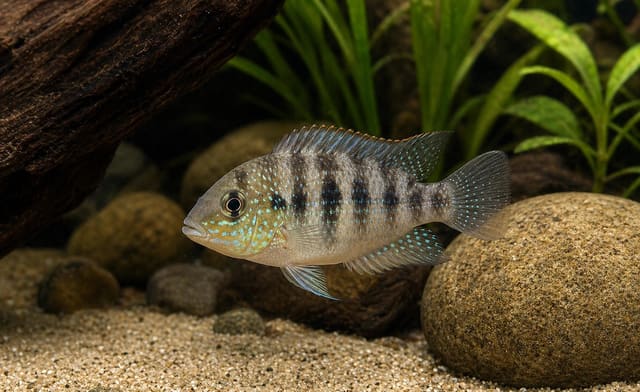
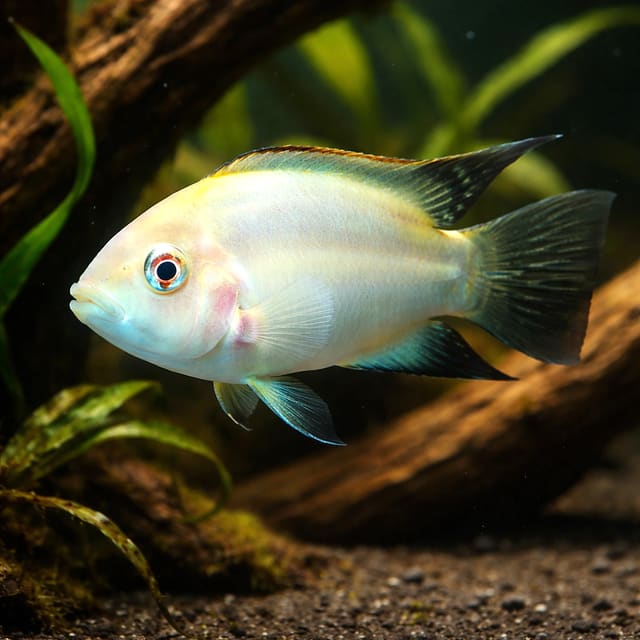
Paraguay Eartheater (Gymnogeophagus balzanii) is a distinctive South American cichlid for aquarists who can offer a spacious, sand-based aquarium and cooler seasonal care. It is also known as the Argentine Humphead or Paraguay Mouthbrooder, names that point to the mature male's impressive head profile and the species' unusual breeding behaviour.
This is not a generic warm-water cichlid. Gymnogeophagus balzanii comes from the Parana, Paraguay and lower Uruguay drainage systems of South America, where seasonal temperature changes matter. Kept correctly, it becomes a rewarding display fish: deliberate, characterful, constantly investigating the substrate.
| Common names | Paraguay Eartheater, Argentine Humphead, Paraguay Mouthbrooder, Balzanii Eartheater |
|---|---|
| Scientific name | Gymnogeophagus balzanii |
| Current variants | 4-5 cm, 5-6 cm, 7-9 cm and XL; check the selector for availability |
| Adult size | Often around 12-18 cm in aquariums; FishBase records up to 20 cm total length |
| Minimum aquarium | 250 litres as a sensible starting point; larger is better for groups or mixed cichlid tanks |
| Temperature | Everyday care around 21-25 C, with a cooler seasonal rest around 16-18 C where possible |
| pH and hardness | Adaptable, stable freshwater around pH 6.0-8.0 and 5-19 dH |
| Temperament | Peaceful to semi-aggressive; males become territorial, especially when breeding |
| Diet | Small sinking pellets, quality cichlid foods, frozen foods and some vegetable matter |
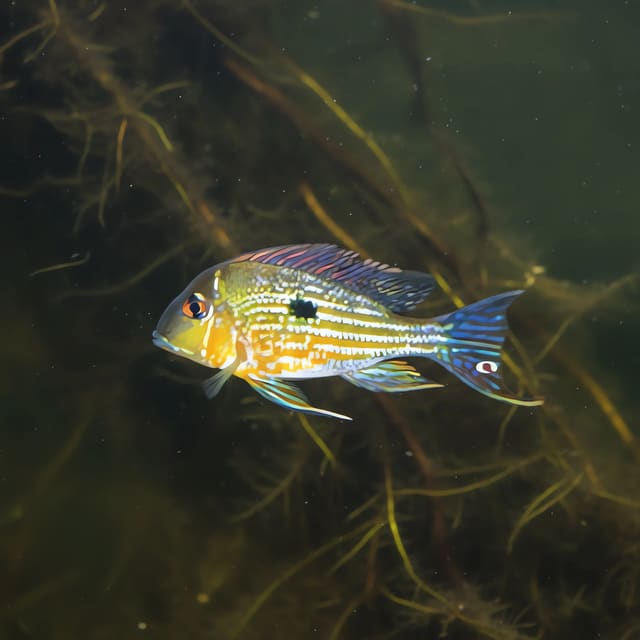
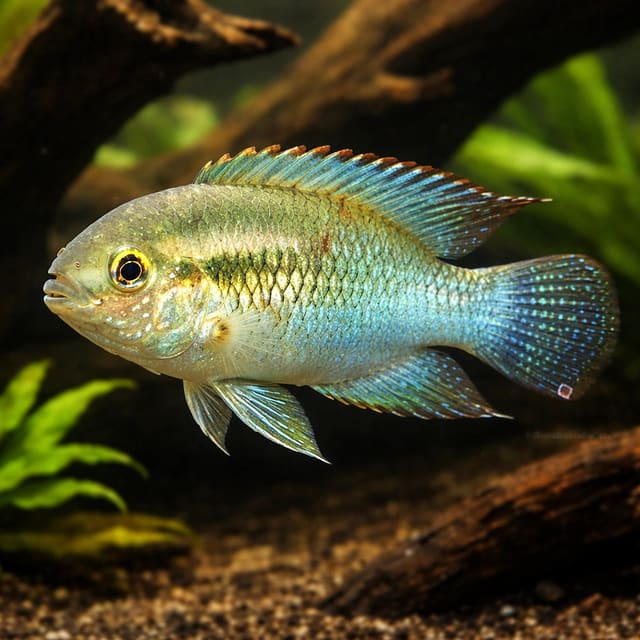
The attraction of the Paraguay Eartheater is in its behaviour as much as its colour. It spends much of the day browsing sand, picking through fine particles and moving with the steady confidence of a larger New World cichlid. Mature males can develop a high nuchal hump, extended fins and blue-green spotting across the cheeks and flanks. Females are usually smaller and more subtle, but still show the body shape and earthy barring that make the species easy to recognise.
The name eartheater can be misleading if it makes the fish sound destructive. This species is best kept on soft sand because it naturally investigates the bottom. It may move substrate and disturb delicate planting, but in a well-planned aquarium it is not a chaotic tank wrecker. Give it a wide open sand area, wood, rounded stones, caves and sturdy attached plants such as Anubias or Java fern. Avoid sharp gravel because these fish feed and sift close to the substrate.
The most important husbandry point is temperature. Many South American cichlids are sold as tropical community fish, but Gymnogeophagus balzanii is a subtropical species. It does well at cooler temperatures than discus, angelfish or many warm-water dwarf cichlids. Long-term care in constantly hot aquariums is not ideal.
For everyday maintenance, aim for stable, clean water in the low-to-mid 20s C. Experienced keepers often provide a cooler winter period of roughly three months, dropping the aquarium to around 16-18 C if the tank room and tank mates allow it. This seasonal rest is widely recommended for Gymnogeophagus longevity and condition. If your aquarium is permanently heated to the upper 20s C, choose a different cichlid.
Plan the aquarium around floor space rather than height. A 4 ft footprint is a good practical starting point for juveniles, while adult groups deserve more room. Use sand, smooth stones, driftwood, leaf litter if you like a natural look, and open areas where the fish can browse. Build cover so weaker fish can leave the line of sight of a dominant male.
Filtration should be efficient but not violent. The species is sensitive to poor water quality, so keep nitrate controlled with regular maintenance and avoid overfeeding. It can handle a broad pH range, but sudden changes are more harmful than being slightly outside a textbook number. Stability, oxygen and clean substrate matter more than chasing a perfect reading.
Choose companions for the same subtropical conditions. Good options can include robust, similar-sized peaceful fish that use the upper water, suitable South American catfish, or carefully selected cichlids that will not harass or overheat the Gymnogeophagus. Avoid tiny fish, dwarf shrimp, fin nippers and aggressive Central American cichlids. Also avoid tank mates that need warm water all year, because their needs conflict with the seasonal care this species benefits from.
Single specimens, compatible pairs, or one male with several females can all work, depending on aquarium size. Adult males may show territorial pressure, particularly around breeding. If keeping a group, give each fish room, visual barriers and multiple feeding areas.
Feed smaller foods than the adult size might suggest. Use sinking cichlid pellets or granules as the staple, then rotate frozen bloodworm, brine shrimp, mysis, daphnia and occasional vegetable or spirulina-based foods. Several modest feeds are better than one heavy meal, especially with juveniles.
Because they sift and pick at the bottom, leftover food can disappear into the substrate. Feed carefully and clean the sand surface during maintenance. Good water quality brings out better colour, more confident behaviour and stronger long-term condition.
After delivery, keep the lights low and allow the fish to settle before feeding. Juveniles may be shy at first, especially in bright bare aquariums, but they usually become confident once they learn the layout and feeding routine. Do not move them into a brand-new tank: a mature filter, stable temperature and clean sand are much more important than decorative perfection.
If you are mixing sizes, add the smaller fish only where there is enough cover and feeding space. Watch the first week carefully for one fish being excluded. Rearranging a piece of wood or stone can break a territory and reduce pressure without needing to strip the whole aquarium.
Gymnogeophagus balzanii is a delayed maternal mouthbrooder. Pairs display with circling, fin-flaring and close attention to a prepared site. The female tends the eggs first, then takes the developing young into her mouth after hatching. Breeding is possible in aquariums, but it should not be the reason to buy this fish unless you can manage extra space and fry care.
Choose the size variant that suits your aquarium and existing fish. Smaller fish settle well into growing groups, while larger examples give a more immediate display. Read the delivery and live-arrival information before ordering, and arrange for someone to receive the parcel.
If you want a cichlid with genuine behaviour, seasonal care requirements and a striking adult profile, the Paraguay Eartheater is an excellent choice. It rewards the keeper who prepares the right aquarium rather than the keeper looking for an easy impulse buy.
For comparison, read about Demon Eartheater and Red Head Tapajos Eartheater. Their care needs must be assessed separately; an eartheater name does not establish suitability for the cooler seasonal conditions described here.
No reviews for this item yet. Bought one? Honest reviews only, good or bad.
What customers say about ordering from us
I have a small group of long finned mountain minnows. So was delighted to be able to order ten of this variety to increase the genetics in my tank . The ones I recieved are healthy but it’s to early to give a verdict on wether they are of a long finned type since they are small currently.
Gordon Walker · 23 Sept 2026
100% success travel and "installation". Pleased with quality of purchase. The Siamese fighter a bit "shy" so have not yet seen him at his best yet but looking good. Happy customer. GG
George E Garratt · 21 Sept 2026
Reviews of our shop, collected by Judge.me, an independent third-party review collector. Newest first.