Moderate
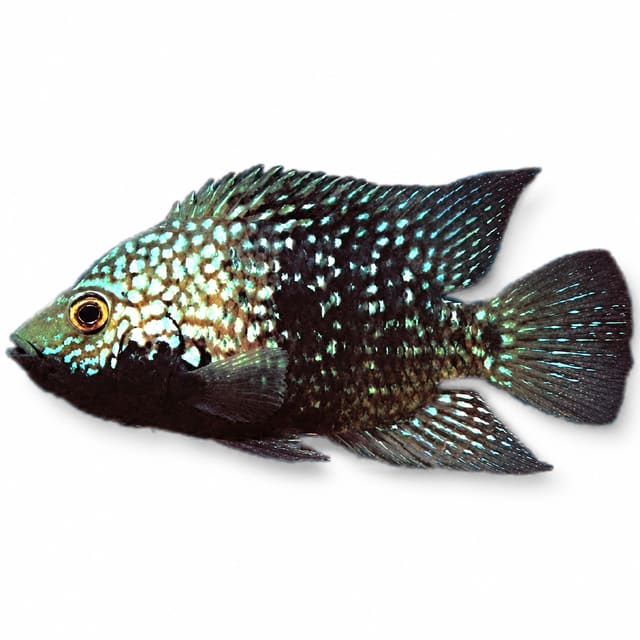
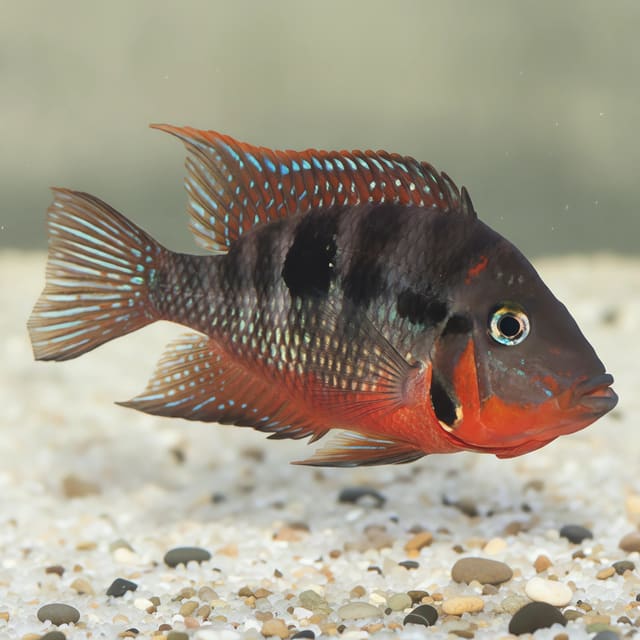
Firemouth Cichlid (Thorichthys meeki)
20–32°C · pH 6.5–8.5 · 108L
£5.39

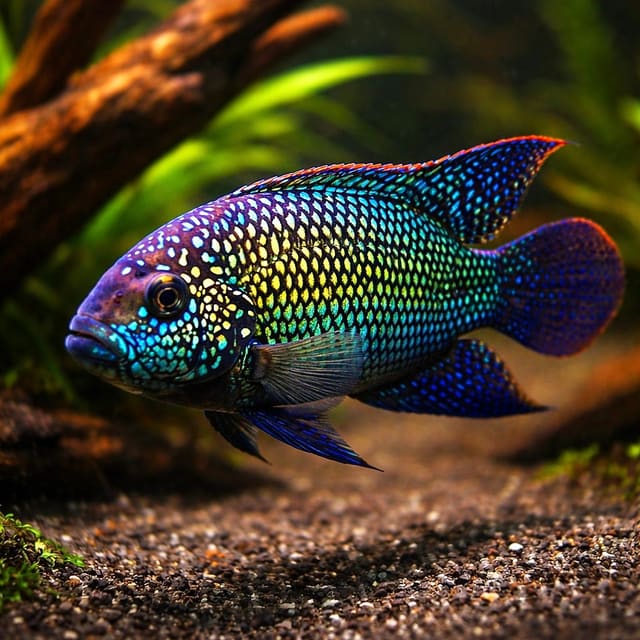
Peaceful green-form Red Breasted Cichlid (Laetacara dorsigerus), a 6.5cm dwarf for 80L+ community tanks. 20-25C, pH 6.0-7.0.
Adult size is the maximum length this species reaches at full maturity (scientific sources). The livestock you receive will be younger and smaller — pick a size above for the actual shipping size. Product-photo provenance and any image-specific limitations are stated on the listing.
Laetacara dorsigera
Save when buying multiple fish. Each quantity is one fish; sex and pair formation are not guaranteed unless the selected variant explicitly states them.
Confirm your email, then we’ll send an availability message for this exact item if it returns within 180 days.
This request is only for this product—no newsletter or other promotions. A mail-provider retry may very rarely duplicate the same availability message. Unconfirmed addresses are removed after 48 hours. See our privacy policy.
Peaceful green-form Red Breasted Cichlid (Laetacara dorsigerus), a 6.5cm dwarf for 80L+ community tanks. 20-25C, pH 6.0-7.0.
Adult size is the maximum length this species reaches at full maturity (scientific sources). The livestock you receive will be younger and smaller — pick a size above for the actual shipping size. Product-photo provenance and any image-specific limitations are stated on the listing.

Cichlids are a family of roughly 1,800 accepted species, not one care type. Before buying, identify the exact species and source, then compare adult measurement, usable tank dimensions, social system, territory, tested water, diet and an exit plan. No family-wide minimum tank, water range or tank-mate list is safe.
Maintain these water conditions for optimal health and vibrant colors
Genuinely peaceful cichlids are rarer than the label suggests, but the green form of the Red Breasted Cichlid (Laetacara dorsigerus) earns it. At just 6.5 cm full-grown, with the red-flushed breast and green body the strain name describes, it slots into community tanks that would never suit a typical cichlid — our compatibility record even lists snails as safe company, which says a lot about its manners.
This is a bottom-oriented dwarf that does well in cooler-than-average water for a tropical fish: 20–25 °C, with softly acidic to neutral chemistry of pH 6.0–7.0 and hardness up to 15 dGH. An 80-litre aquarium is sufficient, feeding is simple omnivore fare, and care sits at moderate — the recorded lifespan is around five years. Because it lives low in the tank, it occupies a layer most small community fish leave empty, adding interest at the substrate without competing for mid-water space.
There is a practical scheduling benefit hidden in those numbers too. At 20–25 °C this Laetacara runs cooler than much of our tropical range, so a heater set for it will feel low to keepers used to warmer community fish — check that the rest of your stock list shares the band before mixing. Beyond that, the record asks for nothing exotic: standard omnivore feeding, ordinary maintenance, and a five-year window in which a settled fish will repay the small amount of planning involved.
Ideal neighbours are small peaceful tetras, rasboras, Corydoras, Otocinclus, peaceful livebearers and snails. Keep it away from large aggressive cichlids, fin-nipping barbs, very small fry, anything overly boisterous or territorial, and large predatory fish.
For keepers wanting their first cichlid without rebuilding the tank around it, this green Laetacara is about as low-risk as the family gets. Dispatch is UK-wide by licensed live-animal courier, with a live arrival guarantee on every box. Pair the order with compatible community fish from the recorded list above and the whole tank settles in faster.
Independently collected by Judge.me from customers who bought this item. All reviews are shown.
fish arrived and were in very good health after two days in my tank all the fish i received settled down and started to explore there new surroundings they swam along the full length of the tank for two days then settled in there part of the tank they were happy in, the tank is very large at 300 gallons and fully land scaped and is densely planted which probably is the reason they took a while to feal at ease. they have groan quickly since i have had them and are doing very well
Reply from Tropical Fish Co
<p>Thank you George, that's a genuinely useful account. A fully landscaped, densely planted 300 gallon is an enormous amount of world for a new fish to work out, and two days of exploring before they picked a spot is exactly what you want to see - Laetacara are naturally shy and fish that bolt straight into the open usually aren't confident, they're stressed. Sounds like they've landed somewhere they'll do very well. - Tropical Fish Co</p>