Advanced
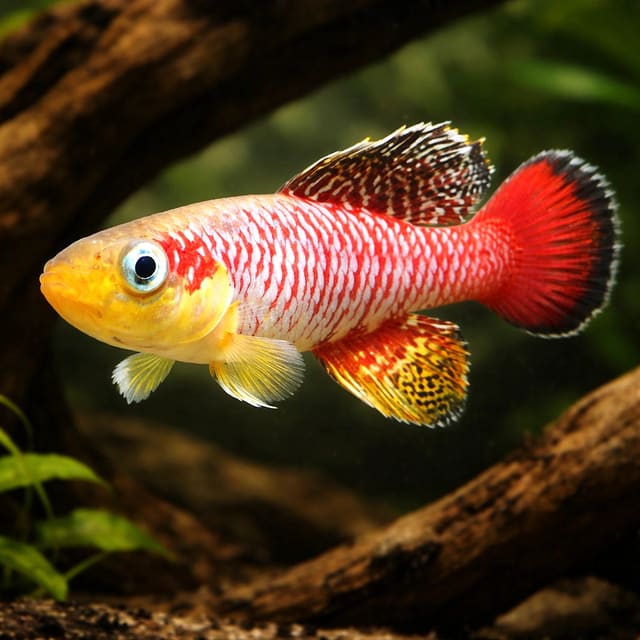
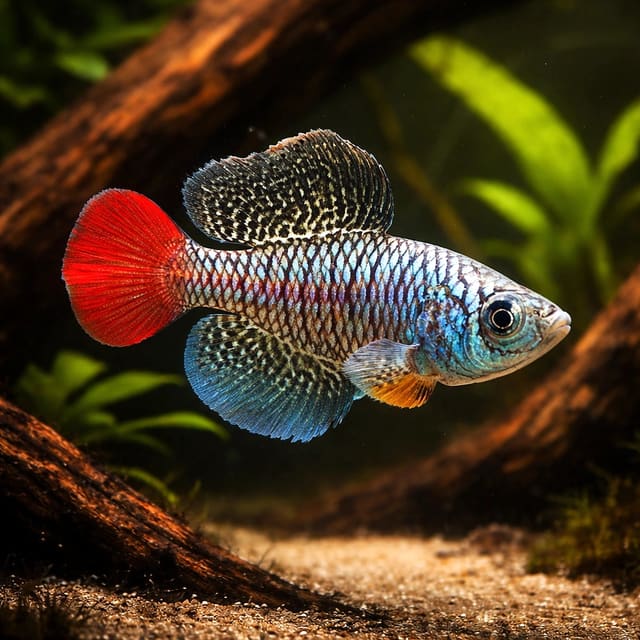
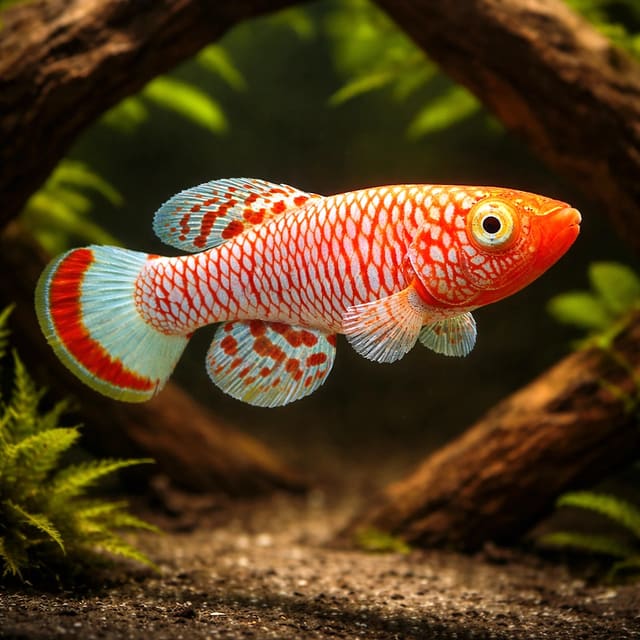
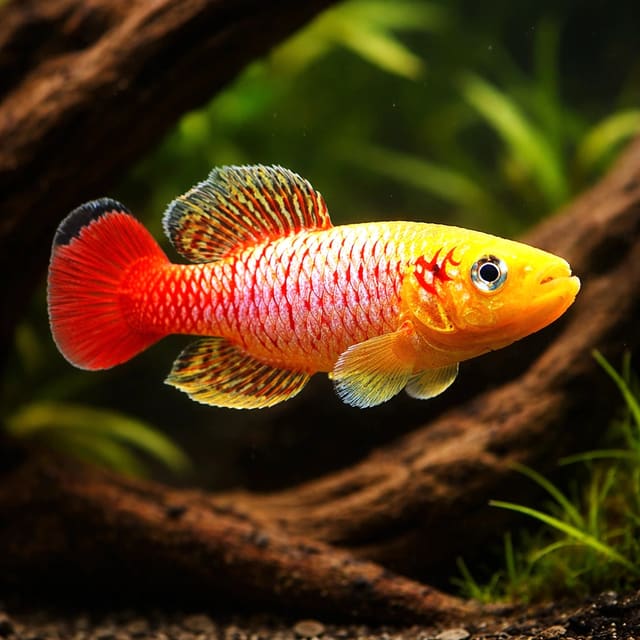
Gunther's Zanzibar Gold Nothobranch (Nothobranchius guentheri)
22–25°C · pH 6–7
£10.99

Marbled Rivulus, often traded as Rivulus marmoratus, is a specialist killifish for mature, tightly covered aquariums with calm water, cover and careful acclimation.
Kryptolebias marmoratus
Save when buying multiple fish. Each quantity is one fish; sex and pair formation are not guaranteed unless the selected variant explicitly states them.
Confirm your email, then we’ll send an availability message for this exact item if it returns within 180 days.
This request is only for this product—no newsletter or other promotions. A mail-provider retry may very rarely duplicate the same availability message. Unconfirmed addresses are removed after 48 hours. See our privacy policy.
Marbled Rivulus, often traded as Rivulus marmoratus, is a specialist killifish for mature, tightly covered aquariums with calm water, cover and careful acclimation.
Maintain these water conditions for optimal health and vibrant colors
Marbled Rivulus (Kryptolebias marmoratus) is the accepted scientific name for the fish still widely traded as Rivulus marmoratus. It is also known as the Mangrove Rivulus, and it is one of the most unusual killifish offered to experienced freshwater and low-end brackish keepers. This listing is for the 3-4 cm stock attached to SKU 3174, with the real source image and existing aquarium visuals kept together so the page remains useful for both choosing and caring for the fish.
This is not a generic community filler fish. In nature, Marbled Rivulus lives around mangrove margins, shallow ditches, salt-marsh pools, crab burrows, damp leaf litter and decaying wood. That background matters in the aquarium: it is a small, hardy, secretive fish that values cover, a secure lid, gentle flow and stability more than bright open water. It can be maintained in freshwater when the stock is already acclimated that way, but it is naturally associated with both freshwater and brackish conditions, so sudden changes in salinity or chemistry should be avoided.
| Common name | Marbled Rivulus, Mangrove Rivulus |
|---|---|
| Accepted scientific name | Kryptolebias marmoratus |
| Trade synonym | Rivulus marmoratus |
| Current supplied size | Approx. 3-4 cm |
| Adult size planning | Commonly around 6 cm, with records to about 7.5 cm |
| Temperature guide | 18-24 C, kept stable |
| Water style | Freshwater to lightly brackish, depending on acclimation history |
| Temperament | Quiet, predatory toward tiny foods, best in a specialist or very calm setup |
Marbled Rivulus are slender, surface-aware killifish with a mottled, speckled pattern that can look golden, brown, olive or greenish depending on lighting, mood and stock line. The name "marbled" is a good description: the fish is not just one flat colour, and the markings become easier to appreciate when it is settled in a shaded planted tank. They often move with short, deliberate bursts rather than constant open-water schooling.
One important behavioural point is their relationship with the surface and the margins of the aquarium. This species is known for using extremely shallow, sheltered habitats in the wild and can even survive periods away from open water in damp refuges. In a home aquarium that means two practical things: provide cover right up to the surface, and use a tight, gap-free lid. Do not leave cable holes, feeding flaps or back corners open.
A mature, species-focused aquarium is the best starting point. Use a secure cover, gentle filtration, floating plants, fine-leaved plants, driftwood, leaf litter and shaded resting places. A sponge filter or baffled filter outlet is ideal because this fish does not need a fast current. It should be able to retreat from bright light and from other fish at any time.
For a single pair or small group, choose a tank with more footprint and cover than the fish appears to need. The species is small, but it uses hiding places, surface structure and boundary spaces. A bare holding tank may keep it alive, but it will not show the best behaviour. A calm layout with subdued light usually makes feeding response and colour much better.
| Tank maturity | Fully cycled and stable before livestock is added |
|---|---|
| Filtration | Gentle biological filtration; avoid turbulent flow |
| Cover | Floating plants, stems, wood, leaves and shaded edges |
| Lid | Essential; this species can jump or leave the water when stressed |
| Lighting | Subdued to moderate, with shaded retreats |
FishBase lists the species from freshwater and brackish environments, with a tropical temperature range around 18-24 C and hardness recorded up to 16 dH. For aquarium use, stability matters more than chasing a dramatic number. Keep ammonia and nitrite at zero, nitrate controlled, and avoid sudden temperature, pH or salinity swings.
If your aquarium is freshwater, acclimate slowly and confirm that the fish are already coming from freshwater holding conditions. If you keep a specialist low-end brackish setup, match changes gradually and avoid moving the fish between very different conditions. Marbled Rivulus is tolerant in the biological sense, but tolerance is not a reason to shock newly arrived livestock.
This is a small predator and opportunist rather than a strict flake-only community fish. Offer small, high-quality foods that match its mouth size: fine frozen foods, small live foods, chopped bloodworm where appropriate, mosquito larvae, daphnia, brine shrimp and good small granules. Feed modest portions and remove excess food because quiet killifish setups can be spoiled quickly by overfeeding.
Watch each fish feed. A nervous Marbled Rivulus may wait until dominant tank mates have finished, which is one reason calm companions are important. Small meals, varied food and low competition are better than large portions dropped into a busy aquarium.
The safest recommendation is a species tank or a very peaceful, carefully chosen community. Avoid large fish, fin nippers, fast mid-water feeders and any tank mate likely to treat a slender killifish as food. Tiny fry and very small shrimp may be eaten. This fish is interesting because of its behaviour and biology, not because it dominates a busy mixed tank.
| Best match | Species setup or calm specialist aquarium |
|---|---|
| Possible companions | Small peaceful fish with similar water needs and low feeding pressure |
| Avoid | Large predators, aggressive fish, strong-current species and boisterous feeders |
| Shrimp and fry | Not safe with very small livestock that can fit in the mouth |
Marbled Rivulus is famous because many individuals are self-fertilising hermaphrodites, while males can also occur under some conditions. That makes the species scientifically remarkable, but it should not be treated as a simple production fish. The priority in the home aquarium is still correct holding: stable water, small foods, privacy, clean spawning areas and low stress. Eggs and young are vulnerable, so breeding attempts need a planned setup rather than a crowded display tank.
Prepare the aquarium before the fish arrives. Keep lights low during introduction, float the bag to equalise temperature, then acclimate gradually with small additions of tank water. Because this species can come from variable freshwater or brackish backgrounds, slow acclimation is especially important. Do not feed heavily on the first day; give the fish time to settle and check breathing, posture and response to cover.
Ongoing health is mostly about consistency: clean water, quiet tank mates, secure cover, a tight lid and varied food. Sudden parameter changes, open lids and rough handling are bigger risks than the species' reputation for tolerance might suggest.
Choose Marbled Rivulus if you enjoy specialist killifish, unusual natural history and quiet observation. It suits keepers who can provide a mature, covered aquarium and who are comfortable checking water conditions and acclimation details carefully. If you want a bright, active shoal for a busy community tank, another species will be a better match. If you want a distinctive killifish with real character and a properly researched care page, this is a much more interesting choice.
Livestock is packed for temperature, oxygen and travel time, then sent under our UK live-fish delivery terms with arrival support. Check the current stock status, weather suitability and your own aquarium readiness before placing an order. When the fish arrives, move slowly, keep the room calm and make the first week about stability rather than heavy feeding or major aquascape changes.
No reviews for this item yet. Bought one? Honest reviews only, good or bad.
What customers say about ordering from us
I have a small group of long finned mountain minnows. So was delighted to be able to order ten of this variety to increase the genetics in my tank . The ones I recieved are healthy but it’s to early to give a verdict on wether they are of a long finned type since they are small currently.
Gordon Walker · 23 Sept 2026
100% success travel and "installation". Pleased with quality of purchase. The Siamese fighter a bit "shy" so have not yet seen him at his best yet but looking good. Happy customer. GG
George E Garratt · 21 Sept 2026
Reviews of our shop, collected by Judge.me, an independent third-party review collector. Newest first.