Easy
Cherry Barb (Barbus Capoeta titteya)
20–27°C · pH 6–8 · 54L
From £3.43Some sizes on sale

Small, peaceful Lined Barb with fine horizontal striping and yellow-green fins. Best kept as a confident shoal in a soft-water planted aquarium.
Adult size is the maximum length this species reaches at full maturity (scientific sources). The livestock you receive will be younger and smaller — pick a size above for the actual shipping size. Product-photo provenance and any image-specific limitations are stated on the listing.
Striuntius lineatus
Shoaling fish: kept in a group they feel safer, stay calmer and show their best colour.
Confirm your email, then we’ll send an availability message for this exact item if it returns within 180 days.
This request is only for this product—no newsletter or other promotions. A mail-provider retry may very rarely duplicate the same availability message. Unconfirmed addresses are removed after 48 hours. See our privacy policy.
Small, peaceful Lined Barb with fine horizontal striping and yellow-green fins. Best kept as a confident shoal in a soft-water planted aquarium.
Adult size is the maximum length this species reaches at full maturity (scientific sources). The livestock you receive will be younger and smaller — pick a size above for the actual shipping size. Product-photo provenance and any image-specific limitations are stated on the listing.
Maintain these water conditions for optimal health and vibrant colors
The Lined Barb, often sold in the trade as Striped Barb, is a small Southeast Asian barb with a slim body, fine horizontal striping and clear yellow-green fins. The accepted scientific name is Striuntius lineatus; older aquarium and supplier labels may still use Puntius lineatus or Barbus lineatus. Those older names are useful search bridges, but the care here is written for the true small lined barb, not the larger striped barb species that are sometimes confused with it.
This is a peaceful, active shoaling fish for aquarists who like movement without aggression. It looks best in a settled planted aquarium with gentle shade, leaf litter or botanicals, dark wood and calm open swimming space. When kept in a proper group, the striped pattern becomes clearer and the fish behave more confidently. It is a subtle species rather than a loud centrepiece, but in the right blackwater-style community it has a very natural, elegant look.
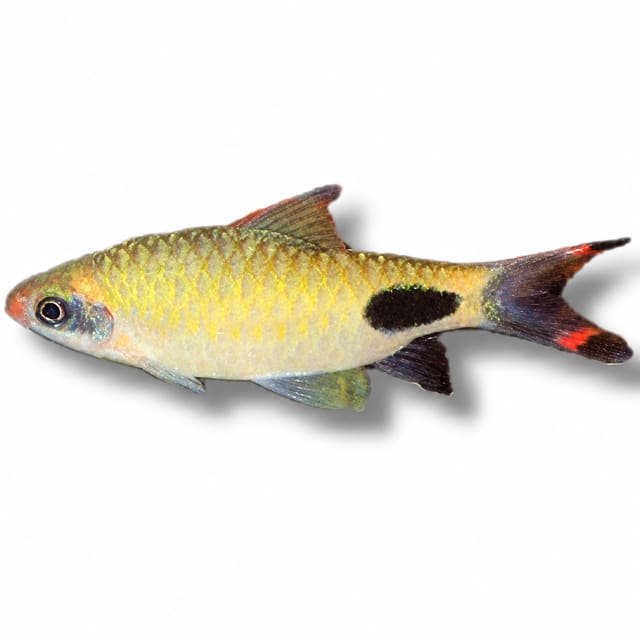
Striuntius lineatus is instantly recognisable by the dark horizontal lines running from behind the head toward the tail. The base colour is warm silver to pale gold, with a lightly speckled back and translucent fins that can show yellow, olive or blue-green tones under aquarium lighting. The original reference photo for this listing shows the important visual details clearly: a slender body, several fine body stripes, a pale belly and greenish-yellow fin edges.
Females are usually a little fuller through the belly, especially when mature. Males may look slimmer and slightly sharper in colour when settled. Because the fish is naturally understated, condition matters: stressed individuals can look washed out, while comfortable fish in shaded planted tanks show better contrast along the flanks.
FishBase and GBIF treat the Lined Barb as Striuntius lineatus, with Puntius lineatus and Barbus lineatus as older synonyms. The species is recorded from Malaysia and Indonesia, including vegetated swamps, standing waters, clear blackwater habitats and areas with submerged grasses. Aquarium Glaser also notes the name confusion around horizontally striped Southeast Asian barbs and separates this smaller, very short-barbel lined barb from the larger Desmopuntius striped barbs.
For aquarium care, this means the setup should not be treated like a hard-water, fast-flow community tank. Aim for warm, clean, soft water with subdued lighting, plant cover and stable water quality. Botanicals such as Indian almond leaves, alder cones or safe leaf litter can help create the humic, tea-stained feel this species appreciates, though they are optional if your water is already soft and stable.
A mature 100 litre or larger aquarium is a good target for a proper group. A longer tank shape is better than a tall narrow one because these barbs use the middle levels and enjoy cruising room. Use fine gravel or sand, driftwood roots, robust plants, floating plants for shade and a few open lanes at the front. They are not destructive plant eaters, so planted layouts suit them very well.
Keep filtration efficient but avoid blasting the fish with constant strong current. A gentle flow, good oxygenation and steady maintenance are more important than high turnover. Because this is a group fish, avoid keeping one or two as odd singles. A group of six is the bare minimum; eight to ten or more is much better and gives a calmer, more natural display.
The practical target range is 23-26°C, with stable water more important than chasing a perfect number. FishBase lists 21-24°C, while aquarium husbandry sources often keep this fish slightly warmer, so a normal tropical range can work if the water remains clean and oxygenated. For pH, aim acidic to near-neutral, roughly 5.0-6.8, and avoid very hard alkaline conditions. Soft to moderately soft water, about 1-8 dGH, is the safer long-term direction.
Do small regular water changes and avoid sudden swings. If your tap water is hard, this is not the best barb to force into unsuitable conditions. A soft-water community with rasboras, small peaceful barbs, pencilfish, kuhli loaches and suitable Corydoras is a much better match.
Lined Barbs are omnivores and usually easy to feed once settled. Offer a high-quality small flake or micro pellet as the staple, then rotate frozen or live foods such as daphnia, brine shrimp, cyclops and small bloodworm portions. Fine vegetable or spirulina-based foods can also be useful. Feed small amounts that the group clears quickly; in a planted blackwater-style tank it is better to feed lightly and consistently than to overload the water.
This species is peaceful and can be a little shy if the group is too small or the tank is too bright. In a confident shoal it becomes much more visible, often moving together through plant edges and open lanes. It is not a fin-nipping tiger-barb style fish, but it should still be kept with calm companions that enjoy similar water.
Good tank mates include small rasboras, peaceful barbs, pencilfish, small tetras that accept soft water, kuhli loaches and gentle bottom dwellers. Avoid large predatory fish, aggressive cichlids, very boisterous barbs, hard-water livebearer setups and slow long-finned fish that may be stressed by constant movement. Tiny shrimplets may be eaten opportunistically, though adult shrimp can work in planted aquaria if there is cover.
Like many small cyprinids, Striuntius lineatus is an egg scatterer and does not provide parental care. A well-conditioned group may spawn among fine plants, moss, spawning mops or mesh. Adults may eat eggs, so breeders usually use a separate spawning container or remove the adults after spawning. Fry need very small first foods and excellent water quality. For most keepers, the priority should be a stable display group rather than casual breeding.
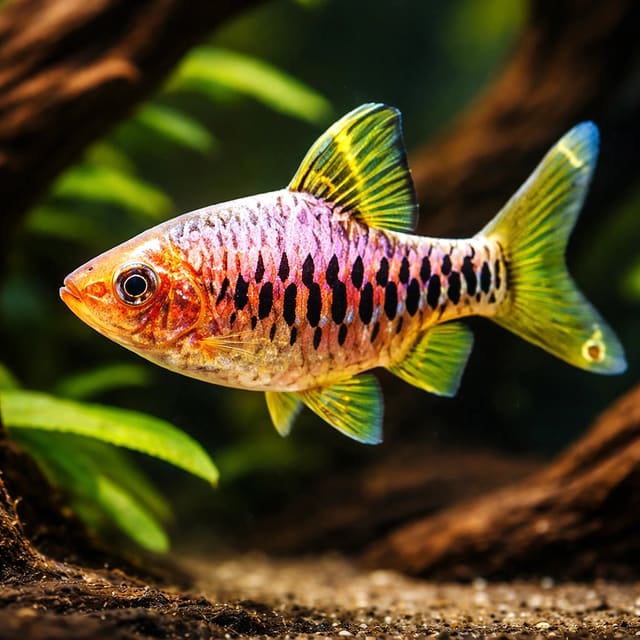
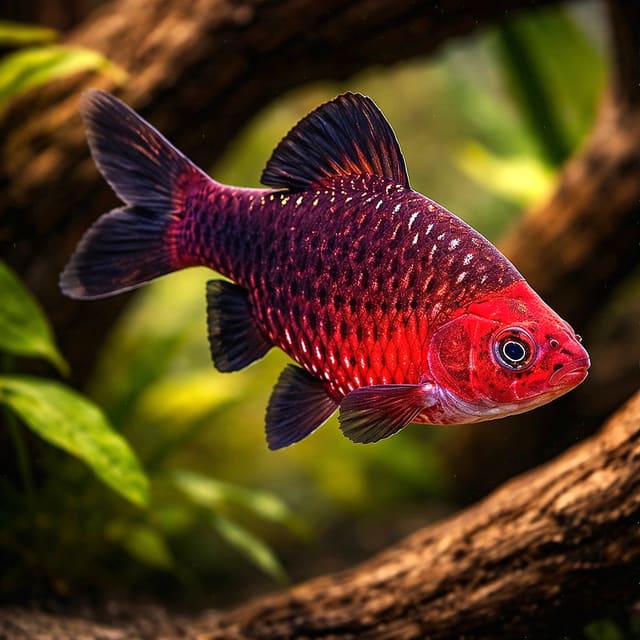
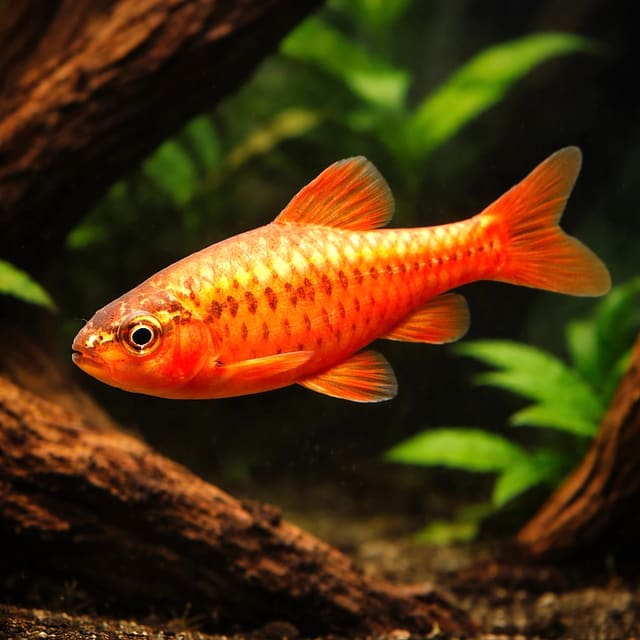
Our Lined Barbs are listed with the original reference photo alongside the existing gallery images, so you can compare the real reference fish with the aquarium-style views before ordering. We keep the older trade names in the background for clarity, but the visible listing uses the accepted Striuntius lineatus name and care that matches a small peaceful blackwater-leaning barb.
Fish are packed for overnight livestock delivery in insulated boxes with oxygen and temperature protection appropriate to the weather. The Live Arrival Guarantee gives reassurance when the delivery terms are followed, and first-time customers can use WELCOME10 for 10% off their first order. For best results, order a proper group, acclimate slowly and give this fish the shaded planted setup it deserves.
No reviews for this item yet. Bought one? Honest reviews only, good or bad.
What customers say about ordering from us
I have a small group of long finned mountain minnows. So was delighted to be able to order ten of this variety to increase the genetics in my tank . The ones I recieved are healthy but it’s to early to give a verdict on wether they are of a long finned type since they are small currently.
Gordon Walker · 23 Sept 2026
100% success travel and "installation". Pleased with quality of purchase. The Siamese fighter a bit "shy" so have not yet seen him at his best yet but looking good. Happy customer. GG
George E Garratt · 21 Sept 2026
Reviews of our shop, collected by Judge.me, an independent third-party review collector. Newest first.