−12%
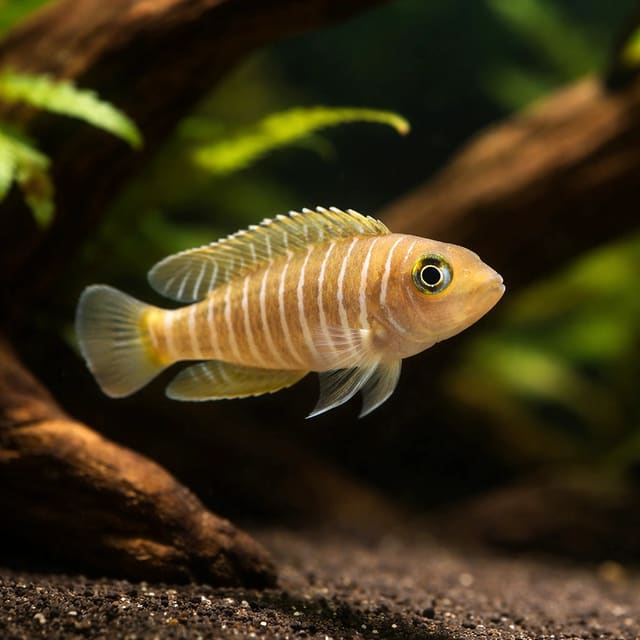
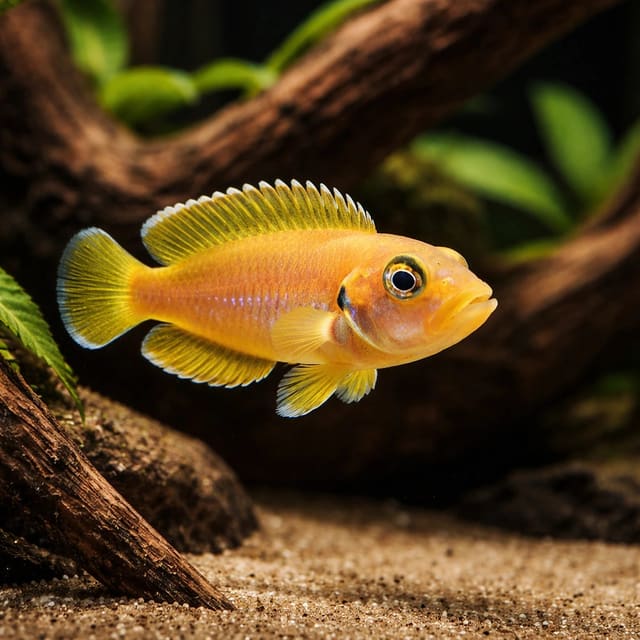
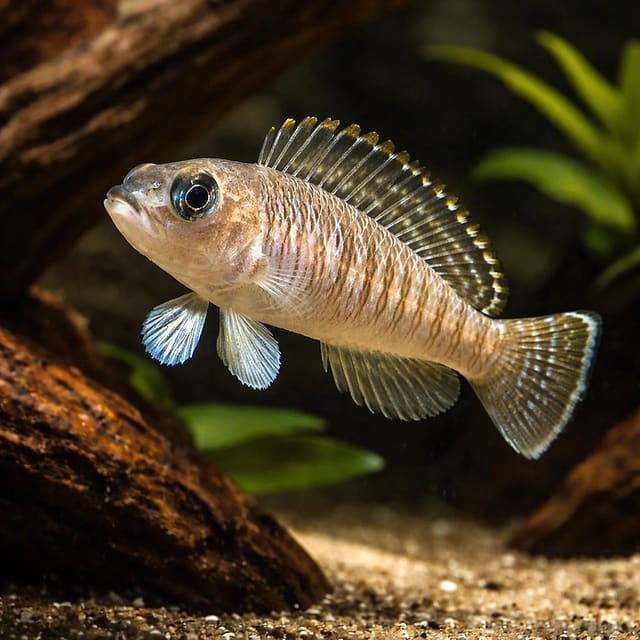
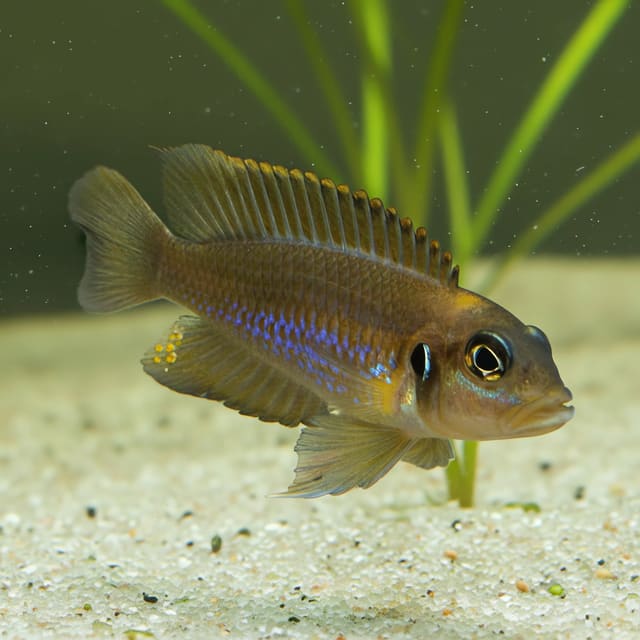
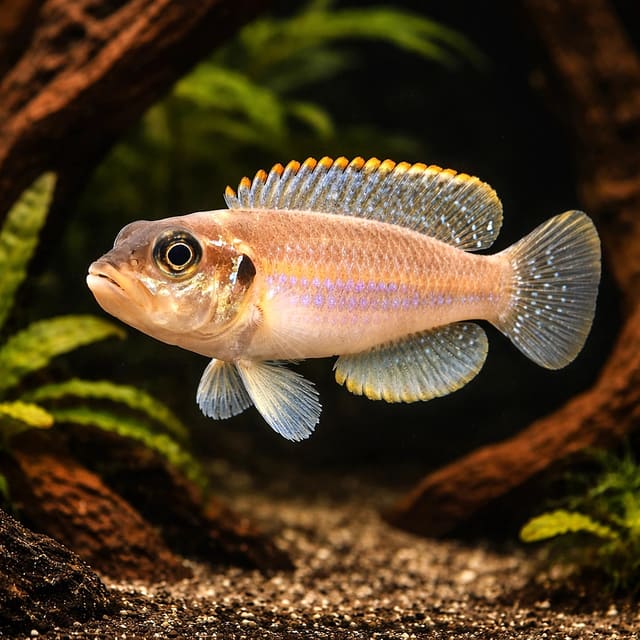
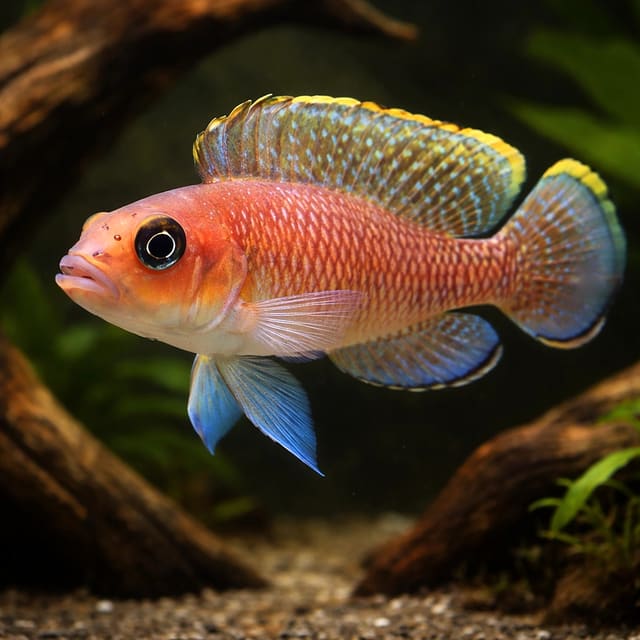
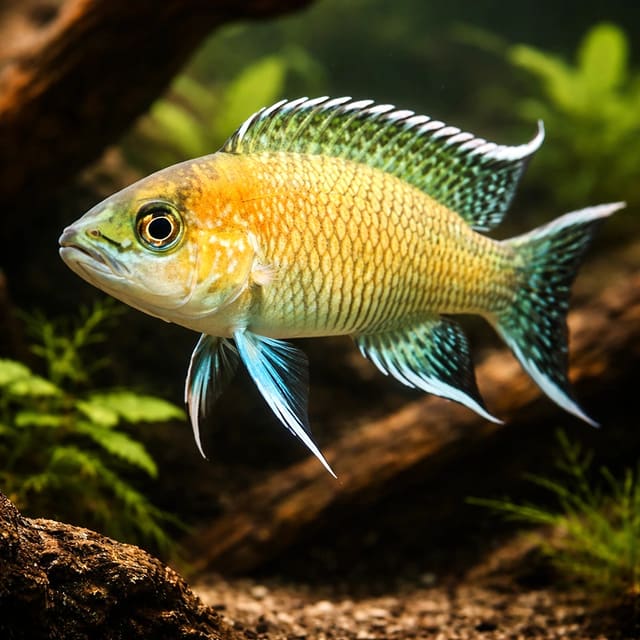
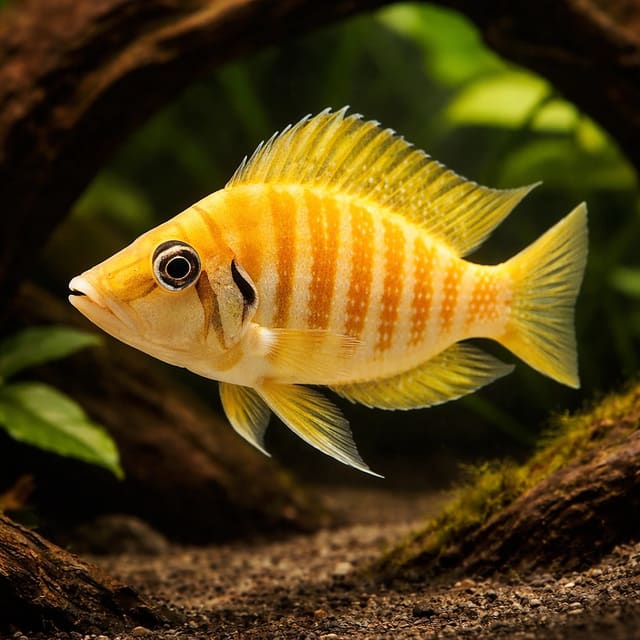
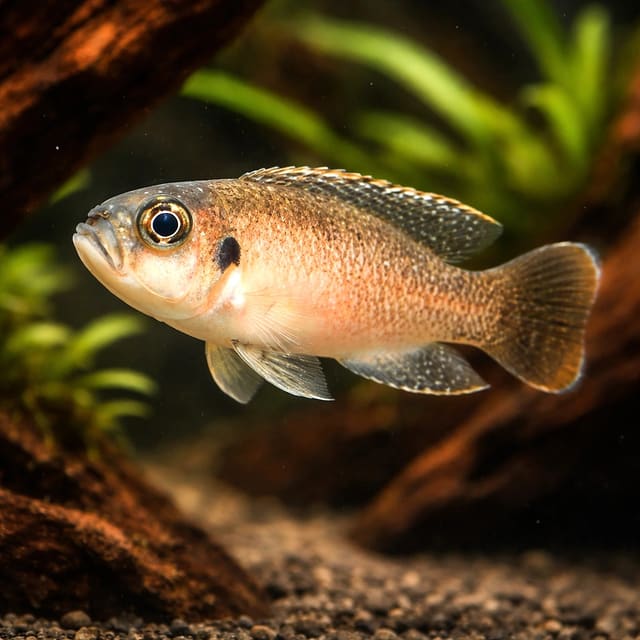
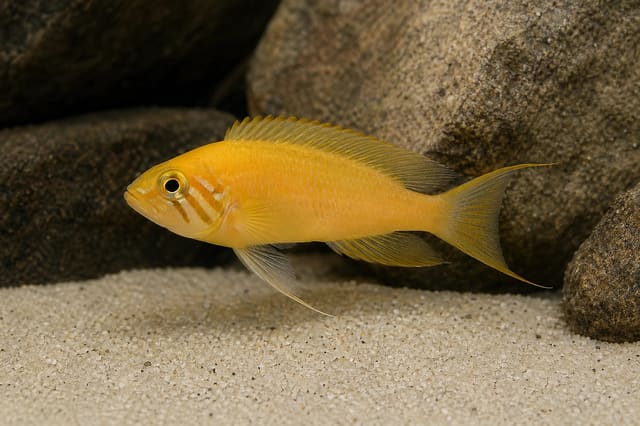
Meleagris Shell-Dweller (Neolamprologus stappersi)
24–27°C · pH 8–8.6
£16.71£18.99

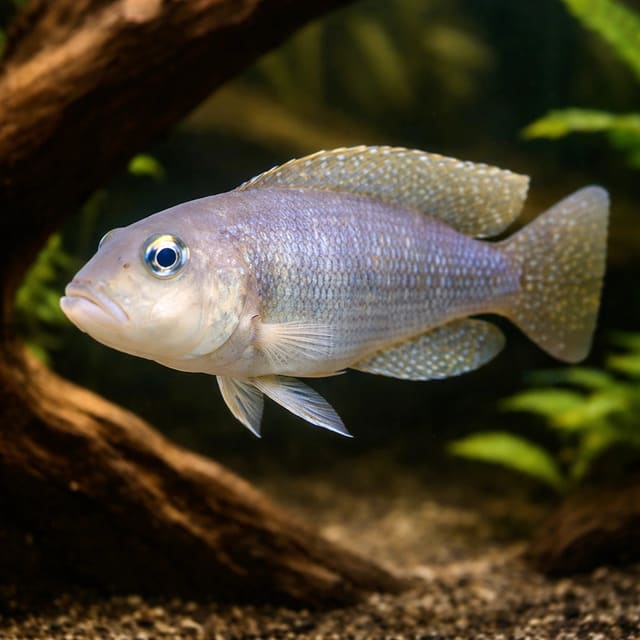
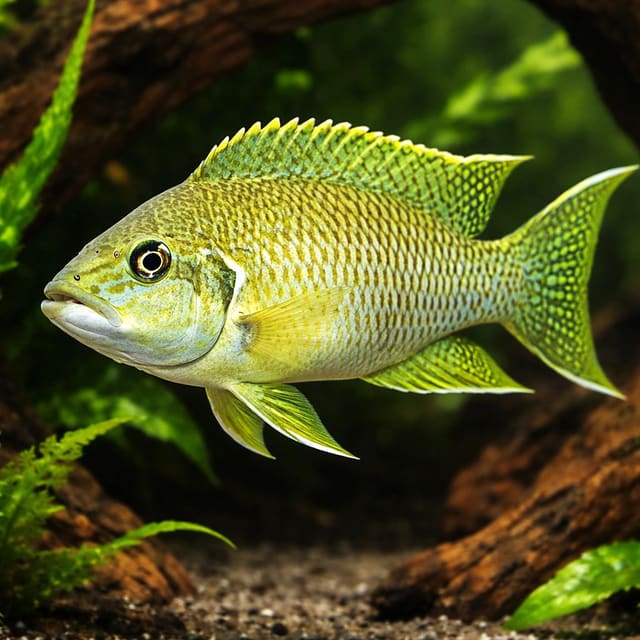
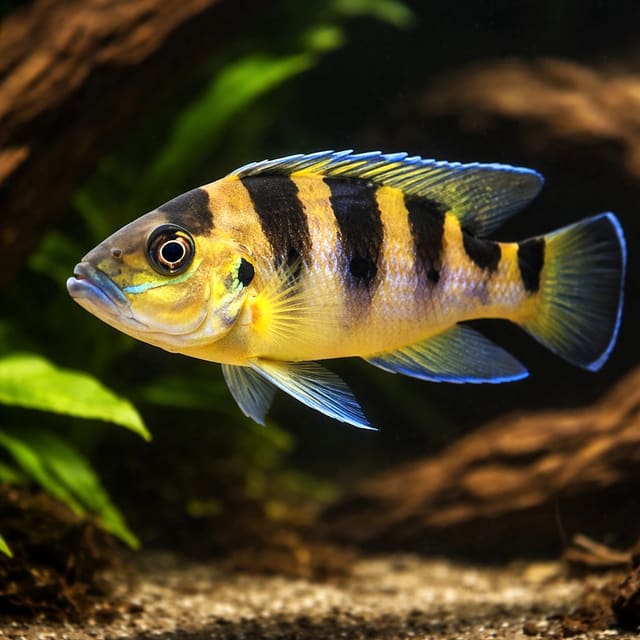
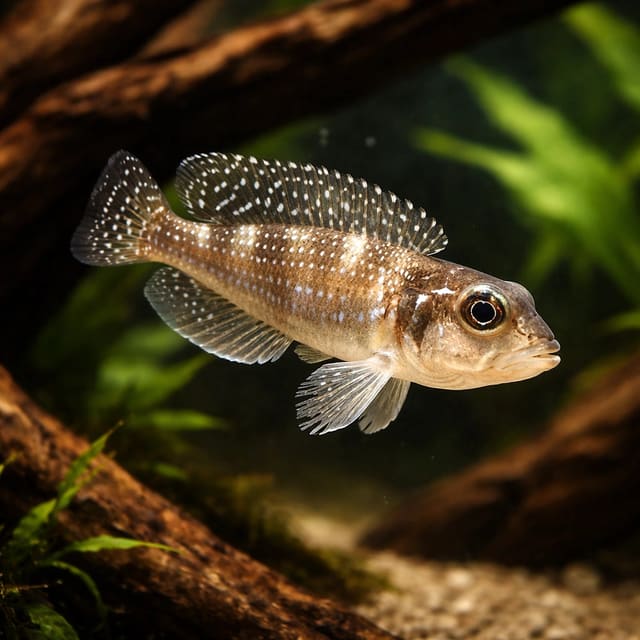
Sumbu Shell Dweller (Lamprologus sp.) is sold one fish at a time in your chosen size. Its species and sex are unconfirmed. Prepare a mature, hard, alkaline aquarium with shells, separate retreats and steady water quality.
Lamprologus sp.
Save when buying multiple fish. Each quantity is one fish; sex and pair formation are not guaranteed unless the selected variant explicitly states them.
Sumbu Shell Dweller (Lamprologus sp.) is sold one fish at a time in your chosen size. Its species and sex are unconfirmed. Prepare a mature, hard, alkaline aquarium with shells, separate retreats and steady water quality.
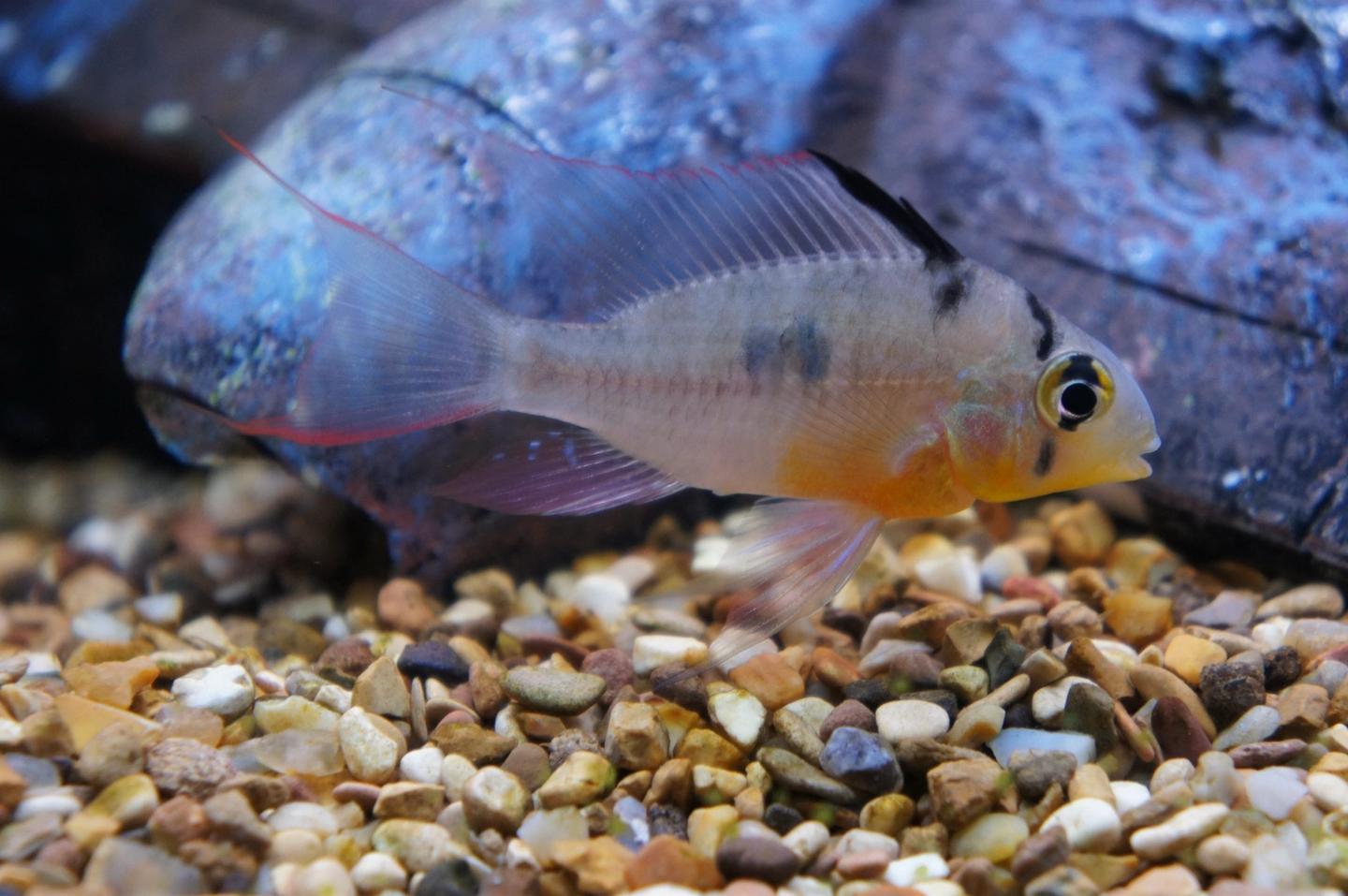
Cichlids are a family of roughly 1,800 accepted species, not one care type. Before buying, identify the exact species and source, then compare adult measurement, usable tank dimensions, social system, territory, tested water, diet and an exit plan. No family-wide minimum tank, water range or tank-mate list is safe.
Maintain these water conditions for optimal health and vibrant colors
Sumbu Shell Dweller (Lamprologus sp.) is sold as one live fish per purchase. The trade name identifies the animal in the supplier offer, but the exact species has not been established. Plan for a mature, hard, alkaline African lake aquarium with a generous footprint, fine substrate, suitable shells and secure retreats. This is a fish for a keeper who enjoys watching territory use and who can keep mineral-rich water stable. It is a poor match for a soft, acidic community aquarium.
The size you select is the size supplied, not the adult size. The size choices are 3–3.5 cm, 3.5–4 cm and XL; check the current selector for what can be ordered. XL is a trade grade, not a measured adult length. One selected size supplies one animal. Sex is guaranteed only when the selected option explicitly states male or female. This Sumbu Shell Dweller listing has no sex-guaranteed option. Allow for either sex when planning companions and space. Do not rely on a photograph to choose sex or expect the individual delivered to match every mark in an image.
The exact species has not been identified, so the care advice here follows the genus Lamprologus and its care group. Lamprologus is an accepted cichlid genus, but a genus contains fishes with different habits and adult sizes. “Sumbu” is retained as a trade identifier; it is not evidence of a confirmed species, collection locality or breeding line. The safest practical approach is to prepare an aquarium that offers shelter and room to alter the layout as the fish matures, then observe the animal itself. No reliable numerical adult maximum is available for this unidentified trade fish.
A shell area can make a compact cichlid display rewarding: a fish may examine openings, use an edge as cover and establish a small patch as its own. Give it those choices without assuming that every shell-associated cichlid behaves identically. A clear retreat, clean water and low pressure from other fish matter more than a decorative pile of shells. If you are designing a first Tanganyika aquarium, build and test the system before bringing the fish home; our first aquarium guide explains maturation and testing.
Choose this animal when you can maintain the general African lake cichlid conditions described below and can adjust stocking to the fish's observed behaviour. If you need a scientifically identified species with a precisely documented adult length or an explicitly sexed pair, this offer does not establish those details. Check the selected size, plan the adult territory conservatively, and keep a spare separation option available while new fish settle.
| Animal supplied | One Sumbu Shell Dweller per purchase, in the selected size |
|---|---|
| Scientific identification | Lamprologus sp.; species unresolved |
| Family | Cichlidae |
| Size choices | 3–3.5 cm, 3.5–4 cm or XL trade grade |
| Sex | Not selected or guaranteed |
| Water planning | OATA's broad African lake cichlid guidance: 23–27°C, pH 8.0–8.6 and 12–18°dH |
| Core layout | Mature filtration, fine substrate, usable shelters and broken sight lines |
| Social plan | Allow for territorial behaviour; choose numbers and companions after assessing space |
The water figures are a general group guide, not a measured optimum for an unidentified Sumbu species. Test your own aquarium and keep the group-level scope in mind. The fish's dispatch grade is separate from its adult size, and this offer does not support a numerical adult maximum.
The OATA African lake cichlid care sheet gives a broad temperature guide of 23–27°C, pH 8.0–8.6, general hardness 12–18°dH and carbonate hardness 10–15°dKH. Those are group values and must not be read as a species-specific sweet spot for Sumbu Shell Dweller. The useful decision is whether your water and maintenance routine can hold stable mineral-rich conditions. A stable aquarium in the applicable range is preferable to a tank that swings while its owner chases an exact pH reading.
Test the water before purchase and after any significant change. Ammonia and nitrite must both be zero. OATA advises keeping nitrate no more than 20 mg per litre above normal tap-water levels for this group; record the tap-water baseline so that comparison is meaningful. A pH test alone cannot reveal whether the biological filter is ready or whether hardness is consistent. Measure temperature, pH, general and carbonate hardness, ammonia, nitrite and nitrate with a routine you can repeat. Our water chemistry guide explains what the readings mean.
If local tap water is already hard and alkaline, prioritise consistent conditioned replacement water rather than constant correction. If it is soft or acidic, make a deliberate plan for minerals and buffering before adding the fish. Avoid rapid chemical corrections in an occupied tank. Replace water gradually with properly treated water of suitable temperature and mineral content. Keep notes after changes so a developing trend is visible before fish show distress. The water matcher can help compare measured values with the broad guidance, while the animal's behaviour and repeated tests remain essential.
Hard water is not a licence to neglect dissolved waste. A functioning filter and regular water changes are still needed. OATA recommends a partial change of about a quarter each week for African lake cichlids, adjusted to stocking and the actual test results. Removing all substrate or cleaning the entire filter at once can disrupt useful bacteria. Keep the routine steady enough that the fish experiences a familiar environment from week to week.
Think in floor area as well as litres. A fish that uses cover near the bottom needs a usable path between shelters and space to avoid another fish, not merely water above its head. OATA gives 45 cm aquarium length as a broad minimum example for a pair of the smallest shell dwellers; it does not identify this trade fish as one of those species or prove that a pair will fit that footprint. Choose a more generous aquarium when adult identity, group dynamics or mixed stocking are uncertain. Leave room to move shell groups or separate fish if repeated chasing develops.
Set stable rocks on a secure base before a sand-moving fish can undermine them. Use fine substrate that allows natural investigation without sharp edges. Offer several appropriately sized empty shells and crevices rather than one prized hiding place in the middle. The opening must be usable by the animal you receive; a narrow entrance that works for a small fish may cease to work as it grows. Shells should be clean and aquarium safe. Spread them so a fish can retreat without crossing another animal's defended doorway.
Break direct sight lines with low rock boundaries, separate shell patches and some open space. A wall of rock can look impressive but leave too few escape routes. Make it possible for a subordinate animal to move away and remain out of view. Arrange the layout so you can still observe the fish, remove debris and retrieve a sick individual without dismantling every shelter. Do not make the whole bottom one continuous shell pile: separate areas are easier for fish to use without facing each other constantly.
Strong biological filtration and oxygenation help keep an African lake aquarium stable. OATA recommends effective filtration and vigorous aeration for its broad group care. Aim the filter so there is circulation through the tank while quieter areas remain near cover. Check that shells do not collect uneaten food where it cannot be reached by a siphon. A lid is sensible for any lively cichlid, with heater and cables placed safely; maintain enough access for regular care. A useful layout balances fish behaviour, maintenance access and water movement.
Choose shell openings to suit the fish as it grows and inspect them after any major rearrangement. A shell that traps a fish or has a sharp broken edge is not a useful refuge. When several fish are present, give each animal more than one route away from the busiest area. If the fish spends all day exposed at the glass because every hiding place is occupied, the layout is failing its purpose. Move or add cover with care, then watch whether the fish begins to use the new choice. This observation is more informative than assuming that a stated litre capacity has solved every social problem.
A new tank can look clear long before its filter can process fish waste. Beneficial bacteria convert toxic ammonia to toxic nitrite and then to less toxic nitrate. The RSPCA explains why a well set up and maintained filter is essential for aquarium fish. Establish the biological filter and confirm zero ammonia and nitrite before bringing home a live cichlid. A mature tank also makes it easier to keep temperature and mineral content steady through ordinary feeding and water changes.
Do not add a full community at once. OATA warns that adding fish and food faster than the filter population can adjust may cause “new tank syndrome”. Add livestock gradually, keep records of test results and feed lightly while the system adapts. If a reading rises, address water quality promptly and avoid adding more fish until the cause is controlled. A tank with a high pH can still have a dangerous ammonia problem; appearance and clear water are no substitute for tests.
Prepare the shell layout before the fish arrives so it can find cover immediately. Set a calmer light period for the first day. Give the new fish time to inspect the aquarium without repeated netting or rearrangement. If you already keep territorial fish, consider whether you can use a divider, spare mature tank or alternative placement if introductions fail. It is much easier to prevent an extended chase than to extract one stressed fish from a complicated rockscape.
Observe where the fish spends its time. A new arrival may pause in cover, but continual gasping, loss of balance, clamped fins or relentless pursuit need investigation. Test the water first; then review flow, cover and other fish. Changes should be measured, not a series of abrupt attempts to force the fish into a chosen position.
A cichlid's diet should be matched to its actual feeding response and reliable identification. OATA notes that African lake cichlids have varied diets across the group, so a generic label such as “carnivore” cannot be assigned to an unidentified species from the trade name alone. Start with appropriately sized, good-quality cichlid food and use the fish's observed feeding response to guide portions. Offer small portions the fish can take readily, then vary within a suitable diet rather than relying on a single large feed.
Feed where the animal can see and reach the food without having to fight through a fast surface-feeding group. Watch its first few meals. Food that drifts into an inaccessible shell or rock gap can decay unseen. If leftovers remain after a few minutes, remove them and reduce the next portion. OATA's group sheet advises feeding only what fish can eat promptly, with an emphasis on preventing overfeeding and water pollution. More food cannot compensate for a stressed or intimidated fish.
When introducing unfamiliar food, use a small test portion and observe acceptance. Do not make a sudden diet change and assume refusal proves illness. Check water readings and social pressure if a settled fish stops feeding. A fish that emerges to eat and returns to shelter may simply be using the layout cautiously. Persistent refusal, rapid breathing or visible loss of condition calls for closer assessment.
Make feeding part of maintenance. Note whether one fish consistently intercepts all food, whether the shell area traps waste and whether the filter carries fine food away before it is eaten. Adjust the delivery point or tank-mate plan before increasing the total ration. Good observation keeps both the fish and the water in better condition.
Test at least weekly once the aquarium is established, and more often when stocking changes or behaviour raises concern. OATA recommends weekly testing and a partial water change of around 25% for African lake cichlids. Match the replacement water's temperature and minerals, use a tap-water conditioner where needed, and avoid exposing the fish to a sudden shift. Check the tap supply periodically as well: its chemistry can vary, and the relevant comparison for nitrate begins with what enters the aquarium.
Siphon visible food and waste from open sand without flattening every shell boundary each week. Work around shelters carefully, then inspect them from time to time for trapped debris. A fish may have moved sand to create an entrance; take care not to block it while cleaning. If flow weakens, inspect the filter for blockages. Rinse media gently only in water removed from the aquarium, as OATA advises; never wash it under tap water, because chlorine or chloramine can kill the bacteria that process waste.
Keep a simple log of readings, water changes, feeding and behaviour. One odd reading can be retested; a rising pattern deserves action. Look for changes in breathing, colour, fins, body condition, feeding and ability to hold a normal position. OATA lists these as useful signs for African lake cichlids generally. Testing water first is a practical response to a change, then seek qualified advice if the concern continues.
Maintenance should protect the fish's sense of security as well as the water. Moving every rock and shell on each cleaning day can restart territorial disputes. Clean in sections, preserve stable shelter where possible and make significant layout changes deliberately when you need to reduce aggression. A predictable routine reveals what is normal for your fish and makes a true change easier to recognise.
Before delivery, confirm that the filter is mature, ammonia and nitrite are zero, the heater and thermometer agree, and the shell and rock retreats are ready. The fish should not wait in its transport bag while an aquarium is assembled. Arrange to be at the delivery address and follow the current delivery and arrival instructions for the ordered livestock. The policy explains packing, the live-animal courier and the steps required if there is a problem on arrival.
Open and inspect the parcel promptly. The store's guidance says to acclimatise slowly and avoid pouring transport water into the aquarium. It describes floating the bag for 20–30 minutes before release, alongside its full current instructions. Follow those instructions as supplied with the order and avoid leaving a fish unattended in a bag for an extended period. Let the animal find cover without repeated handling or rearranging shelters.
If the fish appears unwell on arrival, follow the policy's same-day contact and evidence steps, including the continuous unboxing video requirements for a Live Arrival Guarantee claim. Those steps are for reporting a delivery problem; they do not replace animal care. Once the fish is in the aquarium, watch its breathing and posture, test water if something looks wrong and avoid immediately adding other fish to “make it feel safe”.
Give the fish time to choose a shelter. A brief period of caution is understandable in a new environment; prolonged distress or constant attack is not something to wait out without action. Make sure a bullied fish can be separated. A prepared spare option is especially valuable when the exact species and sex are unresolved.
Choose companions by water chemistry and how they use space. OATA advises keeping African lake cichlids with other fish from the same lake or comparable conditions and cautions against mixing Malawi and Tanganyikan communities as a general rule. That does not mean every Tanganyikan fish is automatically compatible. This Sumbu-trade animal has no confirmed species-level temperament record, so treat any mixed aquarium as a planned introduction with room to change course.
A species-focused display is the clearest way to learn the fish's behaviour. It removes the pressure of fast feeders and competing shell owners while you watch how the animal uses cover. If you want more than one shell-associated cichlid, spread shelters, keep sight lines broken and allow for an adult territory rather than judging by the small dispatch grade. A group size or pair guarantee cannot be derived from this offer. Observe the actual fish closely and be ready to separate individuals that cannot share space.
Avoid soft-water community fish that would require the opposite chemistry. Avoid large or persistently aggressive fish that could dominate a shelter, and avoid any animal small enough to be eaten where you cannot assess predation risk. Do not combine visually similar trade forms for a breeding project without a firmer identity, because a trade label alone cannot establish a distinct line. Consider flow and feeding pace as well as nominal temperament: a peaceful fish can still outcompete a shy bottom dweller at mealtimes.
Observe introductions during feeding and after lights dim. Occasional signalling around a shelter differs from repeated pursuit that prevents another fish eating or resting. If pressure persists, add effective visual barriers, increase separation or move a fish; do not simply add another animal to diffuse aggression. Each aquarium has its own footprint, population and water chemistry, so a fixed “safe tank mate” list would be misleading here.
Numbers matter, but they are not a substitute for the shape of the aquarium. Two tanks with the same litre volume can have very different bottom area, rock placement and opportunities to retreat. OATA's general guidance stresses choosing a tank as large as practical and matching numbers to the species. Here the precise species is unconfirmed, so keep the initial stocking conservative. Add fish gradually and check water after each change.
Do not mistake a nearby product for a tank-mate endorsement. If you compare other shell dwellers, compare their own identification and care requirements as alternative purchases. For a wider view of fish kept in mineral-rich African lake aquariums, browse the African cichlid collection, then assess each animal on its own terms.
The exact species is unconfirmed, so a reliable numerical adult maximum is not available for this offer. The size you choose is the size supplied; allow generous space for adult cichlid territory and adjust the setup as the fish matures.
Choose a mature, filtered aquarium with generous floor area and separate shelters. OATA mentions 45 cm length for a pair of the smallest shell dwellers as a broad example, but that is not a verified minimum for this unidentified trade fish. Give more space when keeping several fish.
There is no verified species-specific number for this offer. Avoid a crowded shell bed, plan distinct retreats and introduce fish only when you can observe their behaviour and separate incompatible individuals.
It suits a keeper who can test and maintain stable hard, alkaline water and manage cichlid territories. A mature aquarium, suitable shelter and a separation plan matter more than the fish's small dispatch size.
Offer appropriately sized quality cichlid food in small portions, watch what the fish accepts and remove leftovers. African lake cichlid diets differ by species, so watch the animal's feeding response rather than assuming one exact diet from its trade name.
OATA's broad African lake cichlid guide gives 23–27°C and pH 8.0–8.6, with hard water at 12–18°dH. These are group values, not a proven species-specific optimum. Keep conditions stable and ammonia and nitrite at zero.
Allow for territorial behaviour around shelters. The exact species has not been identified, so a precise aggression label or fin-nipping prediction is not justified. Watch feeding access and repeated chasing, then separate fish if pressure continues.
A species-focused aquarium is easiest to assess. A carefully planned African lake community may work only when water needs, adult size, territories and feeding behaviour align; a shared lake origin alone does not guarantee compatibility.
Tropical Fish Co's delivery policy describes oxygen-bag packing, insulation, a licensed live-animal courier and the current arrival steps. Be present to receive the parcel, inspect it promptly and follow the policy's acclimation and same-day reporting guidance.
WoRMS: Lamprologus confirms the accepted genus and family, but does not identify the species supplied or provide husbandry values. The OATA African lake cichlid care sheet provides the broad group guidance used for water, aquarium preparation, maintenance and compatibility. The RSPCA aquarium environment guidance explains the role of a mature biological filter. Tropical Fish Co's delivery policy supplies current packing, arrival and reporting instructions.
Because the scientific identification stops at genus level, exact adult length, sex-specific size, reproductive behaviour and species-specific aquarium minimum remain open. Plan space and stocking with that uncertainty in mind.
No reviews for this item yet. Bought one? Honest reviews only, good or bad.
What customers say about ordering from us
I have a small group of long finned mountain minnows. So was delighted to be able to order ten of this variety to increase the genetics in my tank . The ones I recieved are healthy but it’s to early to give a verdict on wether they are of a long finned type since they are small currently.
Gordon Walker · 23 Sept 2026
100% success travel and "installation". Pleased with quality of purchase. The Siamese fighter a bit "shy" so have not yet seen him at his best yet but looking good. Happy customer. GG
George E Garratt · 21 Sept 2026
Reviews of our shop, collected by Judge.me, an independent third-party review collector. Newest first.