−11%
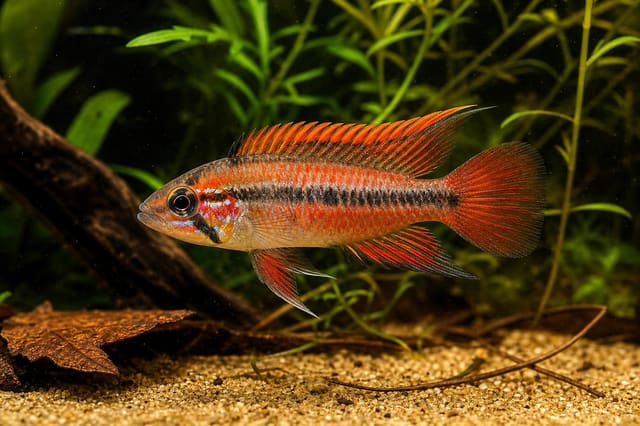
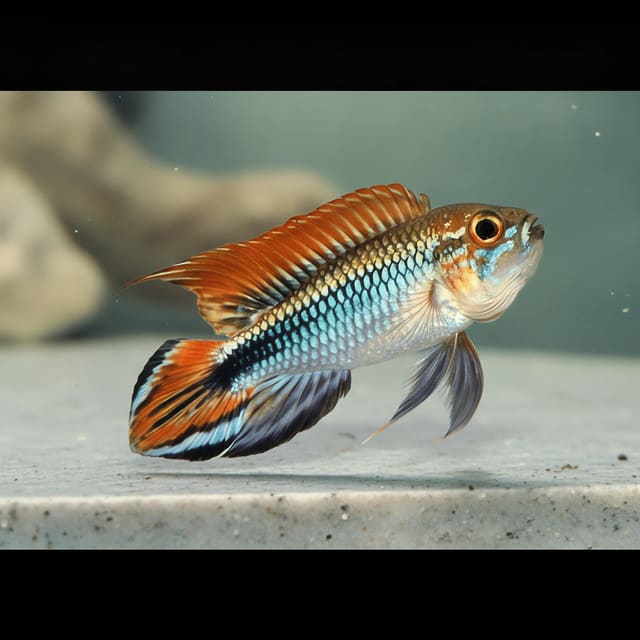
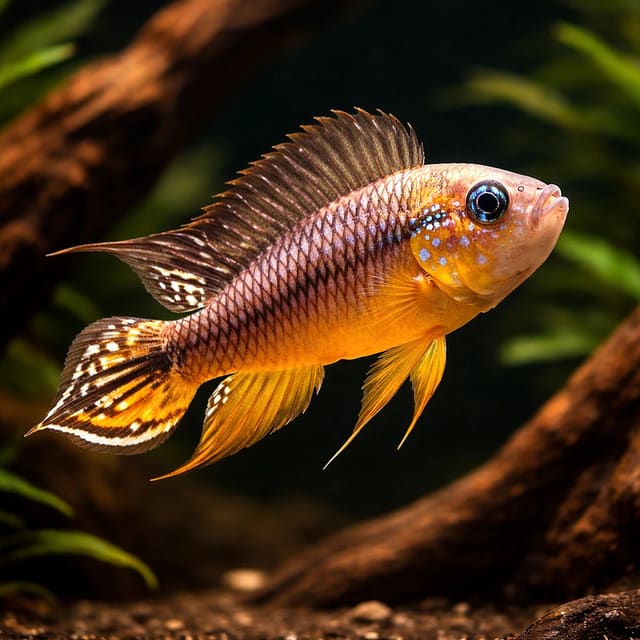
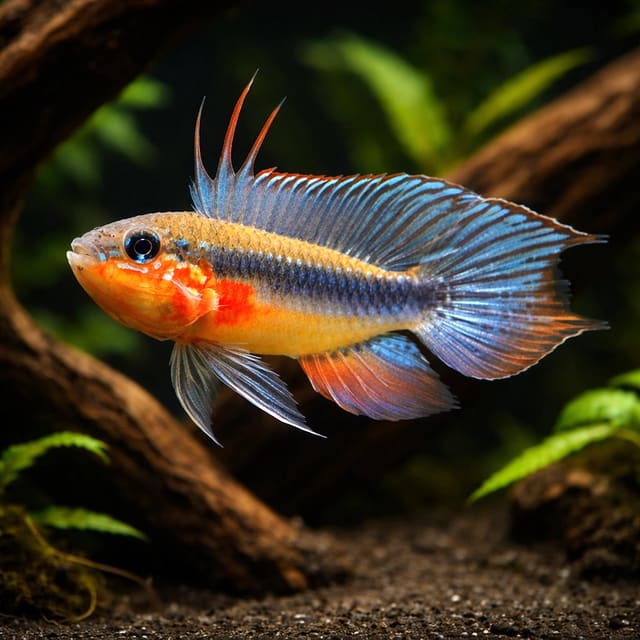
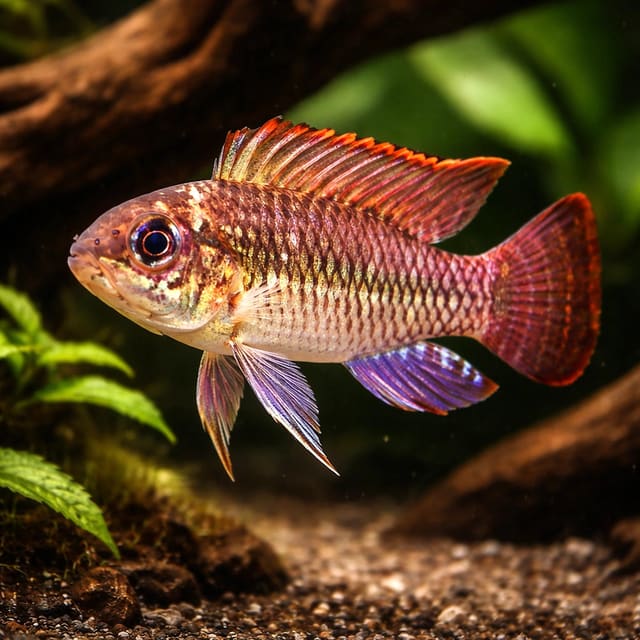
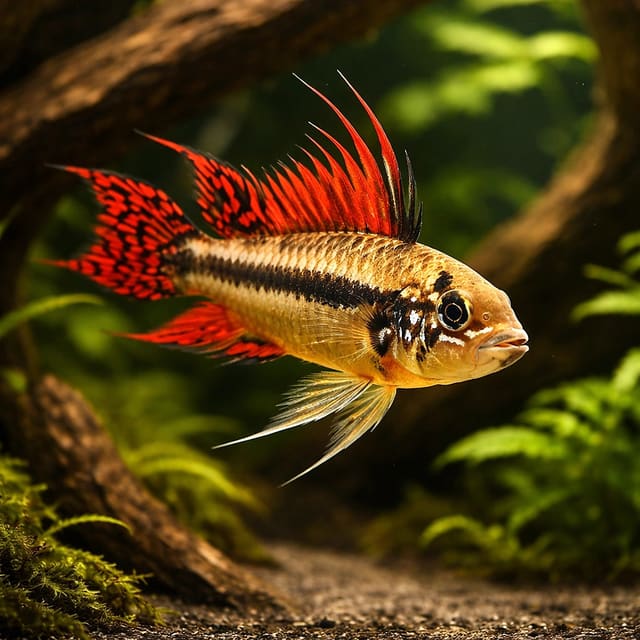
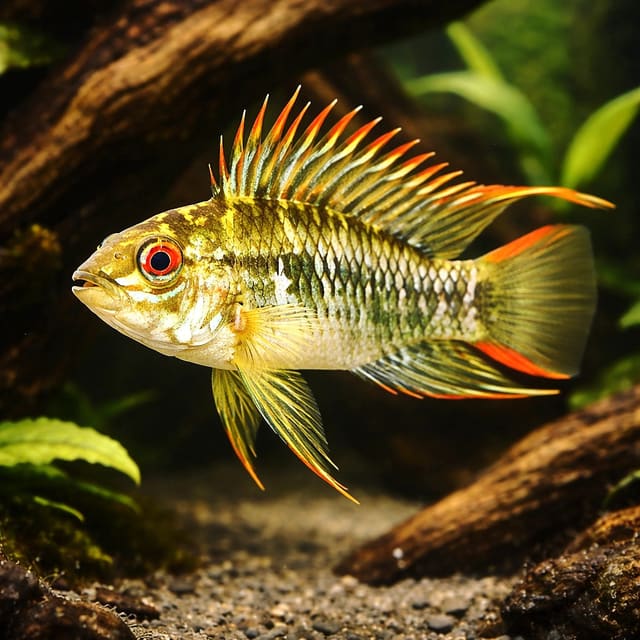
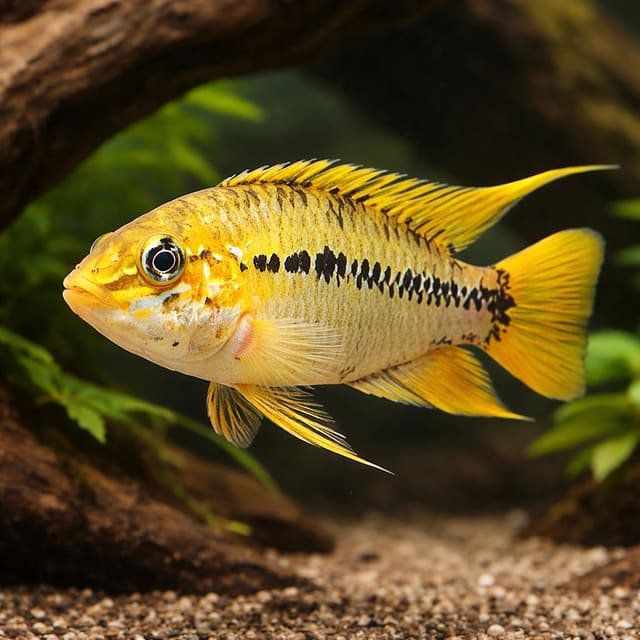
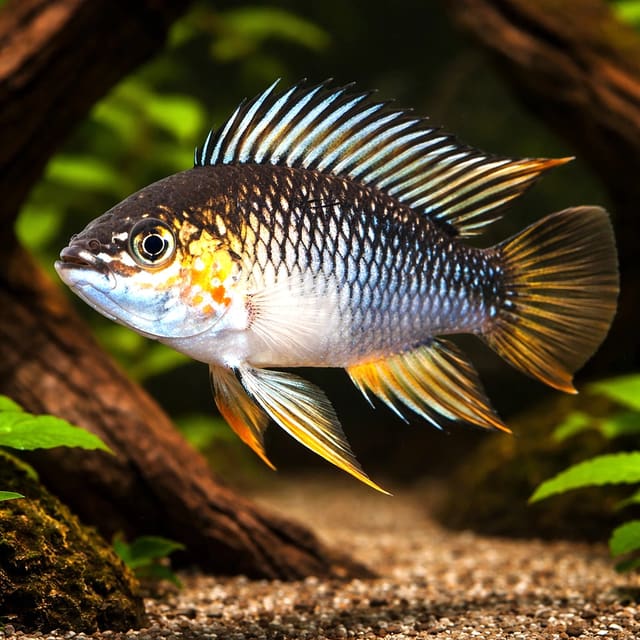
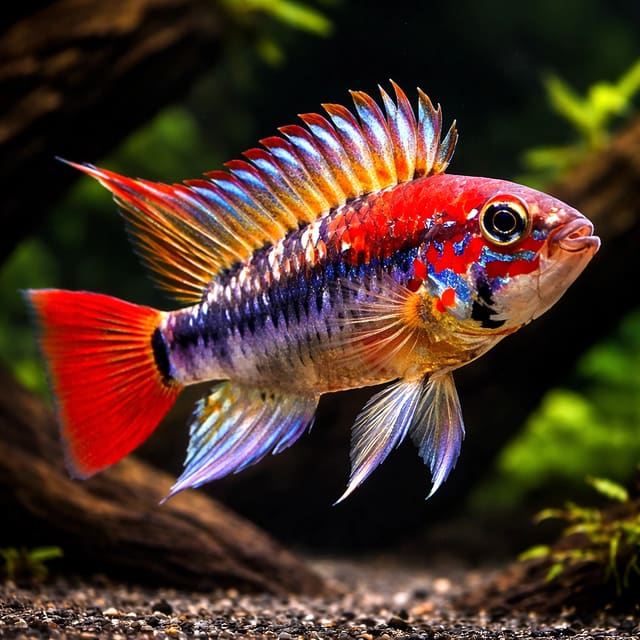
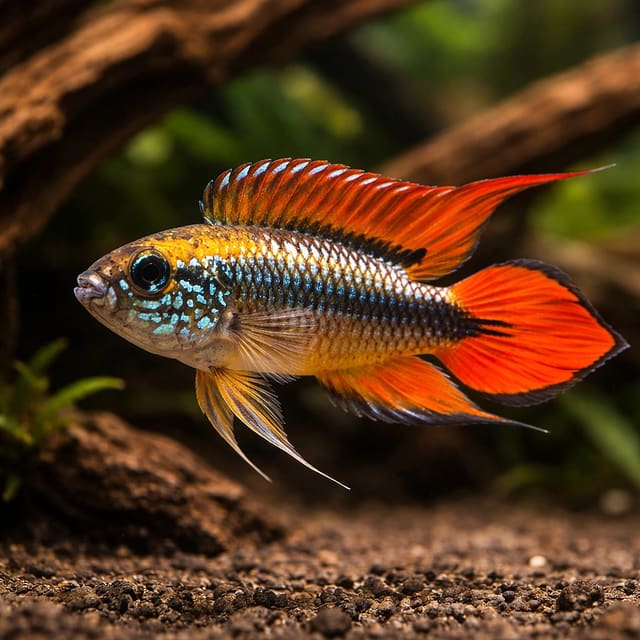
Double Red Agassiz’s Dwarf Cichlid (Apistogramma agassizii)
22–29°C · pH 5–7
£13.34£14.99
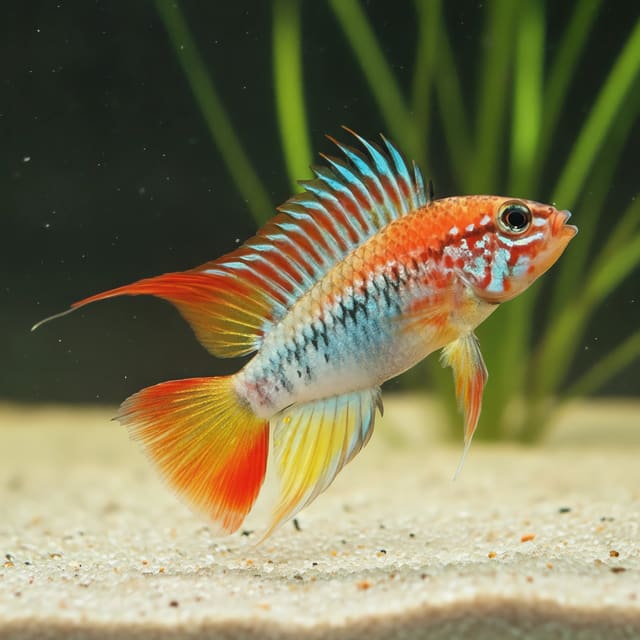
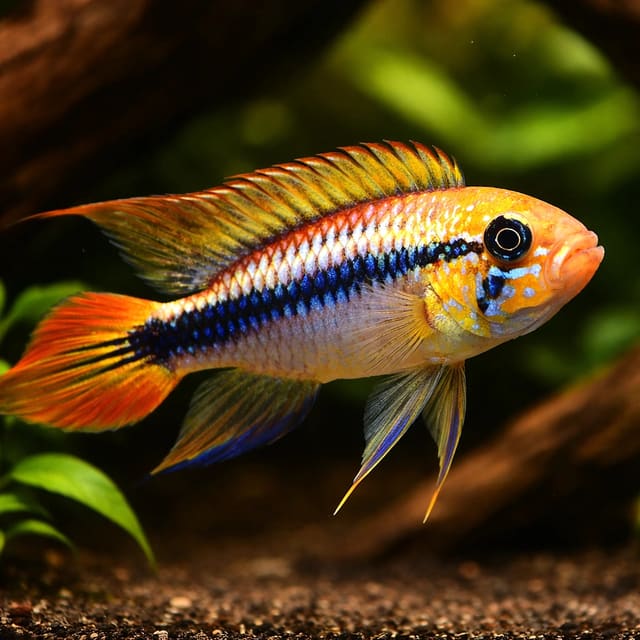
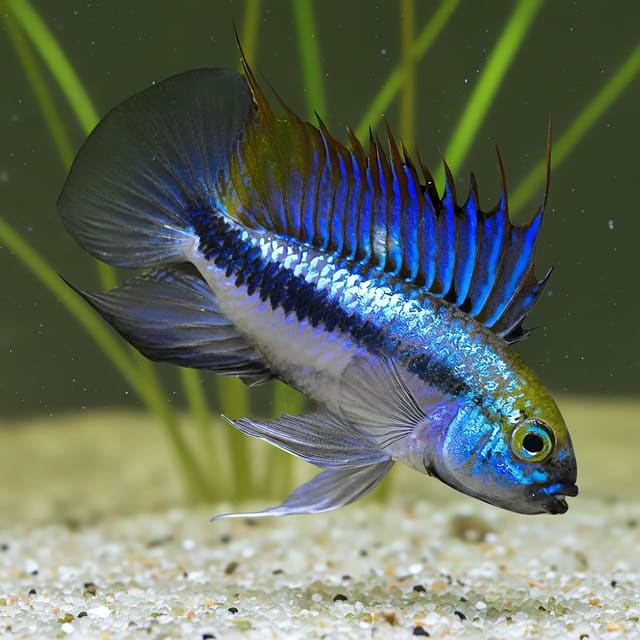
A striking, small South American dwarf cichlid with vivid blue coloration and fascinating breeding behavior. Moderate care, semi-aggressive. 24-27C, pH 5.5-7.0.
Adult size is the maximum length this species reaches at full maturity (scientific sources). The livestock you receive will be younger and smaller — pick a size above for the actual shipping size. Product-photo provenance and any image-specific limitations are stated on the listing.
Apistogramma agassizii
Save when buying multiple fish. Each quantity is one fish; sex and pair formation are not guaranteed unless the selected variant explicitly states them.
A striking, small South American dwarf cichlid with vivid blue coloration and fascinating breeding behavior. Moderate care, semi-aggressive. 24-27C, pH 5.5-7.0.
Adult size is the maximum length this species reaches at full maturity (scientific sources). The livestock you receive will be younger and smaller — pick a size above for the actual shipping size. Product-photo provenance and any image-specific limitations are stated on the listing.
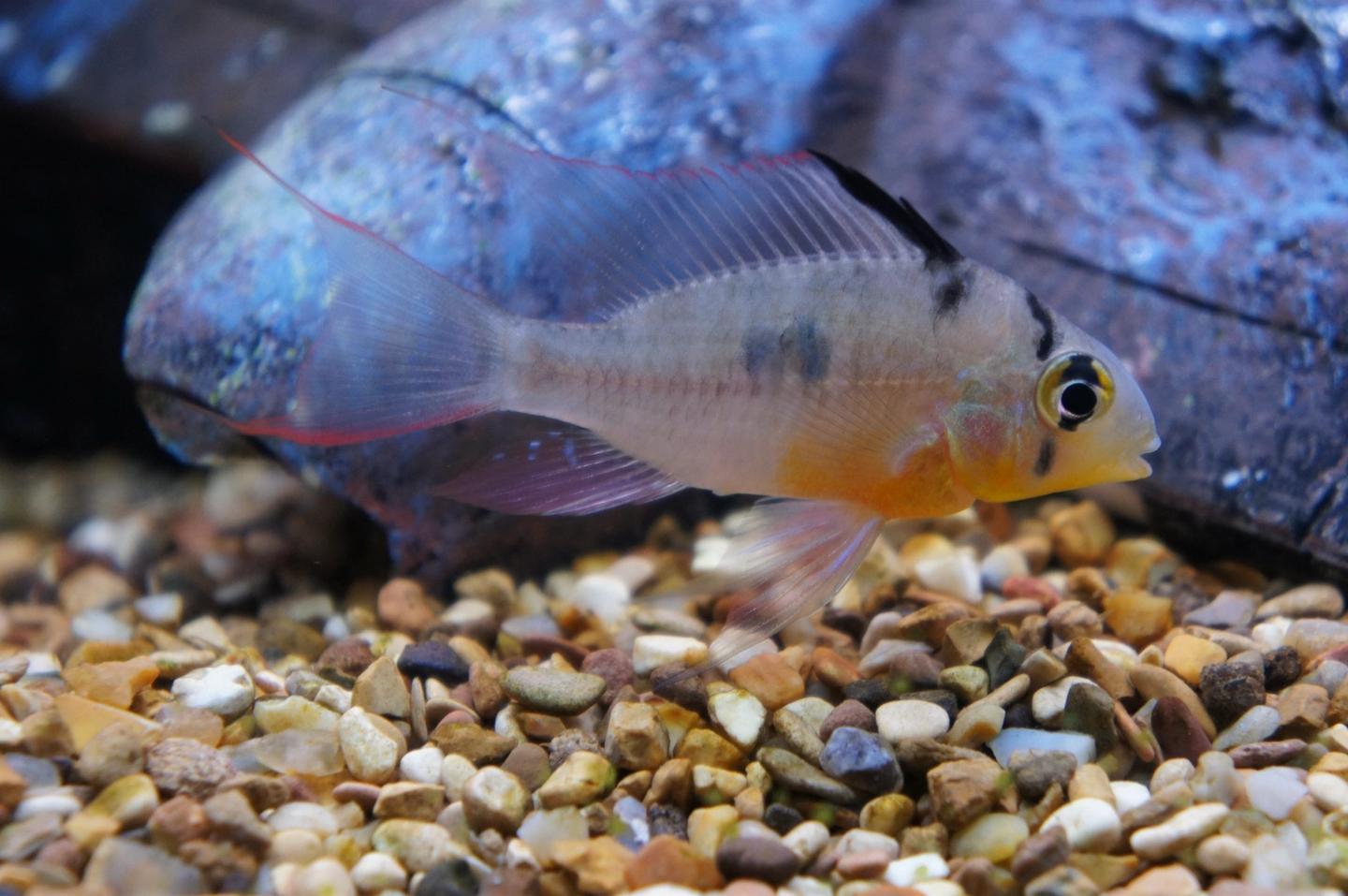
Cichlids are a family of roughly 1,800 accepted species, not one care type. Before buying, identify the exact species and source, then compare adult measurement, usable tank dimensions, social system, territory, tested water, diet and an exit plan. No family-wide minimum tank, water range or tank-mate list is safe.
Maintain these water conditions for optimal health and vibrant colors
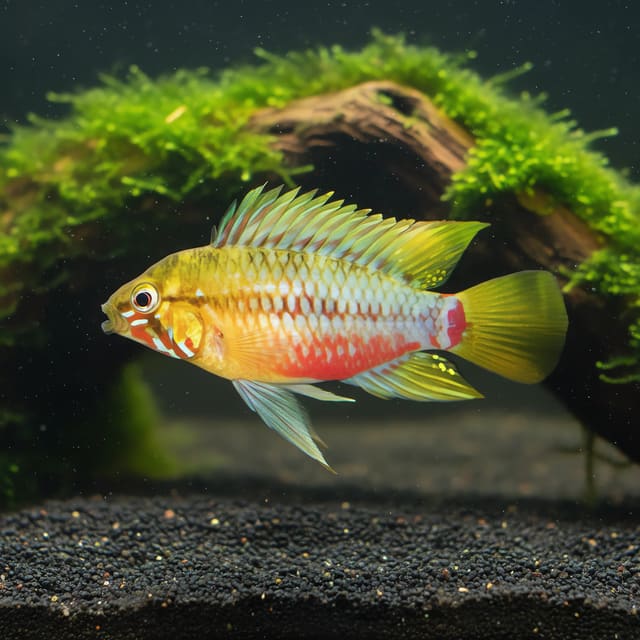
Blue Agassiz’s Dwarf Cichlid (Apistogramma agassizii) is a blue ornamental colour form of this South American species. The selector offers 3–4 cm and L dispatch grades; L has no numerical length specified. These size options do not guarantee sex, a pair or a wild collection locality.
Keep it warm, soft and acidic. Aim for a pH of 5.5-7.0 and hardness of 0-10 dGH, held steady at 24-27°C, in a planted aquarium of at least 75 litres. That space, combined with driftwood and shaded retreats, gives the fish security, encourages natural territorial display and shows the blue colouration at its best. Broken sightlines help manage territorial behaviour, but compatibility still needs careful planning.
As a carnivore it relishes small frozen and live foods worked down to the lower levels, where it spends its day foraging across the substrate as a bottom-dweller. It is semi-aggressive rather than truly peaceful and can become territorial, so allow each fish a little room of its own, particularly if compatible fish form a pair. The blue tones deepen as a fish matures and grows secure in its surroundings, so a quiet, well-structured tank brings out its best colour over time. Match the arrival and aquarium temperatures, and give compatible fish the space and broken sightlines they need to establish territories. Conditioned on small meaty foods and kept in stable conditions, these fish can show confident foraging behaviour across the lower levels of the aquarium. Males grow larger than females; plan for adult fish rather than the juvenile dispatch size.
Good companions are small peaceful tetras, rasboras, corydoras catfish, otocinclus, peaceful pencilfish and other non-aggressive small fish that share its taste for soft, warm water. Avoid large or boisterous fish, fin-nippers, aggressive cichlids, busy bottom-dwellers that compete for territory and large predators. Read the receiving and Live Arrival Guarantee instructions before ordering, with the aquarium ready for delivery.
Compare the Super Red Agassiz’s Dwarf Cichlid when researching colour forms. A form comparison does not guarantee a compatible pair or shared collection locality.
Seriously Fish covers adult size, aquarium layout and breeding care; FishBase provides the accepted species name and biological record.
No reviews for this item yet. Bought one? Honest reviews only, good or bad.
What customers say about ordering from us
Easy website plenty of info on fish your buying great to pick a time slot
TRACEY DURRANT · 7 Oct 2026
Got some lovely fish thank you
Kevin Mackie · 7 Oct 2026
Reviews of our shop, collected by Judge.me, an independent third-party review collector. Newest first.