Papua red clav crayfish — tropical fish for sale UK — AI hero driftwood view

Cherax sp.

Papua red clav crayfish (Cherax sp.) — 5-7cm

Moderate Care
Semi-Aggressive
£51.99In Stock

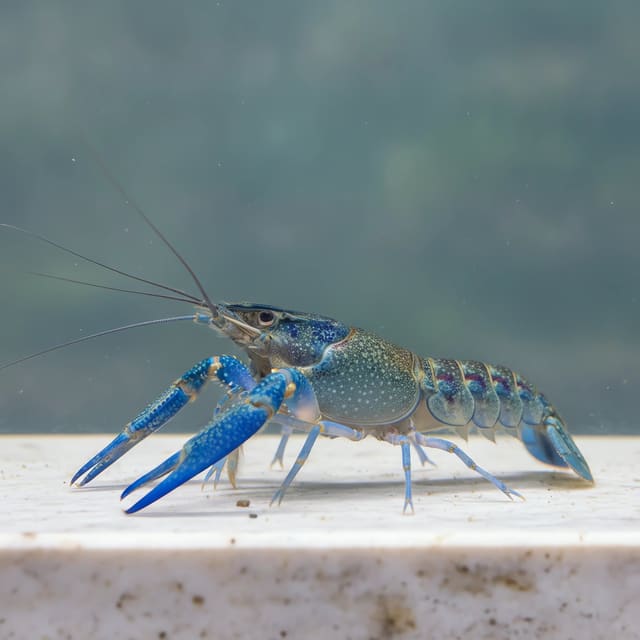
A striking Papua-origin crayfish with vivid red claws, bold personality, and fascinating behavior for species-only or carefully planned community aqua.

care:moderatediet:omnivorefamily:parastacidaeorigin:oceaniasite:tropical-fish-cosize:mediumtemperament:semi-aggressivetype:freshwater-fish

Care at a Glance

Scientific Name
Cherax sp.
Adult Size
5 cm
Lifespan
5 years
Care Level
Moderate
Temperament
Semi-aggressive
Temperature
22–28°C
pH Range
6.5–8
Hardness
5–15 dGH
Minimum Tank
100L
Diet
Omnivore

Water Parameters

Maintain these water conditions for optimal health and vibrant colors

Temperature
22–28°C
22°CIdeal Range28°C
pH Level
6.5–8
6.5Ideal Range8
Water Hardness
5–15 dGH
5 dGHIdeal Range15 dGH

Overview

The Malboro Lobster (Cherax sp.) is a striking red freshwater crayfish with bold personality, best kept in a secure tank with plenty of hiding places. This trade name refers to a selectively bred or color morph crayfish often associated with Australian or New Guinea Cherax species in the aquarium trade. Reaching approximately 12cm in adulthood with moderate care requirements, this ornamental crayfish brings unique visual appeal and fascinating behavior to single-species or carefully planned community setups. With its vibrant red coloration and interactive nature, the Malboro Lobster is suitable for aquarists who can provide appropriate hiding places, a secure lid, and compatible tankmates. Available to buy freshwater lobster uk from Tropical Fish Co, this captivating crustacean rewards dedicated keepers with engaging behavior and striking appearance.

Appearance

Adult Malboro Lobsters reach approximately 12cm in length, displaying vibrant red coloration across the body, claws, and legs that makes them unmistakable in the aquarium. The species exhibits the characteristic robust body structure, large claws (chelae), and multiple walking legs typical of Cherax crayfish. Males typically show slightly larger claws and more robust body shapes than females. Coloration intensity can vary with diet, water parameters, and stress levels. The species molts periodically as it grows, shedding its exoskeleton to reveal a soft new shell that hardens within days.

Natural Habitat

While the exact origin of the "Malboro Lobster" trade name is unclear, Cherax species typically inhabit slow-moving rivers, streams, billabongs, and swamps across Australia and New Guinea. In the wild, crayfish shelter in burrows, under rocks, logs, and vegetation, emerging at night to forage on algae, plant matter, detritus, and small invertebrates. The water in these habitats is typically warm, neutral to slightly alkaline, and well-oxygenated. Replicating these conditions with abundant hiding places and clean water supports the species' health in captivity.

Aquarium Setup

A minimum tank size of 80 litres is suitable for a single Malboro Lobster, with larger aquariums required if keeping with tankmates. Provide many caves, tubes, PVC pipes, and rock structures to create hiding places—crayfish require multiple shelters, especially during molting when they are vulnerable. Use a sandy or fine gravel substrate that allows the crayfish to dig and rearrange its environment. Ensure a tight-fitting lid with no gaps, as crayfish are strong climbers and will escape through even small openings. Moderate filtration is sufficient, though water quality must be maintained through regular water changes. Avoid copper-based medications, which are highly toxic to invertebrates.

Water Parameters:
Temperature: 20-26°C
pH: 6.5-8.0
Minimum Tank: 80 litres
Diet: Omnivore

Water Parameters

This species tolerates a relatively broad pH range from 6.5 to 8.0, making it adaptable to various water conditions. Maintain stable temperatures between 20-26°C and moderate water hardness (8-20 dGH)—crayfish require minerals for proper exoskeleton development. Perform weekly water changes of 30-40% to maintain excellent water quality and stable chemistry. Test parameters regularly using liquid test kits, ensuring ammonia and nitrite remain at zero. Never use copper-based medications in aquariums containing invertebrates, as copper is highly toxic to crayfish and shrimp. Provide calcium supplementation through cuttlebone or calcium-enriched foods to support healthy molting.

Feeding

Cherax sp. is an omnivore that feeds on algae, plant matter, detritus, and small invertebrates in the wild. In captivity, offer a varied sinking diet with high-quality crayfish or shrimp pellets as a staple, supplemented with algae wafers, blanched vegetables (courgette, spinach, peas, carrot), and occasional protein foods such as frozen bloodworms, shrimp, or small pieces of fish or seafood. Provide calcium-rich foods such as snail shells or cuttlebone to support exoskeleton health. Feed once daily in the evening, as crayfish are primarily nocturnal. Remove uneaten food after a few hours to prevent water quality degradation.

Behaviour

This species displays semi-aggressive, territorial behavior typical of crayfish. Malboro Lobsters are primarily nocturnal, spending daylight hours hidden in caves and becoming active at night to forage. The species is alert, curious, and interactive, often rearranging décor and exploring the aquarium. Aggression can be pronounced toward other crayfish or slow-moving bottom-dwelling fish, particularly during molting when territorial defense intensifies. Crayfish are opportunistic and will catch and eat small fish, shrimp, or snails that venture too close. The species is fascinating to observe but requires careful tankmate selection to prevent predation.

Tank Mates

Compatible tank mates are limited due to the crayfish's opportunistic predatory behavior. In larger tanks (150+ litres), robust fast-moving fish kept in the upper water column may cohabit, such as large, quick barbs or danios. Other large, non-aggressive bottom dwellers may work with caution, though territorial disputes are likely. Snails may be eaten, and live plants should be tough or well-secured, as crayfish will uproot or consume soft vegetation. Avoid housing with small fish, shrimp, slow or long-finned fish, other crayfish or lobsters, or bottom-dwelling fish that rest near the substrate. A species-only setup is often safest and allows the crayfish's natural behavior to be observed without risk to tankmates.

Top Tip: Provide extra caves and hiding places during molting periods. Crayfish are extremely vulnerable for 48-72 hours after molting and may be attacked by tankmates if insufficient hiding places are available.

Breeding

Breeding Malboro Lobsters is possible in captivity but requires a compatible pair, stable water conditions, and plenty of hiding places. Females carry fertilized eggs attached to the underside of the tail (swimmerets) for several weeks until hatching. Juveniles remain attached to the female for a short period after hatching before becoming independent. Provide separate rearing tanks or heavy cover if you want to maximize juvenile survival, as adults and juveniles may cannibalize smaller individuals. Juveniles require the same diet as adults but in smaller portions, and they molt frequently as they grow.

Why Buy from Tropical Fish Co

At Tropical Fish Co, we specialize in freshwater invertebrates, including rare and colorful crayfish like the Malboro Lobster. Our invertebrates are carefully sourced, quarantined, and conditioned to ensure they arrive in excellent health, ready to thrive in your aquarium. We provide expert guidance on aquarium setup, hiding place requirements, and tankmate selection to help you succeed with these fascinating crustaceans. With reliable UK delivery and a commitment to quality, we're your trusted source for buy crayfish online uk and specialist freshwater crustaceans uk.

Premium Quality

Healthy, vibrant fish from trusted suppliers

Expert Care

Detailed care guides and support

Live Arrival Guarantee

Your fish arrives healthy or we'll replace it

Acclimated

Properly quarantined and ready for your tank