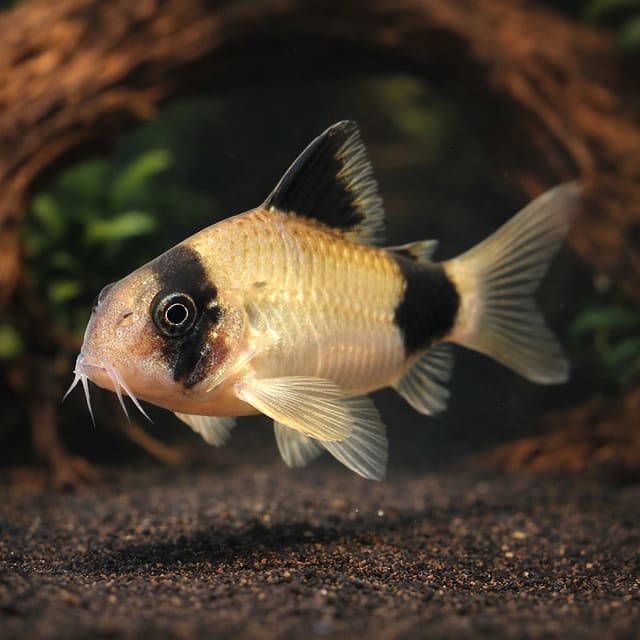
Panda Cory Catfish (Corydoras panda)
22–25°C · pH 6–7.4
£7.29
Hoplosternum thoracatum, the Hoplo Cat, is a peaceful South American catfish for a spacious mature aquarium with soft substrate, shelter and clear surface access. One live fish per purchase, with five size choices.
Hoplosternum thoracatum
Minimum of 2 per order.
Hoplosternum thoracatum, the Hoplo Cat, is a peaceful South American catfish for a spacious mature aquarium with soft substrate, shelter and clear surface access. One live fish per purchase, with five size choices.
Maintain these water conditions for optimal health and vibrant colors
The Hoplo Cat is an engaging South American catfish for an aquarium with a generous floor area, open access to the surface and room to forage. Its mottled body, conspicuous barbels and armoured outline give it a very different presence from a shoal of midwater fish. Watch it work across the substrate at feeding time and much of its appeal becomes obvious: this is a fish with its own daily activities, rather than simply something to fill an empty corner.
This listing is for Atipa, Hoplo Cat, Bubblenes (Hoplosternum thoracatum). The accepted scientific name is Megalechis thoracata; FishBase treats Hoplosternum thoracatum as a synonym of that same species. You will encounter both names in aquarium literature. Keeping that connection in mind makes it easier to recognise relevant care information without confusing a familiar trade name with a different animal.
One purchase supplies one live fish of the selected size. The size choices are 3–3.5 cm, 4–4.5 cm, 5–6 cm, 6.5–8 cm and 8.5–10 cm; use the selector to choose your fish. The size you select is the size supplied, not the adult size. A smaller fish still needs an aquarium planned for its eventual size, feeding activity and waste production, so choose the long-term home before deciding which starting size suits your setup.
Sex is guaranteed only when the selected option explicitly states male or female. This Atipa, Hoplo Cat, Bubblenes listing has no sex-guaranteed option.
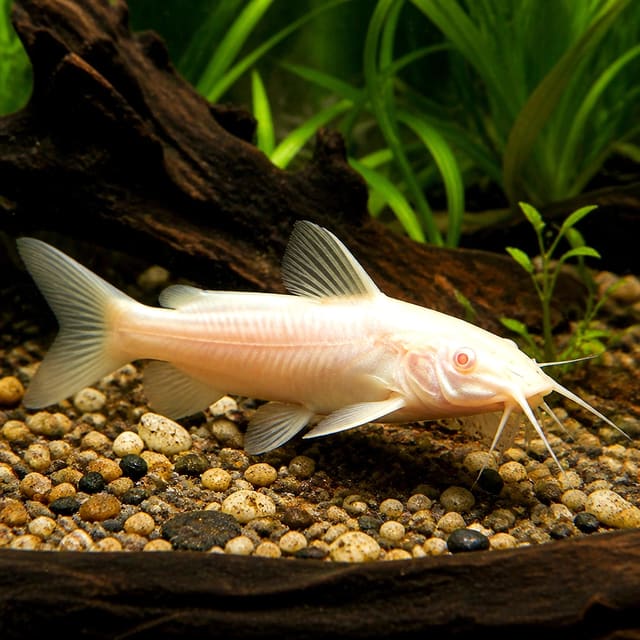
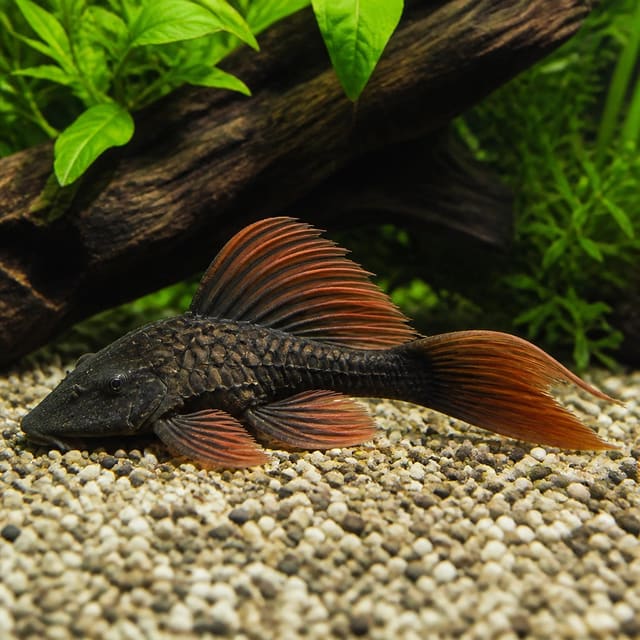
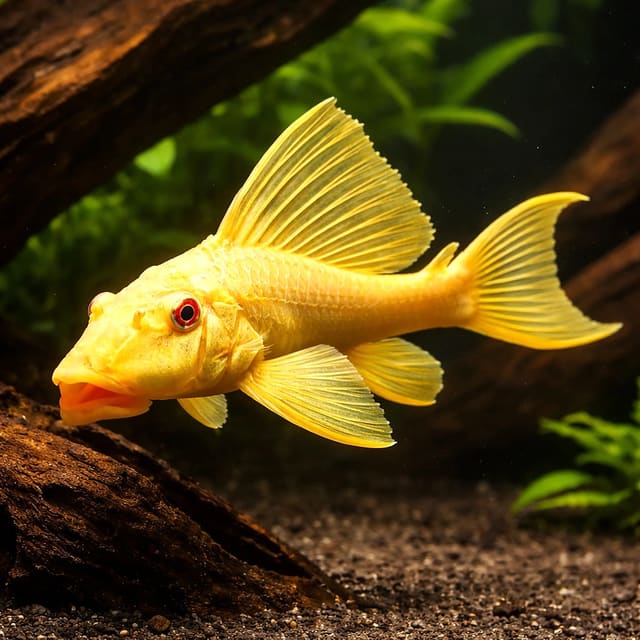
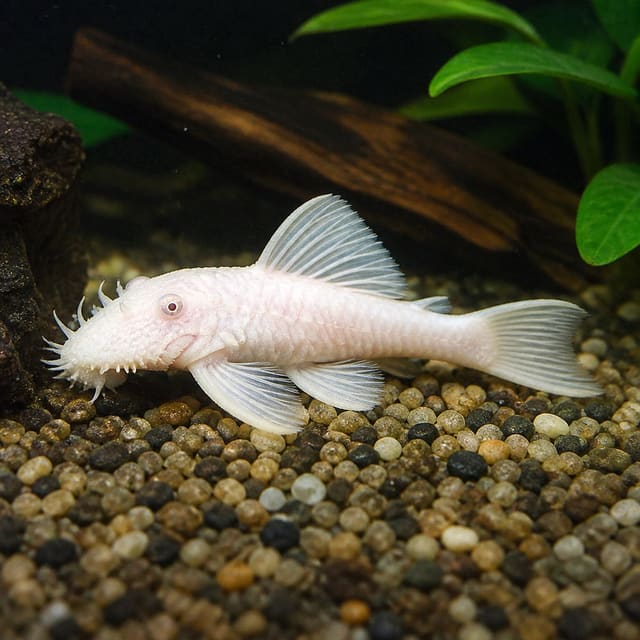
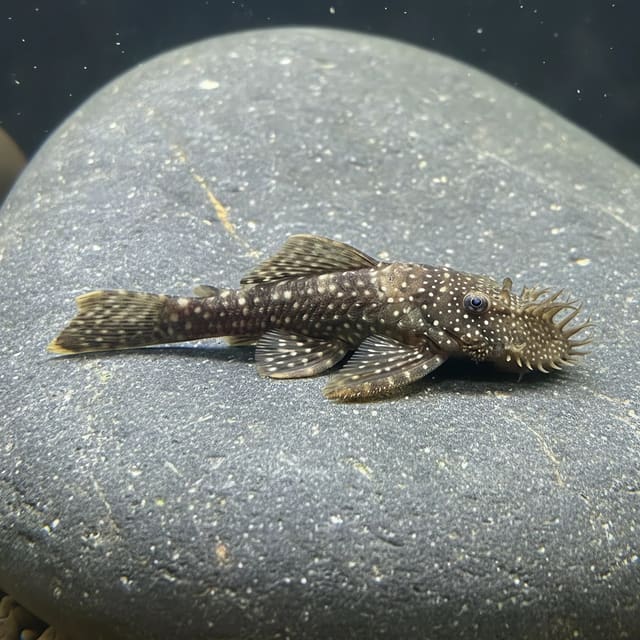
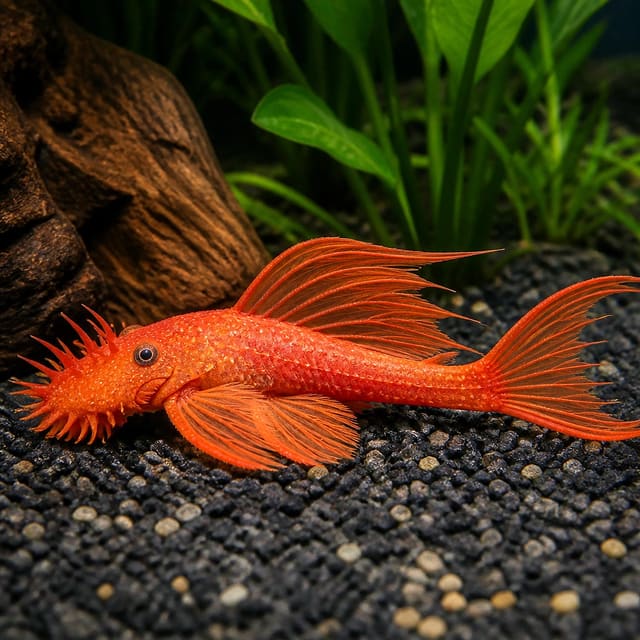
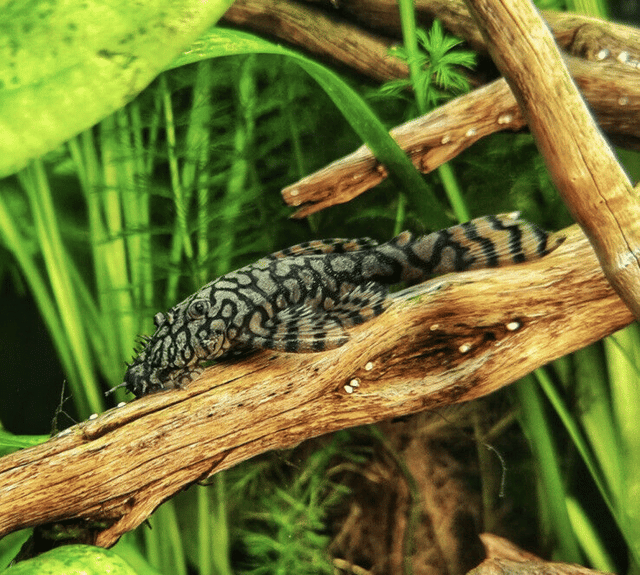
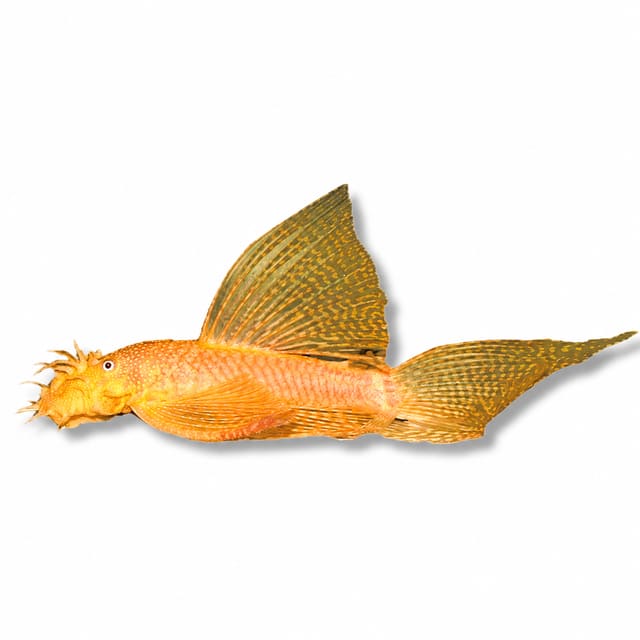
The gallery images are representative of this type of animal rather than photographs of the exact animal supplied, so colours can look slightly different from the live animal.
A good Hoplo aquarium combines usable bottom space with shelter. Sand or fine gravel allows rooting and food searching, while wood, plants and smooth rocks provide places to rest. Arrange those features around open routes rather than filling every available patch of floor. The fish should be able to leave a sheltered spot, travel to a feeding area and reach the surface without squeezing between obstacles.
Seriously Fish describes the species as a peaceful, adaptable community fish. That makes it a useful candidate for a considered community aquarium, but the word community still needs some thought. Every resident must be comfortable in the same water, have enough room at adult size and receive its own share of food. A peaceful catfish can be disadvantaged by pushy companions even when no obvious fighting takes place.
Its ability to take atmospheric air is another distinctive feature. Brief trips to the surface can be part of ordinary behaviour, including in well-maintained aquariums. Leave a clear route up through the layout and judge a change in breathing alongside water tests and the behaviour of the other fish. Air breathing does not remove the need for a mature filter or clean, oxygenated water.
The Hoplo suits someone who enjoys observing bottom-dwelling fish and can provide direct feeding, regular water checks and a spacious layout. It accepts a variety of prepared foods, with appropriate live or frozen foods adding variety. Plan food that actually reaches it; relying on whatever falls past the other residents makes it difficult to know whether it has eaten enough.
Start by considering the aquarium you already have: its footprint, measured water chemistry, established residents and the way food moves through the tank. Those details tell you more than a general label such as hardy. If the lower level is already crowded with other fish, adding more cover alone may not solve the space problem. The catfish and pleco collection is useful for comparing different kinds of bottom-dwelling fish before committing to a particular plan.
FishBase records a maximum length of 15.5 cm SL for male or unsexed fish. Seriously Fish gives 150 mm SL, equivalent to 15 cm standard length. Standard length excludes the tail fin. These are useful guides to the scale of the fish, but neither should be read as a whole-animal measurement including the tail or as a promise that each individual will stop growing at exactly that length.
For planning, think of an adult Hoplo as a substantial catfish that needs room to turn, forage and move around décor. A small arrival can initially make an aquarium look very spacious. The more useful question is whether those same passages and feeding areas will still work when the fish is much larger. Avoid choosing tunnels or gaps that are only comfortable at the purchase size.
The species profile gives a tank base of 120 × 38 cm, with an example measuring 120 × 38 × 30 cm and approximately 137 litres. Those dimensions describe the profile's aquarium example. They are not a stocking allowance for each fish, nor a guarantee that any aquarium sold with a similar litre figure has the same usable room. Wood, substrate and equipment also occupy space, and the actual water held will be less than a simple external-volume calculation.
Pay particular attention to length and width. A tall, narrow aquarium can hold a respectable volume while still leaving little bottom space for a catfish. Use the profile footprint as a starting point, then assess the planned number of fish, the size and behaviour of other residents and how much floor remains open after decoration. A group or a busy community requires more room than the bare layout alone suggests.
Look at the tank from the front and from above. Can the fish pass around each main piece of wood? Are there sheltered places with more than one way out? Does the feeding area remain accessible when another resident is resting nearby? These simple checks help turn a nominally large aquarium into a genuinely usable home.
Leave enough access for maintenance as well. If a sheltered corner is impossible to reach with a siphon, food and waste can collect there unnoticed. A layout that allows gentle cleaning around the shelter will be easier to maintain without dismantling the fish's surroundings. Position larger items securely before adding livestock, and check that they cannot tip when the substrate is disturbed.
The species is associated with still waters across northern South America. FishBase records a distribution including the Amazon, Orinoco and upper Paraguay basins, together with coastal rivers of the Guianas and northern Brazil. This describes the species' natural range; it does not identify where an individual aquarium fish was bred or collected. In a home aquarium, the useful practical lessons are room to explore near the bottom, suitable cover and dependable water quality.
Seriously Fish recommends sand or fine gravel because the fish roots through the substrate while searching for food. Choose a substrate intended for aquarium use and keep the feeding surface accessible. Smooth material is preferable to an abrasive surface, and sharp decorative edges have no useful place along the routes the fish uses repeatedly.
Wood, rocks and plants can break up the view and provide cover without making the aquarium dark or cramped. Leave some open substrate between them. A sheltered resting place and a clear feeding patch serve different purposes; combining both in one narrow cave can create unnecessary competition when other bottom dwellers are present.
Plants may be used as part of the layout, but choose and position them with routine cleaning and rooting activity in mind. Keep delicate newly planted areas away from the main feeding patch where practical. Watch how the arrangement works once the fish is exploring it, and make small, deliberate adjustments if an item blocks a route or traps food.
The care profile describes slow or still flow, while noting that the species can adapt to stronger movement. You can provide effective filtration without directing a forceful outlet straight across every resting place. Observe where the fish chooses to rest and whether it is continually pushed away from food; adjust outlet direction if the layout offers no quieter area.
Lighting can be selected to suit the plants and the overall display. Give the fish some shaded cover within the display so that resting is possible away from the brightest area. Lighting is only one part of the arrangement: shelter, feeding access and the behaviour of other residents matter too.
Keep a clear path to the water surface and use a secure, properly fitted aquarium cover that does not obstruct necessary equipment. Check gaps around cables and pipes. Floating plants, if used, should leave space for the fish to reach the surface easily. During feeding or cleaning, replace the cover promptly and make sure no décor has shifted into a route the fish normally uses.
| Care point | Aquarium guidance |
|---|---|
| Temperature | 18–28°C |
| pH | 6.0–8.0 |
| General hardness | Up to 20 dGH; the profile quick facts give 0–20 dGH |
| Ammonia and nitrite | Zero mg/l, following general OATA aquarium guidance |
The temperature, pH and hardness figures above are the species aquarium guidance in Seriously Fish's Hoplo profile. They describe a range for planning a suitable aquarium, not a reason to move an established fish repeatedly between the extremes. Choose a stable setting that also suits the other residents, and compare both tank water and replacement water before making changes.
General hardness describes dissolved minerals and is different from pH. A pH result alone does not tell you whether the hardness is appropriate. Test rather than guessing from how clear the water looks, and be consistent about recording the units used by your kit. Our aquarium water chemistry guide explains what the main measurements tell you and how to read them together.
A mature biological filter is essential. Fish release ammonia, and the filter's bacterial community processes it through nitrite towards nitrate. Both ammonia and nitrite are harmful; a new aquarium that has been filled, heated and made visually attractive has not necessarily developed the biological capacity to support fish. Establish and test the system before adding livestock.
Use the first tropical aquarium guide when planning a new setup. An established tank also needs care when its population increases. More fish and more food create more waste, so add livestock gradually and keep checking water quality as the filter adjusts. A tank's age alone does not prove that it can accept a large increase in feeding.
Keep a simple record of temperature and test results alongside feeding and maintenance notes. That makes it easier to spot whether a change followed a new fish, a filter clean or an unusually heavy feed. The purpose is practical: a short record gives you something concrete to discuss when seeking advice, instead of relying on a memory that the water was probably fine.
The Hoplo's air breathing can make surface trips look alarming to someone seeing them for the first time. A quick rise followed by normal activity can be natural. A sudden change in frequency, prolonged difficulty, loss of appetite or several fish gathering at the surface deserves prompt attention. Check water quality and equipment and seek advice; do not dismiss distress because this species can breathe air.
Seriously Fish reports that Hoplos accept most commercially available foods and recommends including live or frozen food in the diet. Choose an appropriate prepared sinking food as a practical starting point, then provide suitable variety. The important distinction is between deliberately feeding the fish and assuming that scavenging will cover its needs.
Watch the food reach the substrate and see which fish actually eats it. In a lively community, midwater residents may intercept much of a ration before the catfish has a chance. A food can be labelled sinking and still disappear into other mouths on the way down. Feeding in more than one accessible place can help you see whether each resident has a fair opportunity.
Offer pieces the fish can manage comfortably. A small juvenile and a larger Hoplo may need different food sizes even when both accept the same type of prepared diet. Use the food manufacturer's directions as a starting point and observe the fish, rather than adding extra simply because it continues to search the bottom.
OATA's general catfish advice is to give an appropriate sinking food and feed only what can be eaten within a few minutes, normally once a day. Treat that as broad husbandry guidance, then seek advice on the ration for the actual size and condition of your fish. There is no benefit in leaving a large pile of food to break down while hoping the catfish will find it later.
A useful routine lets you confirm appetite and access to food without repeatedly disturbing the aquarium. Place food where you can see the fish feeding, while keeping that place close enough to cover that it need not compete in the busiest part of the tank. If one resident repeatedly takes over, change the arrangement or feeding distribution rather than simply increasing the total ration.
Remove uneaten food when practical and look for pieces caught behind wood or under leaves. Leftovers add to the load on the filter as they decompose. A catfish may find some missed food, but it also produces waste of its own; keeping one does not reduce the need for water changes or substrate cleaning.
Check body condition as well as enthusiasm. A fish that appears at every feeding is not necessarily receiving a balanced share, and a fish that keeps searching is not necessarily hungry. Notice whether it can take food, whether another resident displaces it and whether its condition changes over time. Persistent feeding problems call for water checks and informed advice rather than an improvised treatment.
OATA recommends, as general catfish care, testing the water at least weekly and making a partial water change of about 25% at least once a week. Use that as a baseline to review against your aquarium's test results, population and feeding. A heavily stocked tank may need a different schedule; the aim is consistent good water quality, not simply completing a fixed chore regardless of what the tests show.
Treat replacement tap water with a suitable conditioner to deal with chlorine or chloramine before it enters the aquarium. Prepare it so that the change does not cause a sudden temperature or chemistry shift. Make changes calmly and keep track of how much water you remove, especially in a tank where large pieces of wood occupy a considerable part of the nominal volume.
Use a siphon to lift accumulated debris from accessible substrate, including the edges of feeding areas. Take care around the fish and its barbels, and avoid chasing it from one hiding place to another. If the same area repeatedly traps food, a modest layout adjustment may make future cleaning easier than repeatedly disturbing the whole aquarium.
Check the filter for reduced flow or blockage. When media needs cleaning, OATA advises a light rinse in aquarium water removed during a water change rather than washing it under chlorinated tap water. Preserve the biological community that processes waste, and follow the filter manufacturer's maintenance instructions. A filter that looks spotless is not automatically a better biological filter.
During normal observation, look for changes in appetite, breathing, swimming, hiding, fins and general body condition. Use the fish's usual behaviour as your reference point. Resting on the bottom is ordinary for a bottom-dwelling fish; a marked change from its normal routine, especially with other symptoms, is more informative than a single position in the aquarium.
If something changes, test the water and check that the heater and filter are working. Record the results and contact an experienced aquarium retailer or an aquatic veterinary professional when appropriate. Clear observations, recent maintenance details and accurate test readings make it easier to obtain useful advice. Avoid adding treatments on the strength of colour change or one missed feed alone.
Arrange for someone to receive the parcel and have the aquarium ready before the confirmed delivery date. Tropical Fish Co's delivery and Live Arrival Guarantee policy explains the licensed live-animal courier service, packing and current conditions. Open and inspect the parcel on the day it arrives and follow the supplied acclimatisation guidance; do not pour transport water into the aquarium.
For a Live Arrival Guarantee claim, the policy requires a continuous unboxing video showing the parcel still sealed, its opening and the fish inside the sealed bag before anything is disturbed. Prepare to record this before opening the box, and contact the team the same day with your order number if there is a problem. The video provides evidence for a claim; settling the fish still depends on a suitable aquarium and careful acclimatisation.
The species profile describes the Hoplo as peaceful and names tetras and barbs among possible companions. Use those groups as starting points for research, then check the exact species you intend to keep. Fish within the same broad group can differ in temperature needs, adult size, activity and feeding behaviour. A familiar group name is not enough to settle a stocking decision.
Choose residents whose routine conditions overlap comfortably with the Hoplo's needs. The water parameter matcher can help compare measured water against guidance, but it cannot assess temperament or available floor space for you. Check those separately, and consider what the aquarium will be like when all its inhabitants are fully grown.
Seriously Fish also notes the Hoplo's adaptability in setups with larger, more aggressive fish, including some Central American cichlids. That is a description of its robustness, not a guarantee that an aggressive individual will leave it alone. There is no reason to expose a peaceful catfish to persistent chasing, biting or exclusion from food simply because the species is considered hardy.
When other bottom-dwelling fish are present, assess feeding patches and shelter as shared resources. A tank may appear calm during the day yet become crowded when sinking food arrives. Observe several feeds, look for a fish being repeatedly displaced and make sure the quietest resident is still able to eat. More décor helps only when it creates usable routes and spaces.
Discuss the intended number of Hoplos in relation to your aquarium and existing residents rather than borrowing a shoal size from another catfish. If considering more than one, plan enough space and keep watching their interactions as they mature. Avoid treating a purchase of two unsexed fish as a bonded breeding pair.
Breeding behaviour can change the social picture. Hoplos are bubble-nesters, and the species profile reports that a male guarding a nest may become aggressive towards the female. A community that is calm under ordinary conditions still needs observation if nest guarding begins. Keep a practical separation plan for persistent harassment, and seek specific breeding advice before attempting a breeding setup.
If your main aim is to watch a group of catfish forage together, compare the Hoplo with Bronze Corydoras and read their own care requirements. OATA explicitly identifies Corydoras as shoaling fish; their group planning should not be transferred automatically to a Hoplo. This is a comparison of different aquarium choices, not a suggestion that buying both creates a suitable community.
Finally, leave room to respond to the fish you actually keep. Individual behaviour, access to food and the way the layout develops all matter after purchase. A good stocking plan includes capacity to reduce competition or separate a problem resident, rather than depending on every fish behaving exactly as its general description suggests.
FishBase records 15.5 cm standard length for male or unsexed fish, while Seriously Fish gives 15 cm standard length. Standard length excludes the tail, so allow additional room for the whole fish and for comfortable movement.
The species profile gives a 120 × 38 cm base and an example of approximately 137 litres. Assess usable floor space, decoration and other residents as well; that example is not a group stocking allowance.
Plan the intended number around the aquarium's space and residents, and obtain advice on the actual arrangement rather than applying a Corydoras shoal rule. Give each fish feeding access and watch their interactions as they mature.
Its adaptable, peaceful nature can suit a carefully planned community, but the aquarium must already have a mature filter, suitable floor space and stable water. Direct feeding and regular testing remain part of its care.
It accepts commercially prepared foods, with suitable live or frozen food adding variety. Give appropriate sinking food directly and confirm that the catfish receives its share; leftovers are not a complete feeding plan.
The species aquarium guidance is 18–28°C, pH 6.0–8.0 and general hardness up to 20 dGH. Maintain stable conditions within that guidance that also suit the other residents.
Seriously Fish names tetras and barbs as possible companions. Check the exact species' water needs, adult size and behaviour, and make sure all residents can feed without persistent competition.
Tropical Fish Co uses a licensed live-animal courier, oxygen-filled bags and insulated packing. Be present to receive the parcel and inspect it the same day. A Live Arrival Guarantee claim requires continuous video from the sealed parcel through opening to the fish in its sealed bag, plus same-day contact with your order number.
FishBase: species identity and recorded size connects the familiar trade name with the accepted name and records the measurement's standard-length and sex scope. Seriously Fish supplies the species aquarium guidance linked above.
OATA: freshwater catfish care provides general feeding, water-testing and maintenance advice. Its guidance covers many different catfish and should be read alongside species needs. RSPCA: the aquarium environment explains biological filtration and the importance of a properly maintained home for fish.
No reviews for this item yet. Bought one? Honest reviews only, good or bad.
What customers say about ordering from us
Easy website plenty of info on fish your buying great to pick a time slot
TRACEY DURRANT · 7 Oct 2026
Got some lovely fish thank you
Kevin Mackie · 7 Oct 2026
Reviews of our shop, collected by Judge.me, an independent third-party review collector. Newest first.