Moderate
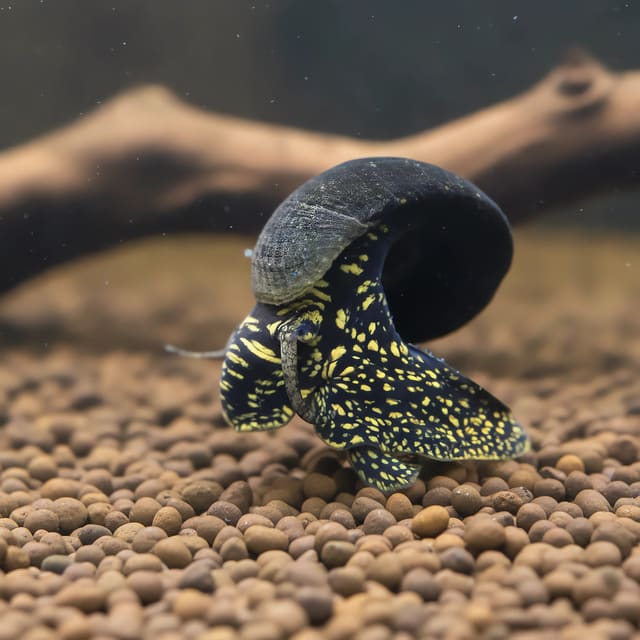
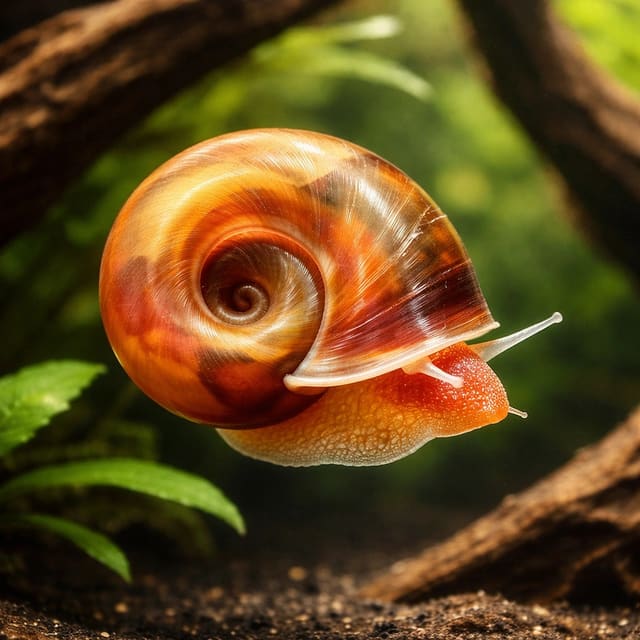
Australs Blue Aquarium Snail (Amularis sp. Trade Name)
20–26°C · pH 7–8.2
£9.99
Photo coming soon
The size, price and care details on this page are for this listing.
Rare white Amularis sp. australs, 2–2.5 cm. A striking, peaceful aquarium species for planted tanks and nano-to-medium setups.
Adult size is the maximum length this species reaches at full maturity (scientific sources). The livestock you receive will be younger and smaller — pick a size above for the actual shipping size. Product-photo provenance and any image-specific limitations are stated on the listing.
Amularis sp. australs white
Lives in groups: kept together they stay settled, active and show their best colour.
Rare white Amularis sp. australs, 2–2.5 cm. A striking, peaceful aquarium species for planted tanks and nano-to-medium setups.
Adult size is the maximum length this species reaches at full maturity (scientific sources). The livestock you receive will be younger and smaller — pick a size above for the actual shipping size. Product-photo provenance and any image-specific limitations are stated on the listing.
Maintain these water conditions for optimal health and vibrant colors
Amularis sp. australs white is a distinctive white form of a small freshwater aquarium species, offered here at approximately 2–2.5 cm. With its pale, eye-catching colouration and compact size, it makes an appealing choice for aquarists looking for something a little different from the usual community fish. This species is best kept in a well-maintained, mature aquarium with stable water conditions and plenty of cover.
Although still uncommon in the hobby, Amularis sp. australs white is generally regarded as a peaceful, manageable species for keepers with some basic fishkeeping experience. It is well suited to planted aquariums, where it can explore, graze and settle into a calm environment. As with all live fish, we recommend allowing the aquarium to fully cycle before introduction and acclimating slowly on arrival.
All livestock is supplied with our live arrival guarantee, and we offer fast UK delivery to help ensure your fish arrive in excellent condition. The small size of this variant makes it ideal for careful observation as it grows and adapts to its new home.
| Attribute | Recommendation |
|---|---|
| Scientific name | Amularis sp. australs white |
| Common name | White Amularis |
| Adult size | Approx. 4–6 cm |
| Temperament | Peaceful |
| Care level | Moderate |
| Minimum tank size | 60 litres |
| Temperature | 22–26°C |
| pH | 6.5–7.5 |
| Diet | Omnivore with a preference for small live, frozen and prepared foods |
| Tank zone | Middle to bottom |
As a lesser-known aquarium species, Amularis sp. australs is associated with freshwater habitats in the Australasian region. In the wild, fish from similar environments are often found in slow-moving streams, sheltered margins, and vegetated waters where they can feed among plants, roots and leaf litter. These habitats tend to be warm, moderately soft to neutral in water chemistry, and rich in natural cover.
The white form offered in the aquarium trade is a selectively bred or colour variant line, valued for its pale appearance. While colour forms can differ from their wild-type relatives, their basic care requirements remain similar: stable water, gentle filtration, and a calm environment with hiding places. Replicating a naturalistic layout with plants, driftwood and open swimming space will help this fish thrive.
A planted aquarium with subdued lighting and plenty of structure is ideal. Use fine-leaved plants, mosses, driftwood and rockwork to create shaded areas and visual barriers. This helps reduce stress and allows the fish to establish territories or resting spots without conflict. A soft substrate is preferable if the species spends time near the bottom or foraging around the tank.
Filtration should provide clean, well-oxygenated water without excessive current. Regular maintenance is important: perform weekly water changes of around 20–30% and keep ammonia and nitrite at zero. Because this species is relatively small, it can be sensitive to poor water quality and sudden changes in temperature or pH.
Recommended parameters: temperature 22–26°C, pH 6.5–7.5, with stable conditions and moderate hardness. A tank of at least 60 litres is recommended for a small group or a carefully planned community setup, though larger aquariums always provide more stability and better long-term success.
When adding new fish, dim the lights and float the bag to equalise temperature before gradually mixing tank water into the transport water. Avoid rushing the acclimation process, especially for smaller specimens at 2–2.5 cm.
Amularis sp. australs white is best described as an omnivore with a strong preference for small, protein-rich foods. Offer a varied diet to support growth, colour and overall health. Good staples include quality micro pellets or small sinking pellets, supplemented with frozen or live foods such as daphnia, baby brine shrimp, cyclops and bloodworm in moderation.
Include some plant-based or vegetable matter where appropriate, such as spirulina-based foods or finely crushed flake with added greens. Feed small portions once or twice daily, only as much as the fish will consume in a couple of minutes. Overfeeding can quickly affect water quality, so consistency and moderation are key.
Young fish at this size may appreciate frequent, tiny meals while they settle in. A varied feeding routine will help them grow well and display their best colouration.
This species is generally peaceful and should be kept with similarly calm tank mates that will not outcompete it for food or harass it. Good companions may include small rasboras, peaceful tetras, dwarf corydoras, small loaches, shrimp in established tanks, and other non-aggressive community fish of comparable size.
Avoid large, boisterous, fin-nipping or predatory species. Fast feeders can also be a problem if the fish is shy or slow to settle. If keeping in a community aquarium, ensure there are enough hiding places and feeding points so the fish can eat without stress.
For the best results, keep with species that enjoy similar water parameters and a calm aquascape. A small group may be possible depending on tank size and layout, but always monitor behaviour closely after introduction.
At Tropical Fish Co, we focus on healthy, well-conditioned livestock and careful packing for the journey to your door. Every order is supported by our live arrival guarantee, and we use fast UK delivery to help minimise transit time and stress. We understand how important it is to receive fish in excellent condition, especially when ordering rarer species or smaller juveniles.
Our team aims to provide accurate care information, quality stock and reliable service so you can buy with confidence. Whether you are building a planted community aquarium or looking for a distinctive new addition, Amularis sp. australs white is a striking choice that rewards good husbandry with an attractive display and engaging behaviour.
If you are preparing for this species, make sure your aquarium is fully cycled, your water parameters are stable, and your tank mates are carefully chosen. With the right setup, this elegant white form can become a standout feature in a well-planned freshwater aquarium.
No reviews for this item yet. Bought one? Honest reviews only, good or bad.
What customers say about ordering from us
Easy website plenty of info on fish your buying great to pick a time slot
TRACEY DURRANT · 7 Oct 2026
Got some lovely fish thank you
Kevin Mackie · 7 Oct 2026
Reviews of our shop, collected by Judge.me, an independent third-party review collector. Newest first.