Moderate
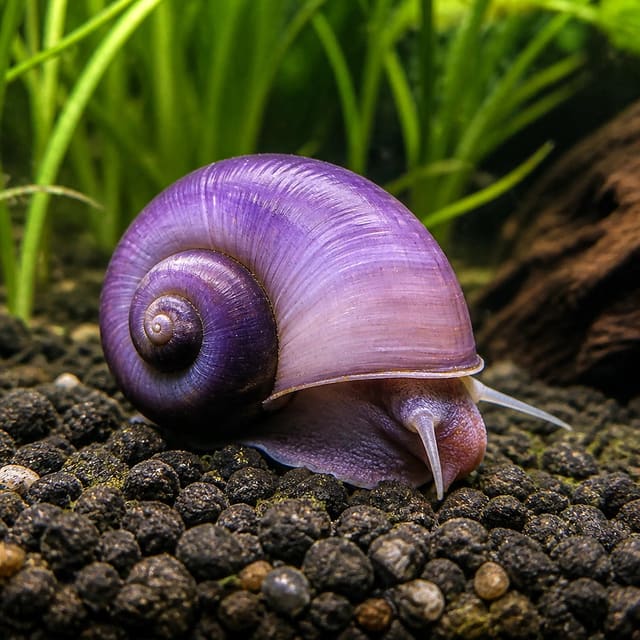
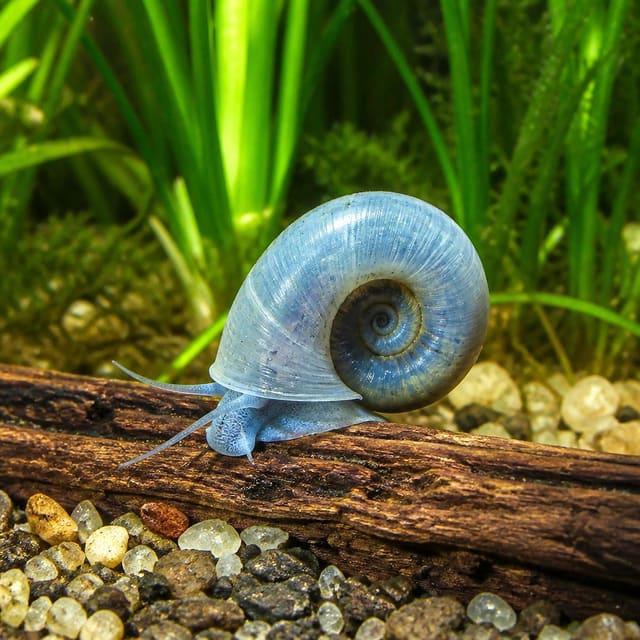
Australs Blue Aquarium Snail (Amularis sp. Trade Name)
20–26°C · pH 7–8.2
£9.99
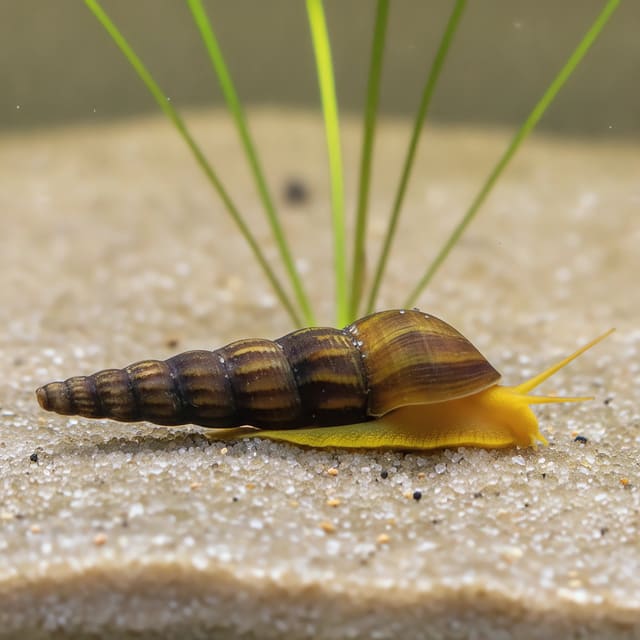
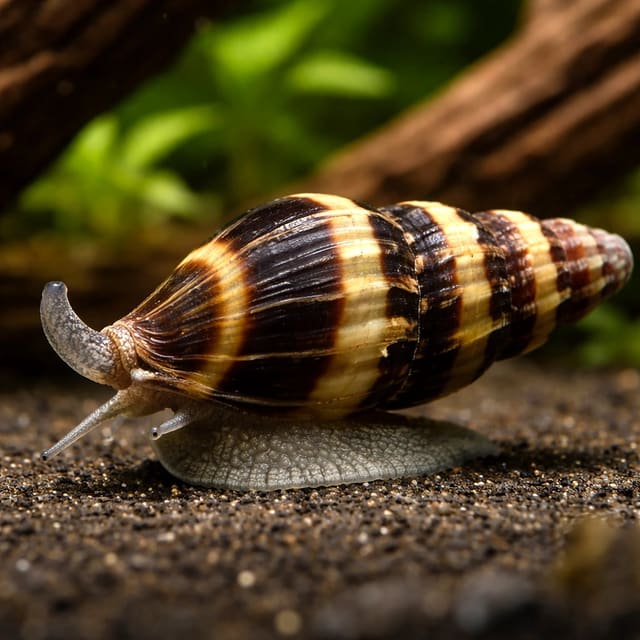
A striking Australs Pink Amularis in 2-2.5 cm size - peaceful, hardy and perfect for planted community aquariums.
Adult size is the maximum length this species reaches at full maturity (scientific sources). The livestock you receive will be younger and smaller — pick a size above for the actual shipping size. Product-photo provenance and any image-specific limitations are stated on the listing.
Amularis sp. australs pink
Lives in groups: kept together they stay settled, active and show their best colour.
A striking Australs Pink Amularis in 2-2.5 cm size - peaceful, hardy and perfect for planted community aquariums.
Adult size is the maximum length this species reaches at full maturity (scientific sources). The livestock you receive will be younger and smaller — pick a size above for the actual shipping size. Product-photo provenance and any image-specific limitations are stated on the listing.
Maintain these water conditions for optimal health and vibrant colors
The Australs Pink Amularis sp. australs pink is a beautiful live fish choice for aquarists looking for a colourful, peaceful addition to a well-kept aquarium. Offered here at 2-2.5 cm, these young fish are ideal for acclimating into established tanks where they can grow on and settle into their surroundings. Their soft pink tones and active, inquisitive behaviour make them a standout feature in planted displays and calm community setups.
As with many lesser-known aquarium species, this fish is best kept in stable, mature conditions with good water quality and regular maintenance. It is suitable for hobbyists who enjoy observing natural behaviour and providing a thoughtfully aquascaped environment. At Tropical Fish Co, we carefully pack livestock for fast UK delivery and back every order with our live arrival guarantee, giving you confidence when ordering online.
Because this species is sold as Amularis sp., some variation in appearance and adult characteristics may occur. The information below is based on the best available biological understanding of the genus and similar small tropical freshwater fish, with sensible husbandry guidance to help you achieve long-term success.
| Care factor | Recommendation |
|---|---|
| Scientific name | Amularis sp. australs pink |
| Common name | Australs Pink Amularis |
| Care level | Moderate |
| Temperament | Peaceful |
| Adult size | Approx. 4-5 cm |
| Minimum tank size | 60 litres |
| Temperature | 22-26°C |
| pH | 6.5-7.5 |
| Diet | Omnivore; accepts quality micro foods, frozen and live foods |
| Tank region | Middle |
As a species listed under Amularis sp., the exact wild origin of the Australs Pink form is not always fully documented in the aquarium trade. Fish in this group are typically associated with warm freshwater habitats, often slow-moving or still waters with vegetation, submerged roots, leaf litter and gentle current. In nature, such environments provide cover from predators, access to small invertebrates and biofilm, and plenty of shaded areas for security.
For aquarium keeping, this means the fish will appreciate a setup that mimics a calm, planted habitat. A dark substrate, driftwood, live plants and open swimming space will help reduce stress and encourage natural behaviour. Soft lighting and areas of dappled shade are especially beneficial if you want the fish to display its best colouration.
A mature aquarium of at least 60 litres is recommended for a small group or a carefully chosen community. These fish do best in stable water with low levels of ammonia and nitrite, and with nitrate kept as low as practical through regular maintenance. A gentle filter is ideal; avoid excessive flow unless your specific stock is known to prefer stronger movement.
Provide plenty of planting, including fine-leaved plants, floating cover and sheltered corners. This helps create territories and reduces nervous behaviour. Smooth wood, stones and leaf litter can be used to create a natural look, but ensure there are no sharp edges that could damage delicate fins or bodies. A secure lid is advisable, as many small tropical fish can be surprisingly active.
Recommended parameters: temperature 22-26°C, pH 6.5-7.5, with moderate hardness and excellent water quality. Regular partial water changes are important, particularly in smaller aquariums. Acclimate slowly on arrival, especially if your tank water differs from the holding water. This gives the fish the best chance to settle in after transit.
The Australs Pink Amularis is best treated as an omnivore with a preference for small, protein-rich foods. Offer a varied diet made up of high-quality micro pellets or granules, crushed flakes, frozen foods such as daphnia, baby brine shrimp and bloodworm, plus the occasional live food where appropriate. Variety is key to maintaining colour, condition and natural activity.
Feed small amounts once or twice daily, only what the fish can consume in a few minutes. Overfeeding should be avoided, as it can quickly affect water quality and lead to digestive issues. If kept with more boisterous tank mates, make sure the fish is getting its share of food by feeding in more than one area of the tank.
This is generally a peaceful species that suits calm community aquariums. Good tank mates include small tetras, rasboras, peaceful dwarf gouramis, Corydoras catfish, Otocinclus, small rainbowfish species and non-aggressive livebearers in appropriately sized tanks. It also works well with peaceful invertebrates in some setups, although very small shrimp may be at risk if the fish is large enough to view them as food.
Avoid aggressive, fin-nipping or overly competitive species, as well as large predatory fish that may intimidate or eat smaller individuals. Fast, hyperactive tank mates can also cause stress by outcompeting them for food. The best results come from a peaceful community with similar water requirements and plenty of visual cover.
When keeping multiple individuals, provide enough space and planting to reduce tension. A small group is often more rewarding than a lone fish, as it allows more natural behaviour and better confidence. Observe new introductions carefully and make sure all fish are feeding well.
At Tropical Fish Co, we specialise in healthy, well-cared-for aquatic livestock and aim to make online fish keeping as straightforward as possible. Our livestock is packed with care for fast UK delivery, and every order is protected by our live arrival guarantee. That means you can order with confidence, knowing we prioritise animal welfare from dispatch to delivery.
We also focus on clear, practical husbandry advice so you can give your fish the best possible start in your aquarium. Whether you are building a planted community tank or adding a distinctive new species to an established setup, the Australs Pink Amularis offers colour, interest and a rewarding keeping experience. If you are looking for a peaceful fish with real character, this is an excellent choice for the dedicated freshwater hobbyist.
No reviews for this item yet. Bought one? Honest reviews only, good or bad.
What customers say about ordering from us
Easy website plenty of info on fish your buying great to pick a time slot
TRACEY DURRANT · 7 Oct 2026
Got some lovely fish thank you
Kevin Mackie · 7 Oct 2026
Reviews of our shop, collected by Judge.me, an independent third-party review collector. Newest first.