Easy
Parallel Nerite Snail (Neritina sp.)
17–27°C · pH 6.5–8
£4.99
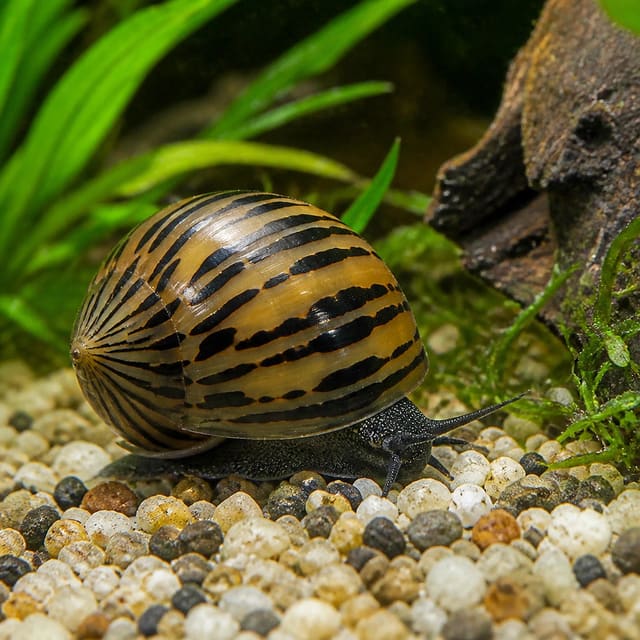
The Mystery Snail, Colour Mix (Amularis sp. australs) is a freshwater snail for mature, filtered aquariums. It suits keepers who can follow OATA’s freshwater-snail group guidance of 17–27°C, pH 6.5–8.0 and 4–18°dH. Sold individually at a dispatch size of 1.5–2.5 cm.
Amularis sp. australs
Lives in groups: kept together they stay settled, active and show their best colour.
The Mystery Snail, Colour Mix (Amularis sp. australs) is a freshwater snail for mature, filtered aquariums. It suits keepers who can follow OATA’s freshwater-snail group guidance of 17–27°C, pH 6.5–8.0 and 4–18°dH. Sold individually at a dispatch size of 1.5–2.5 cm.
Maintain these water conditions for optimal health and vibrant colors
The Mystery Snail, Colour Mix (Amularis sp. australs) is a freshwater aquarium snail for keepers who can provide mature biological filtration, stable water and protection from fish that eat snails. Plan around a filtered aquarium of at least 40 litres, increasing the volume when fish or additional livestock share the system. Keep ammonia and nitrite at zero and test the water every week.
Keep the aquarium at 17–27°C, pH 6.5–8.0 and 4–18°dH. OATA’s freshwater shrimp and snail guidance gives these broad group values, together with carbonate hardness of 3–15°dKH; they are not a species-specific optimum. These ranges make regular testing important: the goal is not merely to fall between two numbers, but to keep conditions clean and steady from one week to the next.
| Suits | Not suited to |
|---|---|
| A mature, filtered freshwater aquarium | An uncycled aquarium with detectable ammonia or nitrite |
| Keepers able to test water every week | Systems treated with products unsafe for invertebrates |
| Gravel or sand with plants and shelter | Aquariums containing pufferfish, loaches or other snail-eating fish |
| A planned feeding and maintenance routine | A tank expected to support the snail on incidental leftovers alone |
This snail grazes algae and can contribute to the control of nuisance growth, but it still needs supplementary food. It is not a replacement for aquarium maintenance, and its feeding must be included when judging the filter’s biological load.
Use the 40-litre baseline, stable water requirements and compatibility rules as the practical foundations of the setup. Greater volume becomes important when fish, more snails or additional feeding increase the work performed by the biological filter.
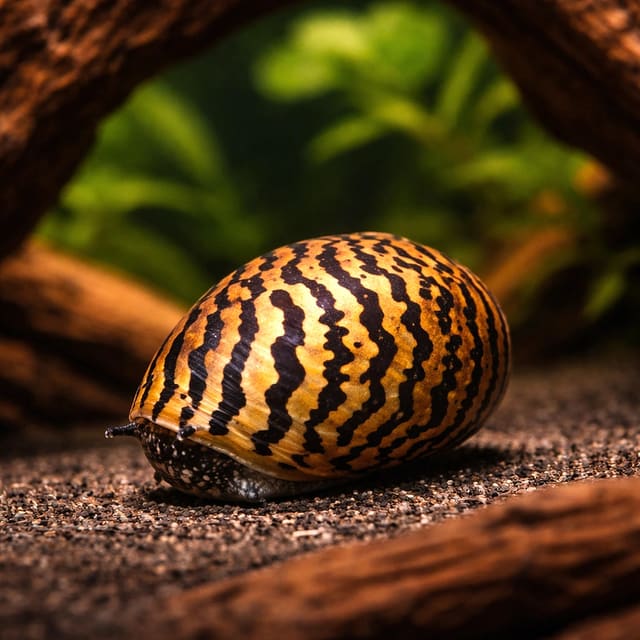
One purchase supplies one live snail at a dispatch size of 1.5–2.5 cm. That measurement describes the animal when it is sent; it is not an adult-size prediction. Colour mix means individual shell colours and patterns can vary, so choose this animal for the care it needs rather than for one exact arrangement of markings.
The exact species has not been identified, so the care advice here follows the genus Amularis and its care group.
Sex is guaranteed only when the selected option explicitly states male or female. This Mystery Snail, Colour Mix listing has no sex-guaranteed option.
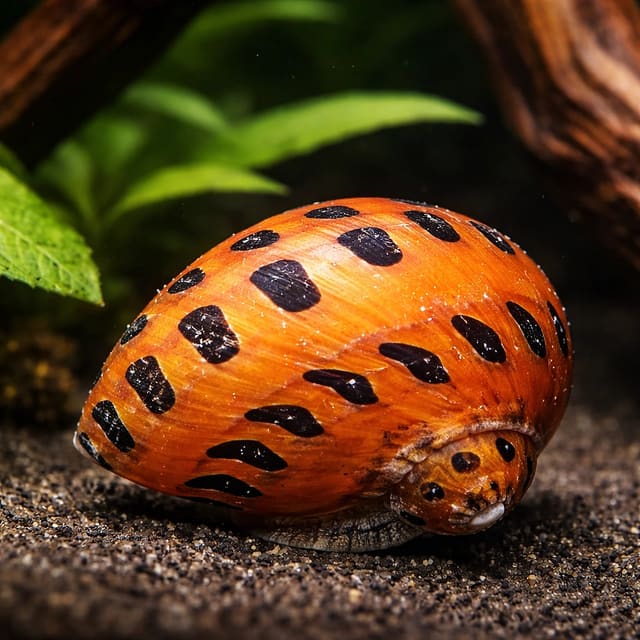
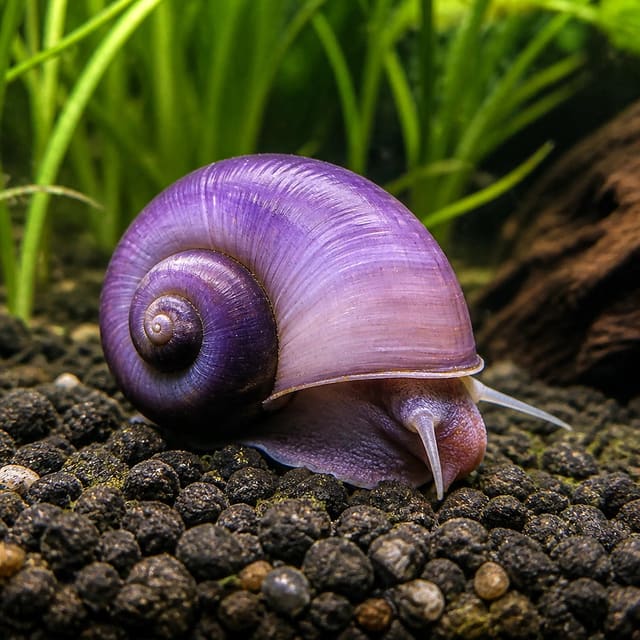
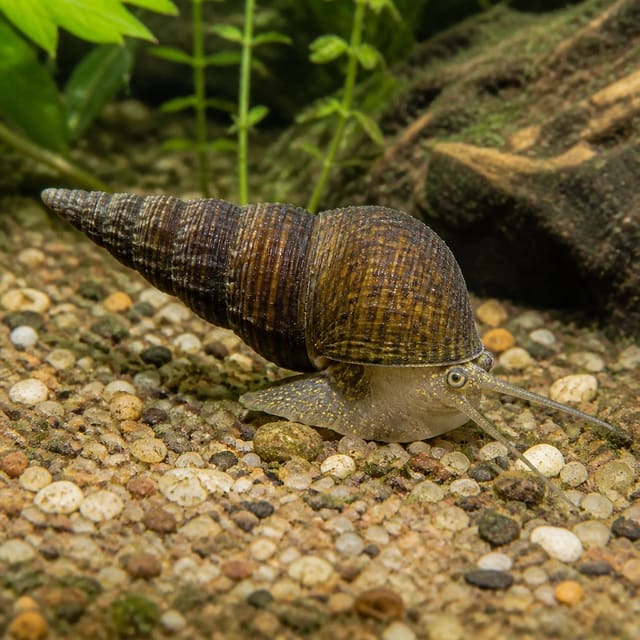
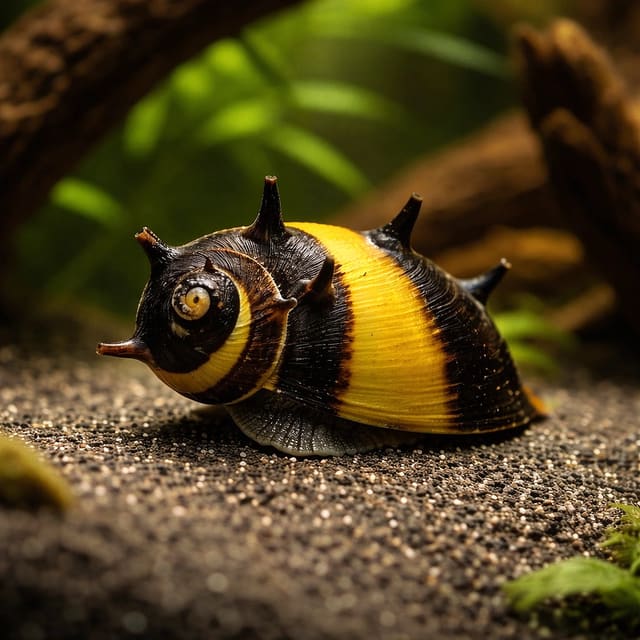
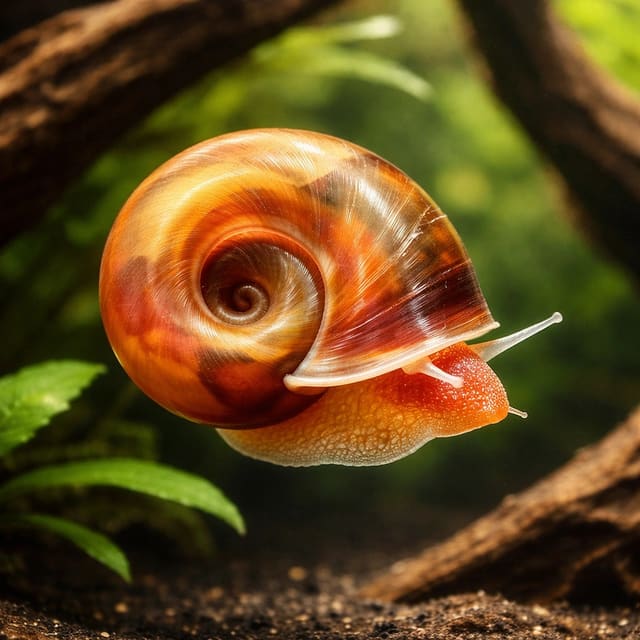
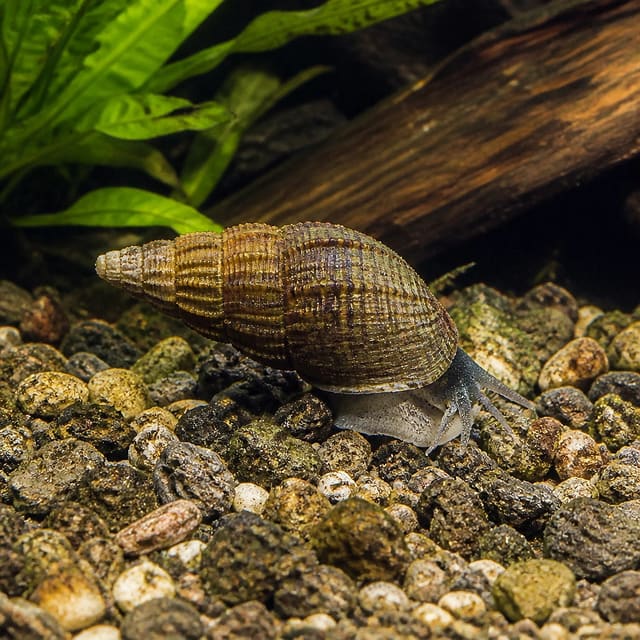
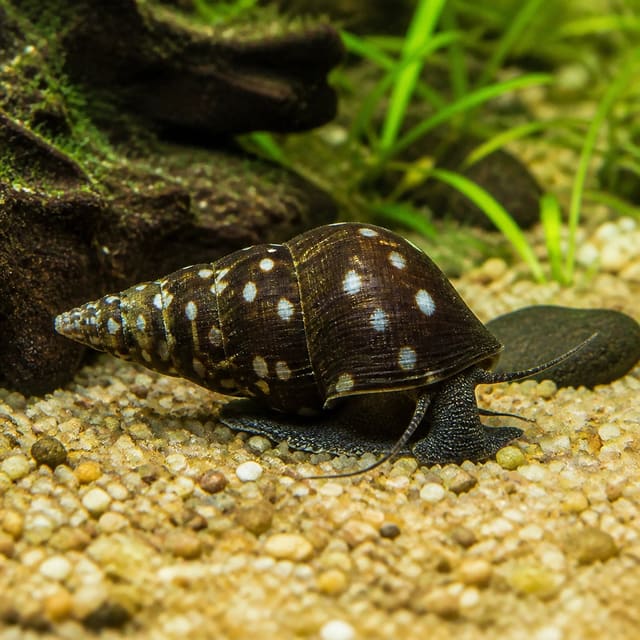
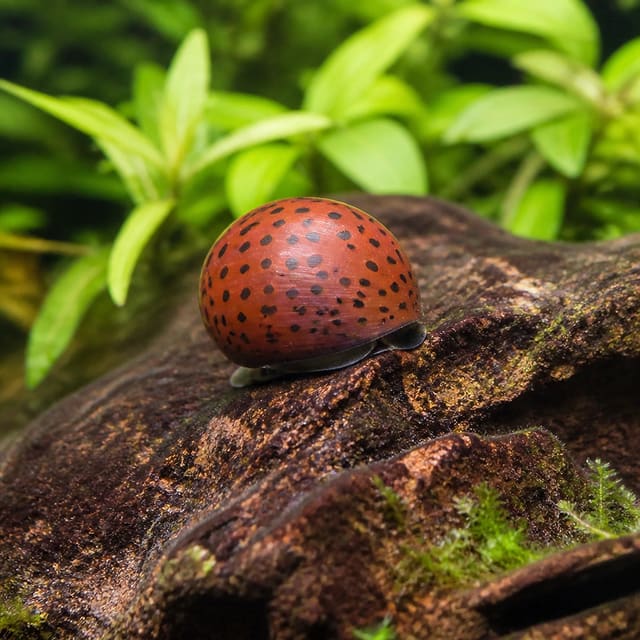
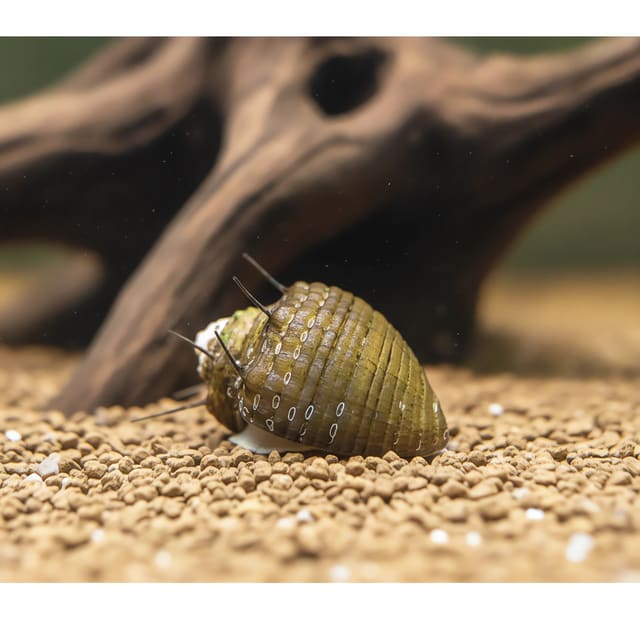
The gallery images are representative of this type of animal rather than photographs of the exact animal supplied, so colours can look slightly different from the live animal.
A snail measuring 1.5–2.5 cm still needs a complete aquarium rather than a temporary container scaled to its arrival size. Have the filter matured, test ammonia and nitrite before introduction, and confirm that every planned treatment is safe for invertebrates. Provide several accessible surfaces, such as gravel, sand, plants, wood or suitable ornaments, so the snail can move, graze and shelter without depending on one feeding spot.
Snails are not social animals under OATA’s guidance, so one can be kept without companions for social reassurance. If you plan to keep more than one snail, add livestock gradually and judge the total number by water quality, feeding demand and aquarium space. Every extra animal and every extra portion of food increases the work handled by the biological filter.
A good match is a keeper who wants a freshwater snail and is prepared to test weekly, change water regularly and exclude snail-eating fish. A poor match is an aquarium containing pufferfish or loaches, or one where copper-containing treatments may be used without an invertebrate-safety check. If you are comparing different animals for the same aquarium, browse the snails collection and compare their care requirements before deciding.
Use an aquarium of at least 40 litres for this snail. Treat that as the planning baseline, not a target that permits unlimited additions. OATA advises using a larger aquarium when freshwater shrimp or snails share their home with fish, because greater water volume is usually more stable and gives the filter more capacity to process waste.
Fit a filter and mature it before the snail is introduced. Beneficial bacteria in the biological media process ammonia into nitrite and then nitrate, but a newly started filter does not immediately contain a population large enough for added livestock. The guide to preparing and maturing a first invertebrate aquarium can help you organise that work before the animal arrives.
Do not use the snail as a way to test whether a new aquarium is ready. Measure ammonia and nitrite and proceed only when both are zero. Add further livestock slowly so the filter’s bacterial population can respond to the extra waste and feeding. Rapid stocking can cause new tank syndrome, in which ammonia or nitrite rises faster than the filter can process it.
Use aquarium gravel or sand across the base. Add live plants where practical because they provide cover and extra surfaces for grazing. If live plants are not part of the design, use suitable artificial plants and aquarium-safe ornaments that form accessible shelter. Plant pots or model caves are examples in OATA’s guidance, provided they are intended for aquarium use and have no sharp or trapping points.
Arrange the interior so you can still inspect the snail and remove uneaten food. A densely decorated aquarium may offer cover, but food hidden beyond reach can decay unnoticed. Leave clear access around at least one feeding area and enough open substrate to use a siphon during weekly maintenance.
A 40-litre snail-only aquarium and a 40-litre community aquarium do not place the same demand on filtration. Fish add waste, consume food and may affect whether the snail can feed undisturbed. When fish are included, increase space where necessary, assess the total biological load and apply the compatibility screen before introducing the snail.
Work from the complete population rather than the snail’s dispatch measurement. List every animal already present, consider how much food enters the aquarium and check whether the filter is maintaining zero ammonia and zero nitrite. A visually spacious aquarium can still be overburdened if its biological filtration cannot process the waste produced.
Keep temperature at 17–27°C, pH at 6.5–8.0 and general hardness at 4–18°dH. Carbonate hardness should remain within 3–15°dKH. Ammonia and nitrite must both be zero, while nitrate should not exceed 20 mg per litre above the normal level in your tap water.
| Value | Working instruction |
|---|---|
| Temperature | Keep within 17–27°C |
| pH | Keep within 6.5–8.0 |
| General hardness | Keep within 4–18°dH |
| Carbonate hardness | Keep within 3–15°dKH |
| Ammonia | Maintain at 0 mg/l |
| Nitrite | Maintain at 0 mg/l |
| Nitrate | Do not exceed 20 mg/l above the tap-water level |
Record the measurements rather than relying on whether the aquarium looks clear. The water chemistry guide explains what the main readings mean, and the water matcher lets you compare measured values with the ranges used for planning.
Keep the filter running, mature and free from blockages. The RSPCA’s aquarium filtration guidance explains that a working biological filter supports bacteria that convert toxic ammonia first into nitrite and then into safer nitrate. Clear water alone does not show that ammonia and nitrite are controlled.
Check the filter when flow changes or debris accumulates. If the media needs cleaning, rinse it lightly in aquarium water removed during a water change. Do not run it under the tap, because chlorine or chloramine may kill the beneficial bacterial population established in the media.
If ammonia or nitrite is above zero, postpone any further additions and restore safe water quality. Check feeding, remove decaying food, inspect the filter for blockages and complete the scheduled water change with conditioned replacement water. Continue testing until both values return to zero.
Compare a failed result with the previous week’s figures. A rise after heavier feeding points towards extra waste, while a rise after filter work makes the filter the immediate inspection point. In either case, stop adding livestock, remove avoidable waste and restore the biological system before increasing its load.
Let the snail graze algae in the aquarium and supplement that grazing with algae wafers or commercial pellets made for freshwater shrimp. OATA’s feeding routine for freshwater shrimp and snails is two or three feeds a week, giving the animal time to eat and leaving pellets or wafers for at least 30 minutes.
Algae growth is useful grazing, but it is not a measured ration. The amount present changes with lighting, plant growth, cleaning and competition from other livestock. Supplementary feeding makes the routine observable: you can see whether the snail approaches food, whether the portion is being consumed and whether excess remains.
The right portion is one that supports feeding without leaving a persistent residue. A whole wafer may be excessive in one aquarium and manageable in another because wafer sizes, snail numbers and natural grazing differ. Adjust the portion itself rather than adding daily feeds.
Watch the feeding area when fish are present. The practical question is whether the snail receives food before other animals remove it, not whether food was placed in the aquarium. Put the food somewhere accessible to the snail and observe for the full feeding period. If other livestock consume everything immediately, reassess the feeding location and the community plan rather than repeatedly adding more food.
Do not rely on general fish leftovers. Food that reaches inaccessible spaces may decay without feeding the snail, raising the waste load on the filter. A deliberate portion in an observable place is easier to manage and connects feeding directly to water-quality checks.
Overfeeding produces uneaten food that breaks down and releases waste. If residue remains after the feeding opportunity, remove it, reduce the next portion and check ammonia and nitrite. Keep the regular two-or-three-times-weekly schedule while correcting portion size.
Use three observations together: whether the snail reaches the food, how much remains after at least 30 minutes and whether the next water tests stay safe. Those checks distinguish inadequate access from an excessive portion without turning uncertainty into extra feeding.
Complete a partial water change of 25% at least once every week. Treat replacement tap water with conditioner before it enters the aquarium so chlorine or chloramine does not harm livestock or the filter bacteria.
A snail showing reduced interest in food deserves closer attention, but the water tests help you decide whether the whole aquarium is also under stress. Likewise, a clear aquarium can still have a harmful ammonia or nitrite reading, so visual cleanliness never replaces testing.
Do not clean every part of the filter merely because water is being changed. Check it for blockages and clean only as required. When media is rinsed, use removed aquarium water rather than tap water. This reduces the loss of beneficial bacteria and avoids direct exposure to chlorine or chloramine.
After maintenance, confirm that the filter is operating normally. The filter is essential at every aquarium size, including a system holding only one small snail. Small water volume does not remove the need for biological filtration; it makes sudden changes more significant.
During the first month after introduction, keep the same weekly testing and water-change routine and compare each result with the previous one. A stable pattern of zero ammonia, zero nitrite and controlled nitrate is more useful than one isolated test. If a value begins to move away from the plan, pause further stocking, inspect feeding and filtration, and correct the aquarium before adding another animal.
Keep the record simple enough to repeat: write down the date, test results, water changed, food offered and any visible change in the snail. A sequence of comparable entries makes a gradual nitrate rise, repeated leftover food or reduced filter flow easier to recognise than memory alone.
Test the aquarium in advance and confirm that ammonia and nitrite are zero. Check that temperature, pH and hardness sit within 17–27°C, pH 6.5–8.0 and 4–18°dH, and make sure the filter is working without a blockage. Complete these aquarium checks before beginning the arrival procedure.
Read the Tropical Fish Co delivery and Live Arrival Guarantee policy before arrival. Keep the order number with the video. If anything has gone wrong, contact us on the day the animal arrives with the order number and the continuous unboxing video.
Do not add other livestock at the same time. Introduction increases the biological load, and the filter needs time to respond before another addition is considered. Keep the feeding schedule controlled and use the next water tests to judge the aquarium rather than relying on the amount of visible space.
Observe whether the snail begins moving, remains withdrawn or shows an obvious change in appearance. Continue with the normal feeding frequency rather than adding repeated food to provoke activity. Check ammonia and nitrite through the weekly testing routine, especially before considering any further livestock. If either is detectable, stop further additions and restore both readings to zero.
A new arrival may not follow the same activity pattern at every observation, so compare behaviour over time and use water tests alongside visual checks. The first priority is a stable, filtered aquarium rather than an immediate display response.
During the first week, confirm that the filter remains unobstructed, both ammonia and nitrite stay at zero and food does not accumulate. Note the snail’s response when food is offered, but do not increase the two-or-three-times-weekly frequency simply to create activity. Any failed water test takes priority over further stocking.
Use only treatments that are explicitly safe for aquatic invertebrates. Freshwater snails are very sensitive to copper and will die if exposed even to low levels. Read the treatment label before anything enters the aquarium and check the complete system, including products intended for fish, rather than assuming a general aquarium treatment is suitable for a snail.
Look for changes in normal activity, increased inactivity, restlessness, unusual hiding, darker or paler colour, discolouration, lesions, abnormal growths, visible damage, swelling or reduced interest in food. A single observation is a prompt to inspect more closely; compare it with the snail’s usual pattern and test the water immediately.
| If you notice | Do this next |
|---|---|
| Reduced activity or feeding | Test ammonia, nitrite, temperature and pH, then inspect the filter |
| A colour or appearance change | Check recent treatments and confirm they are safe for invertebrates |
| Food remaining after feeding | Remove excess and reduce the next portion |
| Detectable ammonia or nitrite | Pause further stocking and restore both readings to zero |
| Filter flow has fallen | Check for blockages and rinse media in removed aquarium water if needed |
These checks do not identify a particular disease. They help you catch a change while there is still time to examine water quality, food, filtration and recent additions. Do not add an unselected treatment simply because the snail is inactive; the wrong product can introduce copper or another ingredient that is unsafe for invertebrates.
When behaviour changes, list what has altered: a new animal, extra feeding, a treatment, filter maintenance or an unusual water-test result. This narrows the practical investigation without guessing at a diagnosis. Correct measurable aquarium problems and keep further stocking on hold while the snail is under observation.
If the change persists, becomes severe or includes visible injury, contact us for help reviewing the aquarium conditions and the next safe step. Have recent test results, the treatment names used and the maintenance history ready so the advice can focus on concrete conditions.
Avoid pufferfish, loaches and any other fish able to eat snails. OATA names pufferfish and loaches as fish that should not be mixed with aquarium snails. That exclusion remains in place even when the aquarium has plants, caves or other cover; shelter does not turn a snail-eating fish into a compatible companion.
For every other fish, establish whether it eats snails before mixing it with this animal. Freshwater snails are generally compatible with many aquarium inhabitants, but that broad tendency does not decide the behaviour of every fish.
| Question | Decision |
|---|---|
| Is the fish known to eat snails? | Do not mix it with this snail |
| Is it a pufferfish or loach? | Avoid the combination |
| Is its behaviour towards snails unclear? | Do not mix them until the predation risk has been assessed |
| Will fish increase the biological load? | Increase space and filtration capacity where needed |
| Can the snail reach supplementary food? | Use an observable feeding place and monitor the first feeds |
Do not substitute a fish’s label as community or peaceful for the snail-specific question. The useful decision is whether that fish eats snails. When the answer is uncertain, resolve the predation question before introduction.
Behaviour is only one part of a successful community. Use a larger aquarium when freshwater snails are kept with fish. The fish increase waste and feeding, while the snail adds its own biological load. Confirm that ammonia and nitrite remain zero, nitrate remains controlled and the filter can support the total population.
Ask us for a stocking and compatibility assessment if you have a particular fish community in mind. Include the aquarium volume, water values and the exact animals already kept so the assessment can apply the snail-eating exclusion and capacity checks together.
Keep one snail if that is what the aquarium can support. OATA states that snails are not social creatures, so this animal does not need a group to meet a social requirement. Multiple snails can still be considered, but their number should be decided by aquarium volume, filtration, feeding demand and the rest of the livestock.
Every added animal increases waste and usually increases feeding. Beneficial bacteria in the filter need time to respond to that greater load. Add snails or other livestock gradually, continue weekly testing and postpone the next addition if ammonia or nitrite rises above zero.
This rule matters even when each animal is small. Dispatch size does not measure biological capacity, and several small animals introduced together can change the waste load more quickly than a mature filter can accommodate. Use test results, not visual space alone, to decide when the aquarium is ready for another addition.
Base the number on animals deliberately placed in the aquarium and on the capacity you can maintain. The safe decision is the one that works for the animals already present, with room in filtration and maintenance for any later change.
A compatible aquarium therefore passes four checks at once: no fish known to eat snails, sufficient water volume, mature filtration and a feeding routine the snail can use. Passing only one of those checks is not enough for a stable community.
The Mystery Snail, Colour Mix is supplied at a dispatch size of 1.5–2.5 cm. This is the size supplied, not an adult size.
Use an aquarium of at least 40 litres, with mature filtration, gravel or sand and suitable cover. Choose a larger aquarium when fish or additional livestock increase the space and biological load.
OATA states that snails are not social animals, so one Mystery Snail, Colour Mix can be kept without a social group. Add further snails gradually only when aquarium volume, filtration and water tests support them.
Beginners and experienced keepers alike should choose it only if they can mature and filter an aquarium of at least 40 litres, test the water weekly, keep ammonia and nitrite at zero and use only treatments that are safe for invertebrates.
OATA’s freshwater-snail guidance recommends algae grazing supplemented with algae wafers or commercial shrimp pellets. Feed only two or three times a week, leave the food for at least 30 minutes and remove excess before it decays.
OATA’s freshwater-snail group guidance gives 17–27°C, pH 6.5–8.0 and general hardness of 4–18°dH. Keep ammonia and nitrite at zero and test the aquarium at least once a week.
This snail is peaceful; the practical compatibility risk runs in the other direction because some fish eat snails. Avoid pufferfish, loaches and any other fish able to prey on it.
Consider aquarium fish only after screening them for snail-eating behaviour. Do not mix it with pufferfish, loaches or other fish able to eat snails, and increase aquarium space when fish add to the biological load.
Film every delivery continuously from the sealed parcel before opening it, showing the outer box, the parcel being opened and the snail still inside its sealed bag. Tropical Fish Co packs the animal in pure oxygen inside an insulated box, adds a heat pack when the weather calls for it and uses a licensed live-animal courier; be present to receive it, float the bag for 20–30 minutes, then release the snail without the bag water.
No reviews for this item yet. Bought one? Honest reviews only, good or bad.
What customers say about ordering from us
Easy website plenty of info on fish your buying great to pick a time slot
TRACEY DURRANT · 7 Oct 2026
Got some lovely fish thank you
Kevin Mackie · 7 Oct 2026
Reviews of our shop, collected by Judge.me, an independent third-party review collector. Newest first.