Moderate
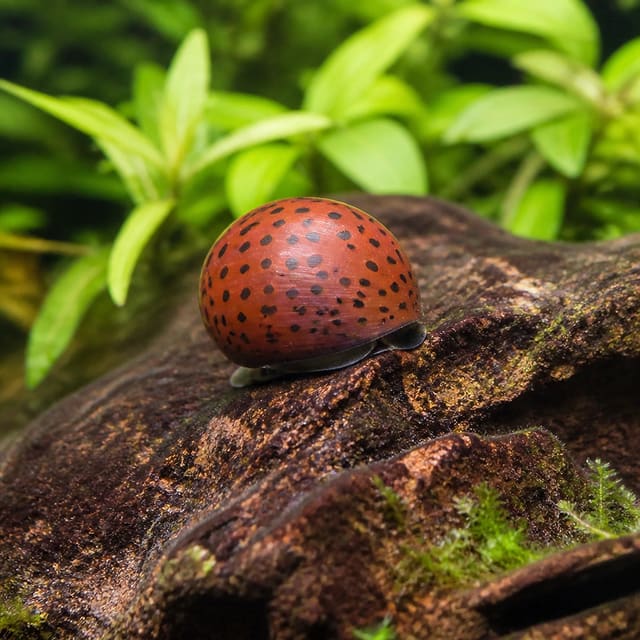
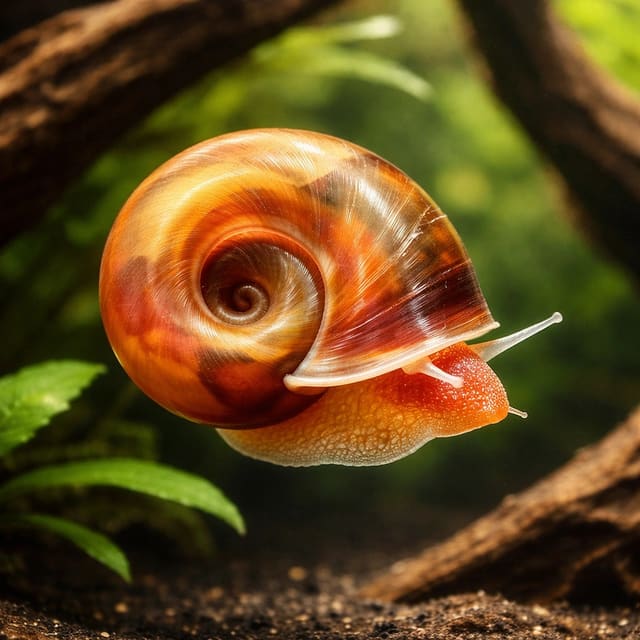
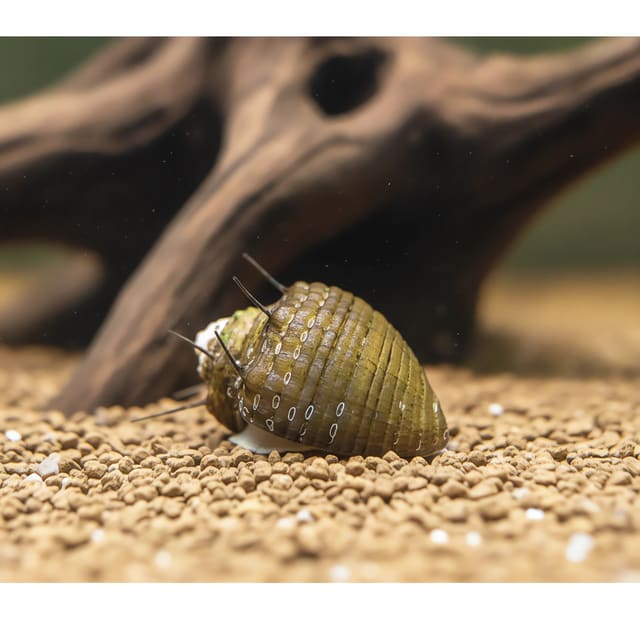
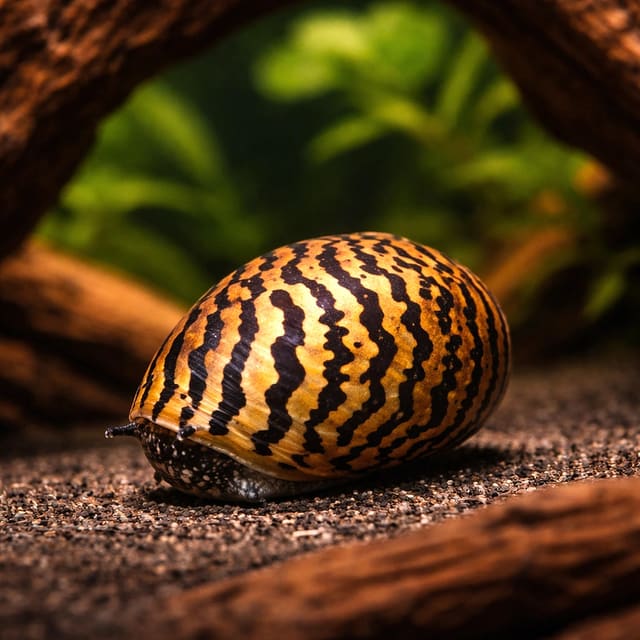
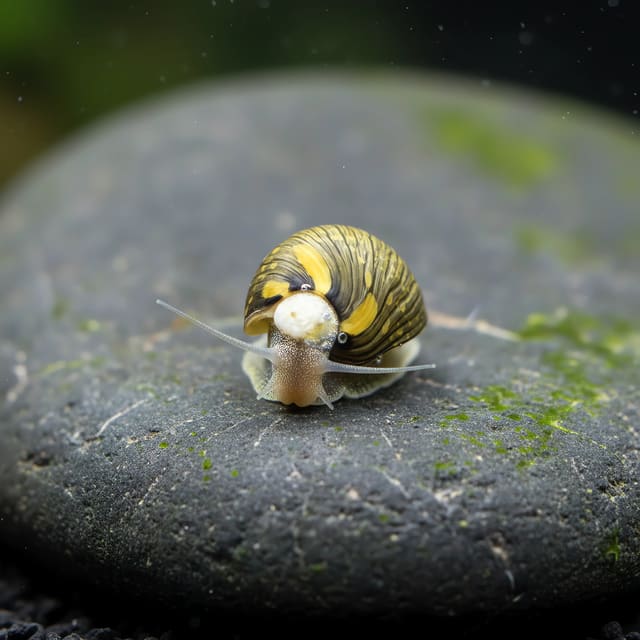
Australs Blue Aquarium Snail (Amularis sp. Trade Name)
20–26°C · pH 7–8.2
£9.99
A striking purple freshwater snail, ideal for planted aquariums and algae control. Peaceful, useful and easy to care for.
Adult size is the maximum length this species reaches at full maturity (scientific sources). The livestock you receive will be younger and smaller — pick a size above for the actual shipping size. Product-photo provenance and any image-specific limitations are stated on the listing.
Amularis sp. australs purple
Lives in groups: kept together they stay settled, active and show their best colour.
A striking purple freshwater snail, ideal for planted aquariums and algae control. Peaceful, useful and easy to care for.
Adult size is the maximum length this species reaches at full maturity (scientific sources). The livestock you receive will be younger and smaller — pick a size above for the actual shipping size. Product-photo provenance and any image-specific limitations are stated on the listing.
Maintain these water conditions for optimal health and vibrant colors
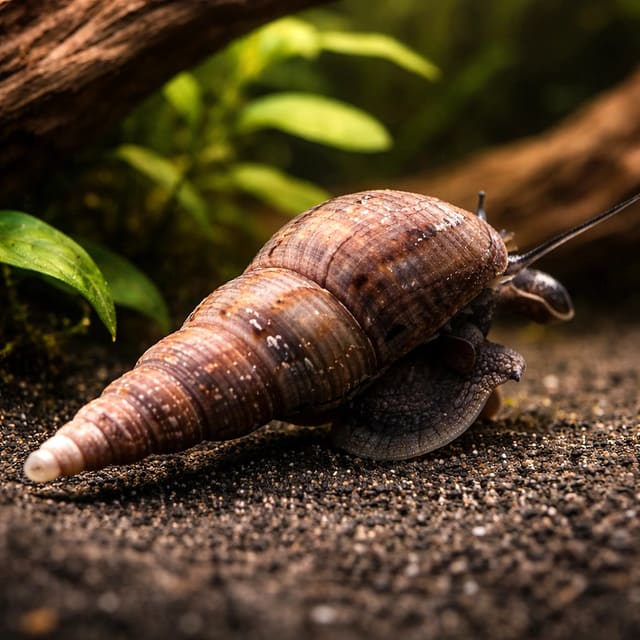
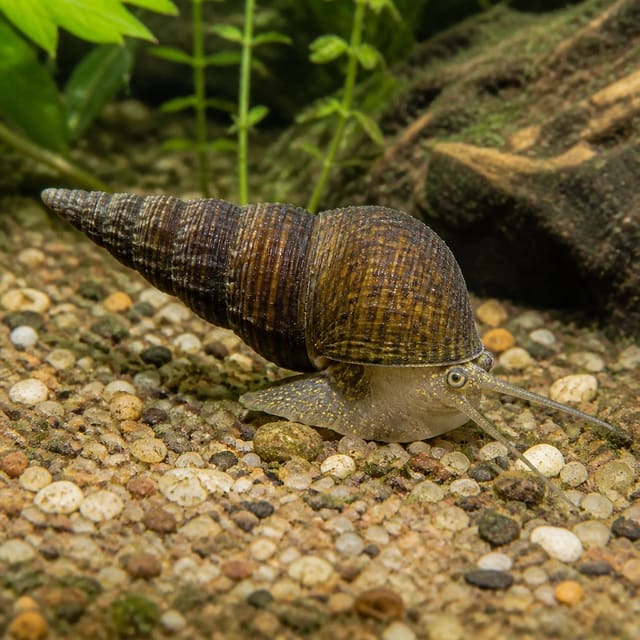
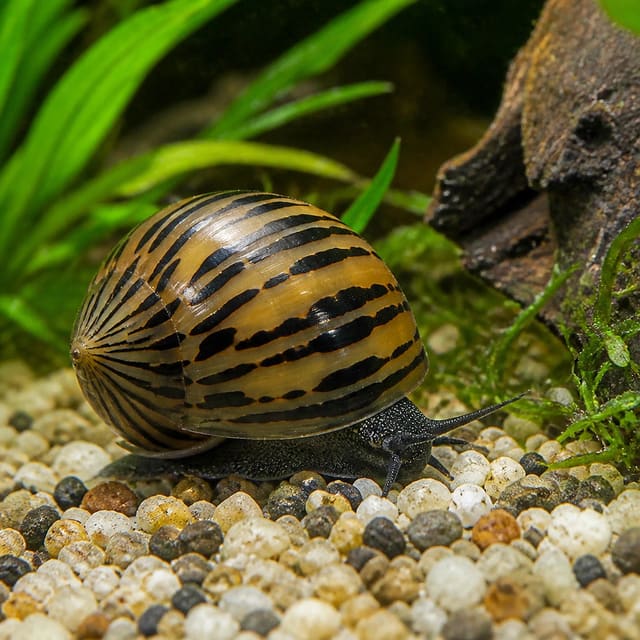
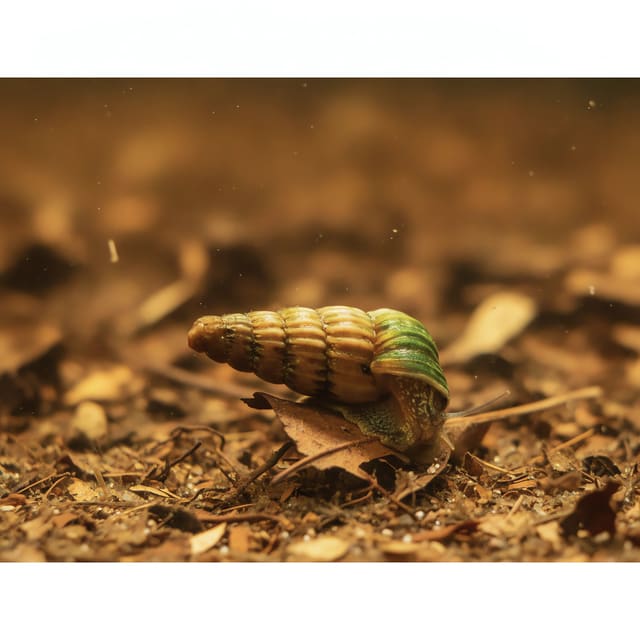
The Australis Purple Snail (Amularis sp. australs purple) is a striking freshwater snail prized for its rich purple shell and practical role in the aquarium. At 2–2.5 cm, this small invertebrate is an excellent choice for planted tanks, nano aquariums and community setups where a peaceful algae grazer is welcome. Its compact size, attractive colouration and low-impact behaviour make it a popular addition for aquarists who want both visual interest and a useful clean-up crew member.
Like most freshwater snails, this species is best kept in a stable, mature aquarium with good water quality and a steady supply of food. It is not a demanding animal, but it does appreciate mineral-rich water to support healthy shell growth. In the right conditions, it will spend much of its time grazing on biofilm, soft algae and leftover food, helping to keep the aquarium tidy without disturbing fish or plants.
All livestock is supplied with our live arrival guarantee and fast UK delivery, so your new snail arrives in the best possible condition for acclimatisation and settling in.
| Care aspect | Recommendation |
|---|---|
| Scientific name | Amularis sp. australs purple |
| Common name | Australis Purple Snail |
| Care level | Easy |
| Temperament | Peaceful |
| Adult size | Approx. 2.5–4 cm |
| Minimum tank size | 40 litres |
| Temperature | 22–28°C |
| pH | 7.0–8.2 |
| Diet | Algae, biofilm, sinking foods, blanched vegetables |
| Lifespan | 2–4 years |
| Tank region | Bottom / glass / décor surfaces |
The exact taxonomy of Amularis sp. australs purple is not widely established in the hobby, but it is generally treated as a freshwater snail from warm, slow-moving aquatic habitats. Snails of this type are typically associated with calm waters such as streams, ponds, floodplains or vegetated margins where they can graze on periphyton, detritus and soft algae. Their natural environment is usually rich in plant matter, leaf litter and hard surfaces covered in biofilm.
In the aquarium, this translates into a preference for stable, well-oxygenated water with accessible surfaces to browse. They are not active swimmers; instead, they move methodically across glass, wood, rocks and leaves. Their shell health depends heavily on water chemistry, especially calcium availability and overall mineral content. Soft, acidic water can lead to shell erosion over time, so a neutral to slightly alkaline environment is generally best.
A planted community aquarium is ideal for the Australis Purple Snail. Provide a mature tank with gentle filtration and plenty of surfaces for grazing. Smooth rocks, driftwood, broad-leaved plants and shaded areas will help it feel secure while also offering natural feeding opportunities. A lid is recommended for most aquariums to reduce evaporation and maintain stable conditions.
Because snails are sensitive to poor water quality, avoid sudden changes in temperature or chemistry. Regular maintenance, sensible stocking and consistent feeding will keep them thriving. If you keep fish that are known to nip at invertebrates, choose tank mates carefully. Copper-based medications should never be used in a tank containing snails, as copper is highly toxic to them.
For shell health, aim for a pH above 7.0 and provide adequate hardness. Many keepers also supplement with calcium-rich foods or mineral sources if their local water is very soft. A stable environment is more important than chasing exact numbers, so keep parameters consistent and avoid over-cleaning the tank.
The Australis Purple Snail is primarily a grazer and scavenger. It will feed on soft algae, biofilm and leftover organic matter, but it should not be expected to survive on tank waste alone. In a clean aquarium, offer supplementary foods to ensure good growth and shell condition.
Remove uneaten vegetables after 12–24 hours to maintain water quality. Feed sparingly and observe the snail’s activity; a healthy snail will regularly graze and explore. If the shell appears thin, pitted or dull, review water hardness and calcium intake.
This is a peaceful invertebrate that suits calm community aquariums. It is best paired with non-aggressive fish that will not peck at its shell or antennae. Small tetras, rasboras, peaceful livebearers, dwarf corydoras and other gentle species are usually suitable. Shrimp and other peaceful snails can also work well in a suitably sized tank.
Avoid housing with snail-eating fish, boisterous cichlids, puffers, loaches known for snail predation, large barbs, or any species that may nip or harass invertebrates. If you keep very active fish, ensure there are plenty of hiding places and that the snail can retreat onto décor or into planted areas.
As with all snails, keep in mind that some fish may investigate or nibble on the shell. A well-structured aquarium with dense planting and stable water conditions will give the best results. This species is best kept in a mature, peaceful setup rather than a newly cycled or heavily medicated tank.
At Tropical Fish Co, we take pride in supplying healthy, well-conditioned livestock with careful packing and reliable service. Your Australis Purple Snail is selected for quality and dispatched with attention to welfare, so it arrives ready to acclimatise into your aquarium. We understand that invertebrates need stable conditions and careful handling, which is why we focus on safe transport and clear care guidance.
When you order from us, you benefit from fast UK delivery and our live arrival guarantee, giving you confidence from checkout to acclimatisation. Whether you are building a planted nano tank or adding a useful algae grazer to a community aquarium, this beautiful purple snail is a practical and eye-catching choice. If you are looking for a peaceful invertebrate that adds colour, movement and utility, the Australis Purple Snail is an excellent addition to your aquascape.
No reviews for this item yet. Bought one? Honest reviews only, good or bad.
What customers say about ordering from us
Easy website plenty of info on fish your buying great to pick a time slot
TRACEY DURRANT · 7 Oct 2026
Got some lovely fish thank you
Kevin Mackie · 7 Oct 2026
Reviews of our shop, collected by Judge.me, an independent third-party review collector. Newest first.