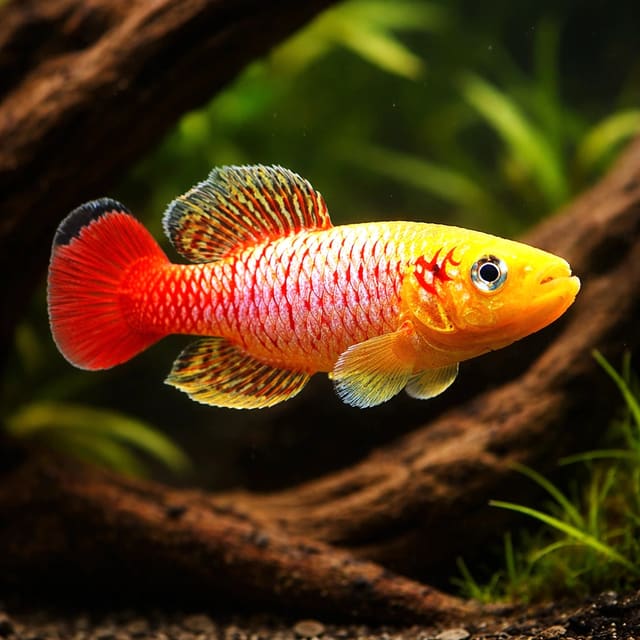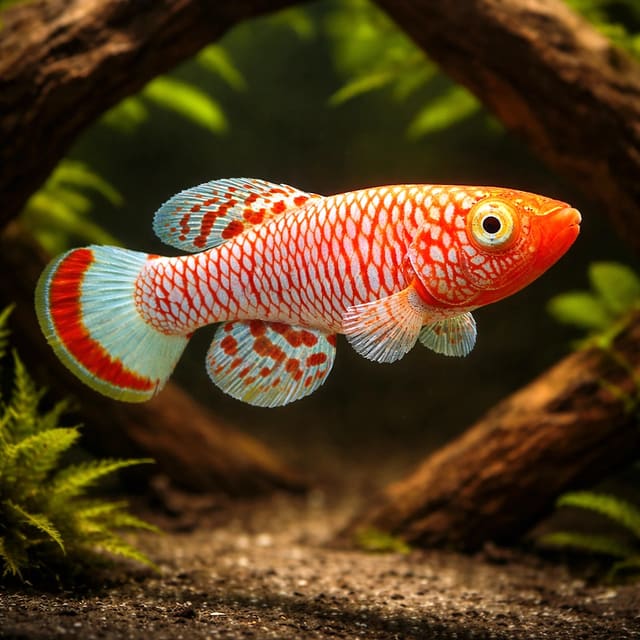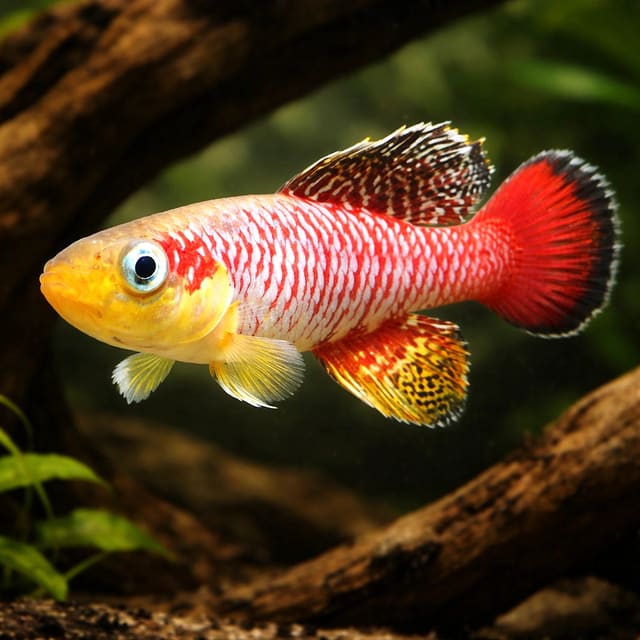
Gunther's Nothobranch (Nothobranchius guentheri)
22–25°C · pH 6–7
£11.99

A small, peaceful African surface fish with elegant proportions and lively behavior, ideal for a calm planted aquarium. Moderate care, peaceful. 20-24C, pH 6.5-7.2.
Adult size is the maximum length this species reaches at full maturity (scientific sources). The livestock you receive will be younger and smaller. Product-photo provenance and any image-specific limitations are stated on the listing.
Plataplochilus ngaensis
Save when buying multiple fish. Each quantity is one fish; sex and pair formation are not guaranteed unless the selected variant explicitly states them.
Confirm your email, then we’ll send an availability message for this exact item if it returns within 180 days.
This request is only for this product—no newsletter or other promotions. A mail-provider retry may very rarely duplicate the same availability message. Unconfirmed addresses are removed after 48 hours. See our privacy policy.
A small, peaceful African surface fish with elegant proportions and lively behavior, ideal for a calm planted aquarium. Moderate care, peaceful. 20-24C, pH 6.5-7.2.
Adult size is the maximum length this species reaches at full maturity (scientific sources). The livestock you receive will be younger and smaller. Product-photo provenance and any image-specific limitations are stated on the listing.
Maintain these water conditions for optimal health and vibrant colors
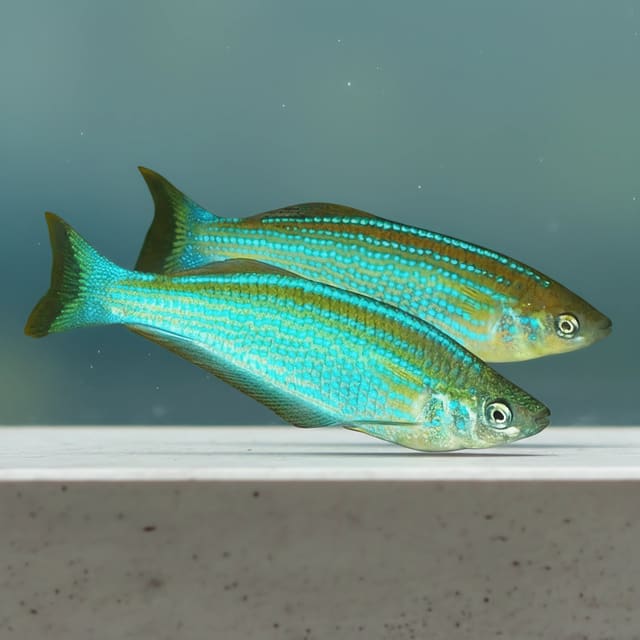
Nga Lampeye (Plataplochilus ngaensis) is a small African lampeye with reflective blue body colour, yellowish fins and quick upper-water movement. It is often sold simply as Plataplochilus, but the species name matters because this is not a generic easy community fish. The fish offered here are normally supplied at around 3.5-4 cm, close to the common adult size reported for the species.
FishBase and Eschmeyer's Catalog of Fishes support Plataplochilus ngaensis as a valid freshwater African lampeye in Procatopodidae, with FishBase noting that it occurs in small streams, brooks and swamps and is very difficult to maintain in aquaria. That means the right buyer is a careful keeper with a mature, stable aquarium, not someone filling a brand-new tank.
This page now includes the original reference photo for SKU 5300, added alongside the existing aquarium-scene images. The source photo shows the slender lampeye body, bright reflective blue along the flank and yellow fin tone that customers should expect from this line.
The Nga Lampeye is a slim, active fish with a translucent body, blue to violet reflection through the side and a noticeable light-catching eye. Males may show stronger body colour and fuller fin display, while females are usually softer in colour. Under subdued lighting and a darker planted background, the blue sheen becomes much easier to see. In a bare bright tank, the fish can look washed out and nervous, so visual cover is part of the display, not just decoration.
Scientific and specialist killifish references place this species in Lower Guinea, including Gabon and southern Equatorial Guinea, where it is associated with flowing rainforest streams, small brooks and connected swampy drainage areas. These habitats explain the care requirement: clean water, oxygen, stable chemistry and shaded cover matter more than chasing extreme water numbers. A mature aquarium with plants, roots, gentle current and careful maintenance is the safest approach.
Use a mature planted aquarium with a tight lid. This is a surface-oriented fish, and lampeyes can jump when startled. Fine-leaved plants, mosses, floating plants, dark background areas and open surface gaps for feeding all help the group settle. Filtration should keep the water clean and oxygenated without blasting the fish across the tank. A gentle stream-like area is useful, but give quieter planted edges where the group can rest.
Avoid adding Nga Lampeyes to a new aquarium. They need zero ammonia, zero nitrite, low nitrate and consistent maintenance. Small weekly water changes with matched temperature are safer than sudden large changes. If the fish arrive after courier delivery, keep the lights low, acclimate slowly and feed lightly for the first day while they settle.
Plataplochilus ngaensis has small mouths and should be fed fine foods. Offer quality micro granules or finely crushed flakes, plus frozen or live daphnia, cyclops, baby brine shrimp, small mosquito larvae and similar foods. Feed modest portions that are taken quickly near the upper water. Overfeeding or letting food sink and rot will damage the water quality these fish depend on.
Keep a group rather than a single fish. Groups are calmer, display better and make the aquarium look more natural. They are peaceful, but not tough enough for pushy tank mates. Choose small calm companions that enjoy similar clean, oxygen-rich water. Avoid fin nippers, large cichlids, fast surface feeders, boisterous barbs and any predator large enough to swallow them.
This is a specialist breeding project rather than a casual community-tank bonus. Adults can scatter eggs among fine plants or spawning mops, and eggs or fry may need separating from adults. Very small first foods are needed for fry. Stable water, clean live/frozen foods and a quiet species setup give a much better chance than a busy mixed tank.
Choose Nga Lampeyes if you want a rare, elegant African lampeye and can provide stable water, careful feeding and peaceful company. They reward attention with subtle blue colour and constant movement, but they are not a forgiving beginner fish. A keeper who already tests water and watches fish behaviour closely will get the best from them.
The first week matters with this species. Keep the aquarium lights low during release, avoid chasing the group with nets, and let them find plant cover before feeding heavily. If they hold close to the surface and breathe quickly, test oxygen, ammonia, nitrite and temperature before assuming they are simply shy. Once settled, they should cruise the upper water with short bursts of display and return quickly to small foods. Regular small water changes, rinsed pre-filters and careful feeding will do more for this fish than constant rearranging of the tank.
Because they are small and delicate, buy them for a calm display rather than a busy mixed aquarium. A species setup or a quiet West African-style planted tank is ideal. Keep surface gaps clear so they can feed properly, but use floating plants or overhanging leaves to break up bright light. Their colour is subtle in a sales photo but much better in a settled group under gentle aquarium lighting.
Nga Lampeyes are packed carefully for UK live-animal courier delivery. Use code WELCOME10 for 10% off a first order where eligible, and order with our Live Arrival Guarantee. Have the aquarium ready before dispatch day, dim the lights during introduction and acclimate slowly so the group can settle with minimal stress.
Care guidance for this listing was checked against our stock records, FishBase, Eschmeyer's Catalog of Fishes, GBIF taxonomy context and specialist killifish references for Plataplochilus ngaensis.
No reviews for this item yet. Bought one? Honest reviews only, good or bad.
What customers say about ordering from us
I have a small group of long finned mountain minnows. So was delighted to be able to order ten of this variety to increase the genetics in my tank . The ones I recieved are healthy but it’s to early to give a verdict on wether they are of a long finned type since they are small currently.
Gordon Walker · 23 Sept 2026
100% success travel and "installation". Pleased with quality of purchase. The Siamese fighter a bit "shy" so have not yet seen him at his best yet but looking good. Happy customer. GG
George E Garratt · 21 Sept 2026
Reviews of our shop, collected by Judge.me, an independent third-party review collector. Newest first.