


Easy to intermediate
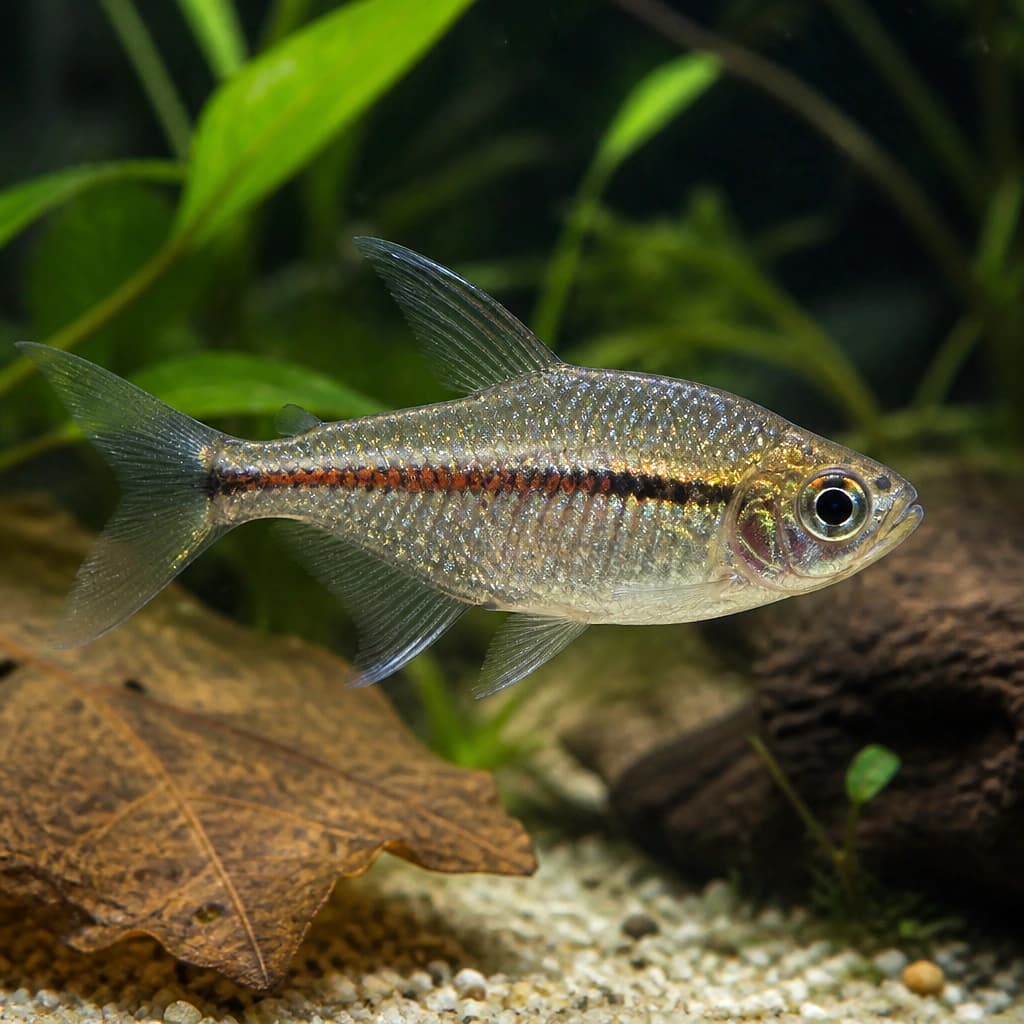
Red-Line Tetra (Hyphessobrycon amapaensis)
23–27°C · pH 5.5–7 · 60L
£7.99

Peaceful Rosy Phantom Tetra for planted community aquariums. Keep Megalamphodus roseus in a group of 6 or more with calm tank mates.
Adult size is the maximum length this species reaches at full maturity (scientific sources). The livestock you receive will be younger and smaller — pick a size variant above for the actual shipping size. Photos are AI-enhanced, so the animal may show subtle colour or marking differences.
Megalamphodus roseus
Rosy Phantom Tetra are a shoaling species — they need 6+ to feel safe and show their full colour.
Peaceful Rosy Phantom Tetra for planted community aquariums. Keep Megalamphodus roseus in a group of 6 or more with calm tank mates.
Adult size is the maximum length this species reaches at full maturity (scientific sources). The livestock you receive will be younger and smaller — pick a size variant above for the actual shipping size. Photos are AI-enhanced, so the animal may show subtle colour or marking differences.
Maintain these water conditions for optimal health and vibrant colors
Rosy Phantom Tetra (Megalamphodus roseus) is a small, peaceful shoaling tetra for planted community aquariums. It works best as a group fish: keep six or more so the shoal feels secure and the soft rose body colour shows properly.
| Scientific name | Megalamphodus roseus |
|---|---|
| Adult size | About 3 cm |
| Group size | 6 or more |
| Minimum aquarium | 60 litres or larger |
| Water | 22-26C, pH 6.0-7.5 |
Use a mature aquarium with plants, open swimming room and gentle to moderate filtration. A darker background, wood or leaf-shadowed cover can help this tetra settle, but leave enough open mid-water space for the shoal to move together.
Feed fine flakes or micro pellets as the staple diet, with small frozen foods such as daphnia, cyclops or baby brine shrimp for variety. Offer small portions so the fish feed actively without food settling and spoiling the water.
Good companions include other peaceful tetras, rasboras, small Corydoras and calm community fish of similar size. Avoid aggressive fish, large predators and persistent fin nippers, especially in smaller aquariums.
Let me tell you about the Rosy Phantom Tetra, Hyphessobrycon rosaceus, a lovely little fish that brings soft pink colour and calm movement to a tank. If you’ve been looking at tetras and wondering which ones really suit a peaceful community setup, this one deserves a proper look. It’s graceful, easy to care for, and best enjoyed as part of a proper shoal. What I love about it is that it doesn’t shout for attention. It glides. It settles in. And once you see a group of them moving together, you’ll understand why so many keepers rate them so highly.
Now, in the wild, this species comes from South America, especially Guyana and Brazil. That natural home tells you a lot about how to keep them well. They live in slow-moving waters, including smaller tributaries and floodplain margins. These are places with leaf litter, overhanging plants, and filtered light. Not bright and bare. More shaded, more natural, more broken up by roots and vegetation. They’re used to water that feels calm and soft around them. They’re also used to cover. That’s why a planted aquarium suits them so well.
If you’ve ever watched fish settle into a tank that feels a bit too open, you’ll know the difference. These are South American tetras UK hobbyists often choose when they want that gentle, natural look without a complicated setup. And visually, they really do have a quiet charm. Adult fish reach around four centimetres, so they’re small, but not tiny in the way that disappears completely in the tank. Their body carries soft rosy tones, and in a proper group the colour becomes much more noticeable.
One of the nicest features is the black dorsal “flag”, which gives them a neat contrast against the pink body. The males develop more intense colouration, so you’ll often notice a bit more depth and brightness in them. That’s one of those details you only really appreciate once the fish are settled and confident. Shop tanks can make them look a bit subdued at first. But in the right conditions, they really come alive. If you’re after a colourful schooling fish UK aquarists can enjoy without anything too flashy, this is a lovely balance.
For tank setup, the main thing is to think calm, planted, and secure. You’ll want at least a sixty-litre aquarium. That gives them enough space to school properly and move through the middle of the tank, which is where they spend most of their time. A planted tank is ideal. Fine-leaved plants, driftwood, and darker décor all help make them feel at home. A dark background can also really help their colours stand out. Because their natural habitat includes shaded margins and organic matter, they tend to look better in a tank that isn’t overly stark or brightly exposed.
Soft lighting suits them well. You don’t need a complicated layout, but you do want visual cover. Think of little open swimming lanes between plant groups and wood. That gives them room to move while still feeling safe. If you’re setting up a community tank and asking yourself what fish are best for tropical tank displays, this species fits beautifully into a planted, peaceful arrangement. Water conditions are straightforward, which is part of why they’re often recommended among the best tetras for community tank setups.
Keep the temperature between twenty-four and twenty-eight degrees Celsius. The pH should sit between six point zero and seven point five. Water hardness should be between five and fifteen dGH. Those are comfortable tropical conditions, and stability matters more than chasing exact numbers. They’re not coldwater fish, so they need that consistent warmth. Keep things steady, and they’ll usually settle well. As with any tropical species, avoid sudden changes. A calm, stable environment is the goal here. That’s really the pattern with Rosy Phantom Tetras.
They’re not demanding, but they do appreciate consistency. Feeding them is refreshingly simple. They’re omnivores, and they’ll do well on flakes, micro pellets, and small live foods. A varied diet is best. That matches how they feed in nature, where they take tiny invertebrates, insect larvae, biofilm particles, and plant-associated microfoods. So don’t rely on flakes alone if you can help it. Mix it up. Give them quality staple foods, then add small live foods where possible. That variety helps keep them in good condition and brings out their best colour.
They’re small fish, so the food needs to be suitably sized. Micro pellets are a good fit, and small live foods are a nice treat. Feed them carefully and consistently, and they’ll respond well. If you’re new to tropical fish keeping and asking what are the best freshwater fish for beginners, this species is a strong option because the feeding routine is manageable and not fussy. Behaviour-wise, they’re peaceful schooling fish through and through. That’s one of their biggest strengths. They’re active in the middle of the tank, but they don’t dominate it.
You’ll notice them moving together, especially once they’ve settled in and feel secure. In a proper group, they show much more confidence. Keep them in six or more, because they’re schooling fish and really do best that way. The first time you see them all moving in a loose shoal through the plants, it’s a very satisfying sight. They have that calm, flowing presence that makes a tank feel alive without becoming hectic. They’re not the sort of fish that barges around or steals all the attention.
They just bring balance. That’s a big part of the appeal. Compatibility is one of the reasons people keep coming back to them. They make excellent community fish when paired with other peaceful species. Corydoras are a great match. So are rasboras. Other tetras work well too. In fact, they fit neatly into a mixed community with other gentle mid-water and bottom-dwelling fish. Because they’re peaceful, you want tank mates that won’t hassle them. Aggressive fish are a poor choice. Fin nippers are also best avoided.
You don’t want anything that will chase them or spoil that relaxed schooling behaviour. If you’re building a community and looking at freshwater tropical fish options, this is exactly the sort of species that helps the whole tank feel settled. They’re especially good if you like a planted setup with several calm species sharing space. Think of them as a soft-spoken fish that works best with other soft-spoken fish. That’s why they’re often mentioned in the same breath as the best tetras for community tank layouts.
They’re also a smart choice if you want a display that feels harmonious rather than crowded. Breeding is possible, but it’s listed as moderate difficulty. So this isn’t the easiest fish to breed, but it’s not beyond the reach of an experienced keeper either. That alone tells you they’re a bit more involved than some beginner species. They’re interesting fish to watch as a group, and breeding adds another layer if you’re ready for it. The key thing to remember is that they’re peaceful schooling fish, so any breeding project should respect that natural behaviour and calm temperament.
If you’re mainly keeping them for display, that’s absolutely fine too. They’re rewarding just as they are. In terms of health, the best approach is prevention. Keep them in suitable tropical conditions, in a stable, clean tank, with the right group size. Stress is the enemy here, especially if they’re kept alone or in too small a group. Because they’re peaceful fish, poor tank mates can also cause problems. So can unsuitable water conditions. A planted, calm setup goes a long way towards keeping them in good shape.
Watch for signs that they’re not settling well, especially if they’re being bullied or seem withdrawn. Most issues can be avoided by getting the basics right from the start. What I really like about the Rosy Phantom Tetra is how complete the package feels. You get colour, movement, and a peaceful temperament without needing a huge tank. You get a fish that suits a planted community and looks even better in a proper group. And you get something that feels a bit special, without being difficult.
If you’re browsing freshwater tropical fish stock and want a graceful shoaling species with reliable community compatibility, this one is well worth your attention. At Tropical Fish Co, we focus on healthy stock, clear care information, and the kind of support that helps you choose with confidence.
23–27°C · pH 5.5–7 · 60L

22–26°C · pH 6–7.5 · 80L

24–28°C · pH 6–7.8 · 60L
23–28°C · pH 5.5–7.2 · 60L

24–28°C · pH 6.5–7.5 · 120L

18–26°C · pH 6.5–8 · 30L

23–27°C · pH 7.4–8.4 · 500L

20–27°C · pH 6–7 · 54L

23–27°C · pH 7.4–8.4 · 150L

24–28°C · pH 6.5–7.8 · 300L

20–24°C · pH 7–8 · 45L

24–28°C · pH 6.5–7.5 · 2000L

24–28°C · pH 7.5–8.5 · 200L

24–28°C · pH 5.5–7 · 60L

18–25°C · pH 6–8 · 100L

24–28°C · pH 7–8 · 120L

18–28°C · pH 6.5–8 · 20L

24–27°C · pH 7.5–8.8 · 150L

22–26°C · pH 6–7.5 · 60L

24–28°C · pH 7.5–8.5 · 40L

24–28°C · pH 7.5–8.5 · 500L