Moderate
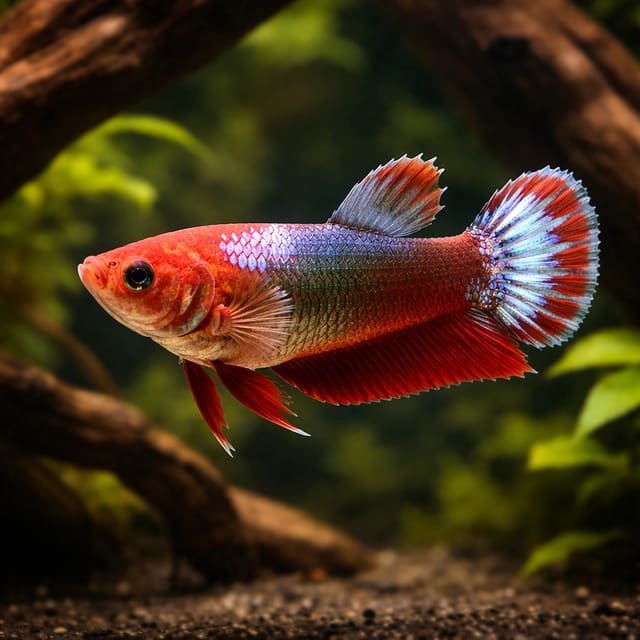
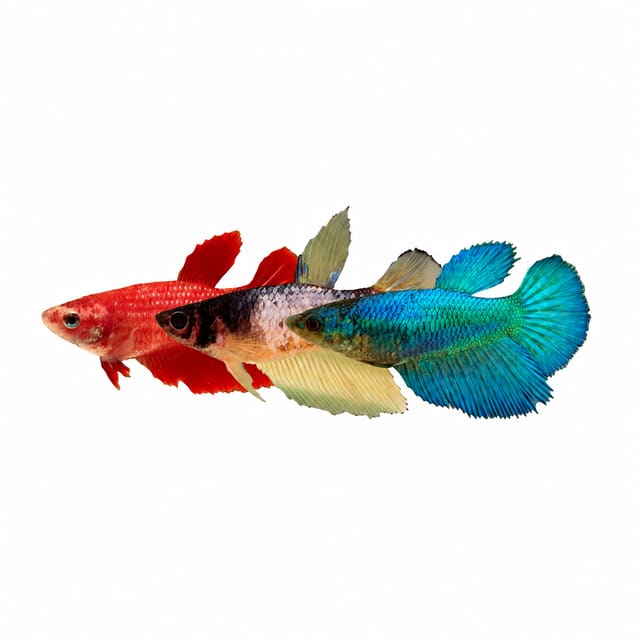
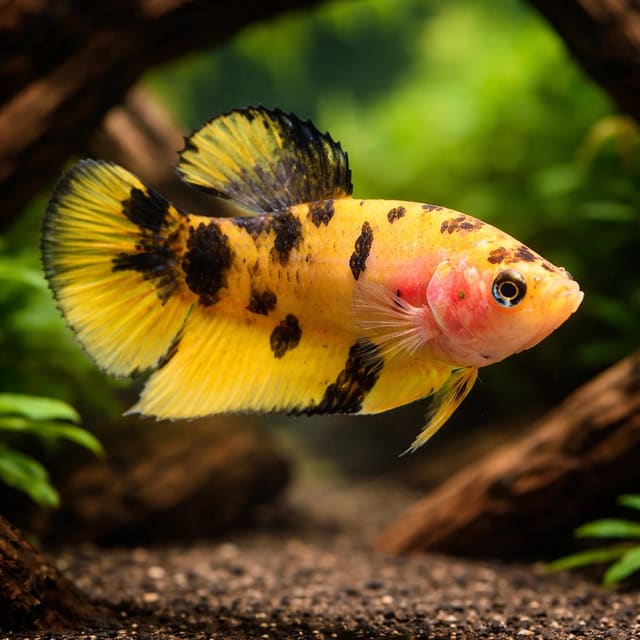
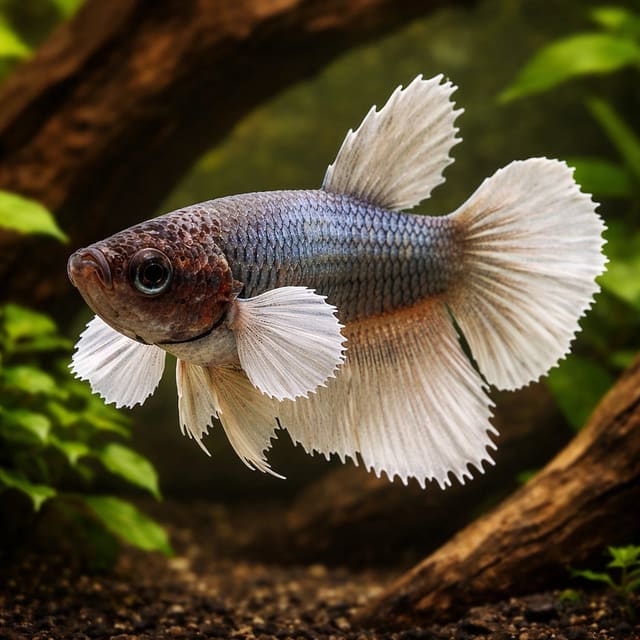
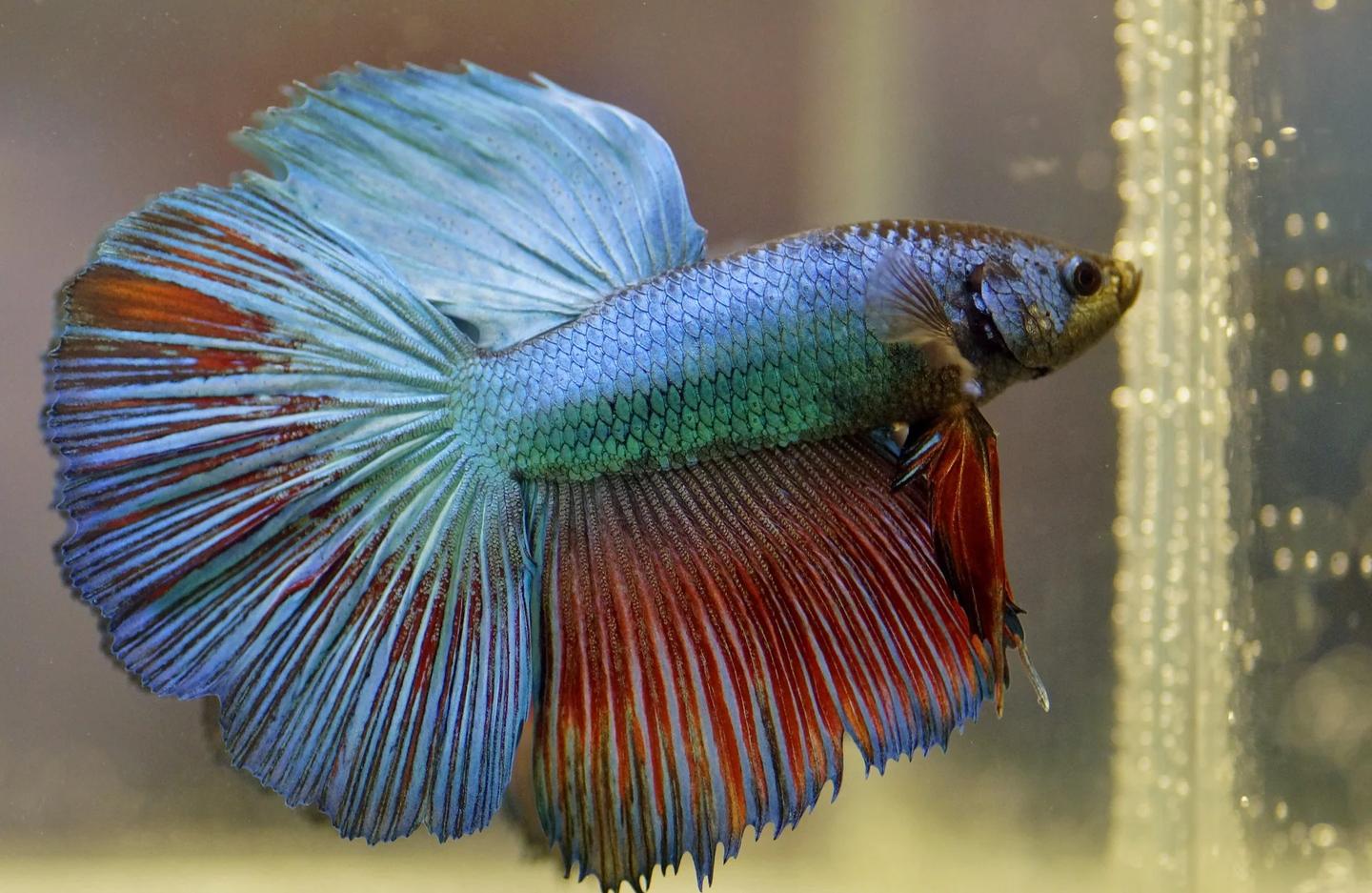
SuperDelta Big Ears Female Betta Mix (Betta splendens)
24–28°C · pH 6–8
£11.99

A striking green female Super Delta betta with flowing fins, hardy care needs, and vibrant personality. Easy care, semi-aggressive. 24-30C, pH 6.0-7.5.
Adult size is the maximum length this species reaches at full maturity (scientific sources). The livestock you receive will be younger and smaller. Product-photo provenance and any image-specific limitations are stated on the listing.
Betta splendens
Confirm your email, then we’ll send an availability message for this exact item if it returns within 180 days.
This request is only for this product—no newsletter or other promotions. A mail-provider retry may very rarely duplicate the same availability message. Unconfirmed addresses are removed after 48 hours. See our privacy policy.
A striking green female Super Delta betta with flowing fins, hardy care needs, and vibrant personality. Easy care, semi-aggressive. 24-30C, pH 6.0-7.5.
Adult size is the maximum length this species reaches at full maturity (scientific sources). The livestock you receive will be younger and smaller. Product-photo provenance and any image-specific limitations are stated on the listing.
For one typical domestic Betta splendens, start with at least 20 litres, a mature filter, thermostatic heater, separate thermometer, gentle flow, a secure lid with surface access, and plants or refuges. Keep one male per aquarium.
Maintain these water conditions for optimal health and vibrant colors
Green remains one of the scarcer colours in the betta trade, which gives this SuperDelta female a head start on rarity alone. She pairs that uncommon green colouring with the SuperDelta's broad, sweeping tail on a 6 cm body, and carries an easy care rating — an unusual combination of collectable colour and beginner-friendly husbandry in one fish.
Her social file is short and semi-aggressive. Snails travel well alongside her, and some peaceful shrimp can share the tank with the usual caveat that they may be hunted. After that, the door closes: no other bettas, no fin-nipping species, no large or aggressive fish, no brightly coloured long-finned tank mates that spark displays, and nothing that needs fundamentally different water chemistry. Her own water asks little — 20 litres minimum, 24–30 °C, pH 6.0–7.5, hardness 1–15 dGH — comfortably achievable in a small heated aquarium on UK tap water. She cruises the upper levels, and a degree of territoriality is in her nature, so introduce any permitted company before her, not after, where possible.
Greens shift hue with light angle, and half the pleasure of this female is engineering the view: position the tank where daylight or a warm lamp strikes it side-on and her colour runs through shades a single overhead tube never reveals. Her keeping demands stay minimal while you experiment — 20 litres minimum, heater anywhere in 24–30 °C, carnivore feeding, weekly maintenance inside pH 6.0–7.5 and 1–15 dGH. The easy rating means mistakes are forgiven, not invited; temperature stability still matters most. House her snail companions first so her semi-aggressive instincts meet an established status quo, and expect her settled and surface-feeding within days. Three years is the recorded horizon, frequently met.
Genuine greens move quickly whenever we list them, and females of the colour are rarer still than males. If she is showing as in stock, she is ready to travel — by licensed live-animal courier, with our live arrival guarantee covering the journey anywhere in the UK.
No reviews for this item yet. Bought one? Honest reviews only, good or bad.
What customers say about ordering from us
I have a small group of long finned mountain minnows. So was delighted to be able to order ten of this variety to increase the genetics in my tank . The ones I recieved are healthy but it’s to early to give a verdict on wether they are of a long finned type since they are small currently.
Gordon Walker · 23 Sept 2026
100% success travel and "installation". Pleased with quality of purchase. The Siamese fighter a bit "shy" so have not yet seen him at his best yet but looking good. Happy customer. GG
George E Garratt · 21 Sept 2026
Reviews of our shop, collected by Judge.me, an independent third-party review collector. Newest first.