


Moderate
Ring-Necked Shrimp (Macrobrachium assamense)
22–28°C · pH 6.5–7.5 · 40L
£19.99

Striking Red Pinto Taiwan Bee shrimp (Caridina cantonensis) with bold red-and-white patterning, ideal for mature, soft-water planted tanks. A moderate-to-advanced specialist Caridina species. Live shrimp UK with tracked delivery and live arrival guarantee.
Adult size is the maximum length this species reaches at full maturity (scientific sources). The livestock you receive will be younger and smaller — pick a size variant above for the actual shipping size. Photos are AI-enhanced, so the animal may show subtle colour or marking differences.
Caridina Taiwan bee pinto red
Red Pinto Shrimp are a shoaling species — they need 6+ to feel safe and show their full colour. Larger shoals stay calmer, eat better, and look stunning.
Striking Red Pinto Taiwan Bee shrimp (Caridina cantonensis) with bold red-and-white patterning, ideal for mature, soft-water planted tanks. A moderate-to-advanced specialist Caridina species. Live shrimp UK with tracked delivery and live arrival guarantee.
Adult size is the maximum length this species reaches at full maturity (scientific sources). The livestock you receive will be younger and smaller — pick a size variant above for the actual shipping size. Photos are AI-enhanced, so the animal may show subtle colour or marking differences.
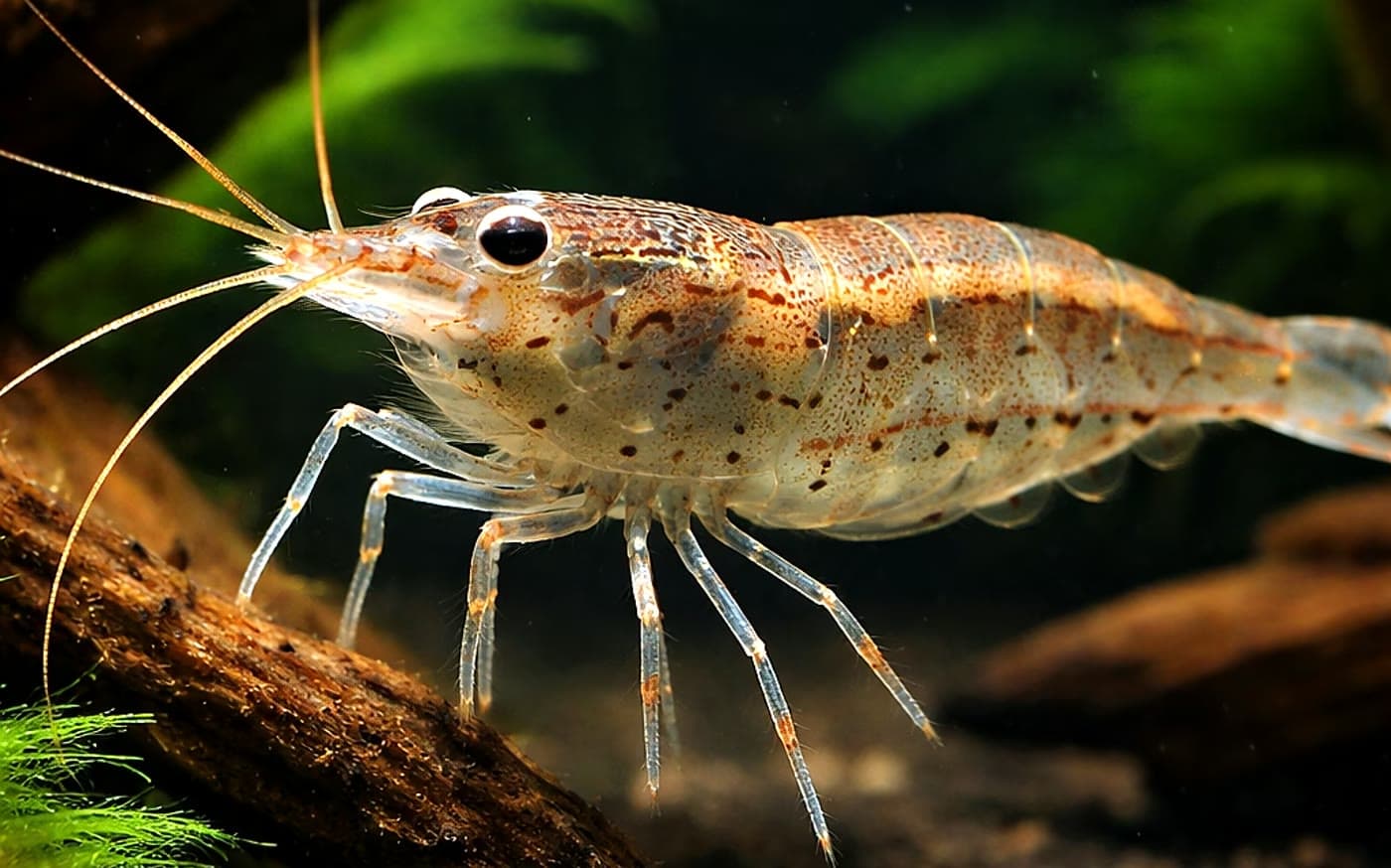
Add the hobby's best algae-eating shrimp to your aquarium with Amano Shrimp. Peaceful, hardy, and larger than cherries — ideal for planted community tanks. Order now for UK delivery.
Maintain these water conditions for optimal health and vibrant colors
The Red Pinto Shrimp is one of the most eye-catching choices in the freshwater shrimp UK hobby. A selectively bred form of Caridina cantonensis from the Taiwan Bee line, this shrimp combines crisp white patterning with rich red blocks, streaks, and marbling that make every individual look slightly different. Adult shrimp reach around 2.5 cm, stay peaceful, and usually live for about 18-24 months when kept in stable conditions. That beauty comes with a catch: this is not the easiest aquarium shrimp UK option, because Red Pintos need soft, acidic water and dislike sudden swings in chemistry. For keepers who want something more refined than common community shrimp, however, they are a rewarding species to maintain and breed.
If you have been searching for shrimp for sale UK, live shrimp UK, or want to buy red pinto shrimp UK with a clear care plan, this guide covers the practical details that matter: red pinto shrimp water parameters, feeding, compatibility, breeding, and how to avoid common mistakes. Our detailed photos show the contrast, shell quality, and pattern variation that make these shrimp so desirable. In a mature, well-cycled shrimp tank, Red Pintos become active grazers, excellent display invertebrates, and the centrepiece of a specialist Caridina setup.
Red Pinto Shrimp belong to the bee shrimp group within Caridina cantonensis. In the aquarium hobby, they sit alongside crystal bee shrimp, Taiwan Bees, and other selectively bred Caridina lines. Their appeal comes from combining the delicate body shape of bee shrimp with bold pinto-style markings that have been refined over many generations by specialist breeders.
Although Red Pinto Shrimp are a man-made aquarium strain, their roots trace back to Caridina cantonensis, a freshwater shrimp species associated with soft, mineral-light waters in Taiwan and nearby Asian stream systems used in selective breeding programmes. That matters because their care still reflects wild-type bee shrimp needs: clean water, low dissolved solids, plenty of surfaces for biofilm, and stable temperatures rather than tropical heat.
New keepers often ask whether Red Pintos behave like the wild river and pond shrimp found in British waterways. They do not. Red Pintos are an indoor ornamental strain, not a native or pond species, and they are not suited to outdoor ponds in most of Britain. They need controlled aquarium conditions rather than the variable temperatures and chemistry of natural rivers or garden ponds.
In nature, bee shrimp ancestors graze on decaying leaves, microbial films, algae, and tiny particles trapped among stones and submerged roots. That is why a mature shrimp aquarium works far better than a sterile new tank. A well-aged setup gives them constant access to microscopic food between meals and encourages natural foraging. This also explains why heavily planted layouts and leaf litter are so successful for Caridina colonies.
Red Pintos are far less forgiving than hardy Neocaridina such as cherry shrimp. They do best indoors, where you can tightly control temperature, pH, and TDS. If your goal is a high-grade Taiwan Bee colony, think mountain-stream stability rather than pond toughness.
Mimicking the natural habitat of bee shrimp means prioritising stability over decoration. A simple tank with active soil, moss, leaf litter, and mature biofilm will usually outperform a flashy aquascape with unstable water chemistry.
The best red pinto shrimp aquarium setup starts with one principle: consistency. These shrimp are sensitive to sudden changes, so the ideal system is a mature, species-focused tank rather than a busy mixed aquarium. If you are learning how to set up a shrimp aquarium, Red Pintos reward careful preparation but punish rushed setups.
The red pinto shrimp minimum tank size is 20 litres, but a 30-45 litre aquarium is easier to keep stable. Bigger water volume buffers mistakes, which is especially useful for moderate to advanced Caridina keepers. In practical terms, the key red pinto shrimp tank requirements are stable water, low bioload, and enough grazing area. If you are wondering how many red pinto shrimp per tank, start with 6-10 in 20-30 litres and scale up only when the colony is established.
Precise red pinto shrimp water parameters matter more than almost anything else. Aim for a red pinto shrimp water temperature of 20-24°C, with 21-23°C often giving the best balance of colour, survival, and breeding. The ideal red pinto shrimp temperature is cooler than many tropical community tanks. Keep pH between 5.8 and 6.8, and maintain soft water with 0-6 dGH. For most keepers, the safest route is RO water remineralised specifically for Caridina.
The often-asked red pinto shrimp GH KH requirements are simple: GH low but present, KH near zero. That is why active buffering shrimp soil is so useful. It helps hold the red pinto shrimp pH level in the acidic range and prevents KH from creeping up. A common target red pinto shrimp TDS level is roughly 100-140 ppm, though exact breeder preferences vary. In short, red pinto shrimp water hardness should remain low and stable.
These are the real freshwater shrimp requirements for advanced Caridina, and they differ from hardier Neocaridina setups. General aquarium shrimp requirements such as dechlorinated water and full cycling still apply, but Red Pintos need tighter control. Their red pinto shrimp ideal conditions include low nitrate, stable TDS, and no sudden temperature spikes.
A sponge filter or shrimp-safe hang-on-back filter with a fine intake guard works best. Gentle flow keeps oxygen high without blasting shrimplets around the tank. If you are building a shrimp tank setup UK style nano system, air-driven sponge filtration remains one of the safest options because it provides biofilm-rich surfaces and protects babies.
For substrate, active shrimp soil is strongly recommended over inert gravel. Many people search for sand for shrimp tank or shrimp gravel, but for Taiwan Bees, buffering substrate is usually the better choice because it helps maintain low pH and soft-water chemistry. If you do use decorative sand in part of the layout, keep the main biological area based on active soil. Dark substrate also improves contrast and makes the red and white pattern stand out.
Red pinto shrimp with plants is an excellent combination. In fact, red pinto shrimp in planted aquarium layouts often show better grazing behaviour because plants host biofilm and trap fine food. The best plants for shrimp tank setups include Java moss, Christmas moss, Subwassertang, Bucephalandra, Anubias nana petite, and floating plants that soften light. Fine-leaved mosses are especially useful for shrimplets. If you like other display shrimp, compare them with our Black Pinto Shrimp, Red Bolt Taiwan Bee Shrimp, and Racoon Tiger Shrimp for different colour styles in specialist Caridina tanks.
Moderate lighting for 6-8 hours per day is usually enough. Strong light can help plant growth but may stress shrimp if the tank lacks cover. A planted setup with moss, botanicals, and shaded zones encourages more confident daytime activity.
Always cycle the tank for 4-6 weeks before adding Red Pintos. A tank that looks clean is not the same as a tank rich in biofilm. The best colonies settle fastest in mature aquariums with visible micro-life and seasoned filter media.
The ideal red pinto shrimp diet is based on constant grazing plus small, controlled supplemental feeds. In nature they pick at biofilm, algae, decaying plant matter, and tiny organic particles. In the aquarium, that means your goal is not to make them rush to food every hour, but to provide a mature environment and then top it up with specialist shrimp foods.
A practical red pinto shrimp feeding guide starts with staple foods 3-5 times per week. Use high-quality shrimp pellets, mineral-rich wafers, or soft granules designed for Caridina. Blanched spinach, courgette, or nettle can be offered occasionally. If you are asking how often should you feed freshwater shrimp, the answer depends on colony size and tank maturity. In a mature tank with lots of biofilm, small portions every other day may be enough. In breeder tanks with many juveniles, daily micro-feeding can work better.
For conditioning adults before red pinto shrimp breeding, add a little extra protein once or twice per week. This can include specialised breeding foods or tiny portions of frozen foods used carefully. Newly hatched brine shrimp are sometimes used as a protein option, but they are not a staple for Caridina colonies and are better used sparingly, if at all, because excess protein quickly pollutes soft water.
Red Pintos are ornamental display invertebrates, not feeder or food shrimp. If you notice an unfamiliar worm-like creature in the tank, do not assume it is food; identify it first, because planaria and other pests can be harmful in shrimp systems.
For keepers wondering how to care for red pinto shrimp, the biggest feeding mistake is overdoing it. Uneaten food breaks down fast in soft, warm water and can trigger bacterial issues. Remove leftovers after 2-3 hours if the colony does not finish them.
| Time | Food | Amount |
|---|---|---|
| Morning | Natural grazing only in mature tank | No extra food |
| Evening | Specialist Caridina pellet or wafer | Very small portion, enough for 1-2 hours |
Overfeeding causes ammonia spikes, bacterial blooms, and moulting problems. If your aquarium shrimp are hiding, losing colour, or you notice cloudy water, cut feeding back immediately and check water quality.
Red Pinto Shrimp are prized for their broken red-and-white patterning. Unlike solid-colour shrimp, they show bands, patches, spotted sections, and maze-like markings that make each animal unique. Adults usually grow to around 2.5 cm, with females appearing slightly larger and deeper-bodied than males. Mature females often carry a more rounded underside for egg holding.
Compared with common algae-eating shrimp, the visual difference is dramatic. The debate of red pinto shrimp vs amano shrimp is really about purpose: amano shrimp are larger, more transparent, and famous for algae control, while Red Pintos are smaller, more delicate, and chosen for pattern and breeding value. A similar comparison comes up with red pinto shrimp vs ghost shrimp, where ghost shrimp are plainer and generally kept for utility rather than selective breeding.
Within ornamental shrimp circles, buyers also compare red pinto shrimp or crystal red shrimp. Crystal reds, often called crystal bee shrimp, have cleaner banded patterns, while Red Pintos look more irregular and modern. The choice between red pinto shrimp vs blue velvet shrimp is easier because blue velvet shrimp are Neocaridina and prefer different water chemistry, so the two are best kept apart.
Do not confuse these freshwater shrimp with saltwater cleaner shrimp, which have completely different care needs. In the right setup, Red Pintos show their best colour over dark substrate, under moderate light, and with a balanced diet that supports shell health and pigment intensity.
The safest answer to what can live with freshwater shrimp is: very little, if you want maximum survival and breeding success. Red Pintos are peaceful, small, and vulnerable during moulting. That makes them poor candidates for busy community tanks. While some hobbyists search for the best shrimp for community tank, Red Pintos are better treated as specialist Caridina shrimp rather than general-purpose cleaners.
The best red pinto shrimp tank mates are other peaceful invertebrates and carefully chosen shrimp-safe species. Small snails are excellent, which answers the common question about shrimp and snails: yes, they usually work very well together. Nerite snails, ramshorns, and small pest-free snails help consume leftovers without threatening shrimp.
Among fish, the list of truly red pinto shrimp safe tank mates is short. Otocinclus can work in mature tanks, but even then, a species-only setup is safer. Most fish will eat shrimplets and may harass adults. If you want to compare options across the freshwater shrimp UK hobby, look at our White Spotted Red Shrimp, Black Pinto Shrimp, and Racoon Tiger Shrimp for other specialist shrimp choices.
Most community fish are not red pinto shrimp safe with fish. Avoid barbs, gouramis, cichlids, loaches, goldfish, and even many nano fish if you want shrimplets to survive. Also avoid mixing with Neocaridina if your goal is stable Caridina conditions. The question of red pinto shrimp vs cherry shrimp is not only about appearance; it is also about water chemistry. Cherry shrimp prefer harder, more alkaline conditions than Red Pintos.
For a 20-30 litre tank, a pure red pinto shrimp colony of 6-15 shrimp with snails is ideal. In a larger 45-60 litre planted setup, you may keep a colony with a very small group of Otocinclus once the tank is mature, but breeding output will usually be lower. If your main goal is display rather than breeding, this can still work.
Many buyers compare cherry shrimp for sale and amano shrimp options when planning a mixed tank. Be careful: our Super Red Sakura Shrimp, Cherry Shrimps (Neocaridina davidi), Blue Rili Shrimp, and Blue Mary Shrimp are all attractive, but they are Neocaridina and generally prefer different parameters. Neocaridina vs Caridina shrimp is one of the most important distinctions in the hobby. Keep them separately if you want the best long-term results.
| Species | Compatible? | Notes |
|---|---|---|
| Black Pinto Shrimp | ✅ Yes | Similar Caridina care; suitable in specialist soft-water tanks |
| White Spotted Red Shrimp | ⚠️ Caution | Can share conditions, but keep breeding goals clear |
| Super Red Sakura Shrimp | ❌ Avoid | Neocaridina prefer different water chemistry |
Always quarantine new arrivals for 2-4 weeks before adding them to a shrimp colony. Fish, snails, and even plants can introduce parasites, hydra, or planaria that are much harder to remove once they enter a breeding tank.
Red pinto shrimp breeding is possible in the home aquarium, but it is best described as moderate to advanced rather than easy. They are not impossible to breed, yet they demand stable conditions and patience. This is why Red Pintos are not usually recommended as red pinto shrimp for beginners unless the keeper already understands Caridina water chemistry.
A dedicated breeding tank of 20-30 litres works well. Use active substrate, a sponge filter, moss, and stable soft water. Keep temperature around 21-23°C. This range supports good colour and egg viability. If you ask how often do freshwater shrimp breed, healthy adult females may become berried repeatedly through the year, but timing depends on maturity, temperature, and stress levels.
Typical red pinto shrimp behaviour around mating includes males swimming actively through the tank after a female moults and releases pheromones. Females are larger and have a deeper abdomen, making them easier to identify once mature. Good feeding, stable minerals, and low stress all improve breeding success.
Females carry eggs under the abdomen, fanning them constantly. At around 22°C, hatching often takes close to 28 days. The young hatch as miniature shrimp rather than free-swimming larvae, which makes freshwater breeding possible. During this period, avoid major changes. Sudden shifts in TDS or temperature can cause egg loss.
Newborns need biofilm, powdered shrimp foods, and safe microhabitats in moss and leaf litter. This is where a mature tank really matters. If the tank is too clean, shrimplets may starve even when adults look fine. The overall freshwater shrimp life cycle from shrimplet to breeding adult depends on temperature and feeding, but growth is usually steady in stable tanks.
Common problems include failed moults, dropped eggs, slow juvenile survival, and unstable pH. Red pinto shrimp moulting depends on correct minerals and low stress. Red pinto shrimp grading also matters if you are breeding for pattern quality, because not every offspring will show the same intensity or layout. In terms of red pinto shrimp lifespan, well-kept adults often live around 18-24 months, so maintaining a young breeding group helps colony continuity.
If you want stronger juvenile survival, feed tiny powdered foods to moss and leaf litter rather than directly onto open substrate. This spreads food across biofilm-rich surfaces and lets shrimplets graze naturally without causing a heavy waste spike.
Choosing between shrimp species is not just about colour. Water chemistry, breeding goals, and tank style all matter. A buyer looking for the best freshwater shrimp comparison should decide first whether they want a specialist soft-water Caridina colony or a more forgiving Neocaridina setup.
| Feature | Red Pinto Shrimp | Cherry Shrimp |
|---|---|---|
| Max Size | About 2.5 cm | About 2.5-3 cm |
| Care Level | Moderate to difficult | Easy |
| Temperature | 20-24°C | 20-26°C |
| Water Preference | Soft, acidic | Harder, more alkaline tolerant |
| Best For | Specialist Caridina tanks | Beginner planted shrimp tanks |
The debate of red pinto shrimp vs cherry shrimp usually comes down to challenge versus simplicity. Cherries are easier, cheaper, and more forgiving. Red Pintos are more selective, more sensitive, and often more visually intricate. If you are browsing buy shrimp UK listings and want a low-risk starter colony, Neocaridina may suit you better. If you want a collector-grade Taiwan Bee project, Red Pintos are the stronger choice.
| Feature | Red Pinto Shrimp | Amano Shrimp |
|---|---|---|
| Main Appeal | Pattern and breeding value | Algae control |
| Breeding in Freshwater | Yes | No, larvae need brackish stages |
| Water Preference | Soft, acidic | Broader tolerance |
| Best For | Species-focused display tanks | Utility in planted aquariums |
That is why red pinto shrimp vs amano shrimp is not really a rivalry. Amanos are practical workers; Red Pintos are ornamental specialists. For other alternatives, compare with our Black Pinto Shrimp if you want a darker pinto look, or Red Bolt Taiwan Bee Shrimp if you prefer softer red shading. Remember that different Caridina lines can look similar online but still need different water chemistry and selection goals.
Healthy Red Pintos are active grazers with clear shell colour, steady movement, and regular moulting. They should spend much of the day picking at surfaces rather than lying still in the open. If you notice aquarium shrimp not moving, check for recent moult, stress, poor acclimation, or a sudden water issue before assuming disease.
Look for strong colour contrast, full antennae, normal walking posture, and interest in food. Females may show a saddle or eggs when mature. Normal aquarium shrimp sizes for adults are around 2-2.5 cm, with females often larger.
The biggest threats are failed moults, bacterial stress, starvation of shrimplets, and parameter shock. Copper exposure is especially dangerous. Poor acclimation is another major cause of losses in tropical shrimp UK shipments and home transfers. Because these are delicate ornamental shrimp, slow drip acclimation is essential.
Most health issues are prevented, not medicated away. Keep nitrate low, avoid overfeeding, and never add untreated tap water directly to the tank if it changes TDS sharply. Compared with hardier species, Red Pintos are less forgiving than ghost shrimp and very different from Sulawesi species, so they reward careful, stable husbandry above all else.
NEVER use copper-based medications with invertebrates. Even trace copper can be lethal to Red Pinto Shrimp and other ornamental shrimp.
Red pinto shrimp behaviour is peaceful, social, and centred around grazing. They are most confident in groups of 6 or more, though larger colonies show the best natural activity. In a secure tank with moss and cover, they spend the day moving across leaves, wood, and substrate in search of biofilm.
After a water change or female moult, males may become noticeably more active and swim around the aquarium searching for a receptive female. This is normal breeding behaviour. During moulting, however, shrimp can become shy and hide for protection. A colony with plenty of moss and botanicals will show more natural patterns and less stress.
If you are wondering whether they are suitable for display, the answer is yes, but only in the right setup. They are not bold like larger shrimp; their appeal is subtler: intricate grazing, colony dynamics, and the satisfaction of seeing high-grade patterns develop over time.
Red Pinto Shrimp need more than basic packing and posting. For this species, condition on arrival matters because soft-water Caridina are sensitive to stress, temperature swings, and abrupt chemistry changes. Our Red Pintos are selected for pattern clarity, active feeding response, and sound shell condition before dispatch. That is especially important if you are searching for red pinto shrimp for sale UK, live red pinto shrimp UK, red pinto shrimp online UK, or deciding where to buy red pinto shrimp UK.
Each shipment is packed in insulated materials with season-appropriate protection, including heat packs in colder weather where needed. Orders are sent by tracked delivery, and shrimp are bagged professionally to reduce stress in transit. We also include practical acclimation guidance because success with Caridina depends on matching TDS, GH, and temperature carefully. If you want to order red pinto shrimp UK with confidence, that preparation makes a real difference.
Buyers comparing red pinto shrimp price UK and general aquarium shrimp for sale UK listings should remember that health, grading, and conditioning matter more than headline price. Strong starter stock settles faster and breeds more reliably. Whether you are looking for bee shrimp for sale UK or a high-grade Taiwan Bee line specifically, the key difference is specialist handling and species-specific advice.
We also stock related shrimp lines for keepers building a dedicated collection across the wider freshwater shrimp UK hobby. Order your Red Pinto Shrimp today with a setup plan that matches their needs, and you will have one of the most rewarding Caridina display colonies available in the UK. For a full husbandry walkthrough, see our shrimp keeping care guide.
If you are building a specialist shrimp setup, compare this variety with our Black Pinto Shrimp for darker pinto contrast or Red Bolt Taiwan Bee Shrimp for a softer Taiwan Bee look. For hobbyists who prefer easier Neocaridina, our Super Red Sakura Shrimp, Blue Rili Shrimp, and Blue Mary Shrimp offer bright colour in more forgiving water. If you want a beginner-friendly benchmark before you buy aquarium shrimp online UK, our Cherry Shrimps (Neocaridina davidi) are a useful comparison. For the full collection of freshwater shrimp for sale UK, browse our shrimp category and choose the line that best matches your water and experience level.
22–28°C · pH 6.5–7.5 · 40L

20–25°C · pH 5.5–6.8 · 20L

18–28°C · pH 6.5–8 · 20L

18–28°C · pH 6.5–8 · 20L

18–28°C · pH 6.5–8 · 20L

18–28°C · pH 6.5–8 · 20L

18–26°C · pH 6.5–8 · 30L

23–27°C · pH 7.4–8.4 · 500L

20–27°C · pH 6–7 · 54L

23–27°C · pH 7.4–8.4 · 150L

24–28°C · pH 6.5–7.8 · 300L

20–24°C · pH 7–8 · 45L

24–28°C · pH 6.5–7.5 · 2000L

24–28°C · pH 7.5–8.5 · 200L

24–28°C · pH 5.5–7 · 60L

18–25°C · pH 6–8 · 100L

24–28°C · pH 7–8 · 120L

18–28°C · pH 6.5–8 · 20L

24–27°C · pH 7.5–8.8 · 150L

22–26°C · pH 6–7.5 · 60L

24–28°C · pH 7.5–8.5 · 40L

24–28°C · pH 7.5–8.5 · 500L