Protomelas Cichlid (Protomelas sp.) - Live tropical fish for sale UK

Protomelas sp.

Protomelas sp. 'Hertae' (Protomelas sp.) - UK

Moderate Care
Semi-Aggressive
£14.99In Stock

Add striking colour to your aquarium with Protomelas sp. 'Hertae', a moderate care Malawi cichlid ideal for experienced keepers. Buy online with UK delivery.

African CichlidsCichlidsFishFreshwaterModerate CareOmnivoreTerritorial

Care at a Glance

Scientific Name
Protomelas sp.
Adult Size
20 cm
Lifespan
10 years
Care Level
Moderate
Temperament
Semi-aggressive
Temperature
24–28°C
pH Range
7.5–8.5
Hardness
10–20 dGH
Minimum Tank
300L
Diet
Omnivore; cichlid pellets, frozen foods

Premium Quality

Healthy, vibrant fish from trusted suppliers

Expert Care

Detailed care guides and support

Live Arrival Guarantee

Your fish arrives healthy or we'll replace it

Acclimated

Properly quarantined and ready for your tank

Quick Care Guide

Temperature
24–28°C
pH Range
7.5–8.5
Minimum Tank
300L
Adult Size
20 cm
Lifespan
10 years
Care Level
Moderate
Temperament
Semi-aggressive
Diet
Omnivore; cichlid pellets, frozen foods
Water Hardness
10–20 dGH
Tank Region
Middle

Water Parameters

Maintain these water conditions for optimal health and vibrant colors

Temperature
24–28°C
24°CIdeal Range28°C
pH Level
7.5–8.5
7.5Ideal Range8.5
Water Hardness
10–20 dGH
10 dGHIdeal Range20 dGH

Why Choose This Fish?

Add striking colour to your aquarium with Protomelas sp. 'Hertae', a moderate care Malawi cichlid ideal for experienced keepers. Buy online with UK delivery.

If you are searching for tropical fish for sale UK and want something more striking than the usual community species, Protomelas sp. 'Hertae' deserves a close look. This colourful Lake Malawi cichlid UK fish is a semi-aggressive haplochromine known for its bold shape, confident swimming style, and adult size of around 20cm. With the right setup, a Hertae can live up to 10 years, making it a long-term centrepiece rather than a short-lived impulse buy. It suits aquarists who have moved beyond a basic tropical fish tank beginner's guide and want a species with real presence, but it is still manageable with a clear hertae cichlid care guide and stable water conditions.

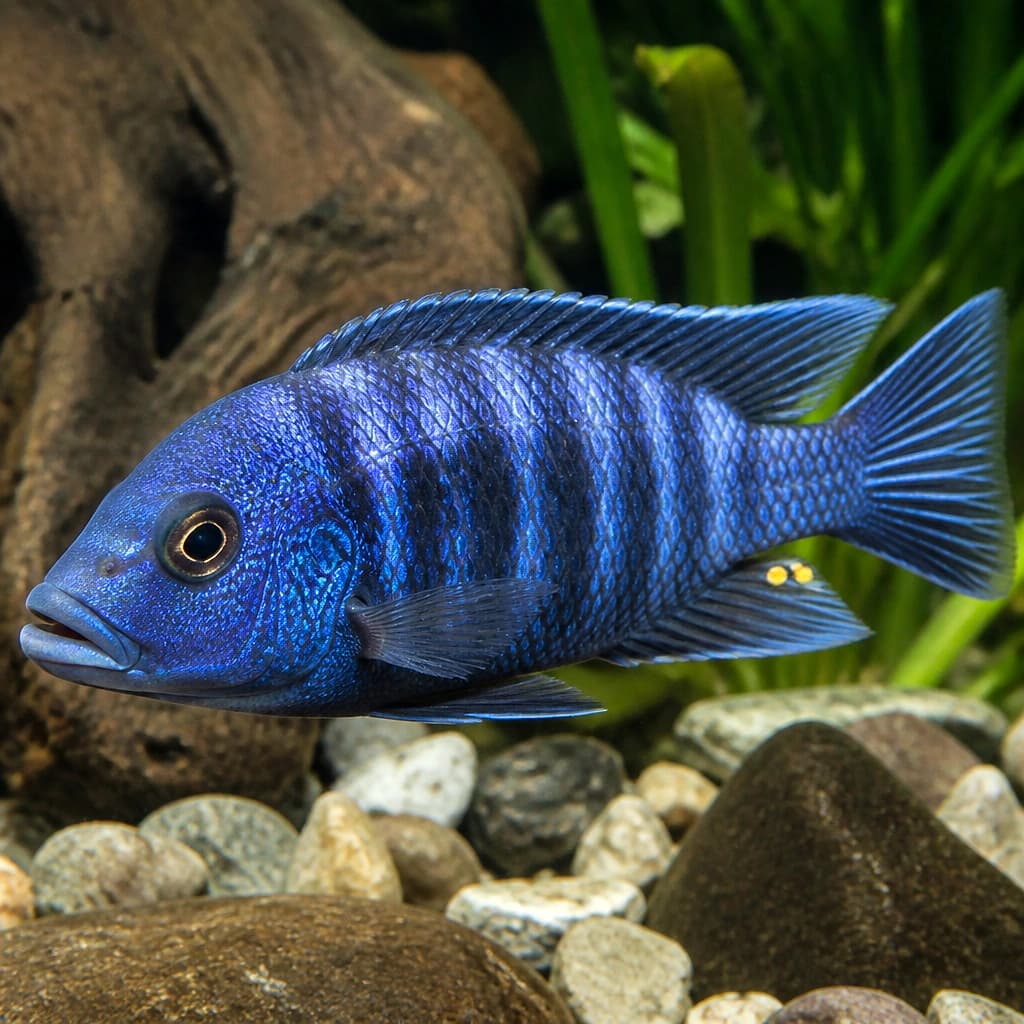
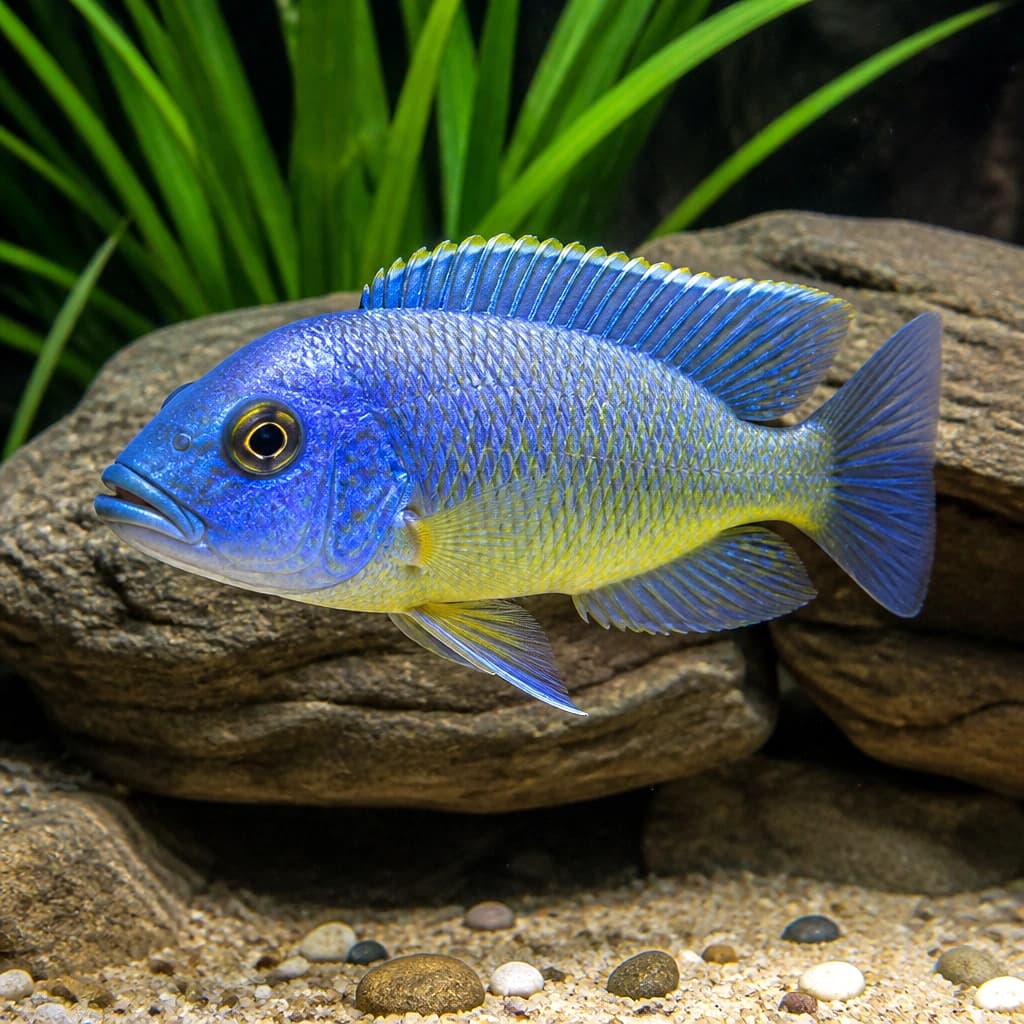
See our detailed photos showing body depth, fin shape, and the developing colour of this Hertae Cichlid Fish as it matures. Unlike many softer-water community fish, this species thrives in hard, alkaline conditions and rewards good husbandry with stronger colour and more natural behaviour. If you have been comparing lake malawi cichlids for sale, wondering where can i buy malawi cichlids online, or looking for the best place to buy cichlids uk, the Hertae stands out as an excellent choice for a spacious Malawi setup. For keepers who want a display fish with personality, structure, and movement, this is one of the most rewarding options among tropical fish for sale online.

🔹 Quick Facts

  • Scientific Name: Protomelas sp.
  • Care Level: Moderate
  • Min Tank Size: 300 litres (about 66 gallons)
  • Temperature: 24-28°C (75-82°F)
  • pH Range: 7.5-8.5
  • Lifespan: Up to 10 years
  • Temperament: Semi-aggressive
  • Diet: Omnivore

Classification

  • Order: Cichliformes
  • Family: Cichlidae
  • Genus: Protomelas

Protomelas species are well known in the aquarium hobby as open-water and midwater Malawi haps with stronger body depth than many peacock cichlids. Hertae sits within the cichlid family, a group famous for intelligence, territory, and parental behaviour. In the hobby, it is valued by aquarists who want a fish larger and bolder than many community tropical fish uk staples, but less chaotic than the most aggressive mbuna.

Where Do Hertae Cichlids Come From? Natural Habitat Explained

The Hertae comes from Africa (Lake Malawi), one of the world’s most famous rift lakes and home to hundreds of cichlid forms. In the wild, Malawi habitats vary from rocky shorelines to sandy transition zones and open-water edges. Protomelas species are usually associated with areas where they can cruise the middle water, inspect rock structures, and feed on a varied natural diet. That is why a good hertae cichlid Malawi tank setup should not be built like a dense planted tetra aquarium. Instead, it should copy the open, mineral-rich, hard-water environment these fish evolved in.

Many new keepers ask, what is tropical fish tank water supposed to be for African cichlids, and the answer is: not all tropical tanks are the same. Malawi fish need alkaline, oxygen-rich water with a stable mineral content. If you are wondering what ph for tropical fish tank conditions suit this species, aim for 7.5 to 8.5 rather than the softer acidic range used for tetras. This is also why Hertae is a poor match for a generic planted setup designed around tropical fish tank temperature for tetras.

In nature, seasonal shifts are modest compared with many river systems, so consistency matters more than frequent change. A healthy tropical fish tank ecosystem for Hertae uses rockwork, open swimming space, and strong filtration to imitate clear, well-oxygenated lake water. Aquarists sometimes compare this fish with pond species after searching terms like tropical fish pond uk, tropical fish pond royal oak, or even all pond solutions tropical fish, but Hertae is not a pond fish. It is a warm-water cichlid that belongs indoors in a heated aquarium.

If you are planning the tank from scratch and asking what do you need for a tropical fish tank, focus on volume, filtration, heater stability, and hard-water buffering before decorative extras. As for what plants for tropical fish tank layouts work here, only tough species attached to rock are reliable, and many keepers prefer a mostly hardscape-based display. For aquarists comparing hertae cichlid or alternative species, Hertae offers a nice middle ground: more substantial than many peacocks, but generally more manageable than highly territorial mbuna when stocked correctly.

💡 Expert Tip

Mimicking the natural Malawi habitat improves colour, confidence, and long-term health. In our experience, Hertae show better body condition and less chasing when given broad open swimming lanes with broken lines of sight created by rock piles rather than one solid wall of stone.

How to Set Up the Perfect Tank for Hertae Cichlids

The most common question buyers ask is simple: what size tank for tropical fish like Hertae? The answer is bigger than many expect. Although juveniles are often sold small, adults reach around 20cm, and males need room to establish territory without constantly pinning females or tank mates into corners.

Tank Size Requirements

The hertae cichlid minimum tank size is 300 litres, but that is the practical minimum for a carefully planned group. A more comfortable hertae cichlid tank size is 375-450 litres if you want one male with 3-4 females plus compatible companions. A 100cm tropical fish tank can work for a young group temporarily, but a longer tank is far better for adults. A 80cm tropical fish tank, 60cm tropical fish tank, or 50cm tropical fish tank is not suitable long term. If you are asking what size tropical fish tank gives proper swimming room, think footprint first, not just litres. This species is built for the middle water and needs horizontal space.

Water Parameters

The ideal tropical fish temperature for Hertae is 24-28°C, with 25-26°C being a very reliable everyday target. If you are comparing guides asking which tropical fish tank temperature, does tropical fish tank temperature, or must tropical fish tank temperature stay exact, the key point is stability. The temperature of tropical fish tank water should not swing widely between day and night. The tropical fish tank ideal temperature for this species overlaps with many Malawi haps, and the tropical fish tank best temperature is usually the midpoint of the range rather than the extremes.

For hardness, keep 10-20 dGH. pH should remain 7.5-8.5. This is classic hertae cichlid hard water care, and it matters because soft water often leads to stress, poor colour, and weak feeding response. If you are asking can tropical fish tank temperature compensate for poor chemistry, it cannot. Temperature helps metabolism, but mineral balance and pH stability are equally important.

24-28°C
Water Temperature
7.5-8.5
pH Range
10-20 dGH
Hardness
300L+
Minimum Volume

Filtration and Flow

A Hertae setup needs strong biological filtration because large cichlids produce a serious bioload. Use a robust external filter or a high-capacity internal system rated above the tank volume. A dependable tropical fish tank filter and heater combination is essential, and many keepers prefer a backup plan with two heaters or a heater plus controller. When planning a tropical fish tank complete setup, do not under-spec the filter. Strong turnover helps answer the common question of how to keep tropical fish tank water clear and how to keep tropical fish tank clean.

The tropical fish tank heater should be placed where flow distributes heat evenly. Correct tropical fish tank heater position matters more in long cichlid tanks than in small cubes. Set the tropical fish tank heater setting to your target and verify it with a separate thermometer. If you are wondering how often tropical fish tank temperature should be checked, daily visual checks and weekly thermometer confirmation are sensible.

Substrate, Rocks, and Plants

Sand is usually best. It looks natural, reflects light well, and allows easy waste removal. Build stable rock piles directly on the tank base before adding substrate so digging fish cannot collapse them. For decor, use caves and broken sight lines rather than cramming every inch with stone.

On the question of what plants for tropical fish tank layouts, Hertae is not the ideal fish for a lush aquascape, but hardy species can work. Anubias and Java fern tied to rock are the safest options. If you are considering a hertae cichlid for planted aquarium, keep planting simple and expect occasional nibbling or uprooting.

Quick Setup Checklist

  • Tank volume of at least 300 litres, ideally larger
  • Strong external filtration with high biological capacity
  • Stable heater sized for Malawi temperatures
  • Sand substrate and secure rockwork
  • pH 7.5-8.5 and hard, mineral-rich water
  • Open swimming space through the middle of the tank
  • Fully cycled aquarium before fish are added

💡 Pro Tip

Always cycle the tank for 4-6 weeks before adding Hertae. A rushed tropical fish tank quick setup often ends with ammonia spikes, stress, and aggression problems. A properly matured filter is one of the biggest differences between fish that merely survive and fish that thrive.

If you are shopping for companions or comparing Malawi options, species such as Aulonocara Sp Neon Red Calico Peacock, Rubin Red Peacock Cichlid - Aulonocara, and Aulonocara kandeense are often considered in similar hard-water setups. Avoid assuming a small tropical fish tank with heater or a tropical fish tank starter kit with heater is enough for this species; those are made for tiny community fish, not adult Malawi haps.

What Do Hertae Cichlids Eat? Complete Feeding Guide

The hertae cichlid diet is best described as omnivorous with a strong preference for quality prepared foods and protein-rich supplements. In the aquarium, a balanced cichlid pellet should form the staple. In the wild, related Protomelas species pick at invertebrates, small prey, and natural food sources around rock and substrate. That means Hertae do best on variety, not on one food forever.

Staple Foods

Feed a high-quality cichlid pellet or granule once or twice daily. Choose a formula designed for medium to large African cichlids, with moderate protein and digestible ingredients. This supports growth without pushing fatty degeneration or bloat. If you are trying to manage tropical fish tank algae, do not rely on Hertae as one of your tropical fish tank algae eaters; it is not an algae-control fish.

Supplemental Foods

Frozen krill, mysis, brine shrimp, and chopped prawn can be offered several times per week. These foods help condition adults and bring out stronger colour. Some keepers ask what tropical aquarium fish eat snails; Hertae may investigate small snails, but it should not be bought as a snail-control solution. Likewise, it is not one of the typical tropical fish tank bottom feeders, so sinking leftovers should be removed rather than expected to vanish.

Treats and Foods to Avoid

Treats should be occasional. Avoid fatty mammal meats and low-grade feeder fish. Foods that pollute quickly contribute to tropical fish tank brown algae, tropical fish tank green algae, and even nuisance outbreaks like tropical fish tank hair algae or tropical fish tank black hair algae by overloading nutrients. If algae is appearing and you are searching for tropical fish tank algae treatment, start by reducing excess feeding and improving maintenance before adding products.

In mixed setups with decor plants, do not confuse fish food with tropical fish tank plant food. Fertilisers are for plants, not fish, and should be used cautiously in cichlid systems where plant growth is usually secondary.

Feeding Frequency and Portion Control

Adults do well with 1-2 meals a day. Feed only what is consumed in 30-60 seconds. Juveniles can have smaller meals 2-3 times daily. A useful rule is that a slightly hungry cichlid is healthier than an overfed one. Good feeding works hand-in-hand with a strong tropical fish tank heater and filter setup because warmer water increases metabolism and waste production.

Time Food Amount
Morning High-quality cichlid pellet Small portion eaten within 1 minute
Evening Pellet or frozen mysis/krill Light second feed, 3-4 times weekly

⚠️ Feeding Warning

Overfeeding causes ammonia spikes, cloudy water, and long-term digestive trouble. In large cichlid tanks, excess food quickly overwhelms filtration and makes it harder to answer the common maintenance questions of how to clean tropical fish tank and how to maintain tropical fish tank successfully.

Rubin Red Peacock Cichlid - Aulonocara — A useful comparison species if you are building a varied Malawi display and want fish with similar feeding needs.
Aulonocara kandeense — Another compatible Malawi cichlid often fed on the same staple pellet and frozen rotation as Hertae.

What Does Hertae Cichlid Look Like? Colors, Patterns & Varieties

Hertae is a deep-bodied hap with a confident, athletic shape. Adults can reach around 20cm, which is why questions like who tropical fish tank size and what size tank for tropical fish matter so much here. This is not a tiny display fish that disappears into the background. It becomes a true focal point.

Males usually develop the strongest colour, often showing richer blue, metallic, or contrasting body tones depending on age, mood, and dominance. Females and juveniles are plainer, which is normal for many Malawi haps. During displays, the body intensifies and the fins extend more fully, especially when a male is defending space or courting. Our photos show the developing adult form and how colour improves under proper diet, stable hertae cichlid temperature, and hard alkaline water.

If your fish appears washed out, review the basics before assuming disease. Poor background choice, bright overhead lighting, stress from bullying, or unstable conditions can all reduce colour. Dark rock, pale sand, and clean water usually give the best contrast. Some keepers ask, why is my tropical fish tank going green, and excess green water or algae on the glass can dull the visual impact of this species even if the fish itself is healthy.

As a display fish, Hertae works best in a hertae cichlid for large tank setup where its body depth and cruising behaviour can be appreciated. It is not ideal for cramped aquariums, and the adult profile makes it unsuitable for the average tropical fish for beginners nano setup.

What Fish Can Live With Hertae Cichlids? Compatibility Guide

When people search for hertae cichlid compatible fish, they are usually trying to balance colour, movement, and manageable aggression. Hertae is semi-aggressive, not murderous, but it is still a Malawi cichlid with territory and hierarchy. The best tropical fish tank mates are other medium to large Malawi species that enjoy similar water chemistry and can hold their own without constant fighting.

Ideal Tank Mates

The best tank mates for hertae cichlid are usually other non-mbuna Malawi haps and peacocks. Good examples include Aulonocara Sp Neon Red Calico Peacock, Rubin Red Peacock Cichlid - Aulonocara, and Aulonocara kandeense. These species share similar water needs and can work in a spacious hertae cichlid community tank if stocking is planned carefully.

Some aquarists also compare unrelated cichlids such as Thorichthys Maculipinnis - Elliot'S Cichlid - or Guianacara Dacrya - South American Cichlid. These are interesting fish, but they prefer different water chemistry, so they are not ideal long-term companions for Hertae. If you want a true Malawi display, stay within Malawi-compatible species.

Species to Avoid

Avoid highly aggressive mbuna in cramped tanks, delicate community fish, long-finned slow swimmers, and most invertebrates. Searches like home aquarium sharks uk, tetras for sale uk, or tetra fish for sale uk often come from aquarists trying to mix very different fish types. Hertae is not suitable with tetras, guppies, or small peaceful species. It is also not a sensible choice if you are looking for a gentle hertae cichlid for community tank in the classic soft-water sense.

Mbuna such as Yellow Elongatus Cichlid - Chindongo Elongatus can be risky. In very large tanks with experienced stocking, it may be possible, but for most keepers the aggression style is too different. Likewise, Tanganyikan species like Kiriza Yellow Cichlid - Tropheus Moorii and Orange I Blunthead Cichlid - Tropheus are better kept in species-appropriate setups rather than mixed at random with Malawi haps.

Community Stocking Examples

A sensible group is 1 male Hertae with 3-4 females in 375 litres or more, plus a small number of similarly sized peacocks or haps. This reduces pressure on any single female and spreads attention across the tank. The ideal hertae cichlid tank mates plan focuses on shape, temperament, and water chemistry rather than just colour.

Species Compatible? Notes
Aulonocara Sp Neon Red Calico Peacock ✅ Yes Similar Malawi water needs and manageable temperament in large tanks
Rubin Red Peacock Cichlid - Aulonocara ✅ Yes Good visual contrast and suitable for a spacious hap-peacock mix
Yellow Elongatus Cichlid - Chindongo Elongatus ⚠️ Caution Mbuna aggression can be excessive unless tank size and layout are excellent
Tetras, guppies, shrimp ❌ Avoid Too small, too delicate, and not suited to Malawi hard alkaline water

If you are building a stocking plan and want a rough tropical fish tank mates chart, think in layers: one dominant male, several females, then a few similarly robust midwater companions. This is very different from a standard community tropical fish uk setup. It also explains why Hertae is not the answer for people searching free tropical fish to fill a spare mixed tank. This species deserves a purpose-built home.

💡 Compatibility Tip

Always use a tropical fish quarantine tank for new arrivals for 2-4 weeks before they join your main Malawi display. Quarantine reduces disease risk and lets you observe temperament before adding fish to an established hierarchy.

How to Breed Hertae Cichlids: Complete Breeding Guide

Hertae cichlid breeding is moderate in difficulty. It is very achievable for aquarists who already keep Malawi cichlids well, but it is not usually the first breeding project for beginners. The best starting point is a healthy group with one mature male and several females. A proper hertae cichlid breeding pair can form naturally, but harems work better because they spread male attention and reduce stress.

Breeding Setup

Use a spacious tank with stable rockwork, open sand, and excellent water quality. Keep the tropical fish tank water temperature in the upper normal range, around 26-27°C, without pushing it so high that the tropical fish tank temperature too hot question becomes relevant. The normal tropical fish tank temperature range for this species is enough; you do not need extreme heat to trigger breeding. For UK keepers checking guides on tropical fish tank temperature uk celsius, simply stay within the species range and keep it steady.

Spawning Behaviour

The male intensifies in colour, claims a display area, and courts females with body quivering and circling. Like many Malawi haps, Hertae is a maternal mouthbrooder. The female lays and collects the eggs quickly, so you may not see obvious clusters of tropical fish tank eggs on decor. If a keeper expects visible yellow eggs in tropical fish tank gravel, they may think nothing happened, when in fact the female is already holding.

Egg Care and Hatching

Once holding, the female may eat very little for around 18-28 days depending on temperature and individual fish. Keep stress low and avoid netting unless necessary. Some breeders strip mouthbrooding females, but many hobbyists get better results by letting the female release naturally in a separate rearing tank.

Fry Care and Growth

Newly released fry can take finely crushed cichlid food, powdered fry food, and newly hatched brine shrimp. Frequent small feeds and pristine water are the keys to survival. If you are asking what chemicals do i need for a tropical fish tank or what chemicals do you need for a tropical fish tank to breed them, the answer is fewer than many think: dechlorinator, possibly a Malawi buffer if your tap water is soft, and reliable test kits matter more than miracle additives.

Advanced Breeding Tip

Condition the group heavily with quality pellets and frozen foods for 2-3 weeks, then perform a slightly larger water change with well-matched chemistry. That combination often stimulates courtship without destabilising the tank. Avoid copying unrelated guides about tropical fish tank temperature guppies; Malawi mouthbrooders have very different needs.

Hertae Cichlid vs Similar Species: Which Should You Choose?

Choosing between Malawi species can be tricky because many juveniles look plainer in shop tanks than they do as adults. If you are comparing hertae cichlid or alternative species, the most useful question is not just colour, but also adult size, temperament, and tank footprint.

Feature Hertae Cichlid Rubin Red Peacock
Max Size 20cm 13-15cm
Care Level Moderate Moderate
Temperature 24-28°C 24-28°C
Price £14.52 Varies
Best For Larger Malawi hap display Colourful peacock community
Feature Hertae Cichlid Yellow Elongatus
Temperament Semi-aggressive More aggressive mbuna style
Tank Style Open rock and sand Dense rocky mbuna layout
Diet Omnivore More herbivorous-leaning care needed
Best For Mixed haps and peacocks Species-focused mbuna tanks
Buyer Type Keeper wanting a larger centrepiece Keeper wanting active rock-dwellers

Choose Hertae if you want a larger, more substantial fish than many peacocks, with a classic hap body shape and strong midwater presence. Choose Rubin Red Peacock Cichlid - Aulonocara or Aulonocara Sp Neon Red Calico Peacock if your priority is a slightly calmer, more colour-led display in a somewhat smaller tank. Choose Yellow Elongatus Cichlid - Chindongo Elongatus only if you specifically want mbuna behaviour and are prepared for a more confrontational setup.

For keepers asking whether Hertae is a hertae cichlid for beginners species, the honest answer is: suitable for improving aquarists, not absolute beginners. It is easier than some highly aggressive cichlids, but it still needs proper planning, adult-sized housing, and a disciplined maintenance routine.

Common Health Problems in Hertae Cichlids & How to Prevent Them

A healthy Hertae is alert, thick-bodied, eager to feed, and confident in open water. Fins should be open, breathing steady, and colour appropriate for age and rank. If a fish hides constantly, clamps fins, breathes heavily, or loses condition, start by checking water quality before assuming infection. Good hertae cichlid ideal temperature and stable chemistry prevent many problems before they start.

Common Diseases and Symptoms

Like many African cichlids, Hertae can suffer from stress-related issues, external parasites, bacterial infections, and Malawi bloat if diet and water quality are poor. General tropical fish tank diseases such as white spot, fin damage from fighting, or secondary bacterial infections can appear after shipping stress or aggression. Digestive trouble is more likely in tanks with overfeeding and unstable maintenance.

Treatment and Prevention

The best answers to how to test tropical fish tank water, how to change tropical fish tank water, and how to maintain tropical fish tank all start with routine. Test ammonia, nitrite, nitrate, and pH regularly. Change 25-40% of the water weekly, vacuuming waste from open sand areas. If you are wondering how to clean small tropical fish tank, remember that Hertae should not be in a small tank at all; large cichlid systems need large-scale maintenance.

Use a separate tropical fish quarantine tank for all new fish. This protects your main display and gives time to observe feeding, faeces, and respiration. Quarantine is especially important if you are buying from mixed sources after searching tropical fish shop near me, tropical fish shops near me, or malawi cichlids for sale near me. Fish from different systems can carry different pathogen loads.

⚠️ Medication Warning

Never medicate the main display blindly. Treat the cause, not just the symptom. Copper-based medications can also be dangerous in mixed systems with invertebrates, and many disease outbreaks are actually the result of poor water quality, bullying, or incorrect diet rather than a mystery pathogen.

Quarantine Protocol

  • Use a separate bare-bottom tank for 2-4 weeks
  • Match pH and hardness to the main Malawi setup
  • Observe feeding response and respiration daily
  • Test water twice weekly
  • Only transfer fish once eating strongly and symptom-free

Understanding Hertae Cichlid Behavior in the Aquarium

Hertae is an active midwater cichlid with a confident, watchful personality. It spends much of the day cruising open areas, checking rockwork, and responding quickly to movement outside the glass. Males become more territorial as they mature, especially in breeding condition, while females are generally less intense but still robust compared with typical community fish.

This species is not a schooling fish, so the idea of a large hertae cichlid school size does not really apply in the same way it would for barbs or tetras. Instead, social balance comes from ratio and space: one male with several females works best. In cramped conditions, the dominant fish may harass subordinates constantly. In a well-designed tank, you will see more natural displays, less panic hiding, and stronger feeding confidence.

One reason Hertae appeals to experienced keepers is that it has real presence without the nonstop chaos of some rock-dwelling cichlids. If you enjoy fish that recognise feeding routines and interact visibly with their environment, this species is very satisfying to keep.

Why Buy from Tropical Fish Co?

When buying a Malawi hap online, condition matters more than flashy sales language. Hertae often arrives in the trade at a stage where body shape, feeding response, and stress handling tell you more than final adult colour. We focus on well-started fish with good body mass, straight backs, clear eyes, and active feeding behaviour, so you are not guessing from a weak juvenile that may or may not settle.

Each fish is monitored before dispatch, and Malawi stock is only sent once feeding confidently and showing stable behaviour. That matters for buyers looking to buy fish online, buy live fish online uk, or buy tropical fish UK without relying on the luck of a random listing. If you have searched tropical fish for sale near me, tropical fish pets at home, fish for sale pets at home, or best place to buy tropical fish uk, the real difference is not just availability. It is whether the fish has been assessed properly for cichlid-specific condition and shipping readiness.

Our live fish are packed in insulated boxes with professional bagging, oxygen where appropriate, and heat packs in colder weather. Tracked delivery helps reduce transit time, and acclimation guidance is included because large cichlids need a measured introduction, not a rushed float-and-drop. We also understand UK tap water variation and can advise whether your local supply suits a hertae cichlid hard alkaline water setup or needs buffering.

If you are comparing tropical fish for sale with unrelated searches like cold water fish for sale, cold water fish for sale uk, or buy cold water fish online uk, remember that Hertae is a specialised warm-water African cichlid, not a general household fish. Order your Hertae today with confidence if you want a genuine Malawi centrepiece from a source that understands the difference between a sellable fish and a properly prepared one.

Why Choose Tropical Fish Co for Hertae Cichlids

  • Hertae are selected for body shape, feeding response, and cichlid condition rather than just juvenile colour
  • Stock is observed before dispatch so weak or unsettled fish are not rushed into transit
  • Packing is designed for live cichlids, with insulation and seasonal heat support for UK delivery

Building a Malawi display around Hertae? Consider adding Aulonocara Sp Neon Red Calico Peacock for contrasting colour and similar water needs, or Rubin Red Peacock Cichlid - Aulonocara if you want another reliable peacock companion. Aulonocara kandeense is another strong option for a spacious hap-peacock mix.

If you are comparing more assertive species, review Yellow Elongatus Cichlid - Chindongo Elongatus before mixing mbuna with haps. For aquarists interested in cichlids from different regions, Thorichthys Maculipinnis - Elliot'S Cichlid - and Guianacara Dacrya - South American Cichlid show how different cichlid care can be outside Lake Malawi.