Easy
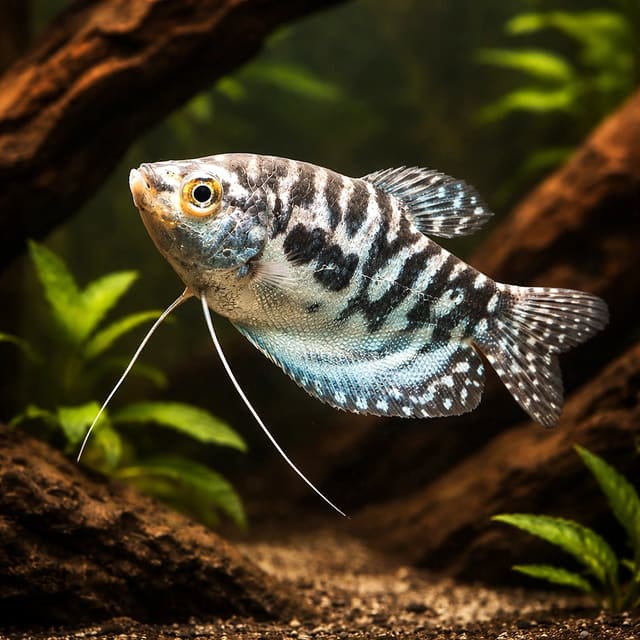
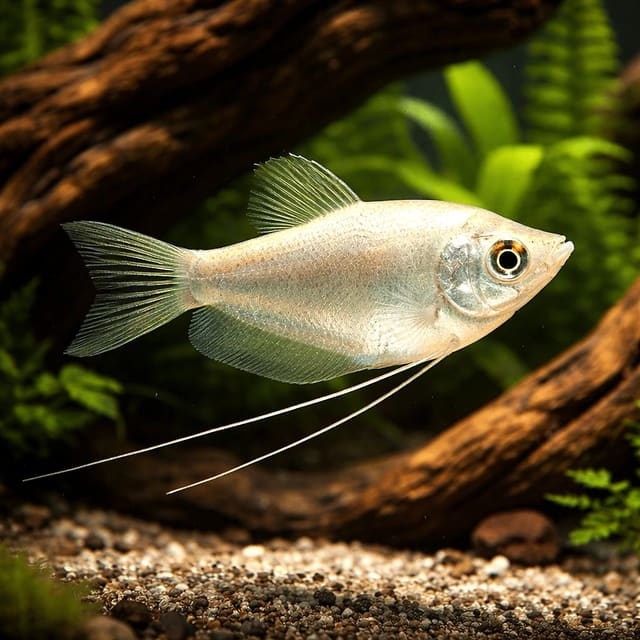
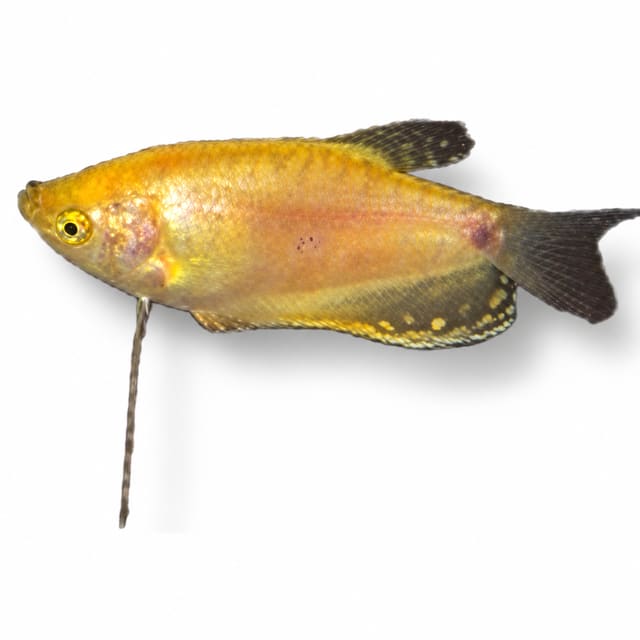
Silver Platinum Three-Spot Gourami
22–28°C · pH 6–8 · 120L
From £4.99Some sizes on sale
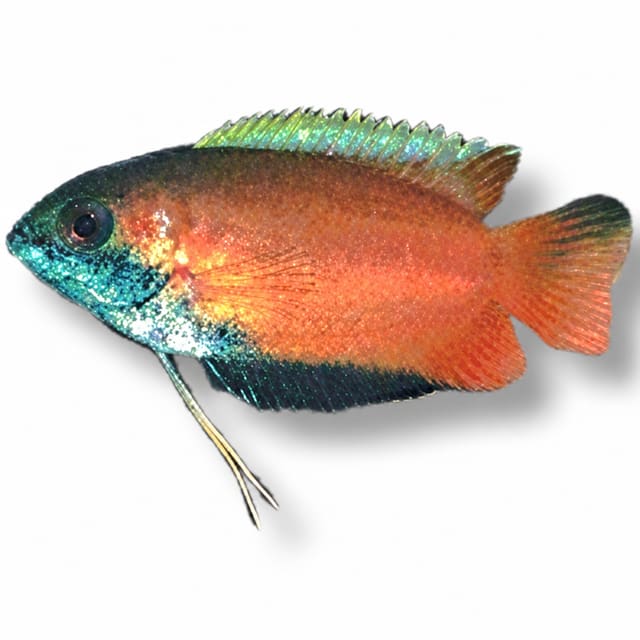
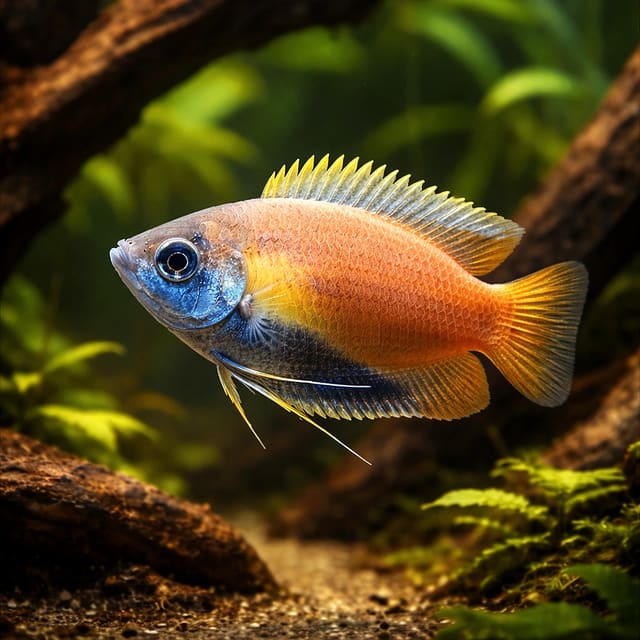
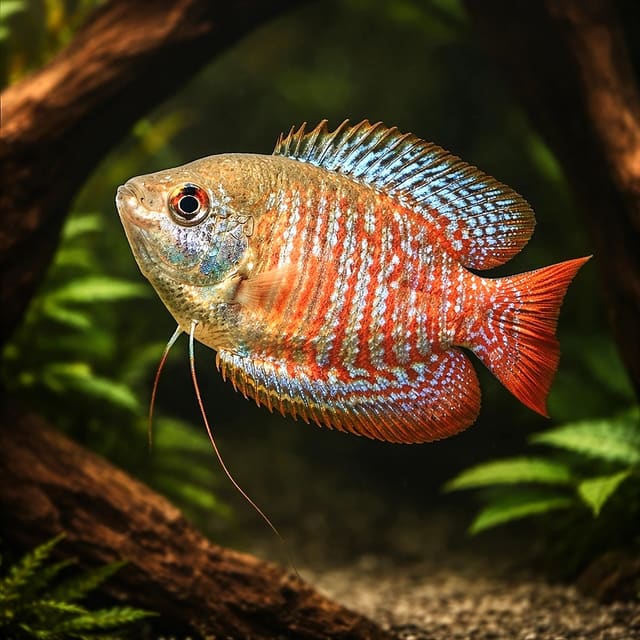
Red strain of the hardy three-spot-type gourami. Easy to keep, around 15 cm, suited to 120 L+ tanks with robust community fish.
Adult size is the maximum length this species reaches at full maturity (scientific sources). The livestock you receive will be younger and smaller. Product-photo provenance and any image-specific limitations are stated on the listing.
Trichopodus trichopterus
Save when buying multiple fish. Each quantity is one fish; sex and pair formation are not guaranteed unless the selected variant explicitly states them.
Red strain of the hardy three-spot-type gourami. Easy to keep, around 15 cm, suited to 120 L+ tanks with robust community fish.
Adult size is the maximum length this species reaches at full maturity (scientific sources). The livestock you receive will be younger and smaller. Product-photo provenance and any image-specific limitations are stated on the listing.
Maintain these water conditions for optimal health and vibrant colors
Red is not the colour most aquarists picture when they think of this dependable gourami — which is precisely the appeal. Trichogaster trichopterus red dresses one of the hobby's most reliable labyrinth fish in red, and underneath the unusual colourway sits the same easy-going Southeast Asian species keepers have trusted for decades, hailing from Thailand, Malaysia and Indonesia.
Practicalities first: it reaches roughly 15 cm, lives around five years, and wants an aquarium of 120 litres or more. Water chemistry is wide open — 22–28 °C, pH 6.0–8.0 and 5–20 dGH — while an omnivorous menu of flakes, pellets, frozen bloodworms, brine shrimp and vegetable matter keeps it in condition. Expect to see it most often in the upper reaches of the tank, and if conditions please it, expect a large bubble nest too; breeding carries an easy rating.
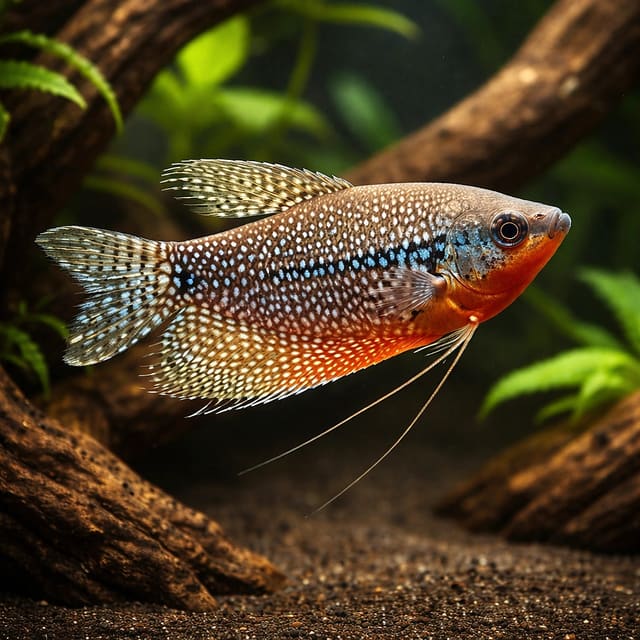
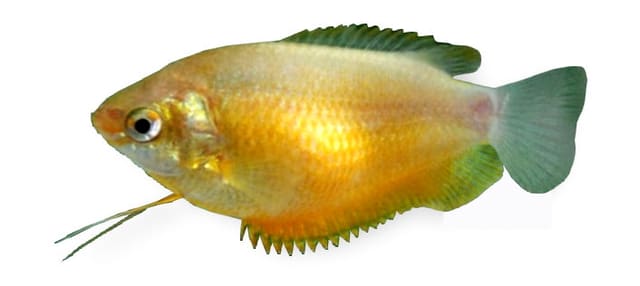
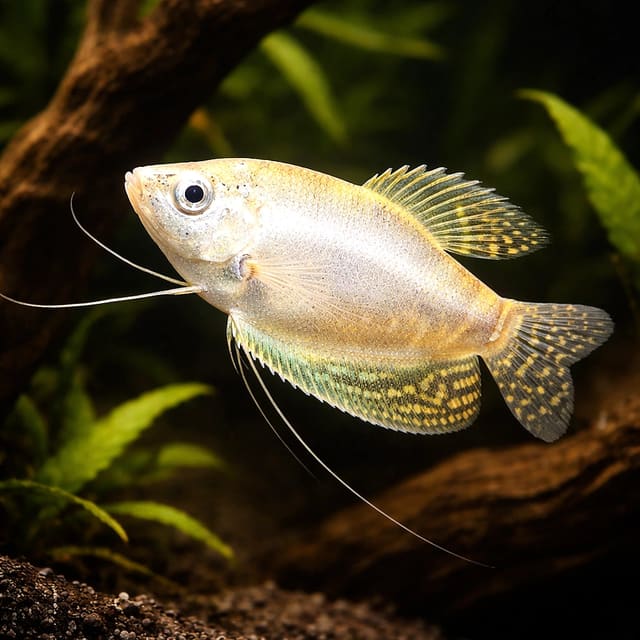
Its semi-aggressive label mostly concerns its own kind: males are territorial, so the one-male-per-tank rule applies, kept solo or with females. Beyond that it slots into robust communities of medium barbs, large tetras, Corydoras and loaches without drama. Spare it the company of other male gouramis, small delicate species and slow long-finned fish. It is worth noting where this strain sits in the family line-up: the species is normally traded in blue, gold, opaline and silver varieties, which makes a true red form a genuine rarity on UK stock lists — check your existing community against the avoid-list above and move quickly if it fits.
Pick this fish to put a splash of unexpected colour at the surface of a medium-to-large community without adding any extra difficulty to your weekly routine. Hardy enough for newer keepers, scarce enough to interest old hands. It ships under our live arrival guarantee in the care of a licensed live-animal courier.
No reviews for this item yet. Bought one? Honest reviews only, good or bad.
What customers say about ordering from us
Easy website plenty of info on fish your buying great to pick a time slot
TRACEY DURRANT · 7 Oct 2026
Got some lovely fish thank you
Kevin Mackie · 7 Oct 2026
Reviews of our shop, collected by Judge.me, an independent third-party review collector. Newest first.