Easy
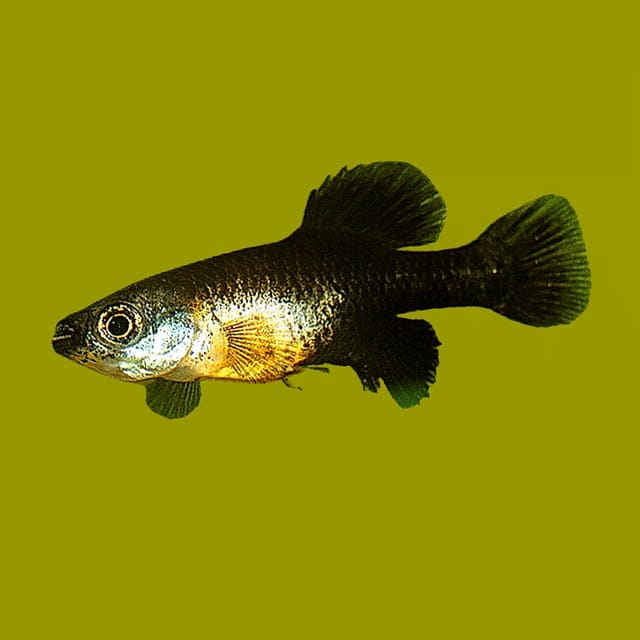
Limia vittata wild
18–24°C · pH 7.5–8.2 · 75L
£19.99

Rare Haitian hard-water livebearer with black bars and mature male hump development; best in planted, stable, social aquariums.
Adult size is the maximum length this species reaches at full maturity (scientific sources). The livestock you receive will be younger and smaller. Product-photo provenance and any image-specific limitations are stated on the listing.
Limia nigrofasciata
Shoaling fish: kept in a group they feel safer, stay calmer and show their best colour.
Confirm your email, then we’ll send an availability message for this exact item if it returns within 180 days.
This request is only for this product—no newsletter or other promotions. A mail-provider retry may very rarely duplicate the same availability message. Unconfirmed addresses are removed after 48 hours. See our privacy policy.
Rare Haitian hard-water livebearer with black bars and mature male hump development; best in planted, stable, social aquariums.
Adult size is the maximum length this species reaches at full maturity (scientific sources). The livestock you receive will be younger and smaller. Product-photo provenance and any image-specific limitations are stated on the listing.
Maintain these water conditions for optimal health and vibrant colors
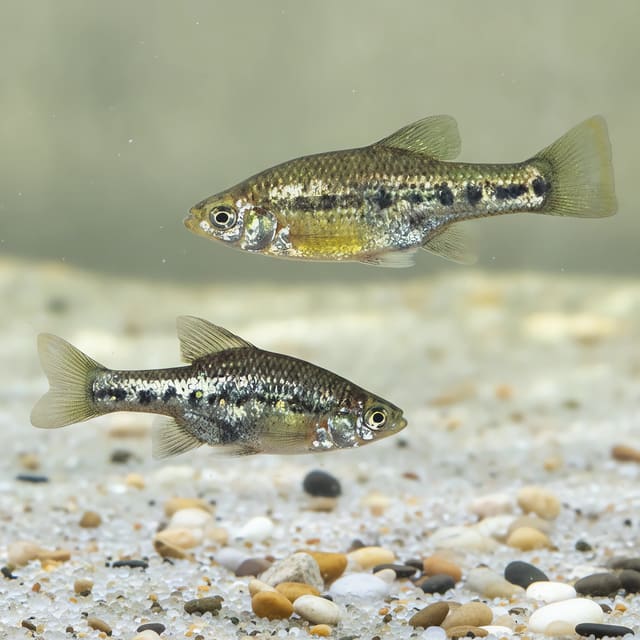
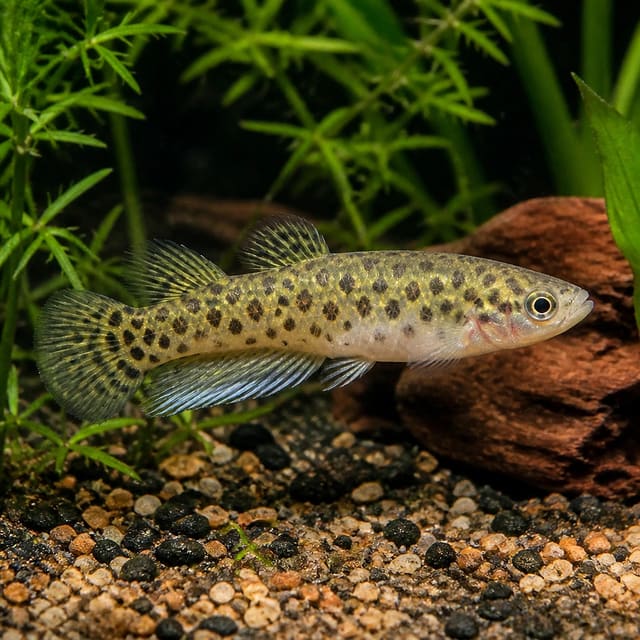
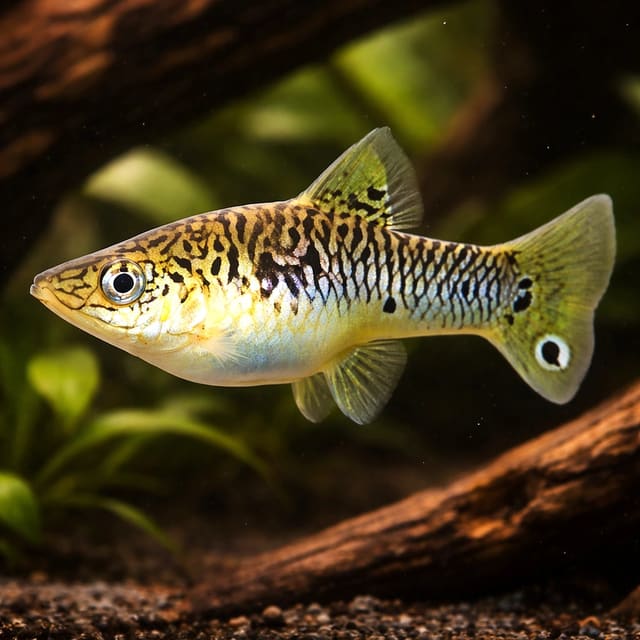
Humpbacked Limia (Limia nigrofasciata), also known as the Black-barred Limia, is a distinctive Haitian livebearer with bold vertical barring and mature males that develop the raised back which gives the fish its common name. The old imported code text has been removed from the customer-facing name because it is not part of the accepted common or scientific name.
SKU 6311 is the 3-4 cm Humpbacked Limia form.
| Product | Humpbacked Limia |
|---|---|
| Scientific name | Limia nigrofasciata |
| Also known as | Black-barred Limia, Blackbarred Limia |
| Supplier size | 3-4 cm |
| Adult size | Plan for around 5-6 cm; mature males develop the strongest hump and dorsal display |
| Care level | Moderate: stable hard water, plants and good water quality are important |
| Temperament | Generally peaceful and social; males display and may jostle for rank |
| Minimum aquarium | 75 litres for a small group; more space is better for mixed-sex groups |
| Temperature | 22-26 C for routine aquarium care; keep stable and well-aerated |
| pH | 7.0-8.5 |
| Hardness | 10-25 dGH; hard alkaline water is preferred |
| Diet | Omnivore with algae, biofilm, vegetable matter, quality flake and small frozen foods |
| Tank region | Middle and upper water, grazing through plants and open areas |
FishBase and IUCN-linked data list Limia nigrofasciata as Critically Endangered and harmless to humans. The species is endemic to Haiti, with modern accounts centring it on Lake Miragoane. Seriously Fish notes shallow, heavily vegetated water and large shoals, including brackish influence in some locations. That tells us to keep it in clean, stable, planted water with social company rather than as a single show fish.
This conservation status does not make the fish difficult by itself, but it does mean the page should be accurate. The best aquarium approach is steady water, a planted layout, careful acclimation and responsible breeding or group keeping when possible.
Use a mature aquarium with hard, alkaline water, good filtration and a calm planted layout. Humpbacked Limias enjoy open swimming room, but they also graze and shelter around plants, wood and algae-covered surfaces. Floating plants or tall stems help fry and nervous females avoid constant attention from males.
A group is better than a pair. If you keep mixed sexes, provide several females per male where possible, because males display and compete. A 75 litre aquarium is a sensible starting point; a larger tank gives them room to shoal and reduces pressure during courtship.
Keep the water stable around 22-26 C, pH 7.0-8.5 and 10-25 dGH. They are livebearers that appreciate minerals and steady oxygen, so avoid soft acidic water crashes and sudden changes. Regular water changes are useful, but make them consistent rather than dramatic.
Feed as a hard-water omnivore with a strong vegetable side. Good flake, algae-based foods, fine granules and grazing surfaces can be the staple, supported with daphnia, brine shrimp, cyclops and other small frozen foods. Avoid making the diet all rich meaty food; vegetable matter helps condition and digestion.
Suitable tank mates include peaceful hard-water livebearers, calm rainbowfish, small peaceful community fish and bottom dwellers that tolerate similar water. Avoid fin nippers, large predators, very soft-water species and aggressive fish that disrupt the group. Tiny newborn fry may be eaten unless dense plants are provided.
Like other livebearers, Limia nigrofasciata gives birth to live young. FishBase records 20-30 young, and vegetation gives fry a better chance. Males can be persistent, so group balance and cover matter. If you want to raise young deliberately, use dense plants or a separate rearing setup and feed fry tiny prepared foods and small live foods.
Humpbacked Limia suits aquarists who enjoy uncommon livebearers, planted hard-water aquariums and natural behaviour. It is a lovely choice when you want a fish with conservation interest, visible social behaviour and a different look from the usual guppy, platy or molly.
When available, Humpbacked Limias are sent using our live animal courier process and covered by the Tropical Fish Co Live Arrival Guarantee. First-time customers can use WELCOME10 where eligible. After delivery, keep the lights low and acclimate slowly to avoid sudden changes in pH, hardness or temperature.
No reviews for this item yet. Bought one? Honest reviews only, good or bad.
What customers say about ordering from us
I have a small group of long finned mountain minnows. So was delighted to be able to order ten of this variety to increase the genetics in my tank . The ones I recieved are healthy but it’s to early to give a verdict on wether they are of a long finned type since they are small currently.
Gordon Walker · 23 Sept 2026
100% success travel and "installation". Pleased with quality of purchase. The Siamese fighter a bit "shy" so have not yet seen him at his best yet but looking good. Happy customer. GG
George E Garratt · 21 Sept 2026
Reviews of our shop, collected by Judge.me, an independent third-party review collector. Newest first.