Moderate
Amano Shrimp (Caridina multidentata)
£3.59

The Kaira River Prawn (Macrobrachium dayanum) is offered as one live 2–4 cm freshwater prawn for a mature, filtered aquarium with cover, safe feeding space and invertebrate-safe water care. Reliable species-specific adult-size and social limits are unavailable, so allow room to adapt or separate it as it grows.
Macrobrachium dayanum
Lives in groups: kept together they stay settled, active and show their best colour.
The Kaira River Prawn (Macrobrachium dayanum) is offered as one live 2–4 cm freshwater prawn for a mature, filtered aquarium with cover, safe feeding space and invertebrate-safe water care. Reliable species-specific adult-size and social limits are unavailable, so allow room to adapt or separate it as it grows.
Maintain these water conditions for optimal health and vibrant colors
The Kaira River Prawn (Macrobrachium dayanum) is a freshwater prawn in the family Palaemonidae. The World Register of Marine Species records that accepted identity. It suits a keeper who enjoys observing freshwater invertebrates and can provide a mature, filtered aquarium with secure cover, a visible feeding area and a humane separation option. Reliable species-specific adult-size and social limits are unavailable, so choose it only if the setup can adapt as it grows.
One purchase supplies one live prawn at a dispatch grade of 2–4 cm. That is the size range in which the animal is supplied, rather than its final adult length. Give the animal room to move, withdraw and feed without having to compete around a single shelter.
Use broad freshwater-invertebrate guidance as a starting point rather than a precise recipe for this prawn. OATA’s freshwater shrimp and snail guide covers water quality, filtration, cover, feeding and maintenance, while also directing keepers to obtain species-specific advice. The figures on this page stay labelled as group guidance rather than a measured optimum for M. dayanum.
The practical buying question is whether the keeper can provide mature biological filtration, stable water, invertebrate-safe treatments, suitable cover, measured feeding and a cautious introduction. A useful setup also leaves capacity to isolate the prawn if its behaviour or growth makes the original plan unsuitable. Buying with that flexibility is safer than choosing purely by the animal’s present size or by a gallery image.
| A good fit when | Pause and plan first when |
|---|---|
| The aquarium is mature, filtered and routinely tested | The tank is newly filled or water readings fluctuate |
| Cover and an observable feeding area are ready | The only shelter is already controlled by another animal |
| All treatments are checked for invertebrate safety | Copper-containing or uncertain products are in use |
| A humane separation option is available | Every inhabitant must remain together whatever happens |
The sold unit is straightforward: one live Kaira River Prawn per purchase, supplied at 2–4 cm. Sex is guaranteed only when the selected option explicitly states male or female. This Kaira River Prawn listing has no sex-guaranteed option. That distinction matters with a genus in which at least males may show enlargement of the second pair of walking legs. A visible feature in a photograph cannot promise the sex or appearance of the animal received.
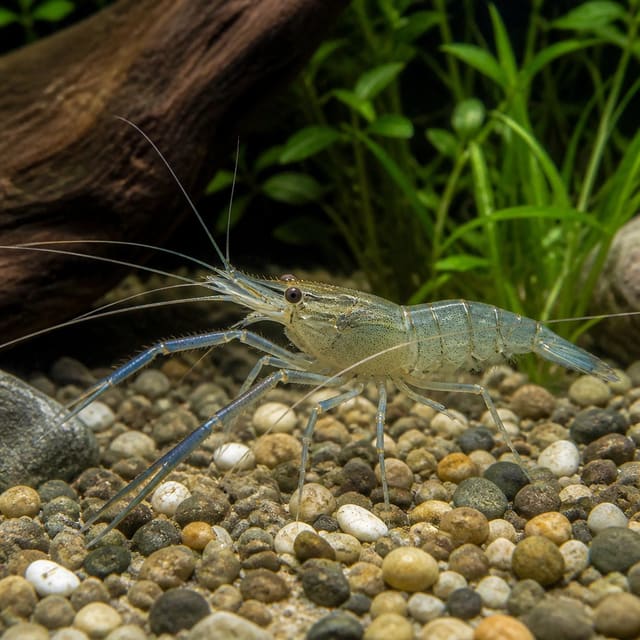
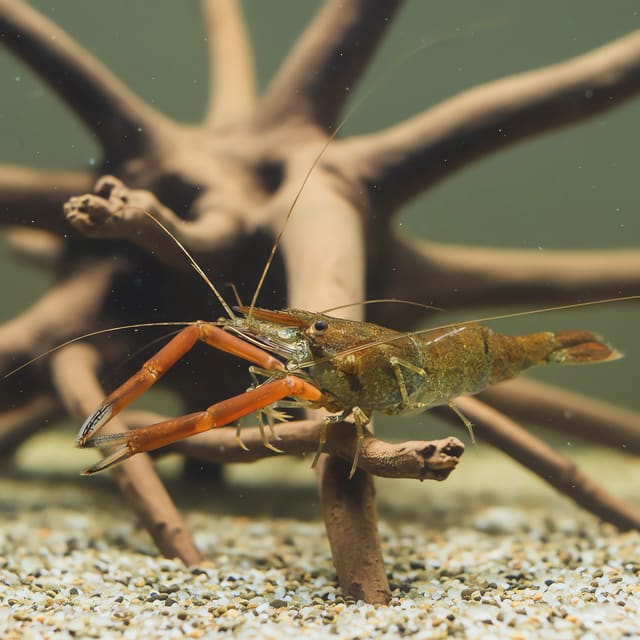
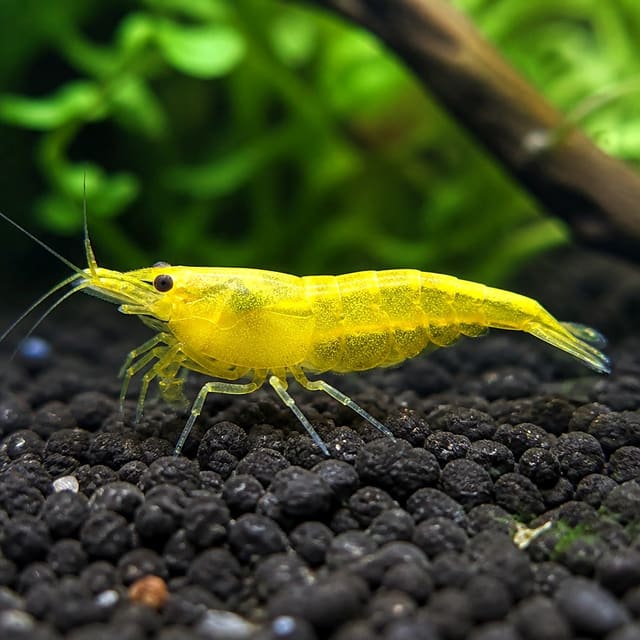
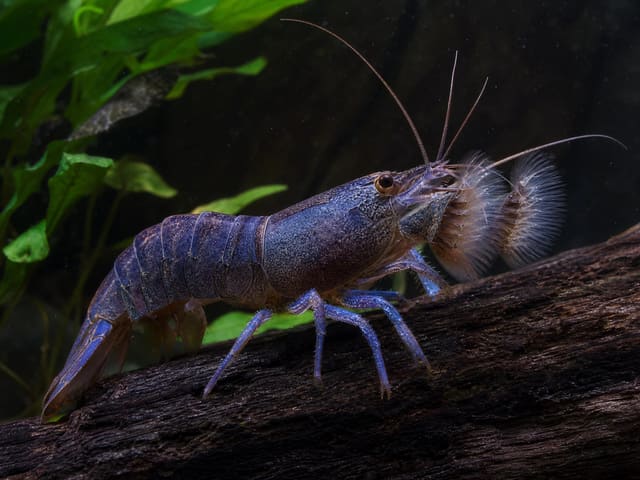
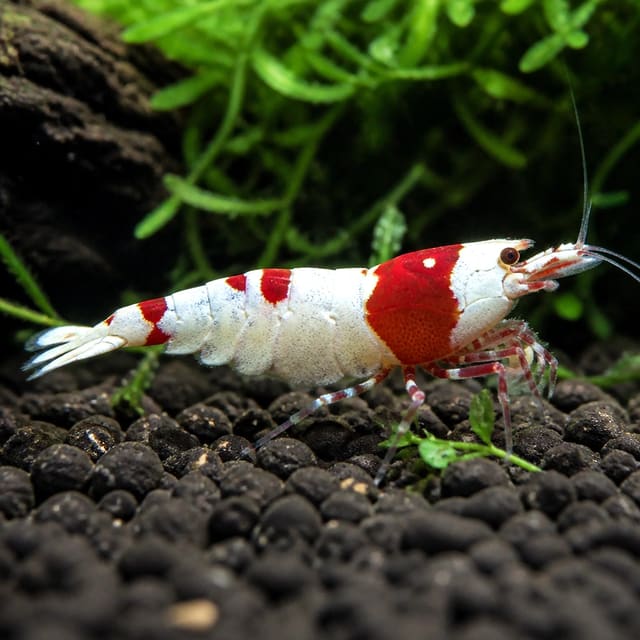
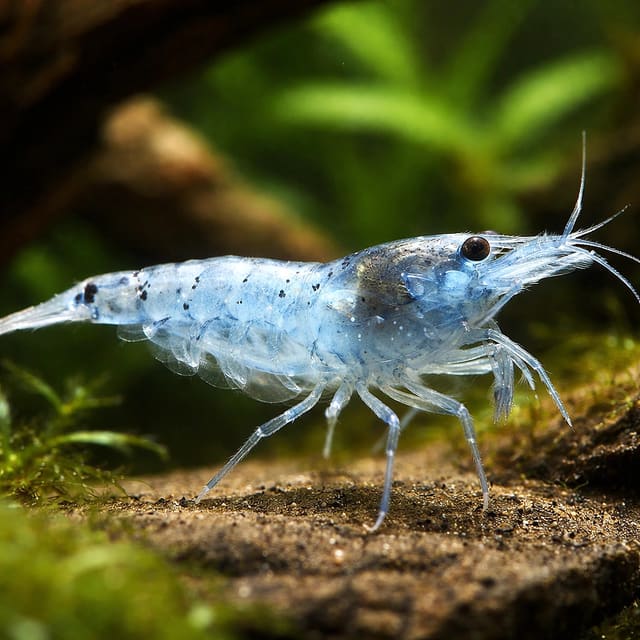
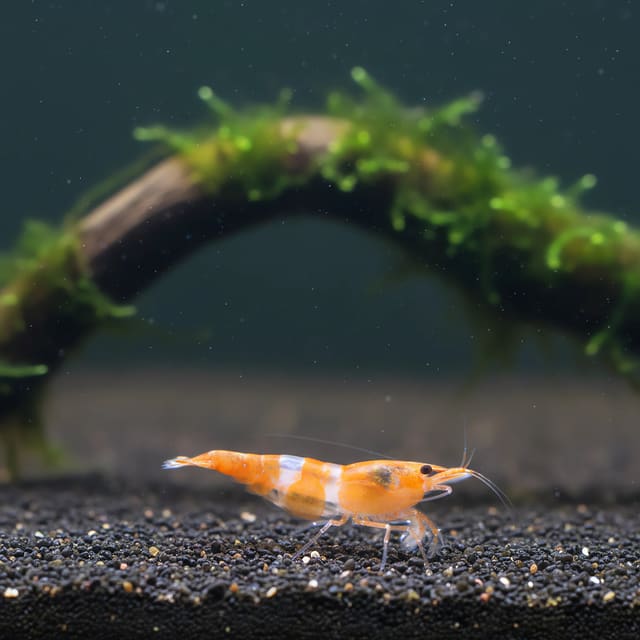
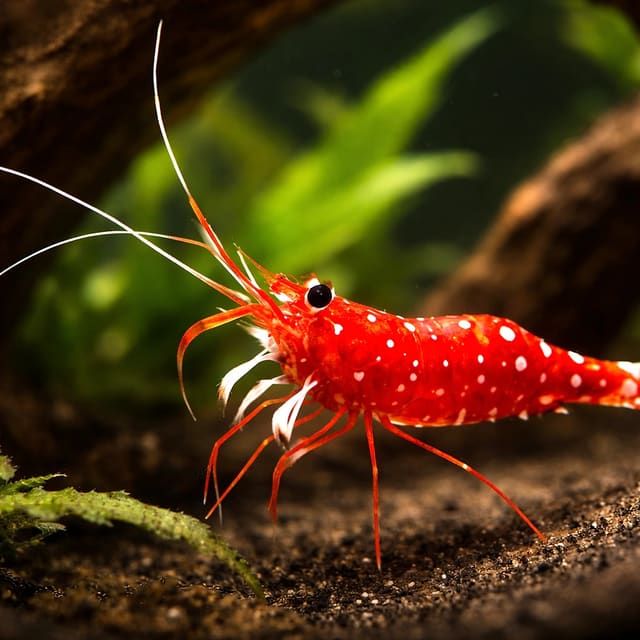
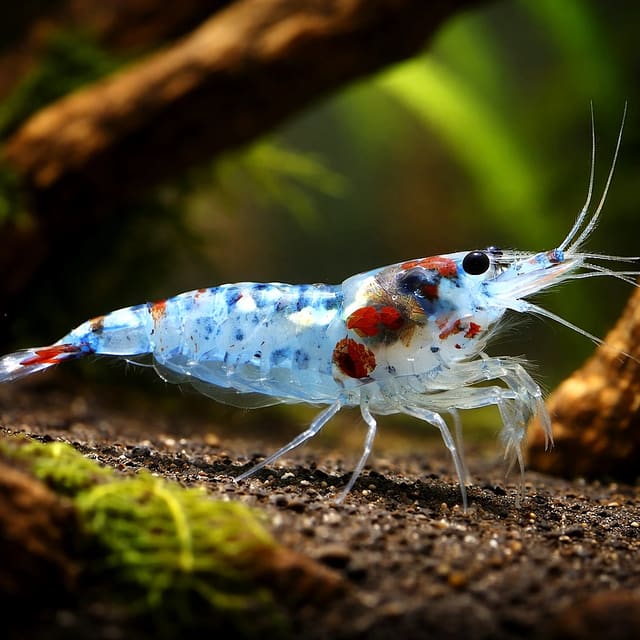
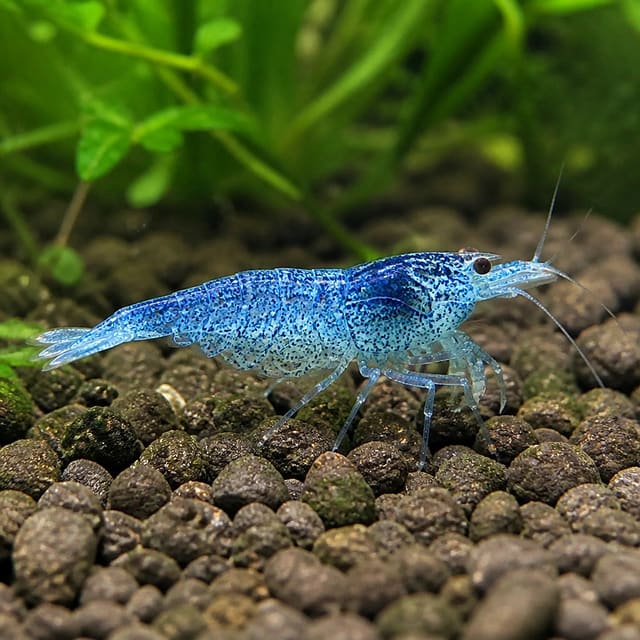
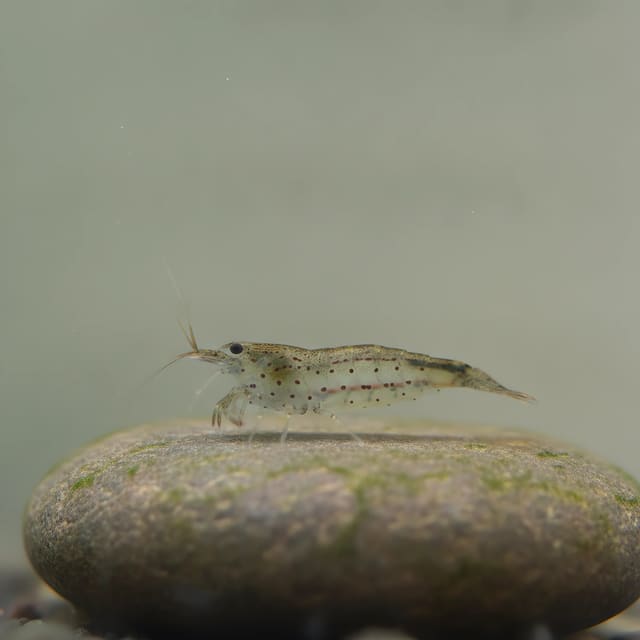
Gallery images have been digitally enhanced to improve image quality. Natural colour, pattern, size and maturity can vary between live animals. The four gallery files show one or two long-clawed prawns in different aquarium-style views. Their provenance and exact-specimen relationship remain unknown. Use them to understand pose, visible count and scene, while relying on the product identity and sold-unit wording for the purchase itself.
Adult maximum, lifespan, captive-breeding method, pair bonding and a universal community-temperament rule remain unconfirmed. This is an important limitation rather than a reason to fill the page with guesses. The care plan focuses on stable water, mature filtration, cover, safe feeding and direct observation: the decisions a keeper can control.
Keep the product title, scientific name and sold unit together when comparing this listing with other crustaceans. The shrimp and crustacean collection is the appropriate place to compare alternatives. Similar-looking animals may have very different adult sizes, feeding methods and social behaviour, so compare the complete care needs rather than choosing by colour alone.
Before purchase, decide how the prawn will be observed during feeding, where it can shelter and how it could be moved without dismantling the whole aquarium. Those practical details matter more than decorative assumptions about personality. They also make it easier to respond calmly if the animal hides, refuses food or behaves differently from the keeper’s expectation.
Keep every care number attached to its scope. The OATA freshwater shrimp and snail sheet gives a broad group range of 17–27°C, pH 6.5–8.0, general hardness 4–18°dH and carbonate hardness 3–15°dKH. It also requires zero measurable ammonia and zero nitrite, and advises keeping nitrate no more than 20 mg/l above the normal tap-water level. These are starting points for testing rather than a measured optimum for Macrobrachium dayanum.
A stable aquarium near the middle of a suitable range is easier to manage than one repeatedly adjusted to chase an edge value. Compare the aquarium water with current advice for the exact animal, and make changes gradually. When tap water or an established tank sits well outside the broad guide, resolve the difference before purchase instead of exposing an invertebrate to a sudden correction.
Use the broad OATA figures with their label: 17–27°C, pH 6.5–8.0 and 4–18°dGH. A bare temperature number loses that important context, so keep the words ‘broad freshwater shrimp and snail guidance’ beside the range wherever it is displayed. The aquarium water-parameters guide explains pH, hardness, ammonia, nitrite and nitrate, while the water matcher helps compare measured aquarium water with stated guidance.
Temperature, pH and hardness are only part of the decision. A biologically mature filter, steady oxygenation, sensible stocking and controlled feeding all affect ammonia and nitrite. Clear water can still contain dissolved waste. Use reliable tests, keep a simple written record and respond to a trend before the animal shows distress.
When adjusting water, change one factor at a time and measure again. Large swings caused by repeated chemical correction can be harder on livestock than a stable value. If hardness or pH needs long-term management, plan the replacement-water recipe in advance so routine water changes reinforce stability instead of producing a weekly shock.
Choose a footprint and volume that allow stable filtration, separated cover, easy observation and room to respond as the prawn grows. OATA mentions at least 10 litres for a group of small freshwater shrimp or snails and around 20 litres for larger animals such as Amano shrimp, with more space when fish are present. Those examples are broad comparisons, not a litre rule for this prawn. Use a larger, more stable system when the community, hardscape or maintenance routine makes the smaller examples unrealistic.
A mature aquarium has an established biological filter able to process the waste produced by its present inhabitants and the new arrival. OATA advises adding livestock slowly because the bacterial population must adjust when feeding and waste increase. Before adding the prawn, check ammonia and nitrite at zero and confirm that the recent test history is steady rather than relying on a single reading.
Build the setup around a few practical requirements:
Arrange wood, rockwork and caves so they cannot collapse when the substrate is disturbed. Leave open access around the intake and outlet, and keep electrical equipment safe from splashes. A lid should contain the animal without compromising gas exchange. These choices create a manageable aquarium rather than an inaccessible display full of hidden waste traps.
Observation is part of the setup. Provide retreats while keeping at least one route that lets you confirm feeding and body condition. In a shared aquarium, distribute cover and feeding points so one animal cannot control every useful space. If repeated chasing, blocked access or injury appears, move the animal using the separation plan rather than repeatedly changing the whole layout.
The freshwater shrimp setup guide explains how to mature and prepare a first shrimp aquarium. Apply its broad principles while keeping adult size, social number and temperament for this exact species as open planning questions.
Run a filter continuously and protect its biological media. The RSPCA aquarium environment guide explains the essential sequence: livestock produce ammonia; beneficial bacteria in a working biological filter convert it to nitrite and then nitrate. Ammonia and nitrite are toxic, so a filter is far more than a device for making water look clear. It is a living part of the aquarium that needs oxygenated flow and careful maintenance.
OATA recommends testing at least weekly and carrying out a partial water change of about 25% each week for freshwater shrimp and snails. Treat replacement tap water for chlorine or chloramine before it enters the aquarium. Match temperature sensibly and add the new water without a sudden surge through the animal’s shelter. When tests show ammonia or nitrite, investigate recent stocking, excess food, a blocked filter, dead material or over-cleaning before reaching for an unexplained chemical fix.
When filter media needs cleaning, do not run it under the tap. Rinse it lightly in water removed during the aquarium’s water change so chlorine or chloramine cannot damage the beneficial bacteria. Clean only part of the mature media at a time. Check the intake and outlet for blockages, avoid a complete strip-down, and remove obvious uneaten food or decaying plant matter before it adds unnecessary waste.
Record temperature and water tests, watch the animal’s normal activity and compare changes with recent maintenance or feeding. OATA’s general warning signs include unusual inactivity or restlessness, colour change, altered breathing, damaged appendages or exoskeleton, abnormal swelling and loss of interest in food. These signs call for a water-quality check and informed help rather than a guessed diagnosis.
Invertebrates are particularly vulnerable to copper according to the OATA group sheet. Check every medication, algaecide, fertiliser and tap-water treatment for invertebrate safety before use. ‘Aquarium safe’ is not automatically the same as safe for prawns. Follow the labelled dose, avoid casual treatment combinations and consider residue before transferring equipment from another tank. Product-specific advice should account for the prawn and every other inhabitant.
Use OATA’s broad freshwater-shrimp framework as a cautious starting point. It describes algae grazing and offers algae wafers or commercial shrimp pellets, with feeding two or three times a week for the group and at least 30 minutes for pellets or wafers to be eaten. Adjust by direct observation, body condition and water quality, and ask for current species-specific advice before broadening the menu.
Place a measured portion where the prawn can reach it without crossing a large exposed area. Observe whether it takes the food and how long remains are left. Remove decaying leftovers before they affect water quality. In a community aquarium, sinking food may still be intercepted by fish, while fragments can disappear behind hardscape and rot. A consistent feeding point makes intake and clean-up easier to assess.
Algae is part of an aquarium ecosystem rather than a complete feeding plan, and a scavenging animal never replaces maintenance. Introduce any additional food one at a time, in a small quantity, so the keeper can distinguish acceptance from waste. Avoid using rich foods simply to tempt the animal when a water-quality or acclimation problem may be suppressing appetite.
Watch the relationship between feeding and water tests. A rise in nitrate, persistent residue or changing biofilm can indicate that more food is entering the system than its animals and filter can process. Reduce the portion, improve targeted delivery and remove remains. Good feeding is visible, measured and responsive: enough to maintain the animal, with little left to decay.
If the prawn stops feeding, begin with water tests and recent changes. Check temperature stability, filter flow, competition and whether the food can actually be reached. Seek informed help when the change persists or appears with abnormal activity, colour, breathing or physical damage.
Tropical Fish Co’s current delivery policy says livestock is hand-packed in pure oxygen, placed in an insulated polystyrene box and supplied with a heat pack when weather calls for it. A licensed live-animal courier carries the parcel, and tracking plus the confirmed Thursday or Friday delivery date is sent by email. Someone must be at the delivery address to receive live animals, so plan that before ordering.
Have the aquarium ready, tested and at a stable temperature before opening the parcel. The delivery guidance says to float the sealed bag for 20–30 minutes and acclimatise slowly before release. Follow the current arrival steps sent with the order because the appropriate process can depend on journey conditions and the animal’s state. Keep transport water out of the aquarium and give the new arrival time to settle before routine feeding resumes.
The Live Arrival Guarantee uses the unboxing video as claim evidence, not as a biological care step. If anything appears wrong, keep the animal inside the sealed bag while recording one continuous video that begins with the parcel still sealed and the outer box visible. Contact Tropical Fish Co on the day of arrival with the order number; the policy says WhatsApp is the fastest route. The video helps the team and courier assess the condition before the bag is disturbed.
Read the complete delivery and Live Arrival Guarantee policy before dispatch. Current eligibility includes someone being present and the parcel being opened and inspected on the day it arrives. The live policy page remains the definitive place for the full terms and contact route.
The first week should be calm, measurable and easy to review. Begin with the aquarium’s baseline: temperature, pH, ammonia, nitrite and a note of the feeding plan. Check that the filter flow is normal and that no intake, ornament or lid gap has changed during acclimation. A short written record makes a gradual change easier to spot than memory alone.
Observe from a distance before moving decor or reaching into the tank. Record where the prawn shelters, when it approaches food and whether it can reach that food without being displaced. Note any repeated climbing at one corner, prolonged exposure near an outlet, damaged appendages, unusual colour change or loss of interest in food. These observations describe what is happening; they are not a diagnosis by themselves.
When a reading or behaviour changes, alter one manageable factor at a time. Correct an obvious water-quality problem, restore blocked flow or separate an aggressive interaction, then observe again. Making several changes together can hide the cause and create another swing. Persistent abnormal behaviour, physical damage or refusal to feed calls for informed aquatic-health advice.
Once the animal is settled, continue the same simple log through routine water changes. The purpose is not endless surveillance; it is to establish a normal pattern for this individual so that a meaningful change stands out early.
Temperament and predatory limits for this species remain uncertain, so use a precautionary stocking plan. OATA’s group advice says freshwater shrimp should be protected from fish large enough to swallow them and from species known to be predatory. Apply that rule first, then protect vulnerable livestock from an untested interaction by providing space, cover, observation and a separation option.
| Decision area | Conservative response |
|---|---|
| Predatory or large fish | Choose another combination when a fish could swallow or injure the prawn. |
| Small fish, fry or dwarf crustaceans | Keep valuable or easily captured animals out of the first trial. |
| Other prawns | Allow separated retreats and be ready to divide them because the group number is unconfirmed. |
| Shared shelters | Provide more than one retreat and prevent one animal controlling every covered area. |
| Feeding | Confirm that each animal receives food without repeated conflict. |
Introduce the prawn when you can observe the aquarium closely. Watch for chasing, grasping, blocked access to food, repeated hiding, damaged fins or appendages and an animal being driven away from shelter. A calm first hour is only an initial observation. Recheck after feeding and during the animal’s active periods, and continue checking as it grows.
A compatibility plan needs an exit route. Prepare a cycled spare aquarium, safe divider or other humane option before combining uncertain animals. Moving the vulnerable individual early is better than waiting for repeated injury. Record what happened so later decisions are based on the actual aquarium rather than a generic label.
Alternative products are comparisons, not a tank-mate list. Another shrimp or prawn can be useful for comparing care style, size or feeding method while being unsuitable for cohabitation. Compatibility belongs to the complete aquarium plan and the individual animals.
Choose this animal when the aquarium is mature, covered and filtered; recent ammonia and nitrite readings are zero; the water sits within a defensible range; every treatment is invertebrate-safe; and feeding and behaviour can be monitored. Keep a spare cycled space, divider or other humane separation option ready for a community plan.
When those conditions cannot be met, a better-documented or more predictable alternative is a sound welfare choice. The aim is to match the keeper’s resources and tolerance for uncertainty to the exact listing. A thoughtful no is better than an aquarium that cannot adapt when the animal behaves differently from expectation.
Review the plan again after the prawn settles. Successful initial feeding, stable water and access to cover are useful signs, but continued observation is still needed as the animal grows and the community changes.
The animal is supplied at a 2–4 cm dispatch grade. Its adult maximum remains unconfirmed, so plan aquarium space beyond the dispatch size and review the setup as it grows.
Choose a mature, filtered aquarium with a useful footprint, multiple shelters, stable water and enough spare capacity to separate animals if behaviour requires it. OATA’s small-shrimp examples are broad group comparisons rather than a litre minimum for this species.
A species-specific group number is unavailable. One purchase supplies one live prawn; keeping more than one calls for separated cover, close observation and a workable separation plan.
It is a better fit for a keeper comfortable managing mature filtration, testing water, checking invertebrate-safe treatments and adapting to uncertain adult size and temperament. Buy it as an animal with its own care needs, rather than as a simple algae-cleaner.
OATA’s broad freshwater-shrimp guidance describes algae grazing and the use of algae wafers or commercial shrimp pellets, with cautious portions and prompt removal of leftovers. Ask for current species-specific advice before expanding that menu.
OATA’s group guide gives 17–27°C and pH 6.5–8.0 for freshwater shrimp and snails, with 4–18°dGH. Treat those as broad group values, keep conditions stable and confirm the exact animal’s needs before purchase.
A reliable species-specific aggression or fin-nipping rule is unavailable. Use cautious stocking, keep valuable or vulnerable livestock out of the first trial and monitor direct interactions as the prawn grows.
OATA advises protecting freshwater shrimp from fish able to swallow them and from predatory species. Safety in the opposite direction remains uncertain, so use a separation plan rather than treating any animal as a universal tank mate.
Tropical Fish Co’s policy says live animals are hand-packed in oxygen, insulated and carried by a licensed live-animal courier, with a heat pack when conditions call for it. Someone must receive the parcel; for a Live Arrival Guarantee claim, contact the store on arrival day with the order number and a continuous video showing the sealed parcel being opened and the animal still in its sealed bag.
These references support a careful care plan while leaving adult maximum, lifespan, fixed social number, breeding method and community temperament open.
No reviews for this item yet. Bought one? Honest reviews only, good or bad.
What customers say about ordering from us
I have a small group of long finned mountain minnows. So was delighted to be able to order ten of this variety to increase the genetics in my tank . The ones I recieved are healthy but it’s to early to give a verdict on wether they are of a long finned type since they are small currently.
Gordon Walker · 23 Sept 2026
100% success travel and "installation". Pleased with quality of purchase. The Siamese fighter a bit "shy" so have not yet seen him at his best yet but looking good. Happy customer. GG
George E Garratt · 21 Sept 2026
Reviews of our shop, collected by Judge.me, an independent third-party review collector. Newest first.