Aulonocara sp. 'Firefish' - Tropical Fish for Sale UK
24–28°C · pH 7.5–8.5 · 200L

Tropheus brichardi
A striking, hard-water Tanganyikan cichlid that thrives in a well-structured group and rewards experienced keepers with bold behavior and unique color.
Maintain these water conditions for optimal health and vibrant colors
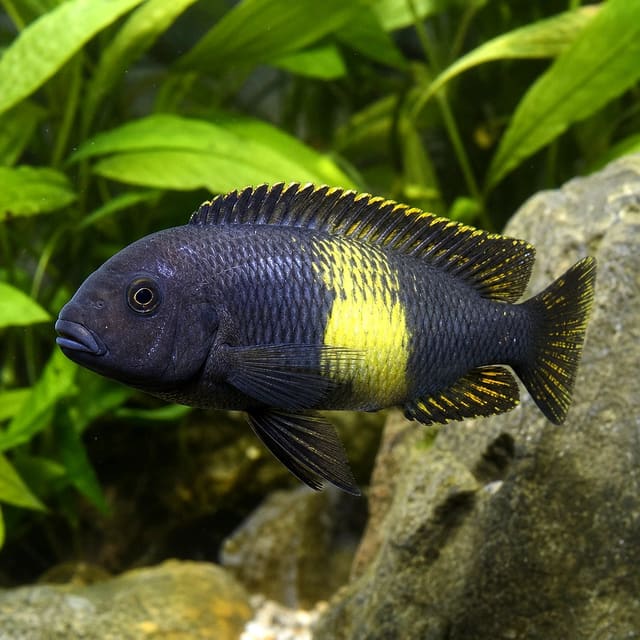
The Tropheus brichardi Kipili variant ranks among the most striking and specialized African cichlids available to UK aquarists, combining bold coloration with fascinating social dynamics unique to lake tanganyika cichlid species. This herbivorous rock-dwelling cichlid originates from the Kipili area along the Tanzanian shoreline of Lake Tanganyika, where they inhabit rocky littoral zones characterized by hard, alkaline water and abundant algae growth. The Kipili form displays distinctive coloration patterns that vary from the other Tropheus brichardi populations found elsewhere in the lake.
Reaching approximately 15cm when fully grown, these algae-grazing specialists require expert-level care due to their specific dietary needs, water parameter requirements, and complex social behaviors. Their semi-aggressive temperament and strict herbivorous diet distinguish them from most commonly kept cichlids. When maintained in appropriate numbers with proper water chemistry and feeding protocols, Tropheus brichardi Kipili create stunning displays of natural behavior and coloration rarely seen with more readily kept species.
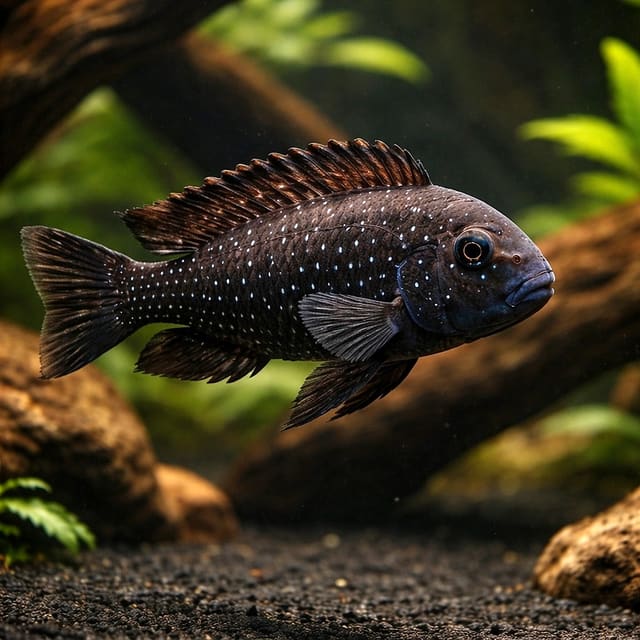
Tropheus brichardi from the Kipili locality showcase bold coloration that varies between individuals and develops fully as fish mature. The body typically displays combinations of blue, orange, or yellow pigmentation with distinctive banding or solid color blocks depending on the specific strain. Males generally show more intense coloration than females, particularly when displaying or defending territory. The exact pattern varies, making each specimen unique.
The body shape is robust and muscular, typical of rock-dwelling Tanganyikan cichlids adapted to life in wave-swept environments. The head is proportionately large with a terminal mouth positioned for grazing algae from rock surfaces. Dorsal and anal fins are proportionate to body size, with males sometimes developing slightly longer fin extensions. The overall appearance projects strength and vitality when fish receive proper nutrition and water conditions. Stressed or improperly fed specimens show faded coloration and less impressive body depth.
Lake Tanganyika ranks among the world's oldest, deepest, and most biodiverse freshwater lakes, located in the East African Rift Valley. Tropheus brichardi inhabit the rocky littoral zone extending from the surface to approximately 5-10 meters depth, favoring areas with complex rock formations providing abundant grazing surfaces and shelter. The lake's water chemistry remains remarkably stable—hard, highly alkaline, and mineral-rich—conditions that must be replicated in captivity for long-term success.
Water temperatures in the shallow zones these fish occupy typically range from 24-27°C. The clear, well-oxygenated water supports dense algae growth on rocky surfaces, providing the primary food source for Tropheus species. Wave action from the lake creates constant water movement and high oxygen saturation. The rock formations provide shelter from predators while supporting territorial behaviors, with individual fish or groups defending feeding territories against conspecifics and other algae-grazers.
A minimum aquarium volume of 400 litres provides adequate space for a properly sized group of Tropheus brichardi Kipili, as these fish must be kept in numbers (12-15 minimum) to spread aggression and prevent targeted harassment. The tanganyika cichlid aquarium should feature abundant rockwork creating numerous territories, caves, and visual barriers while maintaining open swimming areas. Stack rocks securely to prevent collapses, as these active fish may rearrange lighter decorations.
Substrate should consist of sand or fine gravel, avoiding sharp materials. Plants are generally unnecessary and may be uprooted, though hardy species like Anubias attached to rocks sometimes survive. Powerful filtration with high turnover rates (8-10 times tank volume per hour) maintains excellent water quality while creating the water movement these lake-dwelling species expect. Strong lighting promotes algae growth on rocks, providing natural grazing opportunities. Multiple heaters ensure stable temperatures, and vigorous aeration maintains high oxygen levels.
The tropheus diet requires strict adherence to herbivorous nutrition, as high-protein foods cause serious digestive issues including the potentially fatal condition known as "Tropheus bloat." Feed frequent small meals of high-fiber, spirulina-based foods including quality vegetable cichlid pellets, spirulina flakes, and algae wafers. Blanched vegetables like zucchini, cucumber, and spinach provide variety and natural fiber.
Allow algae to grow on aquarium surfaces as natural grazing opportunities supplement prepared foods and provide continuous feeding options throughout the day. Completely avoid rich, high-protein foods like bloodworms, beef heart, and standard carnivorous fish foods that Tropheus digestive systems cannot properly process. Feed small portions 2-3 times daily rather than single large meals. Quality herbivorous foods should contain at least 30-40% fiber content to support proper digestion and prevent bloat.
Tropheus brichardi exhibit complex social dynamics with distinct hierarchies established within groups. They display semi-aggressive behavior, particularly toward conspecifics, with territories defended vigorously through chasing and display. Keeping them in larger groups (12-15+) distributes aggression across multiple individuals, preventing focused harassment that can injure or kill targeted fish. Underpopulated groups result in dominant individuals persecuting subordinates relentlessly.
These active fish spend much time grazing rock surfaces and exploring their environment. They communicate through body posturing, color changes, and movement patterns. Breeding males intensify coloration and become more territorial when courting females. The maternal mouthbrooding reproduction strategy results in females carrying eggs and fry for several weeks, during which they don't feed. Group dynamics shift as individuals mature, pair off, and establish new territorial boundaries.
Selecting appropriate companions for rare freshwater fish uk like Tropheus brichardi Kipili requires careful consideration. Many experienced keepers maintain Tropheus species-only tanks to avoid complications with dietary conflicts and aggression. When tankmates are desired in very large aquariums (600+ litres), some Tanganyikan rock-dwelling cichlids of similar size and temperament may work, though compatibility varies.
Synodontis catfish species from Lake Tanganyika sometimes coexist successfully, occupying different ecological niches and avoiding direct competition. Completely avoid peaceful community fish that would be stressed or injured, slow-moving or long-finned fish that trigger aggression, soft-water species with incompatible parameter requirements, aggressive large cichlids that compete for territory, and small fish likely to be bullied or eaten. Mixing Tropheus varieties risks hybridization and should be avoided by serious keepers focused on maintaining pure locality forms.
Tropheus brichardi breeding occurs most successfully in stable, well-managed groups where dominant males establish territories and court females through elaborate displays. The species practices maternal mouthbrooding, with females collecting fertilized eggs immediately after spawning and carrying them in their mouths for approximately 4-5 weeks. During this extended brooding period, females do not feed, relying on body reserves accumulated before spawning.
Fry are relatively large when released and can accept finely crushed spirulina flakes or specialized herbivorous fry foods immediately. Remove fry from the main tank if possible, as adults may prey upon juveniles despite generally ignoring their own recent offspring. Raising Tropheus fry requires the same strict herbivorous diet and excellent water quality adults need. Growth is relatively slow compared to many cichlids. Breeding success requires very stable water parameters, excellent nutrition, and sufficient group size to allow natural pair formation without excessive aggression.
Tropical Fish Co specializes in providing healthy, acclimatized lake tanganyika cichlids for sale uk to experienced aquarists prepared for the unique challenges these specialized species present. Every Tropheus brichardi Kipili undergoes comprehensive health screening to ensure strong appetite, perfect finnage, and vibrant coloration before joining our available inventory. Our african cichlids for sale uk selection focuses on quality specimens from reputable sources that maintain locality-specific variants like the Kipili form.
When you buy tropheus brichardi kipilli online uk from our collection, you receive detailed care documentation covering water chemistry requirements, critical dietary protocols, and social dynamics essential for long-term success. We understand these rare cichlids for sale uk represent significant investments requiring expert-level commitment. Our tanganyika cichlids uk arrive securely packaged with temperature-controlled shipping and reliable delivery partnerships ensuring safe arrival in optimal condition. Whether you're establishing your first Lake Tanganyika biotope or adding to an existing collection, Tropical Fish Co provides exceptional Tropheus brichardi Kipili at competitive prices. Trust us as your source for these magnificent African cichlids that will bring stunning color, fascinating behavior, and rewarding challenges to your specialized hard-water aquarium for years ahead.
Healthy, vibrant fish from trusted suppliers
Detailed care guides and support
Your fish arrives healthy or we'll replace it
Properly quarantined and ready for your tank

24–28°C · pH 7.5–8.5 · 200L


24–28°C · pH 7.5–8.5 · 500L

24–28°C · pH 5.5–7 · 60L

22–28°C · pH 6.5–8 · 20L

22–26°C · pH 6–7.5 · 30L

22–28°C · pH 6–7.5 · 60L

24–28°C · pH 7.5–8.5 · 150L

22–28°C · pH 7.5–8 · 40L
22–28°C · pH 7–8.5 · 100L

22–27°C · pH 6–7.5 · 80L

24–28°C · pH 6–7.5 · 40L

24–28°C · pH 6–7.5 · 80L

24–28°C · pH 6.5–7.5 · 2000L
22–28°C · pH 7–8.5 · 60L

24–28°C · pH 7.5–8.5 · 200L