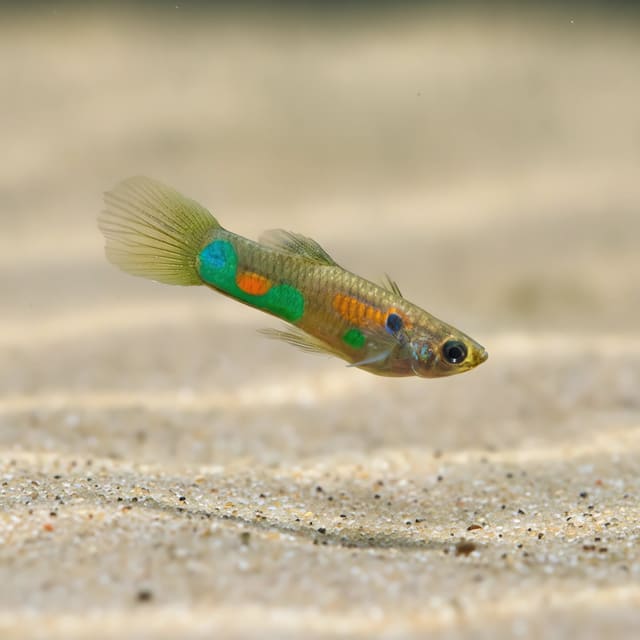
Easy
Mixed Colour Male Guppy (Poecilia reticulata)
22–28°C · pH 7–8
£5.99

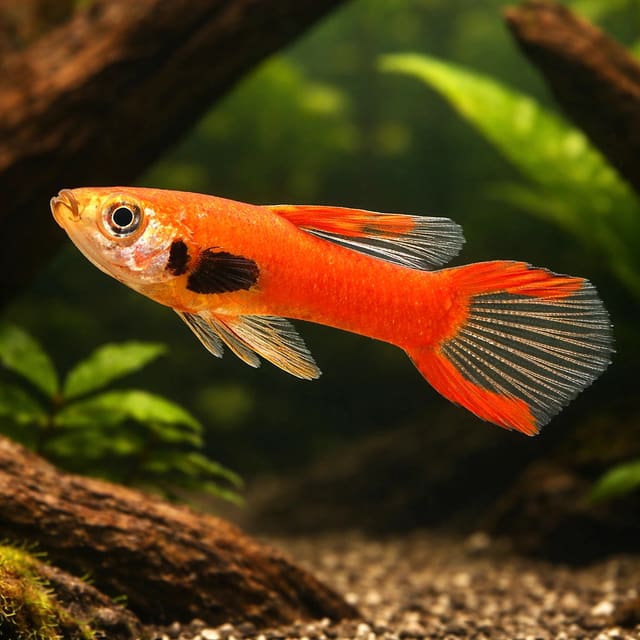
The Rose Endler Guppy (Poecilia wingei) is a small Poeciliidae livebearer from Venezuela’s Campoma and Buena Vista lagoons that reaches 2.5 cm standard length. It suits prepared beginners who can follow Tropical Fish Co’s group plan of five or more; the overlap of Seriously Fish and OATA guidance is 24–28°C, pH 7.0–8.0 and 15–18 dGH. Sold individually at a dispatch size of 2–3 cm.
Adult size is the maximum length this species reaches at full maturity (scientific sources). The livestock you receive will be younger and smaller — pick a size variant above for the actual shipping size. Product-photo provenance and any image-specific limitations are stated on the listing.
Poecilia wingei
Save when buying multiple fish. Each quantity is one fish; sex and pair formation are not guaranteed unless the selected variant explicitly states them.
The Rose Endler Guppy (Poecilia wingei) is a small Poeciliidae livebearer from Venezuela’s Campoma and Buena Vista lagoons that reaches 2.5 cm standard length. It suits prepared beginners who can follow Tropical Fish Co’s group plan of five or more; the overlap of Seriously Fish and OATA guidance is 24–28°C, pH 7.0–8.0 and 15–18 dGH. Sold individually at a dispatch size of 2–3 cm.
Adult size is the maximum length this species reaches at full maturity (scientific sources). The livestock you receive will be younger and smaller — pick a size variant above for the actual shipping size. Product-photo provenance and any image-specific limitations are stated on the listing.
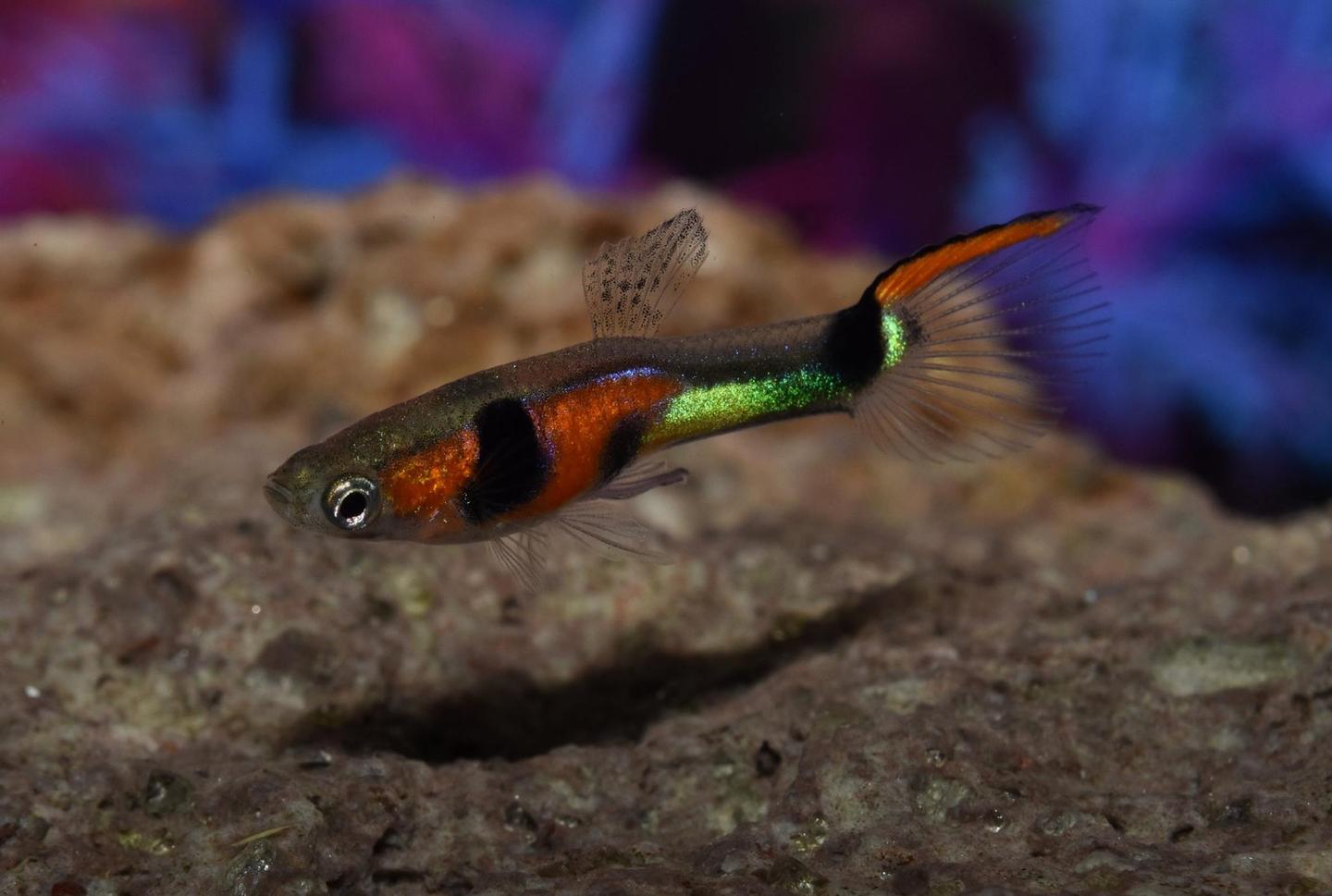
Endler's livebearer is a small, social, rapidly reproducing Venezuelan fish. Start with a mature filtered aquarium, a deliberate sex and population plan, stable tested medium-hard water, open swimming room and cover. Our conservative house screen is an aquarium at least 60 cm long and a group of five or more where capacity allows.
Maintain these water conditions for optimal health and vibrant colors
The Rose Endler Guppy (Poecilia wingei) is a small freshwater livebearer in the family Poeciliidae from the Campoma and Buena Vista lagoon systems in Venezuela. FishBase records a maximum of 2.0 cm standard length. It suits a prepared beginner who wants an active social fish and can provide mature filtration, tested moderately hard water, suitable companions and a plan for possible fry.
Small adult size does not make an uncycled bowl or unstable nano aquarium suitable. This fish needs enough usable swimming room for a group, cover that allows individuals to move out of one another’s sight and routine testing for ammonia and nitrite. Our complete Endler Guppy care guide rates the species easy for a prepared keeper, while defining that rating through filtration, water testing, social planning and population control rather than low maintenance.
| Suits | Not suited to |
|---|---|
| A mature, filtered aquarium | A bowl, vase or uncycled aquarium |
| A planned social group with enough capacity | A lone fish or an unplanned pair |
| Moderately hard to hard, alkaline water | Long-term soft or acidic conditions |
| Small peaceful companions that pass every compatibility check | Fish large enough to eat it or likely to nip fins |
| A keeper ready to manage courtship and fry | A mixed-sex plan with no spare capacity |
Eschmeyer’s Catalog of Fishes retains Poecilia wingei as the valid scientific name. Rose is the trade-form wording for this offer; colour wording alone should not be treated as a locality or pedigree certificate. Plan care around the species identity, adult requirements and observed behaviour of the fish in front of you.
Start with a mature aquarium of about 41 litres and a base measuring at least 45 × 30 cm. Seriously Fish gives those dimensions for Poecilia wingei and says the species should not be kept in a smaller aquarium. Tropical Fish Co applies a more conservative adult-group screen of at least 60 cm aquarium length, because length, filtration, courtship pressure, other animals and future fry cannot be judged from litres alone.
Plan for five or more fish where aquarium capacity, the sex plan and other occupants allow. This is our house recommendation. OATA’s guppy-and-molly group guidance recommends an aquarium of at least 45 litres for a small group of the smaller species and suggests keeping at least three guppies together. The higher Tropical Fish Co figure is a conservative social plan, not a formula for calculating how many fish fit into a particular volume.
A practical check is whether every individual can reach food, swim normally and move away from another fish without remaining trapped in a corner. Persistent hiding, feeding exclusion, pursuit or damaged fins means the social plan needs intervention. Adding more fish without checking capacity can increase both waste and competition.
Prepare a mature separation aquarium or a safe divider plan before it is needed. A spare uncycled container is not an adequate response to aggression, illness or unexpected fry. The backup must offer the same essentials as the main aquarium: biological filtration, suitable water, stable temperature and enough room for the fish placed there.
One purchase supplies one Rose Endler Guppy at a dispatch size of 2–3 cm. That dispatch grade describes the fish sent, not a separate adult-size claim or a reliable guide to sex or age. Plan the aquarium around the species’ adult care requirements and the intended group rather than treating a small dispatched fish as permission to use temporary housing.
Sex is guaranteed only when the selected option explicitly states male or female. This Rose Endler Guppy listing has no sex-guaranteed option. Build a population plan that remains workable if the animal changes the apparent sex balance of the aquarium. Do not rely on colour, current size or a rounded abdomen as the only sex check.
The animal is identified as Poecilia wingei, while Rose describes the traded form. Endler’s livebearer and the common guppy are recognised as separate species, but they can hybridise. Keep documented lines apart from common guppies when ancestry matters, and describe any future offspring honestly rather than assigning purity from colour or fin shape.
This fish belongs with the shop’s wider livebearer collection, but that shared category does not make every livebearer a compatible companion. Each proposed species still needs matching temperature, pH, hardness, adult size, temperament, feeding behaviour, social space and reproduction planning.
Before the fish arrives, decide where it will live, how it joins the planned group and what happens if mixed sexes produce young. Test the aquarium, confirm that the filter is mature and prepare suitable food in a particle size every individual can take. Those decisions matter more than trying to infer sex, lineage or final appearance from the trade-form name.
Use 2.0 cm standard length as the adult-size figure for this fish. FishBase records that maximum for Poecilia wingei, and standard length is measured to the base of the tail. The figure helps identify a very small livebearer, but it does not justify cramped housing because group behaviour, swimming room, filtration and population growth remain central.
The original species description reports a different maximum from separate measured material: females reached 30.4 mm standard length. Treat these as genuinely different reported maxima between specimens and samples. Allow enough space and capacity for natural variation.
OATA describes Endler guppies as the smaller guppy species and gives around 2.5 cm as its group-care planning figure. Whichever individual length is reached, the practical response stays the same: provide a mature filtered aquarium, usable horizontal room and enough capacity for the complete social group.
Do not postpone the correct aquarium until the fish grows. A young or small fish still needs stable water and companions, and moving it repeatedly between temporary systems can expose it to changing chemistry and immature filtration. Prepare the intended long-term aquarium first.
Keep the aquarium at 24–28°C, pH 7.0–8.0 and 15–18 dGH. These routine values are the overlap between Seriously Fish’s species profile of 24–30°C, pH 7.0–8.5 and 15–35 dGH and OATA’s broader guppy-and-molly guidance of 20–28°C, pH 7.0–8.0 and 8–18 dGH. The overlap gives a practical target without extending beyond either named range.
Maintain ammonia at 0 mg/L and nitrite at 0 mg/L. OATA also advises that nitrate should not exceed 20 mg/L above the normal tap-water level. Test the source water as well as the aquarium because a nitrate result only becomes useful when you know the baseline entering the tank.
Our water chemistry guide explains what the main tests measure, while the water matcher helps compare measured aquarium values with the target range. Use actual test results; postcode, water appearance and previous success with a different species are not substitutes for temperature, pH, hardness, ammonia and nitrite readings.
Use a thermostatically controlled aquarium heater where room conditions cannot hold 24–28°C throughout the year. Place and operate it according to its own safety instructions, then confirm the resulting water temperature independently. Avoid rapid swings from direct sun, draughts, large untreated water changes or equipment failure.
If the aquarium sits outside the target chemistry, correct and stabilise it before introducing the fish. A stable mature system within the overlap is preferable to repeated intervention after arrival. Ask us about the stocking and compatibility assessment if the measured water, planned group or existing inhabitants sit near a limit.
Use a fully matured biological filter in every aquarium housing this fish. The RSPCA explains that biological filtration supports bacteria that convert toxic ammonia into nitrite and then nitrate. A clear-looking aquarium can still contain dangerous dissolved waste, so visual cleanliness never replaces cycling and testing.
If this is your first aquarium, follow our guide to preparing and maturing a tropical tank before livestock arrives. Confirm zero ammonia and zero nitrite before adding fish. Increase livestock slowly because filter bacteria must adjust whenever the animal population and feeding load rise.
Water movement is acceptable when every fish can hold position, reach food and rest without constant effort. Seriously Fish says flow is not a problem for this active species and gives a turnover of four to five times aquarium volume per hour for a roughly 41-litre setup. That equates to a filter rating around 165–205 litres per hour for its worked example, but the useful flow inside a decorated aquarium must still be observed directly.
Plants add cover but do not replace filtration or prove that an aquarium is mature. Dense planting can also allow more fry to survive, increasing future demand on the filter. Choose the layout together with the sex and population plan rather than treating cover as a purely decorative decision.
Before arrival, check that the heater, filter and thermometer operate continuously and that the aquarium has no detectable ammonia or nitrite. Keep a mature backup arrangement ready for separation. An emergency container without biological filtration moves a social problem into a water-quality problem.
Feed an appropriately small complete flake or granule as the staple. Seriously Fish describes Poecilia wingei as omnivorous, feeding on zoobenthos and detritus in the wild, and says some vegetation should be present in its diet. Choose particles the smallest fish can take easily rather than expecting it to tear food made for larger community fish.
OATA’s guppy-and-molly guidance recommends a good-quality flake or granule with algal content, with small live or frozen foods such as daphnia, small bloodworm or tubifex for variety. It specifically notes that Endlers may need smaller frozen items such as cyclops. Variety complements the complete staple; one frozen food should not become the whole diet.
Overfeeding leaves organic waste that breaks down and places more demand on the biological filter. If food remains after the group loses interest, remove it rather than leaving it for later. A larger portion is not the correct response to one thin fish until you have checked feeding access, social pressure, water quality and appetite.
Visible algae is not a complete diet and should not be used as a reason to skip an appropriate staple. Store dry food as directed and avoid repeated thawing and refreezing of frozen food. Do not collect live foods from unknown outdoor water, where contaminants and unwanted organisms may be introduced.
At feeding time, compare the whole group. A healthy routine includes prompt interest in food and normal swimming, while a sudden reduction in intake is a reason to test water and observe closely. Feeding is therefore both nutrition and a daily opportunity to notice a change early.
Change 25% of the aquarium water at least once every week. OATA recommends that frequency and portion for guppies and mollies, together with testing at least weekly. Treat replacement tap water with a suitable conditioner to remove chlorine or chloramine before it enters the aquarium, and match temperature closely enough to avoid an abrupt change.
Check the filter for blockages during routine maintenance. If the media needs cleaning, rinse it lightly in aquarium water removed during the partial change; do not rinse it under the tap. Avoid replacing all established media at the same time because the biological population is part of the aquarium’s waste-processing capacity.
The RSPCA’s fish-health guidance treats altered swimming, breathing, appetite and appearance as signs that need investigation. Surface hanging, sitting on the bottom, erratic swimming, unusual hiding, rapid or slow gill movement, spots, fluffy growths, damaged fins, wounds or a sudden condition change should trigger immediate water tests and an equipment check.
Test first rather than selecting medication from one symptom. Review recent livestock additions, maintenance, food, heater performance, filtration and social interactions. Seek a fish vet when signs are severe, persist or worsen. Avoid changing temperature, adding salt or combining treatments without a diagnosis and product-specific direction.
A published report on one captive Poecilia wingei line found spinal deformities in 22 of 600 fish. Treat that as a finding from one line, not a species-wide rate or a single-cause diagnosis. Do not breed a visibly affected fish, and seek expert assessment rather than assigning the cause from appearance alone.
Poecilia wingei is a livebearer, so females give birth to live young rather than laying eggs. Mixed-sex groups can reproduce readily. Make spare mature capacity and responsible rehoming part of the initial aquarium plan rather than waiting for the number of fish to increase.
In mature fish, a male has a narrow modified anal fin called a gonopodium, while a female has a broader triangular anal fin. Males are often smaller and more conspicuously patterned, but colour, body size or abdominal shape alone should not be used as proof. Check the anal fin and continue observing rather than assuming a trade-form name fixes sex.
For a confidently sexed mixed group, OATA suggests two females to each male to reduce stress on females and other inhabitants. Seriously Fish also recommends several females per male because males display persistently. No ratio compensates for inadequate space, poor water or the absence of a separation plan.
A laboratory life-history study followed ten litters and 122 fry under one regime. Use that work as a reminder that brood output varies rather than as a countdown or guaranteed brood size. Plan capacity conservatively and avoid promises about when a particular fish will reproduce.
If fry appear, do not move them into an uncycled container. Recheck ammonia and nitrite, protect small fish from unsafe filter intakes and make sure food reaches them without causing waste accumulation. Begin responsible rehoming discussions early if the mature aquarium cannot support the growing population.
Prepare and test the mature aquarium before the fish travels. On arrival, follow the current Tropical Fish Co delivery and Live Arrival Guarantee policy. The fish is hand-bagged with oxygen, placed in an insulated box and supplied with a heat pack when conditions call for one; a licensed live-animal courier carries the parcel.
Film every delivery from the sealed parcel onward so the required sequence exists if a Live Arrival Guarantee claim becomes necessary. If condition causes concern, contact us the same day with the order number and continuous unboxing video.
After release, observe swimming, balance, breathing and fin position. Check the aquarium temperature and confirm that the filter and heater are operating normally. Pale colour can have several causes, so use behaviour, breathing and water tests together rather than dismissing a change automatically.
General settling-in advice does not replace the established water plan. Keep the aquarium at 24–28°C, pH 7.0–8.0 and 15–18 dGH, with zero ammonia and nitrite. Avoid sudden chemistry adjustments after opening the parcel; the aquarium should already be mature and stable.
Avoid fish large enough to eat Endlers, species likely to nip their fins and common guppies. OATA specifically warns against predators large enough to eat Endlers and fin-nipping fish such as barbs. Seriously Fish says Poecilia wingei should not be kept with guppies because the two species will crossbreed.
Seriously Fish also says this very small species is not suitable for a general community aquarium. It names dwarf corydoras, small rainbowfish such as Pseudomugil species and peaceful tetras as possible companions. Treat those names as candidates for screening, not universal approvals: each exact species must fit 24–28°C, pH 7.0–8.0, 15–18 dGH, the aquarium footprint and the space required by every social group.
A morphological and molecular comparison supports P. wingei as distinct from the common guppy while showing overlap in appearance. Keep the two apart when identity matters, because colour and fin shape cannot reliably restore ancestry after hybridisation.
Shrimp require caution rather than a safety promise. Adult Neocaridina or Amano shrimp may coexist when their own requirements overlap, but small shrimp and young may be eaten and feeding competition can occur. Cover can reduce exposure but cannot guarantee survival. Never use shrimp as a substitute for maintenance.
This is generally a peaceful social livebearer, but peaceful does not mean behaviour-free. Seriously Fish describes males as peaceful towards one another and says females may act territorially. The Tropical Fish Co care plan therefore treats pursuit, feeding access, hiding and fin condition as daily observations rather than assuming that a fixed group composition prevents conflict.
| If you see | Do this |
|---|---|
| One fish repeatedly missing food | Spread the food, check pursuit and separate if exclusion continues |
| Persistent cornering or hiding | Reassess group composition, sight breaks and usable space |
| Damaged fins | Identify the interaction and use the mature separation plan |
| Rapidly increasing fry numbers | Test water and activate the capacity and rehoming plan |
| A companion stalking the Endlers | Separate the species rather than waiting for predation |
Several females may help disperse potential bullying, while OATA suggests two females per male in mixed guppy groups. These are social-planning tools, not guarantees. Every individual still needs feeding access and a route away from pursuit, and the aquarium must have enough capacity for the chosen number.
Do not add another animal solely to distract an aggressor. First check whether the aquarium is long enough, whether cover creates useful sight breaks, whether the group composition is workable and whether all fish can feed. Adding livestock also adds waste and may intensify crowding.
Keep a mature separation option ready whenever social behaviour is uncertain. A divider or backup aquarium should preserve stable temperature, filtration and water chemistry. Early separation is preferable to waiting for prolonged pursuit, loss of condition or fin injury.
FishBase records a maximum of 2.0 cm standard length for Poecilia wingei. Standard length stops at the base of the tail. Plan space for the complete social group rather than using this small body length as a litres-per-fish calculation.
Seriously Fish gives a base of at least 45 × 30 cm and about 41 litres for Poecilia wingei. Tropical Fish Co applies a more conservative screen of at least 60 cm aquarium length for an adult group, with mature filtration and zero ammonia and nitrite.
Tropical Fish Co recommends five or more where aquarium capacity, the sex plan and other livestock allow. OATA’s guppy-and-molly group guidance suggests at least three guppies. Neither figure allows crowding or replaces daily observation of feeding, pursuit and fin condition.
It can suit a prepared beginner, and the Tropical Fish Co care guide rates it easy when the aquarium is mature, filtered and tested. It is not suitable for an uncycled bowl; the keeper must manage water quality, group behaviour, possible fry and appropriately small food.
Feed an appropriately small complete flake or granule once daily, limited to what the group eats within a few minutes. It is omnivorous; OATA also recommends suitably small live or frozen variety such as daphnia, small bloodworm, tubifex or cyclops.
Keep this fish at 24–28°C and pH 7.0–8.0, with hardness of 15–18 dGH. These values are the overlap of Seriously Fish’s Poecilia wingei profile and OATA’s guppy-and-molly group guidance. Maintain ammonia and nitrite at 0 mg/L.
It is generally peaceful, although females may act territorially and persistent pursuit still needs monitoring. Males are described as peaceful towards one another. Treat feeding exclusion, prolonged hiding or damaged fins as reasons to intervene, and avoid companions likely to nip fins.
Possible companions include dwarf corydoras, small Pseudomugil rainbowfish and peaceful tetras that pass the water, predation, space and behaviour checks. Avoid fish large enough to eat Endlers, fin-nipping species and common guppies, which can hybridise with Poecilia wingei.
Tropical Fish Co’s policy uses oxygen-filled bags, an insulated box, a heat pack when needed and a licensed live-animal courier. Receive the parcel in person, film continuously from the sealed box, inspect it that day and float the bag for 20–30 minutes before release.
Max adult size is the length this species reaches at full maturity (from scientific sources). The livestock you receive will be younger and smaller — pick a size variant on the buy box for the actual shipping size. Product-photo provenance and any image-specific limitations are stated on the listing.
Always research specific species before adding them to your tank. Consider:
No reviews for this item yet. Bought one? Honest reviews only, good or bad.
What customers say about ordering from us
I have a small group of long finned mountain minnows. So was delighted to be able to order ten of this variety to increase the genetics in my tank . The ones I recieved are healthy but it’s to early to give a verdict on wether they are of a long finned type since they are small currently.
Gordon Walker · 23 Sept 2026
100% success travel and "installation". Pleased with quality of purchase. The Siamese fighter a bit "shy" so have not yet seen him at his best yet but looking good. Happy customer. GG
George E Garratt · 21 Sept 2026
Reviews of our shop, collected by Judge.me, an independent third-party review collector. Newest first.
22–28°C · pH 7–8
18–28°C · pH 7–8
22–28°C · pH 7–8 · 41L
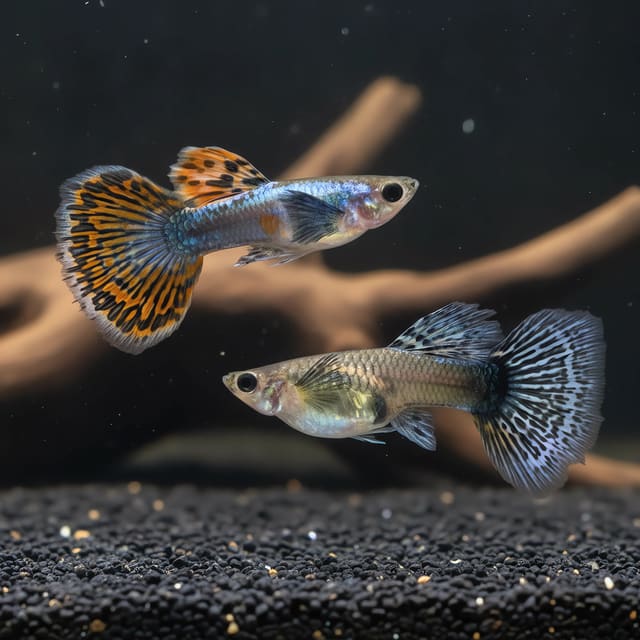
22–28°C · pH 7–8
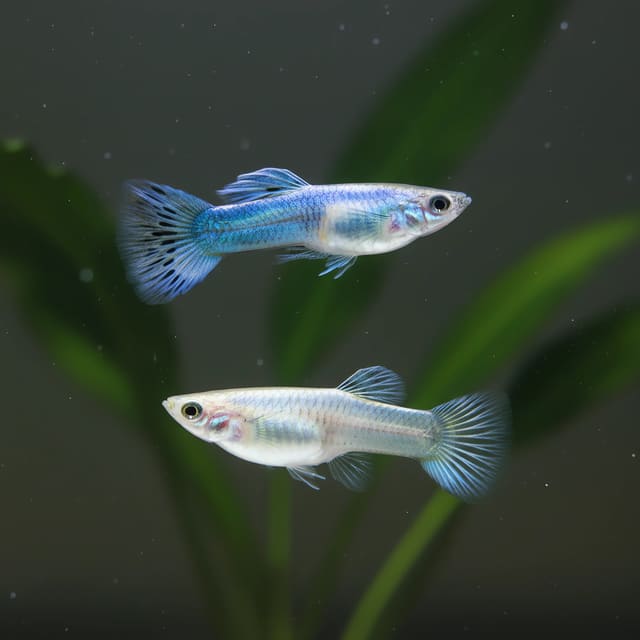
18–28°C · pH 7–8
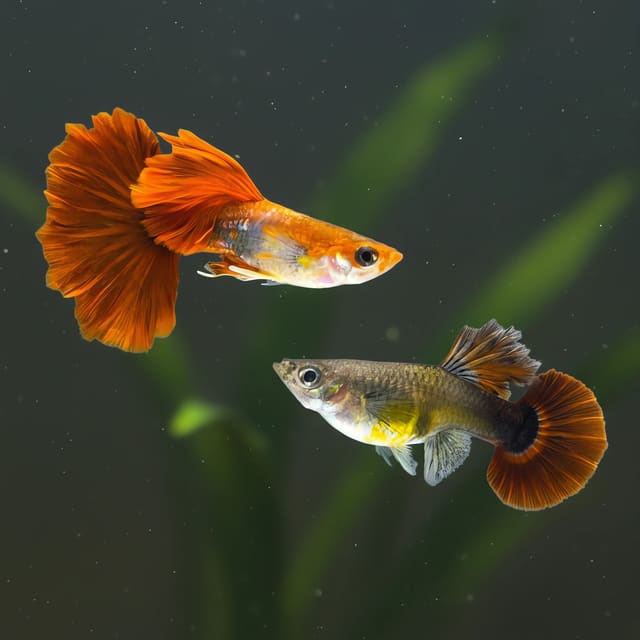
22–28°C · pH 7–8 · 45L
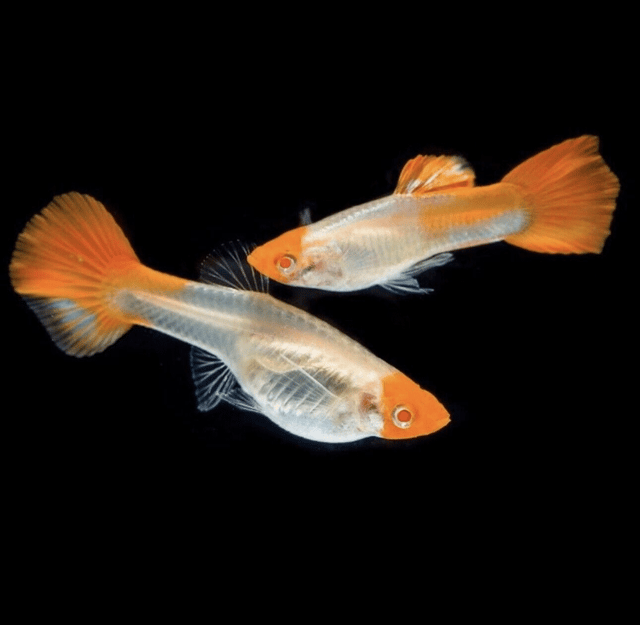
18–28°C · pH 7–8
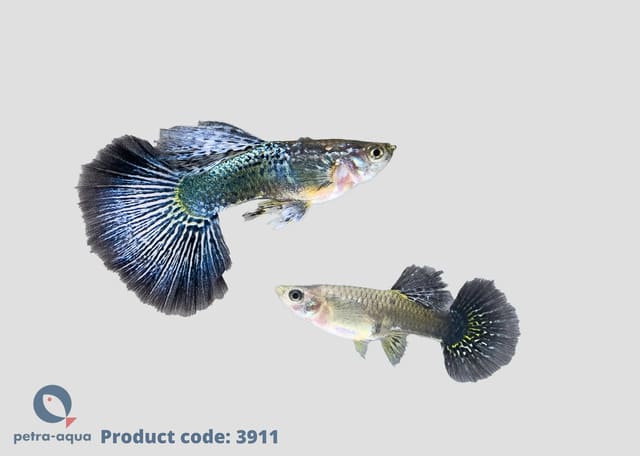
22–28°C · pH 7–8 · 41L
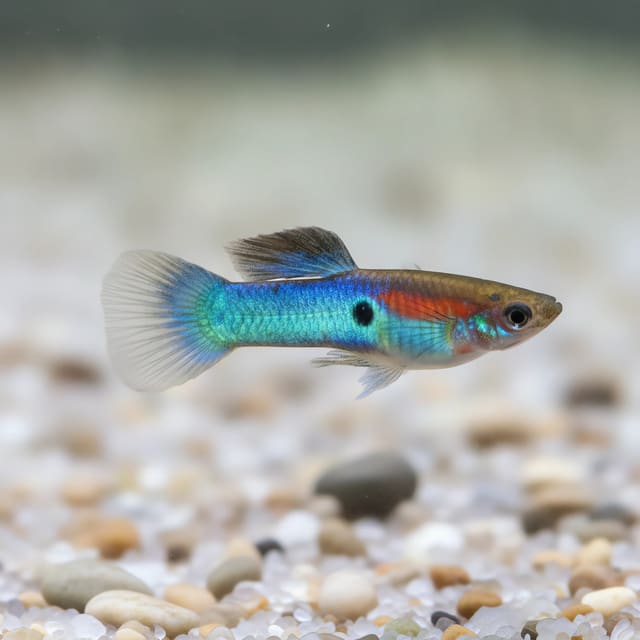
24–30°C · pH 7–8.5

22–28°C · pH 7–8
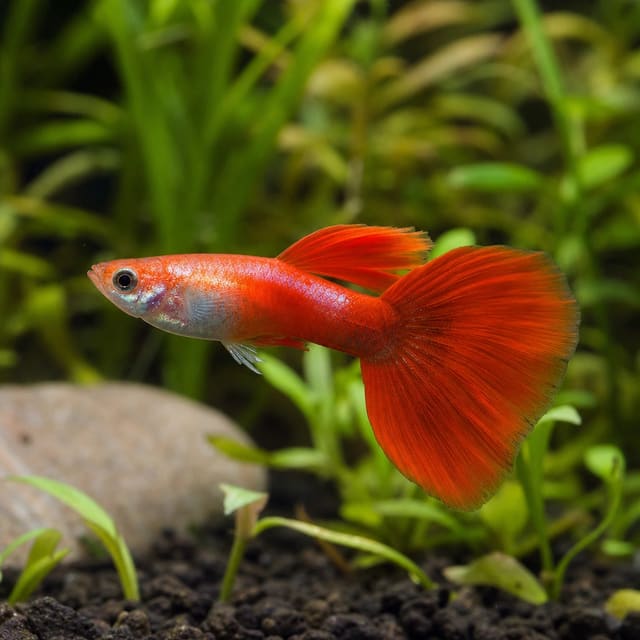
22–28°C · pH 7–8
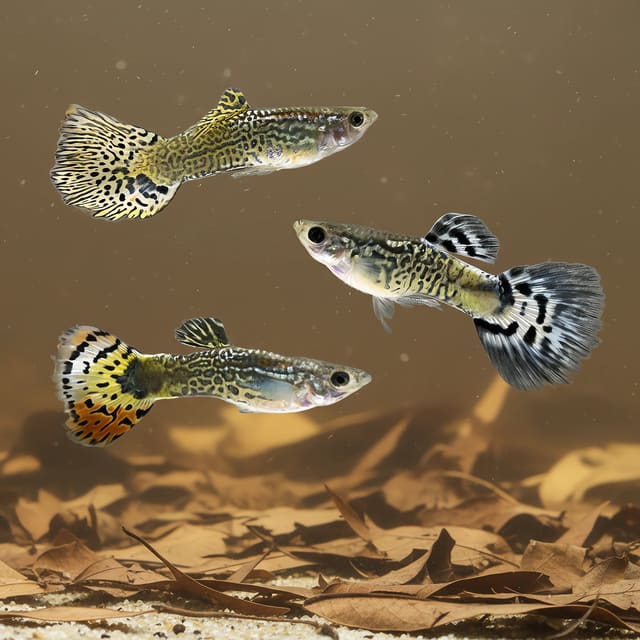
22–28°C · pH 7–8 · 41L
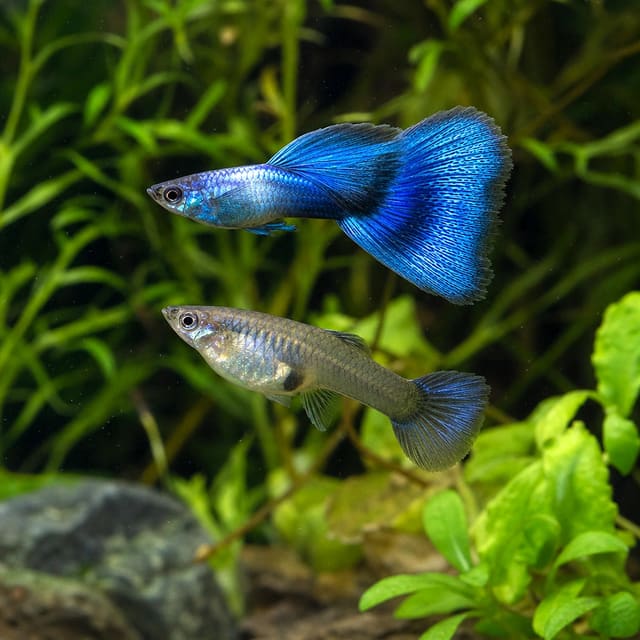
22–28°C · pH 7–8 · 41L
20–28°C · pH 7–8
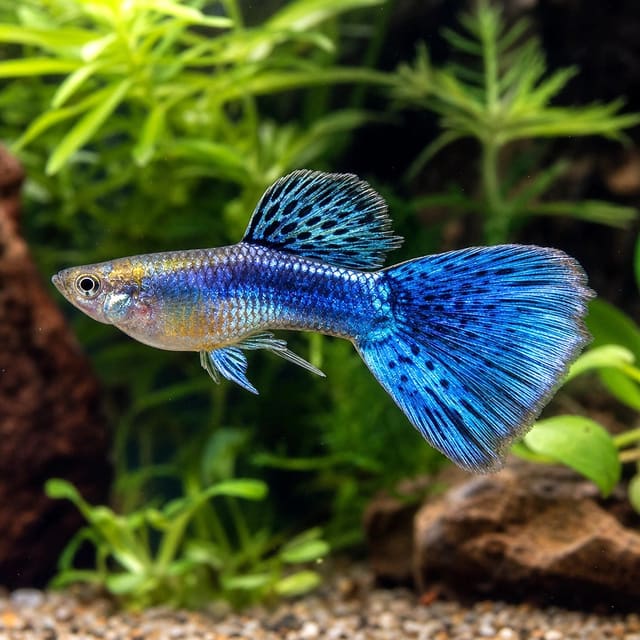
22–28°C · pH 7–8

24–28°C · pH 7–8

21–25°C · pH 5–7
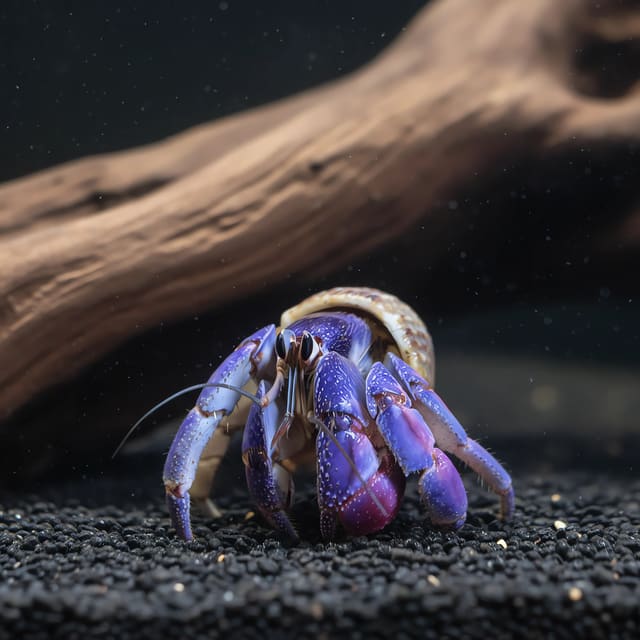
24–29°C

24–27°C · pH 6.5–6.5

22–27°C · pH 6–8 · 72L
24–27°C · pH 6.5–8 · 200L

23–27°C · pH 5.5–7 · 60L

22–27°C · pH 6–8

22–26°C · pH 6–7.8 · 75L