−15%
Gold Long Fin Bristlenose Pleco (Ancistrus sp.)
22–27°C · pH 6–8
£16.99£19.99

Mato Grosso Bristlenose Pleco LDA 08 is a peaceful Ancistrus-type catfish for mature aquariums with driftwood, caves, vegetable-rich feeding and clean oxygen-rich water.
Adult size is the maximum length this species reaches at full maturity (scientific sources). The livestock you receive will be younger and smaller — pick a size above for the actual shipping size. Product-photo provenance and any image-specific limitations are stated on the listing.
Ancistrus sp. LDA 08 / Ancistrus mattogrossensis trade
Confirm your email, then we’ll send an availability message for this exact item if it returns within 180 days.
This request is only for this product—no newsletter or other promotions. A mail-provider retry may very rarely duplicate the same availability message. Unconfirmed addresses are removed after 48 hours. See our privacy policy.
Mato Grosso Bristlenose Pleco LDA 08 is a peaceful Ancistrus-type catfish for mature aquariums with driftwood, caves, vegetable-rich feeding and clean oxygen-rich water.
Adult size is the maximum length this species reaches at full maturity (scientific sources). The livestock you receive will be younger and smaller — pick a size above for the actual shipping size. Product-photo provenance and any image-specific limitations are stated on the listing.
For one typical common bristlenose, start with a mature, filtered aquarium of at least 90 litres, useful floor area, wood and cover. OATA reports about 15 cm adult length, 22-27°C, pH 6-8 and 4-12 dGH. Confirm the exact trade identity before applying species-level claims.
Maintain these water conditions for optimal health and vibrant colors
Mato Grosso Bristlenose Pleco LDA 08 is the practical aquarium name for the Ancistrus-type catfish supplied here as Ancistrus mato grosso - LDA 08. The current Shopify product has three size options on one page: 3.5-4.5 cm, 5-7 cm and XL. Those are arrival sizes, not adult-care sizes, so this refreshed listing plans the fish as a real bristlenose-style pleco with cave territory, wood grazing, steady oxygen and a mature bottom layout.
LDA 08 is commonly discussed in the hobby beside Ancistrus claro, while the Shopify source field currently carries Ancistrus mattogrossensis. Because trade names and scientific labels are not perfectly aligned, this page keeps the names visible but treats them carefully: the keeper guidance is based on the shared needs of a small to medium Brazilian Ancistrus rather than on a risky promise that every fish will remain tiny.
In the aquarium, expect a secretive but rewarding bottom-dweller. It will graze biofilm from wood and hardscape, rest under ledges, claim snug caves, and become more visible at feeding time or under calmer evening light. It is a strong choice for planted and wood-rich community aquariums where the keeper wants a characterful pleco that stays more manageable than the large common pleco types, but it still needs space, oxygen and proper feeding.
| Trade name on this product | Ancistrus mato grosso - LDA 08 |
|---|---|
| Customer-facing name | Mato Grosso Bristlenose Pleco LDA 08 |
| Scientific-name note | Shopify source field: Ancistrus mattogrossensis; LDA 08 is often discussed in the hobby near Ancistrus claro |
| Current size options | 3.5-4.5 cm, 5-7 cm and XL variants on the same product |
| Adult planning size | Plan generously around 10-12 cm, with room for larger Ancistrus-type growth where identity or line differs |
| Temperament | Peaceful with mid-water fish; adult males can be territorial around caves |
| Best setup | Mature aquarium with driftwood, caves, shaded cover, clean water and steady flow |
| Keeper level | Moderate; not difficult, but not a tiny throw-in algae cleaner |
Our stock records use a Mato Grosso LDA 08 trade name. FishBase lists Ancistrus mattogrossensis as a freshwater, demersal Loricariid from Brazil, while specialist aquarium references often connect LDA 08 with Ancistrus claro, also known as the Gold Marble or Claro Bristlenose. That is why the page uses a stable common name first and keeps the Latin names as context rather than stuffing them into every sentence.
This matters for customers because exact adult size can vary across Ancistrus trade lines. Some LDA 08 references describe compact adults around 6-10 cm, while general bristlenose care and supplier max-size fields can be larger. The safest advice is simple: do not plan this as a permanent 4 cm fish. Give it the floor area, filtration and cave choice you would give a proper bristlenose pleco, then enjoy it if the final adult size stays compact.
LDA 08 and related Mato Grosso Ancistrus are associated with Brazilian freshwater systems where wood, stone, bank cover and oxygenated water shape the habitat. These fish are built for surfaces: a sucker mouth for rasping, a flattened underside for holding position, armoured plates for protection, and an instinct to use shaded cracks rather than open water. In a home aquarium, that translates into wood, smooth stones, cave openings and calm hiding routes.
A planted aquarium can work very well if the hardscape is planned before the plants fill in. Leave lanes behind wood and under roots, create a darker back corner, and avoid making the bottom a flat open space. Plecos are often sold as utility fish, but their behaviour becomes much more interesting when they can choose between several shelters and grazing routes.
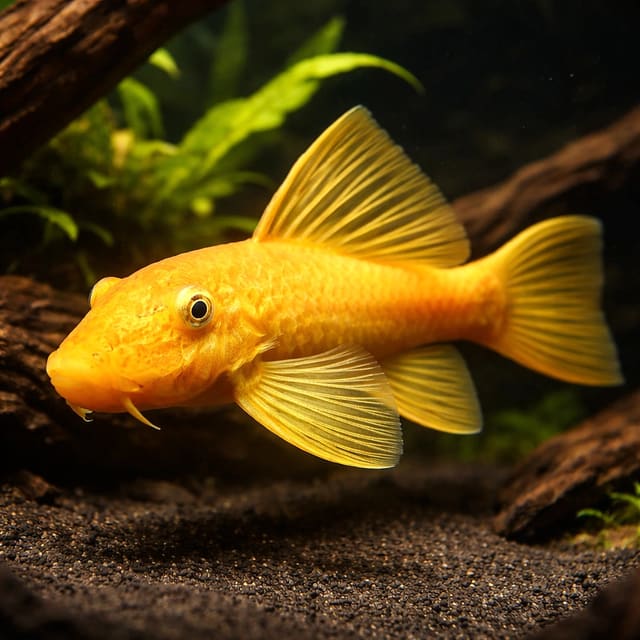
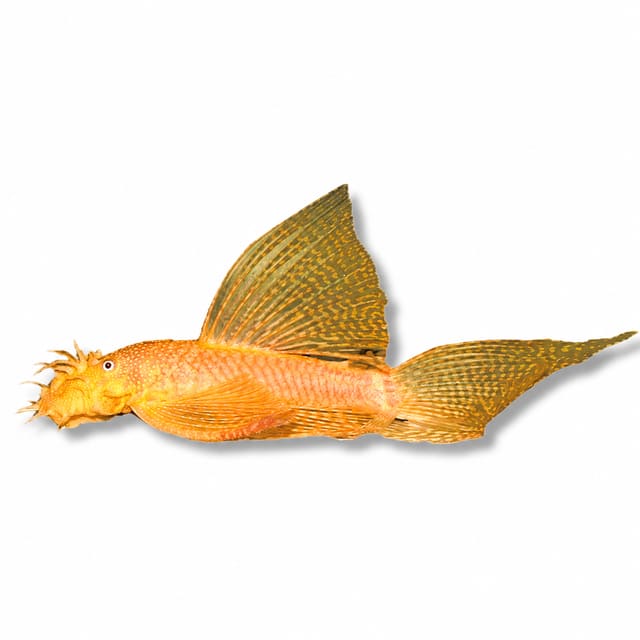
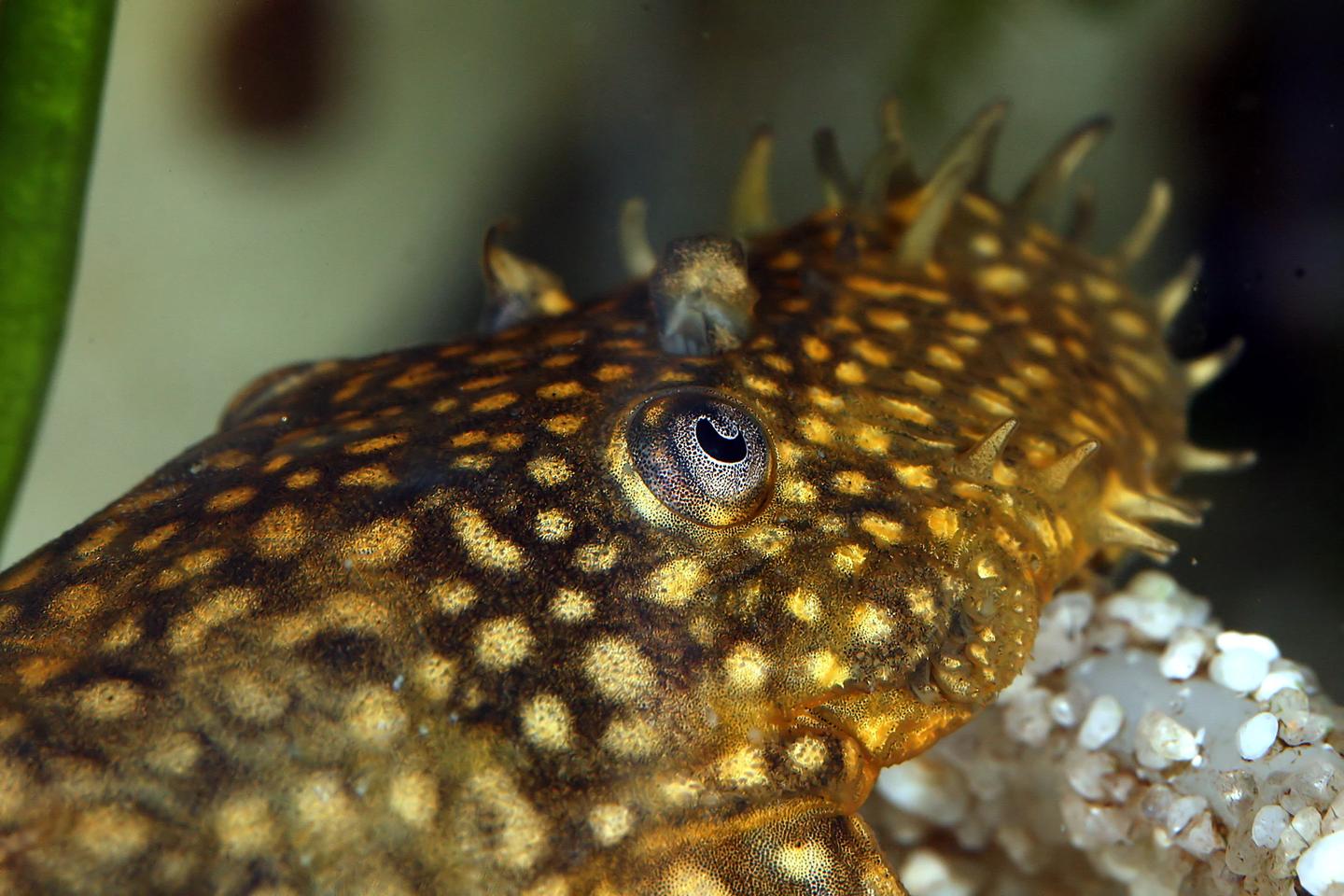
Expect a compact Loricariid shape with a broad head, sucker mouth, armoured body plates and mottled brown to tan camouflage. Young fish can look subtle at first, especially after transport, but healthy specimens should settle with clear eyes, intact fins, a gently rounded belly and firm contact with surfaces. Mature males in many Ancistrus lines develop stronger snout bristles and may guard cave entrances, while females are usually smoother-faced or less heavily bristled.
The source photo for this listing is small, so the page keeps the existing visual references but adds the original reference image first. That gives customers both the supplied source image and the richer reference views without deleting the visual assets already on the product.
Set this fish up around shelter, grazing surface and water quality. Use real driftwood or bogwood, several tight caves, smooth stones and plants attached to hardscape such as Anubias, Java fern or Bucephalandra. Wood is especially useful because it grows biofilm and gives the pleco a natural rasping surface. A bare tank with one ornament may keep the fish alive, but it will not show the best behaviour.
For a single fish, plan around 90 litres or more as a sensible adult baseline, and increase that for groups, extra bottom dwellers or multiple males. Bigger floor area matters more than height. If you keep more than one Ancistrus-type pleco, give each adult male more than one possible cave and break sight lines with wood and plants. This lowers pressure and lets weaker fish avoid constant face-to-face disputes.
Use a soft sand or smooth gravel substrate. Sharp gravel is unhelpful for bottom fish that rest low and push around food. Filtration should be mature and steady rather than violent; a good canister, internal filter or sponge-backed flow with surface movement will keep oxygen high. These fish are tolerant when acclimated, but they do not do well in dirty water with trapped waste under wood.
| Temperature | 24-27 C is the preferred working range for this listing |
|---|---|
| pH | 6.0-7.5, with stability more important than chasing a perfect number |
| Hardness | Soft to moderately hard water; supplier tolerance can extend higher when acclimated |
| Ammonia / nitrite | 0 at all times |
| Nitrate | Keep low with weekly maintenance; aim below 30 ppm and lower where possible |
| Minimum planning volume | 90 litres for one adult; larger for groups or busy community tanks |
Do not add this pleco to a new aquarium simply to solve an algae problem. A mature tank with stable bacteria, some natural biofilm and predictable feeding is much safer. If the aquarium is newly set up, wait until it is cycled and stable, then add the pleco after the first stocking stage rather than as the first fish.
Mato Grosso Bristlenose Pleco LDA 08 should be fed as an omnivorous aufwuchs grazer, not as a fish that survives on glass algae alone. Offer spirulina or algae wafers, quality sinking pleco tablets, blanched courgette, spinach, shelled pea or cucumber, and occasional protein foods such as frozen daphnia, brine shrimp, bloodworm or a small carnivore wafer. Vegetable foods should be removed before they break down.
Feed after lights dim if shy fish are being outcompeted. In community aquariums, mid-water fish often intercept food before it reaches the bottom, so place sinking foods near wood or caves. A pleco with a sunken belly is not getting enough food, even if the glass looks clean. A pleco with constant waste and a swollen belly may be receiving too much rich food or not enough fibre-rich plant material.
| 3.5-4.5 cm | Best for keepers who enjoy growing fish on carefully and already have a calm mature aquarium |
|---|---|
| 5-7 cm | A stronger mid-size option for many community aquariums, with easier feeding observation |
| XL | Best when you want a more established fish and have the floor space and cave structure ready |
Smaller fish need quieter tank mates and closer feeding checks. Larger fish usually settle faster but also need more territory. Whichever size you select, judge the aquarium by adult behaviour, not the shipping size shown in the variant name.
This is generally a peaceful catfish with suitable community fish. Good companions include tetras, pencilfish, rasboras, peaceful livebearers, hatchetfish, dwarf cichlids in roomy layouts, and Corydoras where feeding competition is managed. It usually ignores mid-water fish and spends most of its energy around wood and caves.
Avoid large aggressive cichlids, predatory fish, rough fin-nippers and cramped mixes of cave-owning bottom dwellers. Adult male Ancistrus can be pushy with each other, especially once caves become valuable. If you keep several, use more caves than fish, spread food to several points and watch the weaker animals during the first two weeks.
Ancistrus-type plecos are cave spawners. When conditions are right, a male may claim a narrow cave and fan eggs after spawning. The female does not usually guard the brood in the same way. A breeding setup should have very clean water, quiet tank mates, stable temperature, vegetable-rich conditioning foods and several cave sizes. Fry need biofilm, powdered fry foods and small sinking foods once they are ready.
If you are not trying to breed them, the same behaviour still matters. A male with a cave can become much more territorial than the fish appears in shop photos. That is normal, but it means the layout should allow other bottom fish to pass without being trapped in one narrow route.
Keep the lights low when the fish arrives and release it near wood or a cave rather than into open water. Plecos often clamp to the bag, net or container, so move slowly and avoid pulling. Offer a small sinking food after the first evening, then check that the belly remains gently rounded over the next week. New fish may hide for several days; that is normal if breathing is steady and there are no signs of injury.
Do not scrub every surface spotless before adding a grazing catfish. Clean water is essential, but some mature biofilm on wood and stone helps the fish behave naturally. The aim is a clean, lived-in aquarium, not a sterile one.
Weekly partial water changes, filter maintenance without killing the bacteria, and siphoning trapped waste from behind wood are the core routine. Plecos are productive fish for their size, so the aquarium can look calm while waste collects under hardscape. Lift decorations only when needed, but use a narrow siphon around caves and behind wood so uneaten food does not decay.
Watch for clamped fins, rapid breathing, red patches, sunken belly, fuzzy growths or refusal to hold onto surfaces. These signs usually point to water quality, rough handling, poor nutrition or aggression. Fix the environment first, then treat only when symptoms clearly require it.
Choose Mato Grosso Bristlenose Pleco LDA 08 if you want a manageable Ancistrus-style catfish for a mature, wood-rich tropical aquarium. It is especially suitable for aquarists who like natural behaviour more than constant open-water display: cave ownership, dusk feeding, slow grazing and quiet interaction with the layout. It is less suitable for brand-new tanks, tiny aquariums, aggressive cichlid communities or keepers looking for a fish that will remove all algae without being fed.
The supplier and Shopify data currently use a Mato Grosso / Ancistrus mattogrossensis context, while many hobby references discuss LDA 08 near Ancistrus claro. This page keeps that naming uncertainty visible and gives care advice suitable for the trade fish being supplied.
Do not plan it as a 4 cm adult. Many LDA 08 references describe compact fish around 6-10 cm, but the safer aquarium plan is to allow 10-12 cm or more where trade identity varies.
Yes. It is well suited to planted aquariums with wood, caves and tough plants attached to hardscape. Protect delicate new plants from being loosened while the fish explores and feeds.
It grazes algae and biofilm, but it still needs regular sinking foods, vegetables and occasional protein. It should never be expected to live only on aquarium algae.
Yes in a larger aquarium with extra caves and broken sight lines. Adult males may compete over caves, so groups need more planning than a single fish.
Avoid immature tanks, poor oxygenation, sharp gravel, underfeeding, large aggressive fish and cramped cave competition with similar plecos.
If you are comparing bristlenose-type plecos, also look at Lemon Long Fin L144, Super Red Long Fin Bristlenose, Albino Ancistrus and Common Bristlenose Catfish options. Keep each product's final size and cave behaviour in mind rather than choosing only by colour.
Care guidance was cross-checked against FishBase for Ancistrus mattogrossensis, LDA 08 / Ancistrus claro hobby references, supplier category data and general bristlenose pleco husbandry. Where the sources disagree on exact identity or size, this page uses a conservative aquarium setup instead of the old 4 cm / 40 litre simplification.
No reviews for this item yet. Bought one? Honest reviews only, good or bad.
What customers say about ordering from us
I have a small group of long finned mountain minnows. So was delighted to be able to order ten of this variety to increase the genetics in my tank . The ones I recieved are healthy but it’s to early to give a verdict on wether they are of a long finned type since they are small currently.
Gordon Walker · 23 Sept 2026
100% success travel and "installation". Pleased with quality of purchase. The Siamese fighter a bit "shy" so have not yet seen him at his best yet but looking good. Happy customer. GG
George E Garratt · 21 Sept 2026
Reviews of our shop, collected by Judge.me, an independent third-party review collector. Newest first.