Moderate
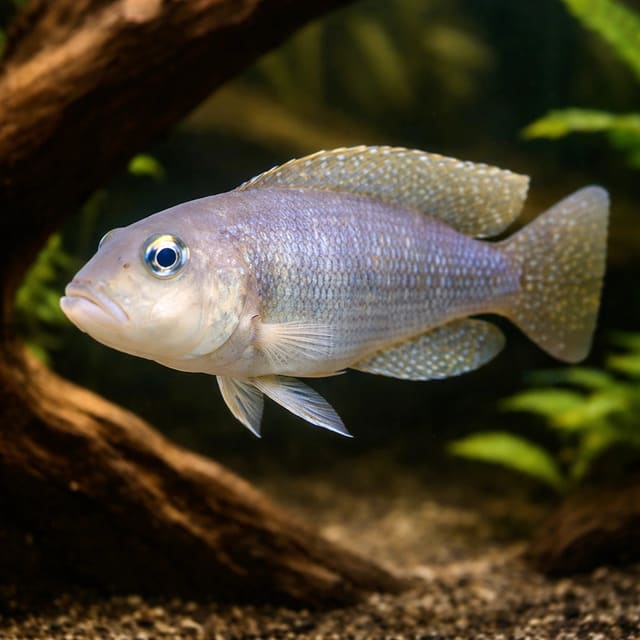
Meeli Shelldweller (Lamprologus meeli)
23–25°C · pH 8–8.6
£12.99

Open-water Cyathopharynx furcifer for experienced keepers: a 21cm planktivore needing alkaline pH 8-9 water and a 400L+ Tanganyika tank.
Adult size is the maximum length this species reaches at full maturity (scientific sources). The livestock you receive will be younger and smaller — pick a size above for the actual shipping size. Product-photo provenance and any image-specific limitations are stated on the listing.
Cyathopharynx furcifer
Save when buying multiple fish. Each quantity is one fish; sex and pair formation are not guaranteed unless the selected variant explicitly states them.
Confirm your email, then we’ll send an availability message for this exact item if it returns within 180 days.
This request is only for this product—no newsletter or other promotions. A mail-provider retry may very rarely duplicate the same availability message. Unconfirmed addresses are removed after 48 hours. See our privacy policy.
Open-water Cyathopharynx furcifer for experienced keepers: a 21cm planktivore needing alkaline pH 8-9 water and a 400L+ Tanganyika tank.
Adult size is the maximum length this species reaches at full maturity (scientific sources). The livestock you receive will be younger and smaller — pick a size above for the actual shipping size. Product-photo provenance and any image-specific limitations are stated on the listing.
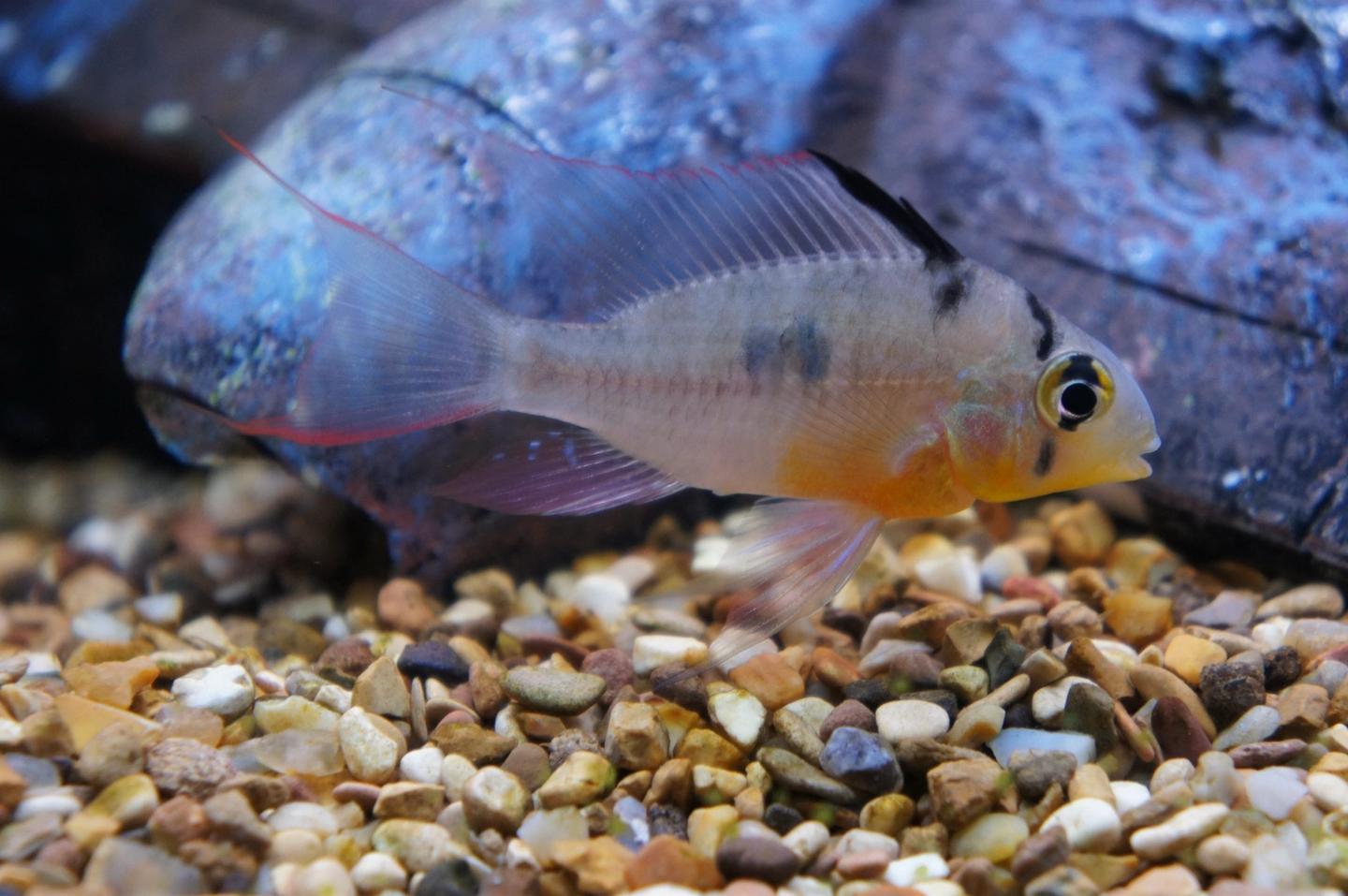
Cichlids are a family of roughly 1,800 accepted species, not one care type. Before buying, identify the exact species and source, then compare adult measurement, usable tank dimensions, social system, territory, tested water, diet and an exit plan. No family-wide minimum tank, water range or tank-mate list is safe.
Maintain these water conditions for optimal health and vibrant colors
True open-water Tanganyikans are scarce in the hobby, and Cyathopharynx furcifer — sold here simply as the Furcifer — is the classic example. Rather than defending a cave, it cruises the mid-levels of the aquarium, and at roughly 21 cm full-grown it needs serious swimming room: 400 litres is the workable minimum on our records, ideally arranged with long, unobstructed lanes at mid-height.
This one is rated for experienced keepers, and the reasons are specific. It is a planktivore, so it expects frequent feeds of suitable foods and must not be outcompeted at mealtimes — its own compatibility notes call for fast, robust tankmates that will not beat it to the food. Its water band is firmly alkaline: pH 8–9 over 10–20 dGH at 22–26 °C, which rules out softer general-community conditions. Day to day it is semi-aggressive, becoming territorial when breeding, and the recorded lifespan runs to about eight years.
Give some thought to where this fish actually lives before you aquascape. The record places it at mid-level, so prioritise open column space over elaborate cave-work, and keep any rock low so the upper layers stay clear for display. Filtration and maintenance should be scoped for a 400-litre alkaline system from the outset — this listing is graded for experienced keepers, and the equipment plan is half of meeting that grade. Done properly, you get up to eight years of one of the lake's most distinctive swimmers.
Stock it alongside other Tanganyikan cichlids of matching size and temperament or fellow open-water species; non-aggressive shell-dwellers can work too, but only in very large tanks. Skip small fish that could be bullied or eaten, highly aggressive cichlids, fin-nippers, soft-water species, and slow or timid fish that change the pace of the tank.
Treat this as a destination fish for a dedicated Tanganyika system rather than an impulse buy — the payoff is a swimmer few other lakes-region cichlids can match. We ship UK-wide using a licensed live-animal courier, backed by our live arrival guarantee.
No reviews for this item yet. Bought one? Honest reviews only, good or bad.
What customers say about ordering from us
I have a small group of long finned mountain minnows. So was delighted to be able to order ten of this variety to increase the genetics in my tank . The ones I recieved are healthy but it’s to early to give a verdict on wether they are of a long finned type since they are small currently.
Gordon Walker · 23 Sept 2026
100% success travel and "installation". Pleased with quality of purchase. The Siamese fighter a bit "shy" so have not yet seen him at his best yet but looking good. Happy customer. GG
George E Garratt · 21 Sept 2026
Reviews of our shop, collected by Judge.me, an independent third-party review collector. Newest first.


