Moderate
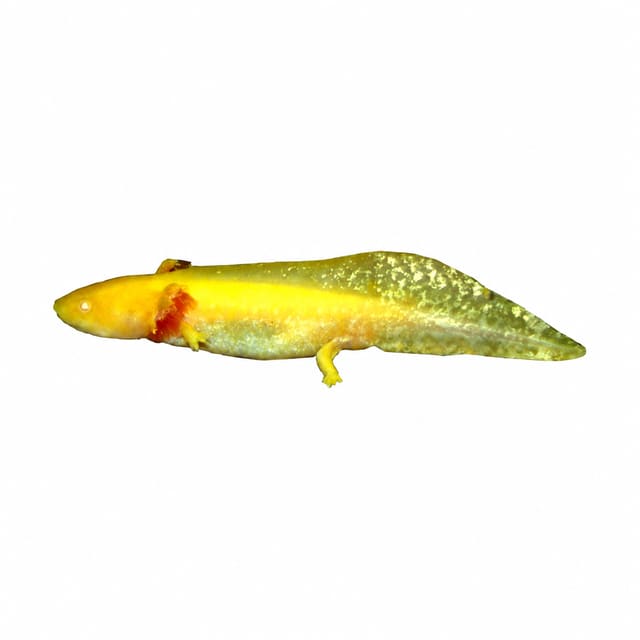
Hymenochirus curtipes gold - Aquarium Frogs
22–26°C · pH 6.5–7.5 · 40L
£5.99
Carvalho's Surinam toad (Pipa carvalhoi) is an aquatic Brazilian amphibian with a flattened outline. Sold individually in two size choices; plan a secure species aquarium and confirm specialist care before purchase.
Pipa carvalhoi
Carvalho's Surinam toad (Pipa carvalhoi) is an aquatic Brazilian amphibian with a flattened outline. Sold individually in two size choices; plan a secure species aquarium and confirm specialist care before purchase.
Carvalho's Surinam toad (Pipa carvalhoi) is an aquatic frog from Brazil with a flattened body and a way of life that rewards patient observation. It belongs to the family Pipidae. The word “toad” is part of its common name; plan its accommodation as an aquatic amphibian enclosure. Its appeal is the opportunity to watch an animal whose resting, feeding and movement are quite different from the fish usually kept in a planted aquarium.
Start with the enclosure and the feeding routine. A mature biological filter, gentle water movement, safe access to air and a secure cover are central to an aquatic-frog setup. You also need to see the animal well enough to check its condition and confirm that food is being eaten. An aquarium can look beautifully planted while making these everyday jobs unnecessarily difficult. Leave yourself a clear view of a feeding area and practical access for cleaning.
This is a considered choice for someone ready to care for an amphibian specifically. Experience with aquarium testing helps, but it should be paired with advice about this species and the animals being supplied. Before ordering, ask us to confirm an appropriate adult enclosure, water conditions and social arrangement for your proposed setup. Those decisions need to be settled before the animal travels, especially if this will be your first aquatic frog.
One purchase quantity supplies one live toad of the selected option. The size choices are 3.5–6 cm and CB 2–3 cm; check the live size selector when ordering. The size you select is the size supplied, not the adult size. Think about how the chosen animal will reach its food and use the cover you provide, while leaving room for its longer-term needs. A small delivery size should never be the only basis for choosing an aquarium.
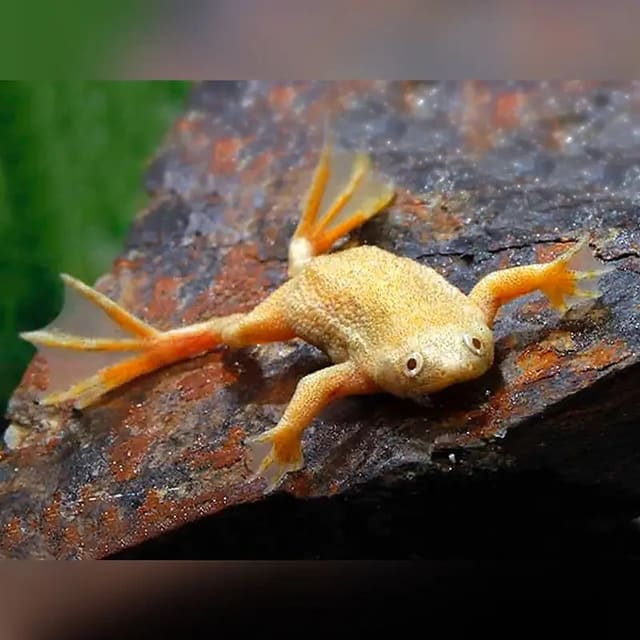
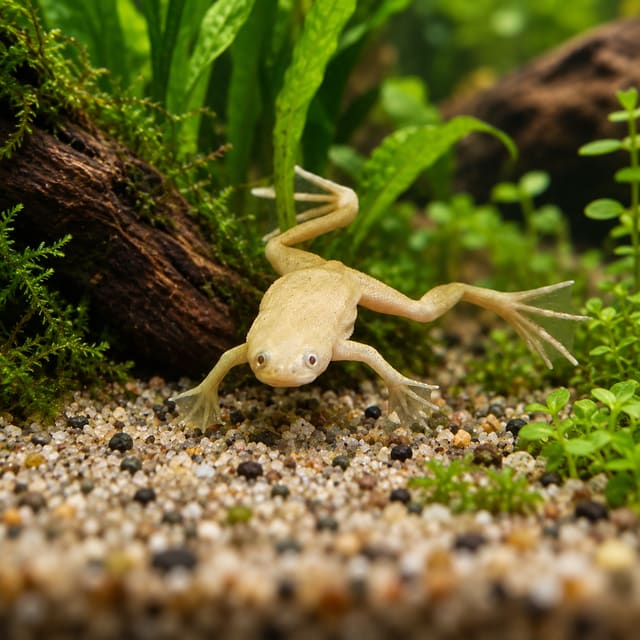
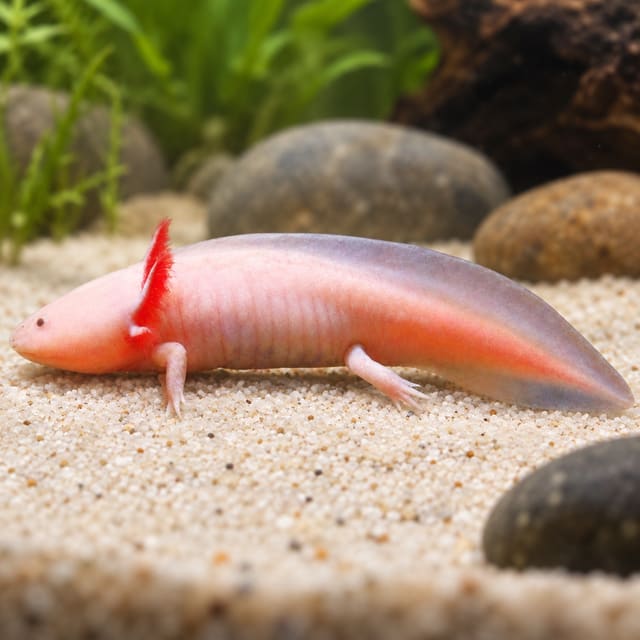
Sex is guaranteed only when the selected option explicitly states male or female. This Carvalho's Surinam toad listing has no sex-guaranteed option. If your plans depend on a particular social arrangement, discuss that before purchase rather than trying to infer it from size or a photograph. The gallery images are representative of this type of animal rather than photographs of the exact animal supplied, so colours can look slightly different from the live animal.
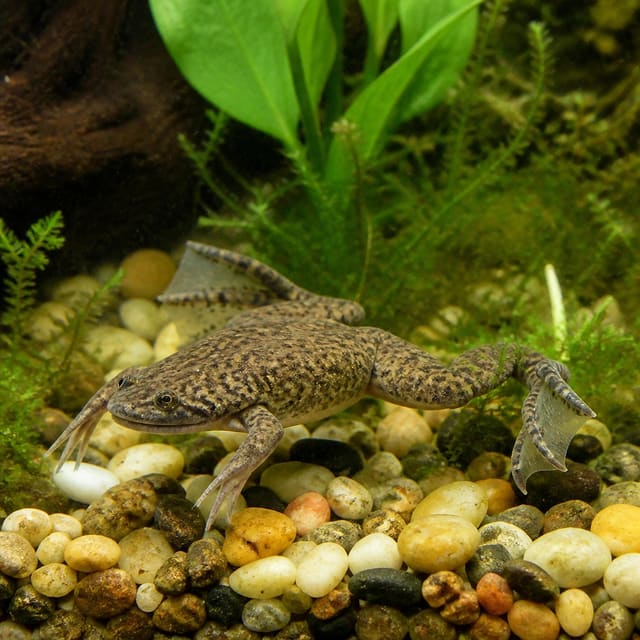
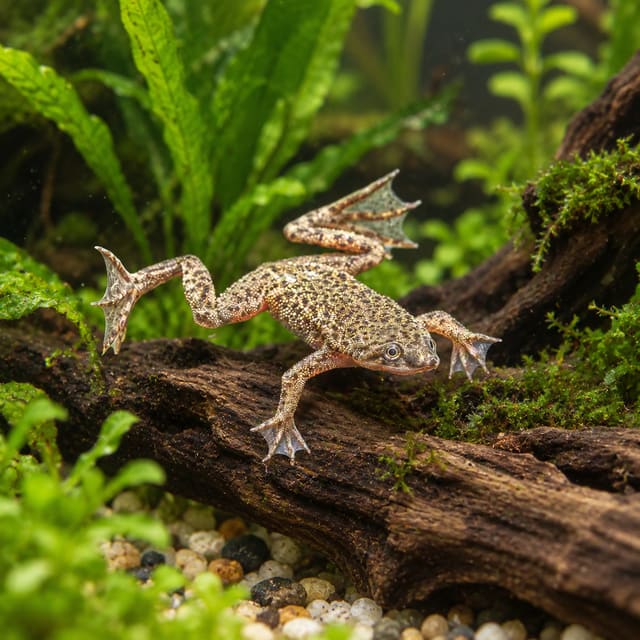
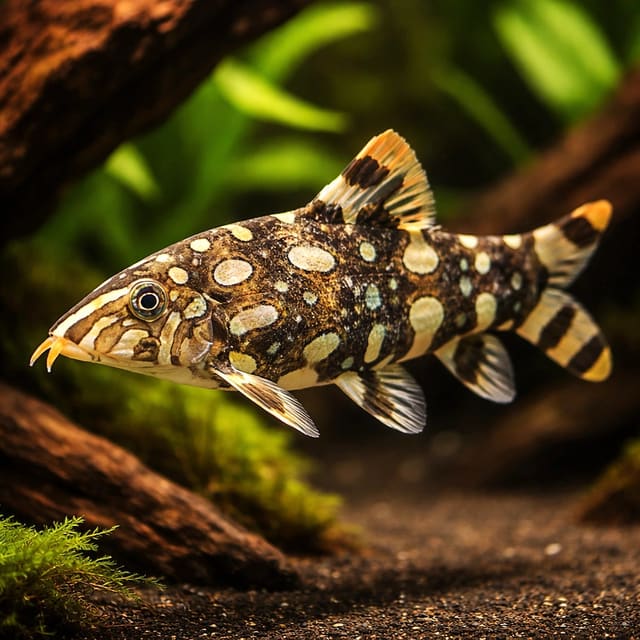
The gallery shows the flattened outline, mottled brown surface and broad hind feet that make this animal visually distinctive. Plants and wood can frame that appearance well, provided they leave usable space and safe surfaces. A display should allow the animal to choose cover and allow you to observe it without repeatedly moving objects. Watching from outside the glass is more useful than disturbing the enclosure to make the animal perform.
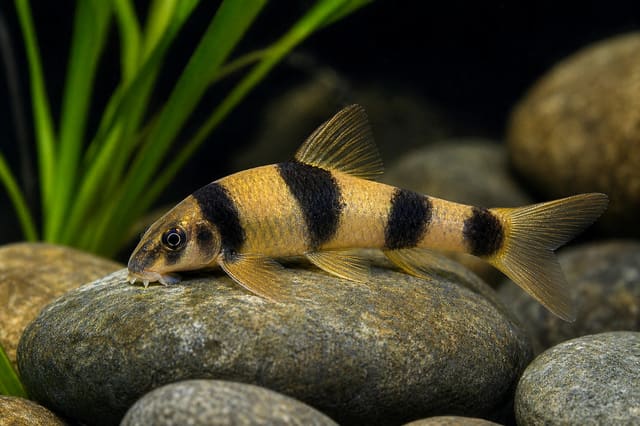
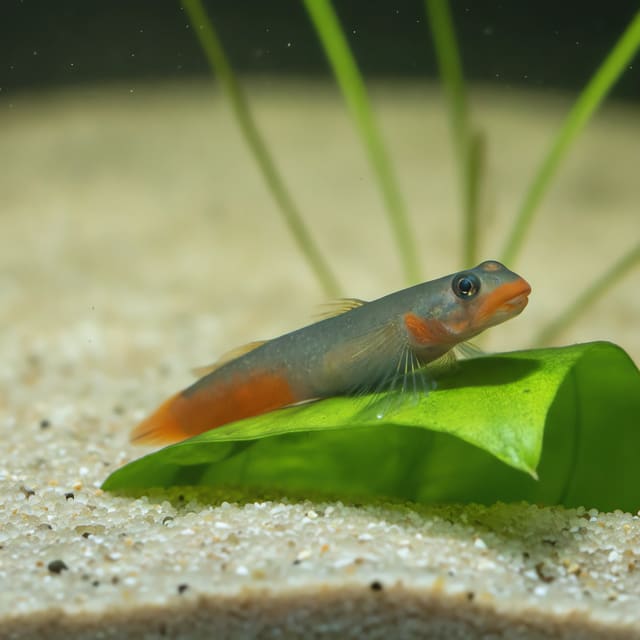
For another aquatic-frog option, compare Hymenochirus curtipes and its own adult-care requirements. It is a different frog, so this is a buying comparison rather than a recommendation to combine the two. Our loaches and unusual aquarium animals collection provides broader browsing, but each animal still needs its own care assessment. Sharing a shop category does not mean sharing an enclosure is sensible.
The most rewarding setup is one you can maintain consistently. Choose an accessible position, make room for test equipment and water-change supplies, and ensure anyone who helps you understands the feeding routine. A specialist animal does not need an elaborate-looking system to be interesting. It needs a suitable system that keeps working reliably when the novelty of a new aquarium has passed.
| Prepare first | Make it practical |
|---|---|
| A mature enclosure with secure cover | Check filtration, cleaning access and the route to atmospheric air. |
| A confirmed amphibian feeding routine | Know the accepted food and how you will watch the animal eat. |
Frog body measurements need a little care. A 2025 study of northeastern Brazilian specimens recorded females at 28.54–70.04 mm snout–vent length and males at 24.90–63.07 mm snout–vent length. These are measurements from a sample, not a guaranteed maximum for every captive animal. Snout–vent length measures the body without the extended legs. The largest female in that sample measured just over 7 cm by this method. See the species study and its measurement table for the precise scope.
Use the distinction practically: allow room for the whole animal to move, turn, rest and surface. Body length is only one part of that decision. Aquarium volume also has to accommodate the filtration, cover and feeding arrangement, along with any other animals included in a carefully agreed plan. A litre figure alone would not tell you whether an enclosure is easy to use or whether the frog has an unobstructed route to the surface.
OATA's aquatic-amphibian guidance favours long, wide aquariums with an efficient filter that does not create a forceful current. Its named tank-volume examples concern African dwarf frogs, African clawed frogs and axolotls. Those examples are not a minimum-tank prescription for this species. Have the actual dimensions and intended stocking checked with a knowledgeable amphibian retailer before committing to an enclosure.
Sketch where the filter, hides and feeding area will go before adding the animal. Check that a resting place does not become a narrow trap once a filter or heater is fitted alongside it. Leave enough open space to inspect the frog without dismantling its shelter. You should be able to remove leftover food and siphon accessible waste without lifting the animal out of the water.
Consider the water surface as a usable part of the enclosure. Aquatic frogs breathe atmospheric air and need to reach it readily. A lid should prevent escapes while leaving appropriate air space above the water; a tightly enclosed tank filled to its cover does not provide that access. Keep surface routes clear of tangled plants or floating objects, and check the layout again when plants grow or equipment is moved.
A secure aquarium also needs secure maintenance habits. Check gaps around cables and pipes, close the cover after feeding and make sure a temporary opening cannot be forgotten. If more than one person looks after the tank, agree who checks it afterwards. The point is to make routine work predictable, rather than relying on remembering a collection of small precautions when you are in a hurry.
Use the OATA aquatic-frog care sheet for general principles of clean water, filtration and maintenance. Its numerical temperature, pH and hardness ranges accompany commonly kept African frogs, so species-specific targets for Pipa carvalhoi belong in an individually agreed care plan. The practical advice below is general aquatic-amphibian preparation. Before purchase, agree suitable water conditions, adult enclosure dimensions and stocking with an amphibian specialist.
| Preparation check | What to record |
|---|---|
| Temperature and water chemistry | Measure the aquarium and replacement water, then compare those readings with the agreed care plan. |
| Ammonia and nitrite | OATA general aquatic-amphibian guidance calls for zero mg/l of each; establish effective biological filtration before introduction. |
| Maintenance | Use test results, feeding and visible waste to assess the routine; clean-looking water is not proof of suitable conditions. |
Record the conditions used for the supplied animal and how your prepared aquarium will be managed. A useful record includes the actual readings, the equipment in use and the advice you have agreed. Keep the units with each result so that a later conversation about acclimation or a change in source water starts from clear information.
A biological filter supports bacteria that process the waste entering the aquarium. Adding an animal and feeding it creates a continuing load; clean-looking water does not prove the system can handle that load. Before arrival, establish the aquarium properly and verify water quality with suitable tests. A tank that has merely stood full of water is not the same as a functioning, mature system.
Our aquarium preparation guide explains the general process of preparing filtration before livestock. Apply its aquarium principles together with the amphibian requirements here. Once the enclosure is occupied, avoid adding animals quickly. The filter's bacterial population has to respond to greater feeding and waste, so stocking decisions affect water quality even when there appears to be plenty of physical space.
Learn what your tests measure. General hardness, carbonate hardness and pH describe different aspects of the water; changing one reading without understanding the others can make management harder. Test the replacement water as well as the aquarium when assessing a problem. Our water chemistry guide helps explain those terms and how to keep a useful record.
Record readings with the date, any maintenance and any feeding change. This simple habit can reveal whether a result followed extra food, disturbed filter media or different replacement water. If you use the water matcher to organise your measurements, treat it as a general comparison tool. An automated match cannot establish the missing species-specific decisions about this toad.
Check temperature with a thermometer in the aquarium, rather than relying only on a heater setting. Place the enclosure away from direct sunshine, draughts and other strong heat sources. These are practical ways to reduce avoidable variation, particularly in a room whose conditions change during the day. If measurements or the animal's behaviour give cause for concern, seek prompt specialist advice with the actual readings available.
Choose surfaces with the animal's skin in mind. OATA recommends sand or a bare base for aquatic amphibians, with cover made from suitable pipes, caves, wood and large rounded pebbles. Pebbles must be too large to swallow. A visually natural floor is only useful if it is safe and practical to keep clean; check every item for rough edges and awkward gaps before it enters the aquarium.
A bare base makes uneaten food and waste easier to spot. Sand can create a softer-looking display, but it needs an accessible cleaning routine. Whichever approach you prefer, leave a feeding area where food can be watched and removed. Avoid putting so many small ornaments around it that you cannot tell whether a meal has been eaten or has simply disappeared from view.
Secure plants to suitable décor where needed so that movement around them does not continually uproot them. Arrange cover in more than one useful place rather than making every sheltered area depend on one crowded corner. Plants should improve the animal's choices and your view of the enclosure. They should not block the surface route or make essential equipment impossible to inspect.
OATA recommends relatively dim overhead lighting and a day–night cycle for aquatic amphibians. Where live plants need more light, provide shaded refuges. You can assess the layout from the frog's level: an attractive view from the front may still leave the entire floor exposed. Cover should remain available during the lit part of the day, rather than appearing only when the aquarium lights go out.
Position the tank away from repeated vibration, loud disturbance and sudden movement. You do not need to make the room unusable, but a stable stand in a calm location makes observation easier for both keeper and animal. Avoid repeatedly tapping the glass or moving decorations to obtain a better photograph. Regular observation from a consistent position helps you notice real changes without manufacturing disturbance.
The filter must cope with waste while keeping movement manageable. Gentle flow does not mean neglecting filtration, and an impressive pump rating does not show how the current behaves inside the finished tank. Watch the actual output around resting places and the feeding area. Directing the return differently may make the layout more usable, but preserve the filter's intended function and follow its instructions.
Inspect equipment whenever you maintain the aquarium. A blocked intake, displaced pipe or partly obstructed outlet can change how the tank works. Keep access to these parts in your original layout so checking them remains an easy habit. If something has to be moved, reassess nearby gaps and shelter afterwards rather than assuming the old arrangement is still safe.
Think through maintenance before installing heavy or complicated décor. A structure that requires removing the animal every time the floor is cleaned is difficult to sustain. Aim for a layout in which the frog can remain sheltered while you work elsewhere, with the cover restored promptly when the task is finished. Practical simplicity gives you more time for careful observation.
Plan a carnivorous feeding routine using food that fits the individual animal. In aquatic-frog care, OATA recommends appropriately sized meaty foods, with specialist prepared pellets helping provide balanced nutrition when accepted. Smaller frogs can take foods such as brine shrimp, bloodworm and other insect larvae. Ask which foods the supplied animals currently recognise and begin with a clear plan for feeding them successfully.
Acceptance matters as much as the label on the food container. An animal accustomed to live or frozen food may not immediately identify a prepared pellet as food. Offer suitable familiar food alongside a careful transition where advised, and verify swallowing rather than assuming that a missing pellet was eaten. An uneaten “complete” diet cannot provide nutrition, while relying permanently on one favourite treat can also leave the diet poorly balanced.
A species study documented insect prey and a fish fingerling in wild specimens. This supports taking predation seriously, but it does not provide a home feeding recipe. Use suitable aquarium foods and specialist guidance for the animal's nutritional needs. You do not need to recreate every item found in a wild stomach to offer a sensible captive diet.
Prepare only an appropriate amount, position food where the animal can find it and allow time to feed without repeated disturbance. A consistent feeding place helps you distinguish a successful meal from food lost under wood or behind equipment. If you cannot see what happens, reconsider the arrangement before increasing the portion. More food scattered throughout the tank creates a cleaning problem without proving that the animal has eaten more.
Watch each animal separately if an agreed species-group plan is used. It is possible for the enclosure to receive enough food overall while one individual repeatedly misses out. Note appetite and body condition over time, especially after moving an animal or changing its food. A simple record is useful when seeking advice because “it has not eaten normally since the food changed” is more informative than “it looks quiet”.
Set the portion and feeding schedule around the size, condition and established diet of the supplied animal, with appropriate amphibian advice. Watch the meal and remove uneaten material afterwards. A generic feeding timetable cannot tell you whether this individual has eaten enough, and food left in the aquarium adds waste without improving nutrition.
Consider feeding and maintenance together. A change to a messier food may alter what you find on the floor and in the filter. Check those areas and test water when you adjust the routine. If the animal refuses food, avoid repeatedly adding more in the hope that a large supply will solve the problem. Establish what was eaten, remove leftovers and review water quality and the recent history.
Keep feeding instructions straightforward if someone else will care for the animal while you are away. Show them the portion, the feeding position and how to recognise leftovers. Leave a way to contact you or obtain suitable advice if the animal's appetite changes. A clear demonstration is more dependable than asking an unfamiliar keeper to judge a generous-looking pinch of an unfamiliar food.
Establish a regular testing and partial-water-change routine suited to the occupied aquarium. OATA's general aquatic-amphibian guidance supports regular testing, waste removal and properly prepared replacement water. Use measured conditions and appropriate advice to decide the amount and frequency for your setup. Water clarity alone should not decide when to act. A consistent routine helps keep small problems visible before several missed jobs accumulate.
Prepare replacement water properly, including conditioner suitable for removing chlorine or chloramine from tap water. Check that the water is appropriate before adding it. Keep the equipment used for aquarium maintenance easy to identify and suitable for its purpose. A familiar process reduces the chance of an unsuitable bucket, an unmeasured addition or a forgotten cover turning routine care into a problem.
Siphon visible waste from accessible areas and inspect where food tends to collect. Work carefully around the animal and keep track of its location. The object is to maintain a healthy environment, not to make every surface look newly installed. Plan your route through the tank so that the frog can use an undisturbed area while you clean another.
Check the filter for blockages. When its media needs cleaning, OATA advises a light rinse in aquarium water removed during a water change, rather than under the tap. This helps preserve the bacterial population. Follow the equipment instructions as well, and avoid treating filter media as ordinary household cleaning material. After maintenance, confirm that the filter is running as intended.
Keep a short note of tests and work completed. You can use it to see whether the routine is effective rather than changing several things every week. If nitrate rises more than expected, examine feeding, accumulated waste and the replacement-water reading. If ammonia or nitrite is detectable, seek prompt competent advice and provide the values; do not wait for the animal to show obvious distress.
Arrange for someone to receive the parcel and have the aquarium ready before arrival. Read the current delivery and Live Arrival Guarantee policy for the booking details and claim conditions. For a Live Arrival Guarantee claim, retain a continuous unboxing video beginning with the sealed parcel and showing the animal in its sealed bag. This is claim evidence. Contact the team the same day if there is a problem and include your order number.
Open and inspect the parcel on the day it arrives, keeping the surroundings calm and avoiding bright light. Follow the amphibian-specific acclimation instructions supplied for the animal; ask before arrival if those instructions are unclear. Temperature adjustment and transfer should be deliberate, with as little transport water entering the enclosure as practical. Prepare the equipment you need beforehand so that the bag is not left waiting while you assemble the tank.
During the first week, watch water quality and feeding especially closely. A photograph taken without disturbance can help establish a visual record of the animal's condition. Note where it rests and whether it can use cover, reach the surface and locate its food. Changes in those patterns are more meaningful once you have observed the animal in its own enclosure.
A persistent appetite change, abnormal movement, visible skin damage or an unexpected loss of condition deserves attention. Check water quality promptly and contact a knowledgeable amphibian retailer or an amphibian-experienced vet. Describe the change, its timing, the food offered and the actual test results. Keep the advice specific to an amphibian; fish symptoms and aquarium treatment instructions cannot simply be transferred to this animal.
Do not use the appearance of a mark as a diagnosis or start an improvised medication routine. The suitable response depends on the animal, the water and the cause of the problem. Obtaining appropriate advice also helps you avoid making several simultaneous changes that hide which factor mattered. Continue documenting what you see while following the advice you receive.
A species-only aquarium is the most sensible starting point for an aquatic-frog plan. OATA warns that aquatic amphibians may eat fish they can swallow and can be poorly suited to mixed fish aquariums. A calm appearance does not remove feeding risks. Nor does a fish being too large to eat establish that it will leave the frog undisturbed or allow it reliable access to food.
Do not use a community fish collection as a shopping list for this enclosure. Faster feeders can take food before you have confirmed that the amphibian has eaten, while nippy or boisterous fish add another source of disturbance. Small fish and small invertebrates should not be assumed safe around a carnivorous frog. A display designed around one type of animal is easier to assess and manage.
Discuss the number of Carvalho's Surinam toads with a specialist using the enclosure dimensions and individual sizes. OATA's broad aquatic-frog sheet favours groups of similar-sized frogs, but it does not establish a species-specific number for this toad. Do not translate advice written around common African frogs into an automatic purchase quantity here. Equally, an assumption that every animal is naturally solitary would not settle the question.
If more than one is included in an agreed plan, make feeding access and close observation part of that plan from the start. Confirm that each individual uses the available space and receives food. Have a practical response available if the arrangement does not work: moving an animal to an unprepared container creates a new care problem. Discuss suitable separation accommodation before you need it urgently.
Reassess compatibility whenever an animal grows, a shelter is moved or feeding changes. A setup that looked calm during a brief observation can still exclude an individual at meals. Watch the complete routine, including the period after food is offered. This gives you a much more useful view of the enclosure than judging only by whether the animals rest near each other.
Keep alternative species comparisons separate from stocking decisions. African dwarf frogs and axolotls have their own body sizes, social behaviour and environmental requirements. Choosing between different amphibians can be worthwhile; combining them is a different decision requiring its own evidence and appropriate advice. Make that distinction before purchasing rather than attempting to solve it after the animals share water.
One study recorded females up to 70.04 mm and males up to 63.07 mm snout–vent length in its sample. These are body measurements excluding the legs, not universal captive maximum sizes. Allow space for the whole animal and obtain an adult enclosure plan before purchase.
Use a mature, gently filtered aquarium with safe cover, smooth surfaces and ready access to atmospheric air. Confirm the adult dimensions with an amphibian specialist; tank-volume examples for African frogs or axolotls should not be treated as a minimum for this species.
Agree a species-specific social plan using the enclosure dimensions and individual sizes. General aquatic-frog group advice does not establish a reliable number for this species. Any proposed group needs individual feeding checks and suitable separation accommodation.
It calls for preparation and species-specific advice before purchase. You need reliable water testing, mature filtration, secure accommodation and the ability to confirm feeding. Discuss the setup with a knowledgeable amphibian retailer before choosing this as your first amphibian.
Discuss appropriately sized meaty foods and accepted specialist complete pellets with the supplier. General aquatic-frog options include brine shrimp, bloodworm and other insect larvae. Confirm what the animal eats, offer manageable portions and remove leftovers.
Agree suitable water conditions for Pipa carvalhoi with an amphibian specialist before purchase, using the supplied animal's holding conditions and your aquarium readings. Keep the numerical targets with that individual care plan; the advice here covers general aquatic-amphibian preparation.
Plan a species-only aquarium. Swallowable fish can become prey, and larger or faster fish can disturb the amphibian or compete for food. A peaceful label does not make a mixed enclosure appropriate.
The American Museum of Natural History species entry records the accepted name, common name and Brazilian distribution. The species research and OATA guidance linked beside the relevant sections provide different kinds of information: measured wild animals in one case, general aquarium practice in the other. Use those distinctions when discussing your own enclosure with an amphibian specialist.
No reviews for this item yet. Bought one? Honest reviews only, good or bad.
What customers say about ordering from us
Easy website plenty of info on fish your buying great to pick a time slot
TRACEY DURRANT · 7 Oct 2026
Got some lovely fish thank you
Kevin Mackie · 7 Oct 2026
Reviews of our shop, collected by Judge.me, an independent third-party review collector. Newest first.