
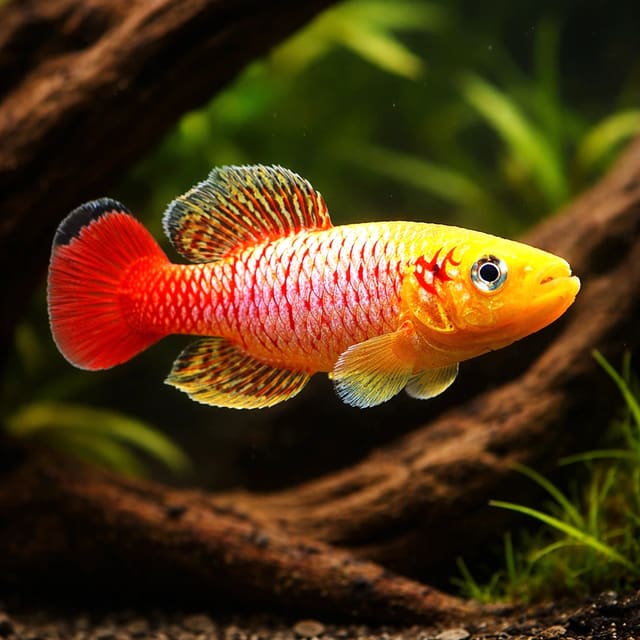
Advanced
Gunther's Zanzibar Gold Nothobranch (Nothobranchius guentheri)
22–25°C · pH 6–7
£10.99
16 products
Explore Nothobranchius killifish, from Rachovii and Guentheri to less familiar named forms. Plan feeding, stated sex and the annual life cycle before buying.
16 products
22–25°C · pH 6–7
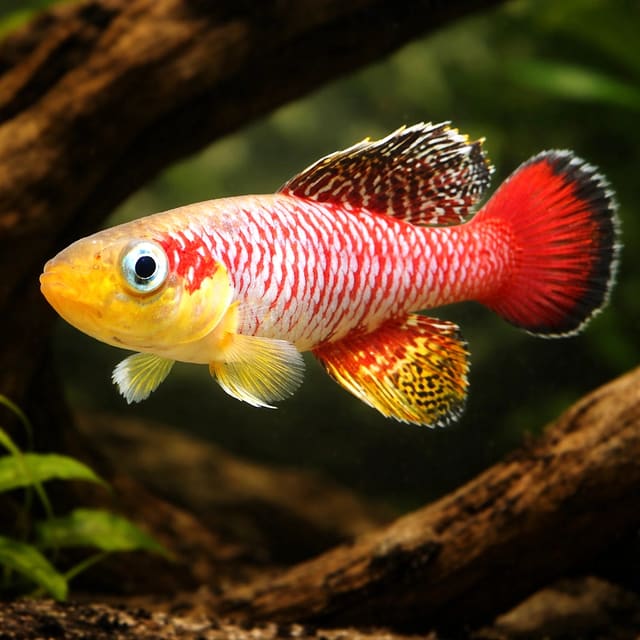
22–25°C · pH 6–7
20–24°C · pH 6–7 · 41L
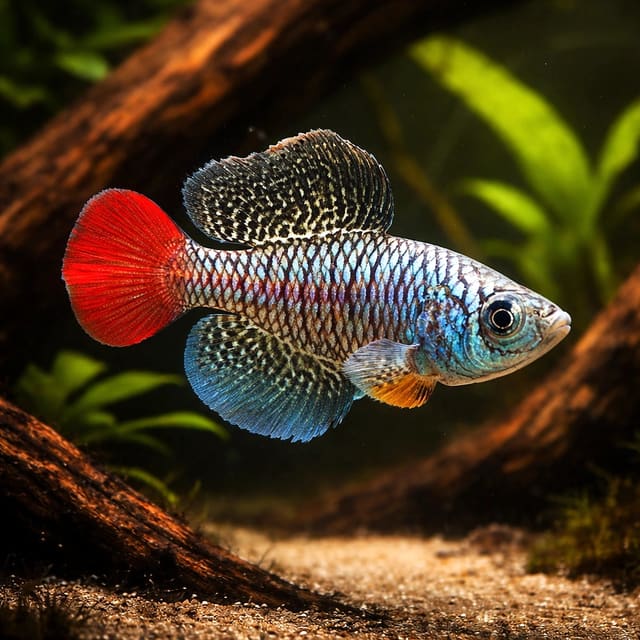
23–26°C · pH 6–7

21–25°C · pH 5.8–7.2 · 30L

20–24°C · pH 6–7.5 · 40L
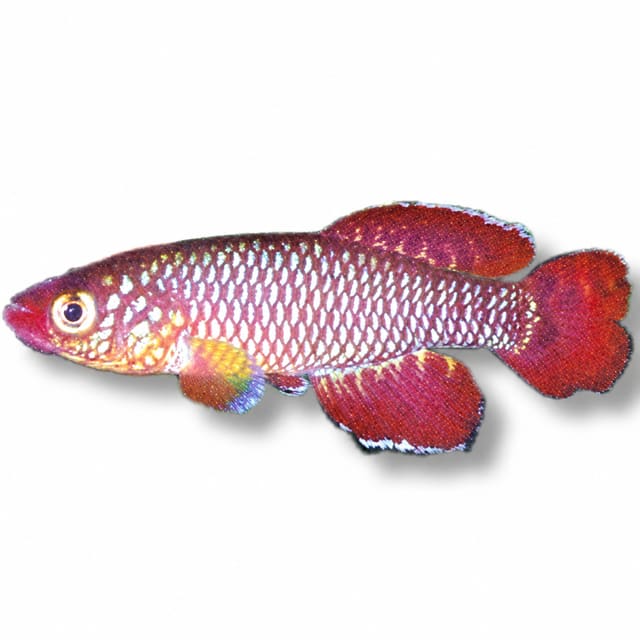
23–25°C · pH 5.8–6.4 · 40L
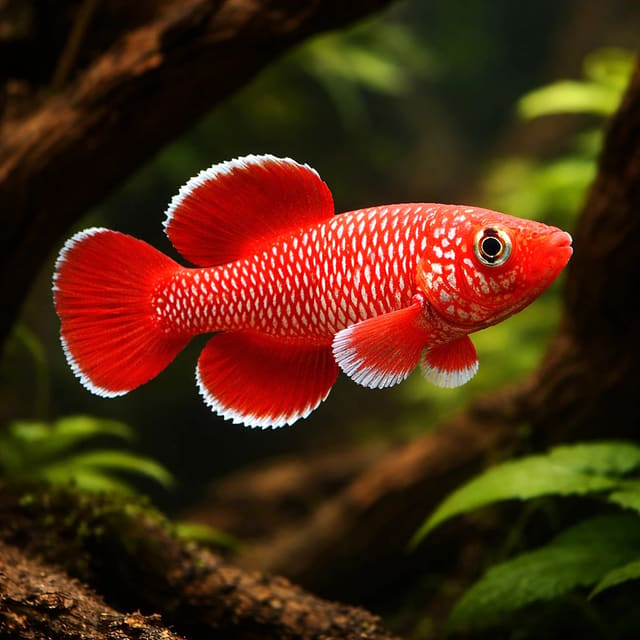
23–28°C · pH 6–7.5 · 40L
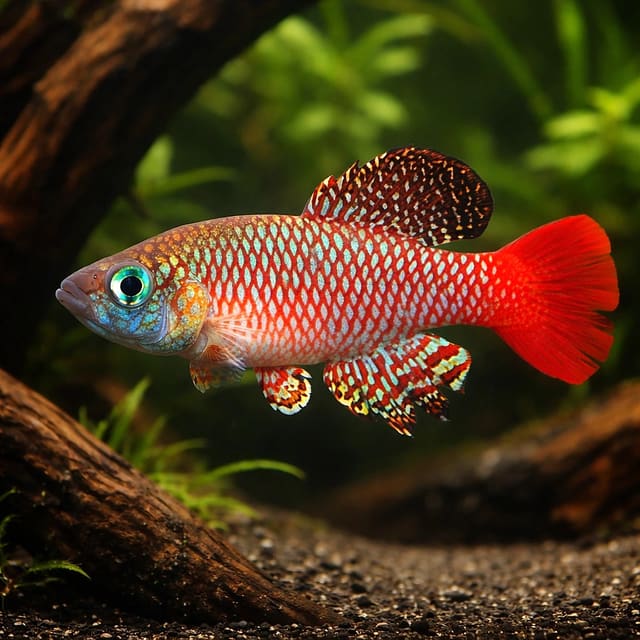
20–24°C · pH 6.5–7.5 · 40L

21–25°C · pH 6.5–7.5 · 40L
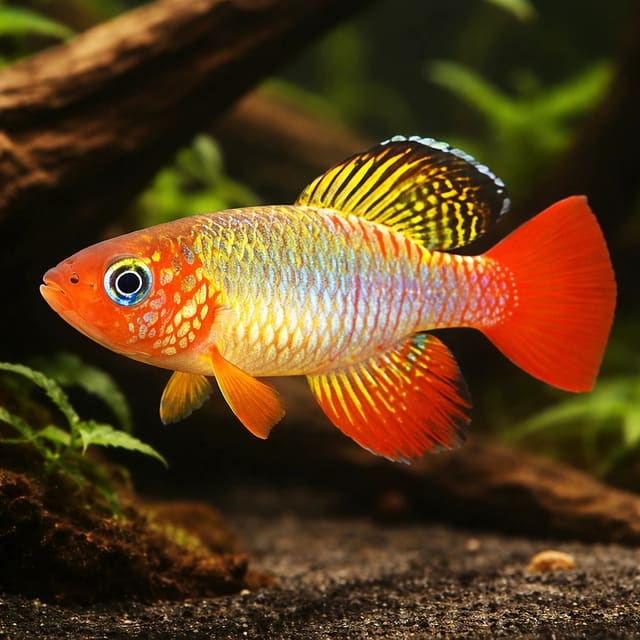
22–26°C · pH 6.8–7.8 · 40L

22–25°C · pH 6.5–7.5 · 40L
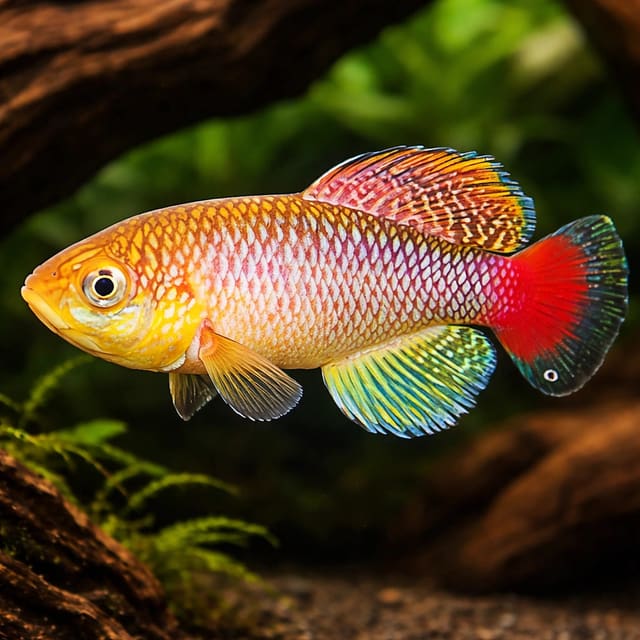
22–26°C · pH 6.8–7.8 · 40L
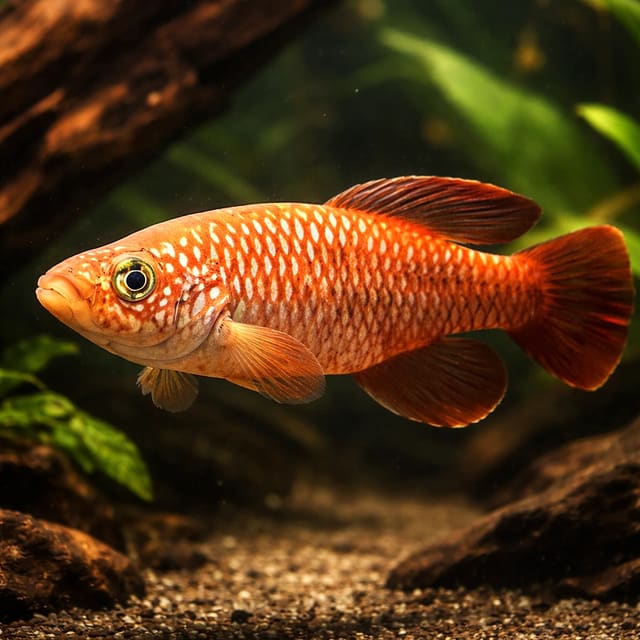
22–26°C · pH 6–7.5 · 40L

22–26°C · pH 6–7.5 · 40L
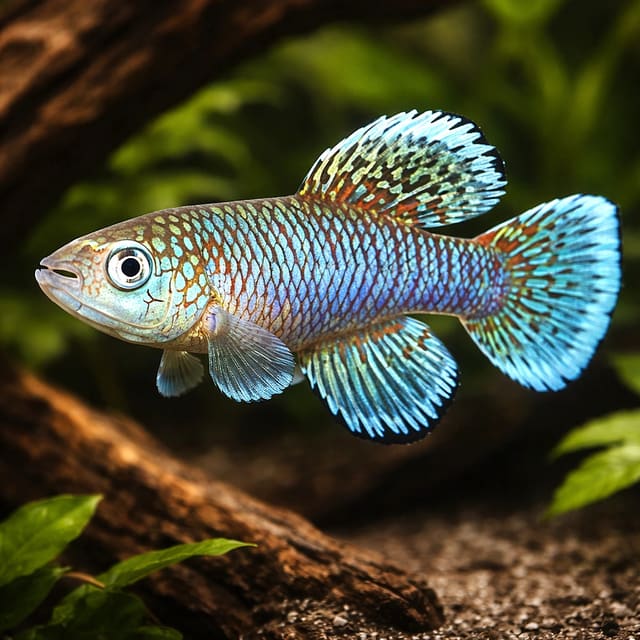
22–26°C · pH 6.5–7.5 · 30L
Nothobranchius are annual killifish adapted to seasonal waters. For Rachovii, adults live through the wet season while eggs survive the dry period; this is not a promise that aquarium fish will live for a fixed number of months. Ask about the supplied fish’s age and feeding. If you want to breed them, arrange a separate spawning and egg-care plan rather than expecting fry to appear in a community aquarium.
Ask about a Nothobranchius offerRachovii, Guentheri, Korthausae and the Kayuni-labelled offer remain separate choices. A bright photograph does not state the fish’s sex, pair composition or collection line. Read any explicit offer details before planning a breeding group. Rachovii benefits from suitable small live or frozen foods; confirm what the selected fish is eating and prepare an appropriate menu instead of relying on flake alone.
Compare the wider killifish range