Moderate
Rachow's Nothobranch (Nothobranchius rachovii)
20–24°C · pH 6–7 · 41L
£16.99
One unsexed Nothobranchius korthausae 'Red' in the approximate 2.5–3.5 cm grade. A compact specialist killifish for a mature, covered aquarium; no sexed-pair guarantee.
Adult size is the maximum length this species reaches at full maturity (scientific sources). The livestock you receive will be younger and smaller. Product-photo provenance and any image-specific limitations are stated on the listing.
Nothobranchius korthausae 'Red'
Save when buying multiple fish. Each quantity is one fish; sex and pair formation are not guaranteed unless the selected variant explicitly states them.
One unsexed Nothobranchius korthausae 'Red' in the approximate 2.5–3.5 cm grade. A compact specialist killifish for a mature, covered aquarium; no sexed-pair guarantee.
Adult size is the maximum length this species reaches at full maturity (scientific sources). The livestock you receive will be younger and smaller. Product-photo provenance and any image-specific limitations are stated on the listing.
Maintain these water conditions for optimal health and vibrant colors
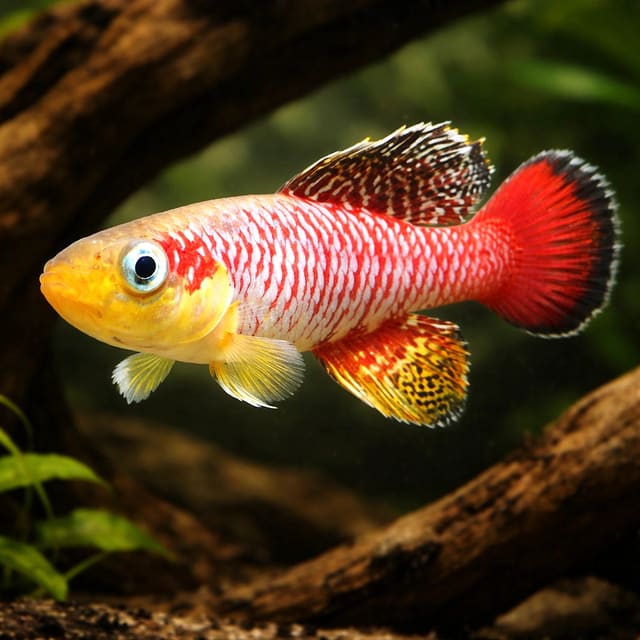
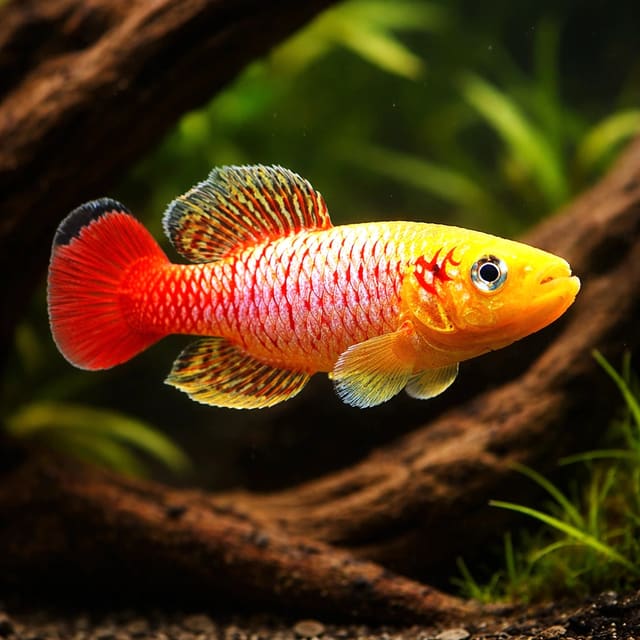
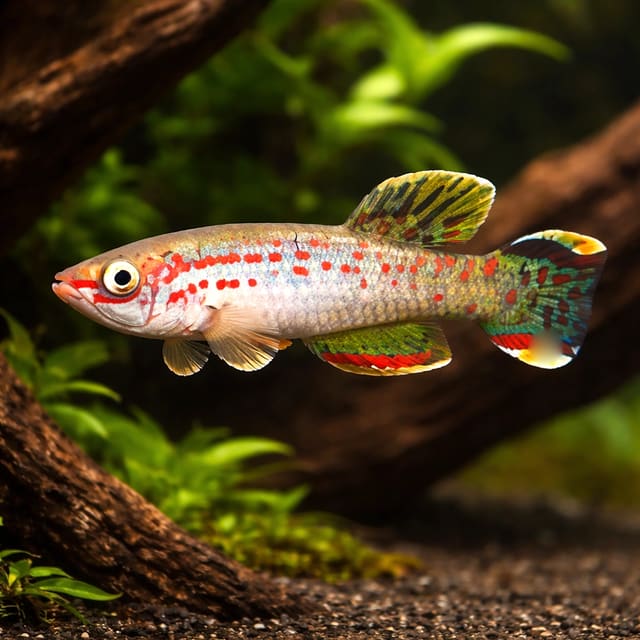
Korthaus Notobranch Red is Nothobranchius korthausae 'Red', a compact African killifish in the family Nothobranchiidae. Red describes the colour form, not a separate species. The species is associated with seasonal waters on Mafia Island, Tanzania; this does not establish the collecting locality or wild/captive origin of this stock. Plan adult space around a reported maximum of about 5 cm total length, including the tail, not the supplied juvenile grade.
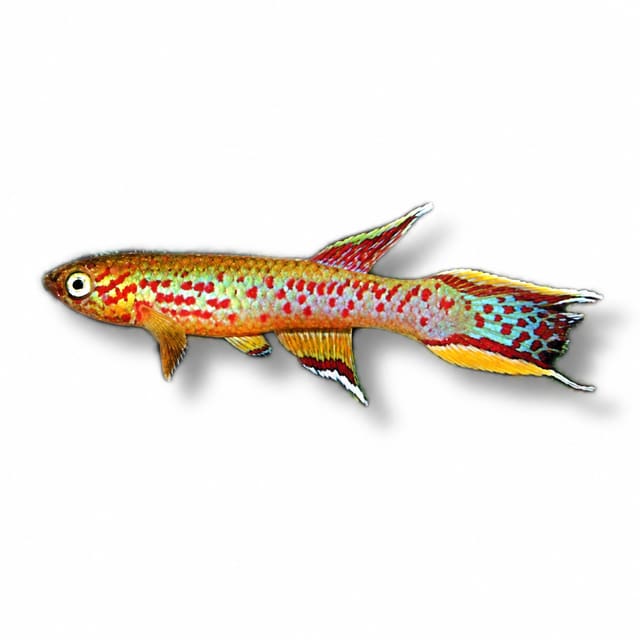
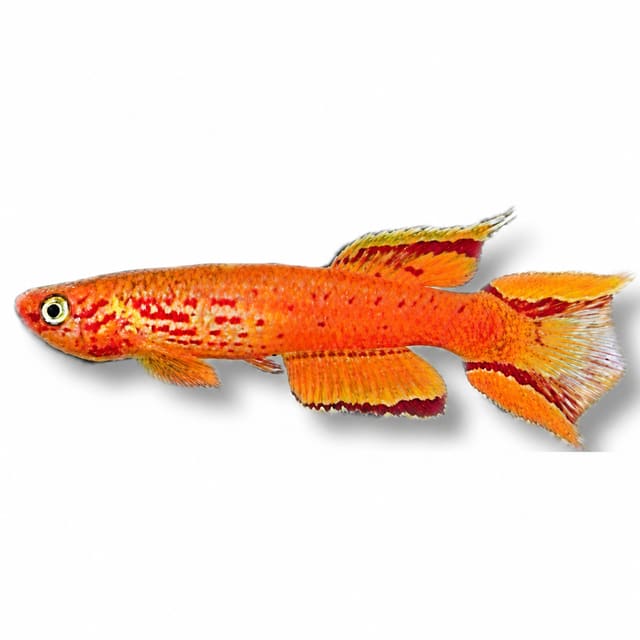
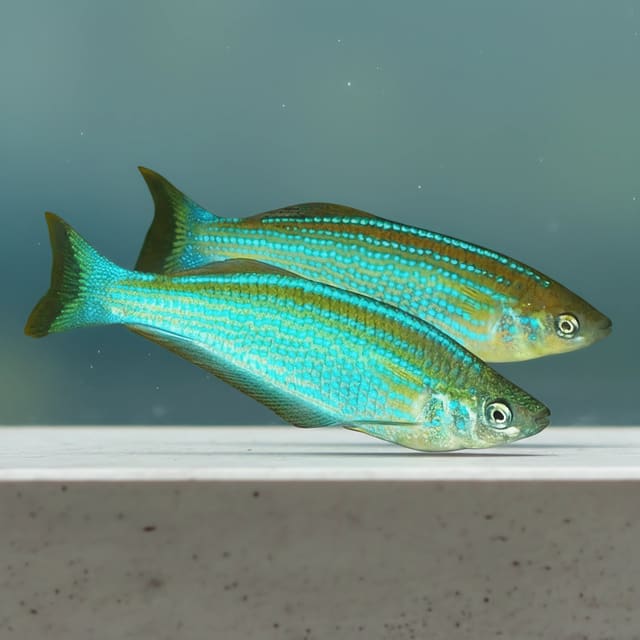
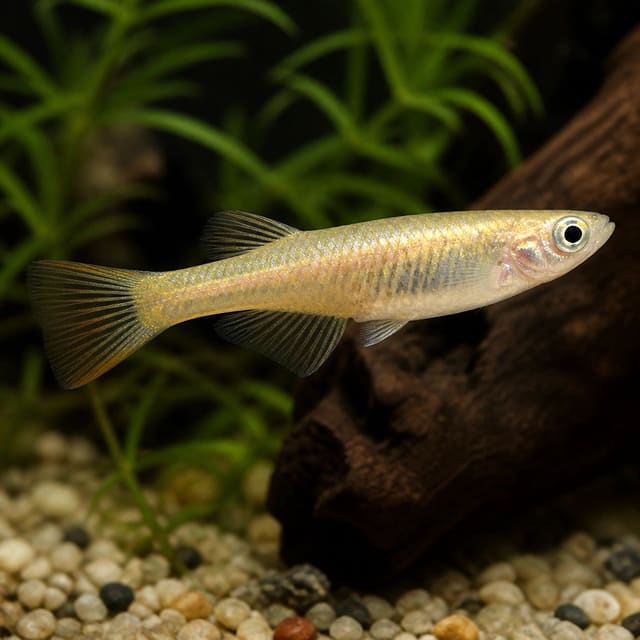
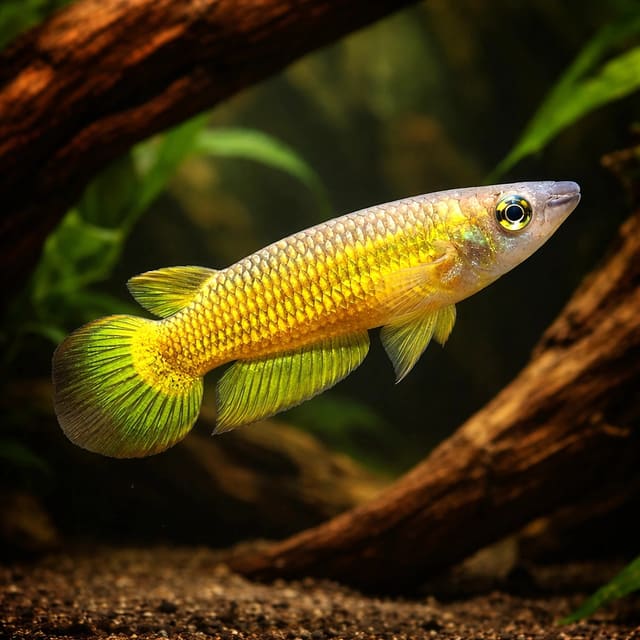
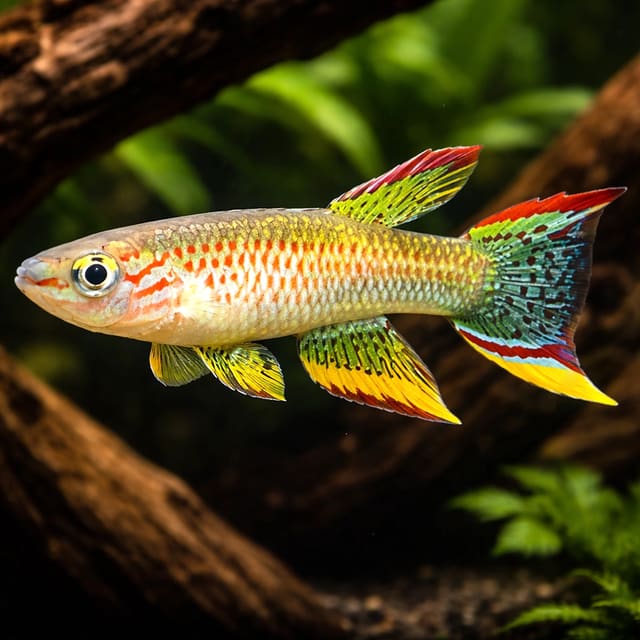
Each selected quantity supplies one live, unsexed fish at approximately 2.5–3.5 cm. The offer is not a sexed pair or a supplier wholesale pack. Colour develops with sex, age and condition; a selected quantity does not guarantee a male, female, breeding group or exact appearance. The current image is representative rather than proof of the fish dispatched.
Korthaus Notobranch Red is part of the killifish group, which is well known for seasonal life cycles, vivid males, and fascinating breeding behaviour. Even when kept outside dedicated breeding projects, these fish are appealing because of their colour, shape, and active feeding response. They are not the best choice for a brand-new aquarium, but they can be highly rewarding for keepers willing to observe, plan, and maintain consistent conditions.
Because this is a specialist freshwater killi, tank planning matters. A mature, covered aquarium is strongly recommended, as killifish can be alert, quick, and sometimes prone to jumping. A secure lid also helps reduce evaporation and keeps water conditions more stable. For a single pair or a small group, start with a tank of at least 40 litres; larger is always better if you want to provide more space, better stability, and more territory options.
Use a soft, natural layout with plants, fine substrate, leaf litter, and shaded areas if you want to encourage natural behaviour. Floating plants can help reduce bright light and make the fish feel more secure. Gentle filtration is usually preferable, as these fish do not need violent water movement. Good oxygenation and clean water are important, but avoid strong currents that may stress them.
A practical routine target is 23–25°C, pH 5.8–6.4 and 4–6 dGH. This sits within the supplier and species-database guidance, but is not a measured tolerance guarantee for this batch. Published ranges differ, so favour stable conditions and check the water before purchase; do not force a sudden pH or hardness change. Maintain oxygenation, a mature filter and regular partial water changes.
Korthaus Notobranch Red is best fed a varied carnivorous diet. Killifish generally respond very well to live and frozen foods, and these usually help maintain colour, condition, and breeding readiness. Suitable options commonly include bloodworm, daphnia, brine shrimp, mosquito larvae, and similar small meaty foods. High-quality prepared foods may also be accepted, but variety is important.
Feed little and often rather than overloading the tank. Because killifish can be enthusiastic feeders, it is easy to give too much. Small portions once or twice daily are often enough for healthy adults, while juveniles may benefit from slightly more frequent feeding. Remove excess food promptly to protect water quality.
A species-focused aquarium is the simplest way to manage feeding and breeding. Specialist keepers can maintain a suitable sex ratio or an observed compatible group, with plants and visual barriers. Do not assume two unsexed juveniles form a pair; monitor chasing and food access and have space to separate fish if necessary.
Good tank mates are calm, similarly sized fish that will not outcompete the killifish for food or nip fins. Avoid fast, boisterous, or aggressive species, as well as large fish that may see the killifish as prey. Very tiny fish may also be at risk if they fit into the mouth of a larger specimen.
Check that every proposed companion shares the chosen temperature, pH and hardness and receives enough food. A calm species-focused aquarium remains the cautious choice; a familiar community label does not establish compatibility. The water parameter matcher can help compare the planned ranges.
Breeding Nothobranchius korthausae involves bottom spawning and an egg-development phase rather than treating it like a typical plant-spawning community fish. Use a separate, removable peat or suitable spawning-substrate container and obtain a tested method for the line kept. Do not claim a precise incubation deadline from the retail colour name.
The primary collector account describes captive peat development of roughly two to three months, while a British Killifish Association account reports about eight weeks at 24°C. These are reference conditions, not a universal schedule. Check egg development and substrate moisture, label dates and avoid drying eggs or rewetting them solely by a calendar rule. Newly hatched fry need suitable tiny live food such as Artemia nauplii and careful waste removal.
Like most specialist fish, Korthaus Notobranch Red thrives when water quality is stable. Stress is the main thing to avoid. Poor water conditions, unsuitable tank mates, and irregular feeding can all weaken the fish and make them more prone to illness. Because these are often kept in smaller aquaria, filtration and maintenance are especially important.
Common issues include fin damage from rough tank mates, loss of condition from a poor diet, and stress related to unsuitable water parameters. For this reason, we strongly recommend keeping the tank covered, feeding a varied diet, and monitoring the fish closely during the first weeks after arrival. If any fish show signs of clamped fins, refusal to eat, rapid breathing, or unusual hiding, check water quality first.
Use a test kit to confirm temperature, pH and hardness before introduction, and check ammonia and nitrite whenever fish breathe rapidly, clamp fins or stop feeding. Stable water, low stress and a suitable feeding routine matter more than chasing a colour target. Do not add salt or medication automatically from an old breeding account; diagnose the actual problem first.
At Tropical Fish Co, we aim to supply healthy, well-packed fish that are ready to settle into your aquarium. Your Korthaus Notobranch Red will be dispatched at approximately 2.5 - 3.5 cm and handled with care throughout the packing process. We recommend preparing the aquarium fully before delivery so that the fish can be acclimated calmly on arrival.
Before ordering, confirm the adult space, covered aquarium, food supply and intended companions. Read the current delivery and live-arrival terms, arrange receipt and check the selected quantity in the basket. Eligibility and evidence requirements follow the published terms.
Freshwater fish should be acclimated slowly, lights kept low on arrival, and feeding kept light for the first meal. If you are combining new fish with an established aquarium, take extra care to observe their behaviour closely for the first few days.
If you are unsure whether this fish is suitable for your setup, we recommend reviewing your tank size, water values, and existing stock before purchase. A thoughtful setup will give this striking killifish the best chance to thrive and show its best colour.
See the FishBase species account for identity and reported size, the primary WildNothos collector account for habitat and reproduction, and the BKA first-hand species sheet for breeding context. Compare other killifish by adult needs, not colour alone.
No reviews for this item yet. Bought one? Honest reviews only, good or bad.
What customers say about ordering from us
Easy website plenty of info on fish your buying great to pick a time slot
TRACEY DURRANT · 7 Oct 2026
Got some lovely fish thank you
Kevin Mackie · 7 Oct 2026
Reviews of our shop, collected by Judge.me, an independent third-party review collector. Newest first.