Easy
Dumbo Ear Mix Male Guppy (Poecilia reticulata)
22–28°C · pH 7–8 · 60L
£3.99

A pack of 10 unsexed Sailfin Mollies (Poecilia velifera), recorded at over 5 cm each. Plan a mature 300L+ hard-water aquarium with at least 120 cm of swimming length. Colour, sex ratio and fin development vary.
Adult size is the maximum length this species reaches at full maturity (scientific sources). The livestock you receive will be younger and smaller. Product-photo provenance and any image-specific limitations are stated on the listing.
Poecilia velifera
Save when buying multiple fish. Each quantity is one fish; sex and pair formation are not guaranteed unless the selected variant explicitly states them.
Confirm your email, then we’ll send an availability message for this exact item if it returns within 180 days.
This request is only for this product—no newsletter or other promotions. A mail-provider retry may very rarely duplicate the same availability message. Unconfirmed addresses are removed after 48 hours. See our privacy policy.
A pack of 10 unsexed Sailfin Mollies (Poecilia velifera), recorded at over 5 cm each. Plan a mature 300L+ hard-water aquarium with at least 120 cm of swimming length. Colour, sex ratio and fin development vary.
Adult size is the maximum length this species reaches at full maturity (scientific sources). The livestock you receive will be younger and smaller. Product-photo provenance and any image-specific limitations are stated on the listing.
Maintain these water conditions for optimal health and vibrant colors
This listing is for a pack of 10 Sailfin Mollies (Poecilia velifera). The recorded supply size is over 5 cm per fish. They are sold as an unsexed group, so the colour, pattern, sex ratio, pregnancy status and height of the dorsal fin will vary and cannot be selected. Plan for the full adult group before ordering: this is a large, active livebearer, not a small molly for a soft-water nano aquarium.
The Yucatan or Giant Sailfin Molly is valued for its broad body, steady grazing behaviour and the tall, sail-like dorsal fin developed most strongly by mature males. It is generally peaceful with suitable companions, but it needs hard, alkaline water, excellent filtration and much more swimming room than its delivery size suggests.
| Sale unit | Pack of 10 unsexed Sailfin Mollies |
|---|---|
| Recorded supply size | Over 5 cm per fish |
| Scientific name | Poecilia velifera |
| Other common names | Yucatan Molly; Giant Sailfin Molly |
| Adult planning size | Up to about 15 cm |
| Aquarium for this pack | 300 litres or more, with at least 120 cm of swimming length; larger is better |
| Core temperature | 25-28 C |
| Core pH | 7.5-8.0; stable and alkaline |
| Core hardness | 13-19 dGH; mineral-rich water |
| Temperament | Peaceful but active; males may display and chase |
| Diet | Omnivorous, with a strong plant and algae component |
| Swimming area | Mostly upper and middle water, with regular grazing throughout the aquarium |
| Care level | Moderate: stable hard water and space are essential |
Poecilia velifera is the large sailfin species associated with Mexico's Yucatan Peninsula. It is related to, but not identical with, the smaller Poecilia latipinna that also appears under the name Sailfin Molly in the aquarium trade. FishBase and the Smithsonian's Shorefishes database record P. velifera at around 15 cm maximum length, which is why adult space and filtration must be planned from the start.
Mature males can raise a high, patterned dorsal fin during courtship and display. Females and younger fish usually have a lower fin and fuller body. Commercial fish may show variable colour and may have domestic ancestry, so this listing guarantees the supplied trade identity, group quantity and recorded size band, not an exact wild phenotype or a particular colour strain.
For this ten-fish pack, use a mature aquarium of at least 300 litres with a frontage of 120 cm or more. That recommendation allows for adult body size, constant activity, grazing, waste production and social pressure within the group. A larger aquarium is preferable when several males are present, when fry may be retained or when other fish already occupy the same swimming space.
Build the layout around open water rather than dense decoration. Use planted or structured margins for retreat, then preserve a broad central and upper swimming area. Robust plants, wood and rock can create visual breaks, but every item should leave enough turning room for a deep-bodied adult. A secure lid is sensible, and strong biological filtration with good surface movement helps support the oxygen demand and waste load of a large livebearer group.
Cycle the aquarium fully before arrival. Ammonia and nitrite must remain at zero, while nitrate should be controlled through stocking discipline, plant growth and regular partial water changes. Match replacement water for temperature and mineral content so routine maintenance does not create abrupt swings in pH or hardness.
Aim for 25-28 C, pH 7.5-8.0 and roughly 13-19 dGH as a stable core range. The recorded source range is broader, but the narrower target is easier for shoppers to use and aligns with published species data. Soft, acidic water can leave mollies struggling to regulate minerals even when the temperature appears correct. If your tap water is naturally soft, test it before ordering and use a consistent remineralisation method rather than making irregular corrections after the fish arrive.
This species occurs in fresh and brackish habitats, but that does not mean every aquarium needs salt. Controlled research on P. velifera found better growth performance in freshwater than at higher salinities. Routine salt is therefore unnecessary when hard, alkaline freshwater is stable, well oxygenated and clean. Never add salt casually to a community aquarium without checking the tolerance of every fish, plant and invertebrate.
Sailfin Mollies are social, visible fish that spend much of the day swimming, grazing and investigating food. Mature males may extend the dorsal fin, spar with one another and pursue females. The ten fish in this pack are unsexed, so a specific male-to-female ratio cannot be guaranteed. Provide generous space and several broken sight lines, then watch whether any individual is being followed continuously or excluded from feeding.
Like other mollies, they are livebearers. A mixed-sex group can produce fry, and females may already be carrying stored sperm or developing young when supplied. Dense plant cover can increase fry survival, but the main aquarium must still be sized for the adults. Do not use a small breeding box as long-term accommodation for a female.
| Often suitable | Robust livebearers, peaceful rainbowfish and other active community fish that genuinely share hard, alkaline water requirements |
|---|---|
| Use judgement | Bottom dwellers that tolerate the same mineral-rich water and will not be overwhelmed at feeding time |
| Avoid | Soft-water specialists, persistent fin nippers, aggressive or predatory cichlids, very timid feeders and fish likely to harass a raised sail fin |
| Not guaranteed | Safety with ornamental shrimp, fry, very small fish or any named species without checking adult size, water chemistry and behaviour |
Water compatibility comes before appearance. A peaceful fish that needs soft acidic water is not a good companion simply because it is non-aggressive. The pack already contains ten active adults-in-training, so calculate the final biological load before adding more fish.
Use a quality complete flake or granule as the base diet, choosing one with a meaningful algae or vegetable component. Rotate spirulina foods, suitable algae wafers or plant-rich soft foods with small portions of daphnia, brine shrimp, mosquito larvae or similar frozen foods. Published field work has found substantial green algae and plant material in the diet of wild P. velifera, alongside some animal prey, so an all-meat diet is not appropriate.
Offer small portions that the group can finish promptly, distributing food across the surface so less assertive fish get access. Mollies also graze on biofilm and algae between meals. That useful grazing does not make them a substitute for aquarium maintenance, and overfeeding a ten-fish group can quickly undermine water quality.
Shimmying, clamped fins or persistent surface distress are reasons to test temperature, pH, hardness, ammonia, nitrite and oxygenation immediately. Salt should not be used as a substitute for identifying the underlying water or stocking problem. Our acclimation timer can help you organise the arrival process, while the live-fish delivery page explains packing and guarantee steps.
One product quantity includes a pack of 10 Sailfin Mollies. The GBP 91.99 product price is for the complete ten-fish pack, not for one fish.
No. The pack is supplied unsexed, and colour, pattern, pregnancy status and dorsal-fin development are not selectable or guaranteed.
Plan at least 300 litres and 120 cm of swimming length for the ten-fish group, with more space where other fish, several males or retained fry increase the load.
No routine salt is required in stable, hard, alkaline freshwater. Although the species can live in brackish environments, research has recorded better growth performance in freshwater than at elevated salinity. Only use salt for a defined purpose after checking every tank inhabitant.
The supply record identifies them as Poecilia velifera. Exact wild provenance, genetic purity and a particular colour strain are not guaranteed for commercial aquarium stock.
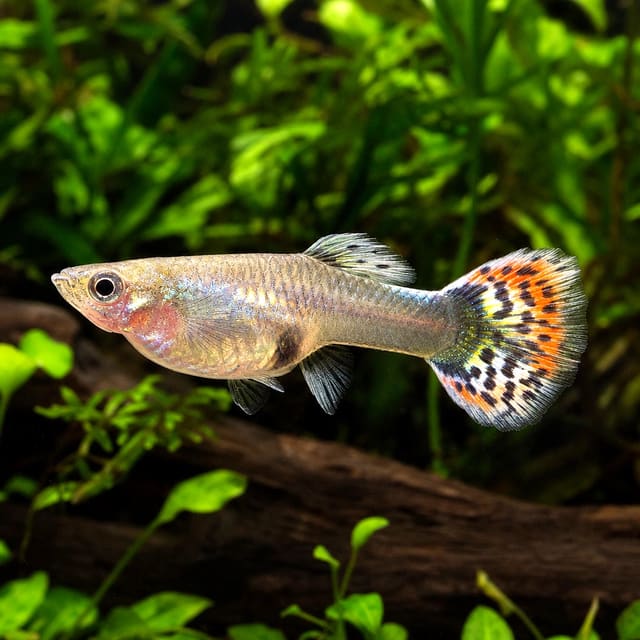
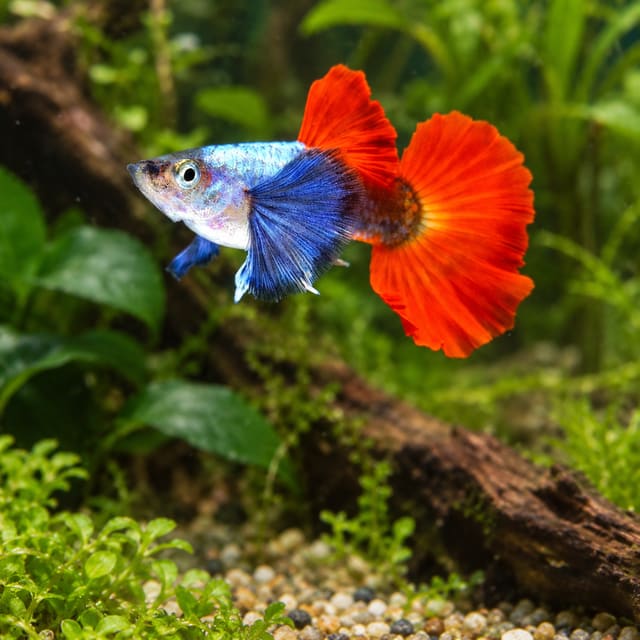
No. The gallery uses a representative aquarium image to show the species type. It is not a photograph of the exact ten fish dispatched and does not guarantee colour, sex, scale or fin development.
Eligible livestock orders are packed for UK live-fish transport and covered by our Live Arrival Guarantee. New customers can use the first-order 10% discount shown in the store journey, subject to its current terms. Browse the wider Mollies collection, compare other livebearers, or return to all freshwater fish before finalising stocking.
Species identity, adult size, native range and water guidance were checked against recognised fish databases and peer-reviewed research. Aquarium-size advice is deliberately conservative for this specific ten-fish pack and should be increased when the existing stock or layout reduces usable swimming space.
No reviews for this item yet. Bought one? Honest reviews only, good or bad.
What customers say about ordering from us
I have a small group of long finned mountain minnows. So was delighted to be able to order ten of this variety to increase the genetics in my tank . The ones I recieved are healthy but it’s to early to give a verdict on wether they are of a long finned type since they are small currently.
Gordon Walker · 23 Sept 2026
100% success travel and "installation". Pleased with quality of purchase. The Siamese fighter a bit "shy" so have not yet seen him at his best yet but looking good. Happy customer. GG
George E Garratt · 21 Sept 2026
Reviews of our shop, collected by Judge.me, an independent third-party review collector. Newest first.