Easy
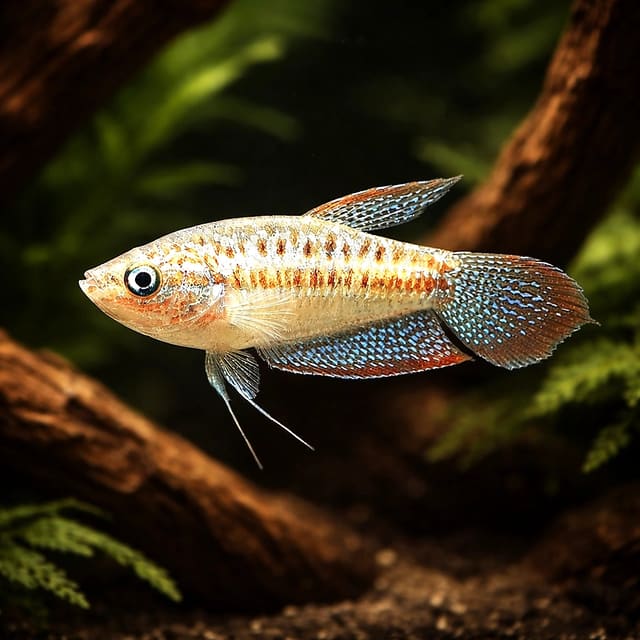
Croaking Gourami (Trichopsis vittata)
22–28°C · pH 6–7.5 · 60L
£5.99

Peaceful Honey Gourami care for mature planted aquariums with gentle flow, floating cover and calm community tank mates.
Adult size is the maximum length this species reaches at full maturity (scientific sources). The livestock you receive will be younger and smaller — pick a size above for the actual shipping size. Product-photo provenance and any image-specific limitations are stated on the listing.
Trichogaster chuna
Save when buying multiple fish. Each quantity is one fish; sex and pair formation are not guaranteed unless the selected variant explicitly states them.
Minimum of 2 per order.
Peaceful Honey Gourami care for mature planted aquariums with gentle flow, floating cover and calm community tank mates.
Adult size is the maximum length this species reaches at full maturity (scientific sources). The livestock you receive will be younger and smaller — pick a size above for the actual shipping size. Product-photo provenance and any image-specific limitations are stated on the listing.
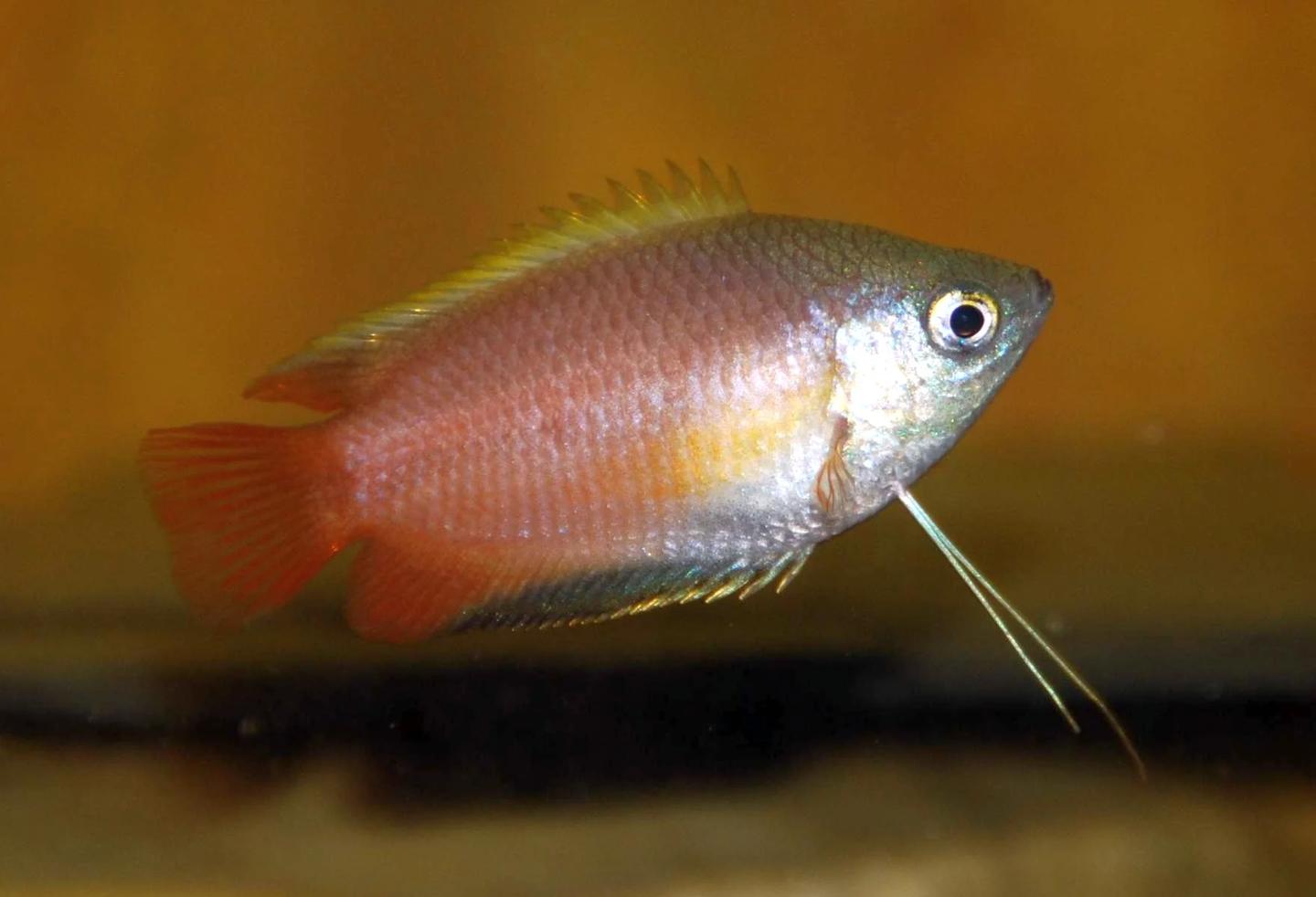
Start with a mature, filtered aquarium at least 60 cm long. Published size records disagree, and broad group guidance is not Honey-Gourami-specific, so verify Trichogaster chuna, the seller's adult-size advice and any claimed sexes before choosing one fish or a group.
Maintain these water conditions for optimal health and vibrant colors
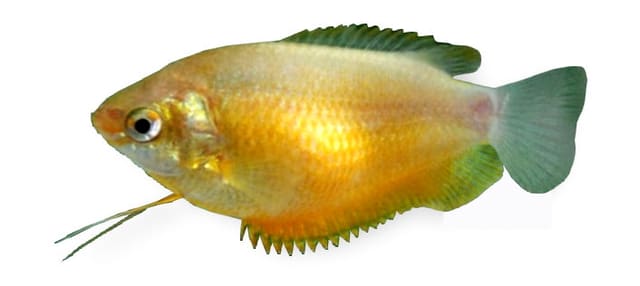
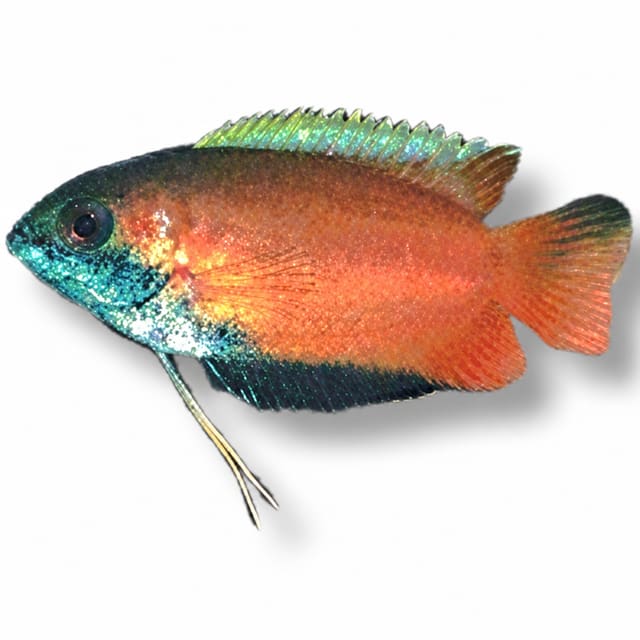
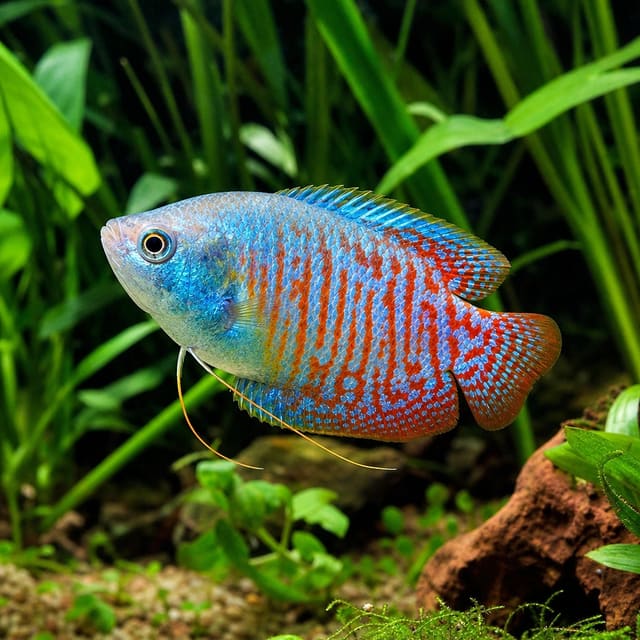
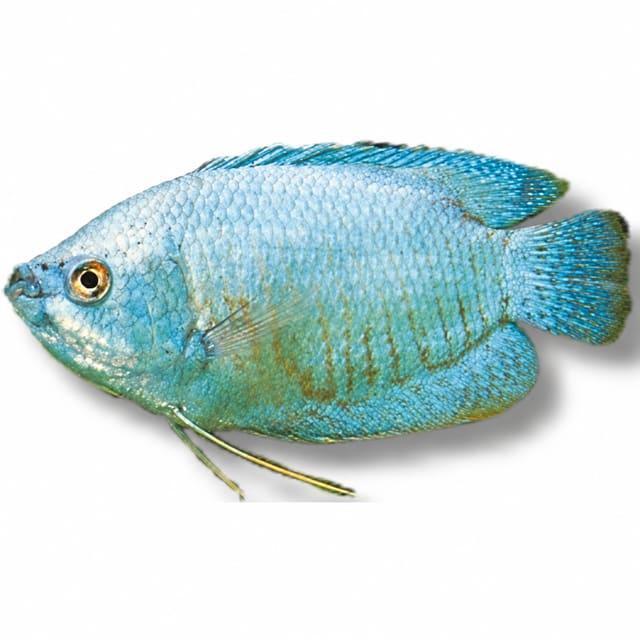
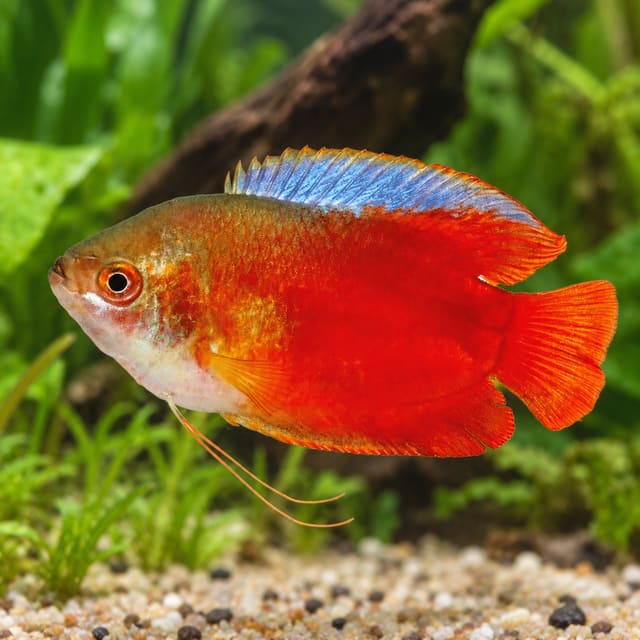
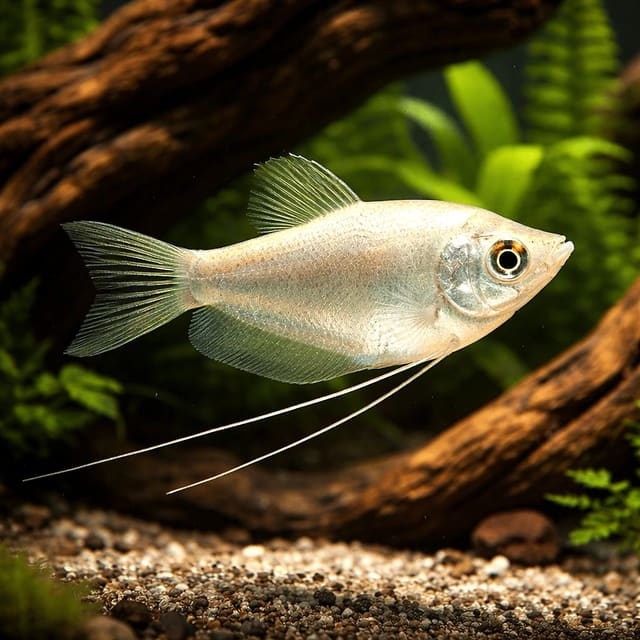
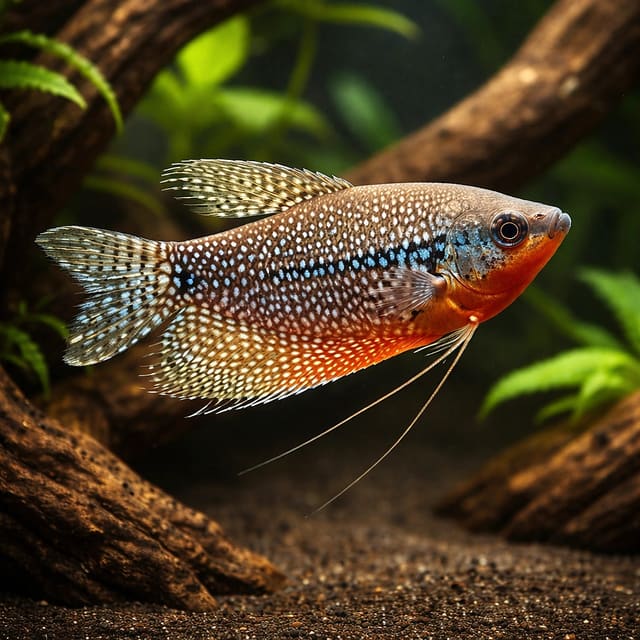
Honey Gourami (Trichogaster chuna) is a peaceful small labyrinth fish for calm planted aquariums. The older scientific name Colisa chuna also refers to this species. Both names are useful when comparing care information, but do not confuse Honey Gourami with the separate Dwarf Gourami species.
| Common names | Honey Gourami, Honey Dwarf Gourami, Sunset Gourami |
|---|---|
| Scientific name | Trichogaster chuna |
| Older scientific name | Colisa chuna |
| Dispatch size choices | 2–3 cm, 3–3.5 cm and XL; check the selector for the available choice. XL is a trade grade, not a stated centimetre range. |
| Adult size | Usually around 5 cm in aquariums; FishBase records larger maximums for the species |
| Minimum aquarium | 60 cm aquarium length is a sensible baseline; 40-60 litres can suit one or a pair when mature and planted |
| Temperature | 22-28 C, with 24-26 C ideal for routine care |
| pH and hardness | Adaptable, usually best around pH 6.0-7.5 and soft to moderate hardness |
| Temperament | Peaceful, shy, surface-aware labyrinth fish |
| Diet | Fine flakes, micro pellets, small frozen foods and occasional live foods |
Honey Gouramis come from slow, vegetation-rich waters such as pools, ditches, ponds, beels, flooded fields and plant-filled river margins. Their labyrinth organ lets them breathe atmospheric air, so the surface must stay accessible. They often patrol the upper and middle levels, resting under floating plants rather than racing across open water.
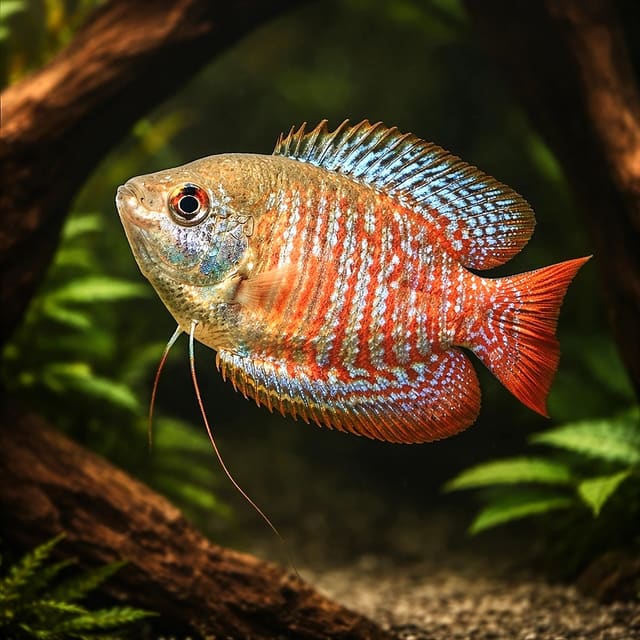
Males can show stronger honey, orange and dark throat colour when settled. Females and young fish are usually softer in colour. Do not judge a new arrival on dispatch-day colour alone; calm water, cover and time are what bring out the best display.
Use a mature aquarium with gentle filtration, warm stable water and plenty of cover. Floating plants such as frogbit, Salvinia or water lettuce are useful because they soften light and create the sheltered surface zone this species likes. Add rooted plants, wood, leaf litter or darker background cover, but leave open pockets for easy feeding and viewing.
A strong blasting current is not ideal. Use a sponge filter or controlled outlet if the fish are being pushed around. Keep the lid secure and the air above the water warm, especially in winter, because labyrinth fish regularly breathe at the surface.
Choose quiet, peaceful companions that will not bully them or outcompete them at feeding time. Small rasboras, peaceful tetras, Corydoras, kuhli loaches and calm shrimp communities can work when the tank is mature and well planted. Avoid aggressive fish, fin nippers, fast boisterous feeders and larger gouramis that may dominate the surface.
Males can become mildly territorial around nests, but they are not rough community bullies. If keeping more than one male, use a larger planted aquarium with broken sight lines so each fish can retreat.
Feed small foods that suit their mouth size. Fine flakes, micro pellets and small granules work well as staples, with frozen or live daphnia, cyclops, brine shrimp, mosquito larvae and small bloodworm used for variety. Offer modest portions once or twice daily and make sure quieter fish actually get food.
A varied diet supports colour and condition. Heavy feeding in a small planted aquarium can quickly spoil water quality, so clean water and small regular meals are better than large portions.
These fish are bubble-nest builders. A settled male may build under floating plants, court a female and guard eggs at the surface. Fry are very small and need tiny first foods, so breeding is best handled in a dedicated mature setup with gentle filtration and stable warm air above the water.
Use the size selector to check the available dispatch grade before ordering. The choices are 2–3 cm, 3–3.5 cm and XL. A size grade is not a guarantee of sex, an established pair or full adult colour.
If you are exploring other labyrinth fish, compare the separate care requirements of Croaking Gourami. This is an alternative to research, not a recommendation to combine gourami species in a small aquarium.
For species identity, habitat and aquarium guidance, see FishBase and Seriously Fish. Further reading includes GBIF, Tropical Fish Hobbyist and established aquarium care guidance.
No reviews for this item yet. Bought one? Honest reviews only, good or bad.
What customers say about ordering from us
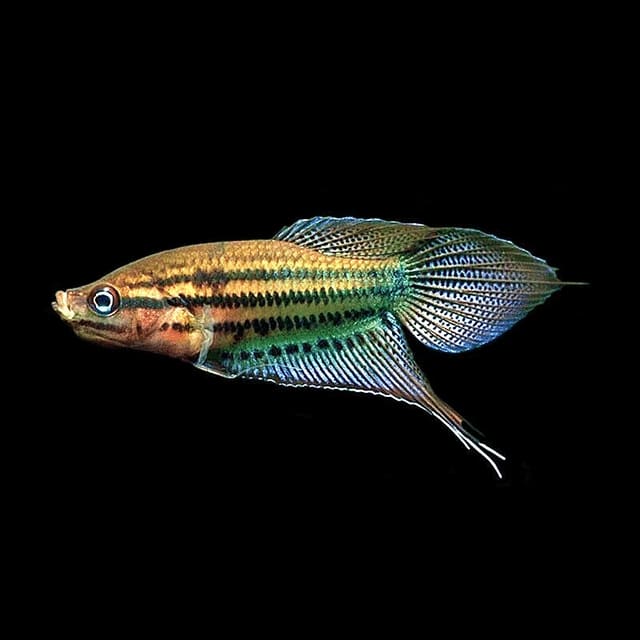
I have a small group of long finned mountain minnows. So was delighted to be able to order ten of this variety to increase the genetics in my tank . The ones I recieved are healthy but it’s to early to give a verdict on wether they are of a long finned type since they are small currently.
Gordon Walker · 23 Sept 2026
100% success travel and "installation". Pleased with quality of purchase. The Siamese fighter a bit "shy" so have not yet seen him at his best yet but looking good. Happy customer. GG
George E Garratt · 21 Sept 2026
Reviews of our shop, collected by Judge.me, an independent third-party review collector. Newest first.