Moderate
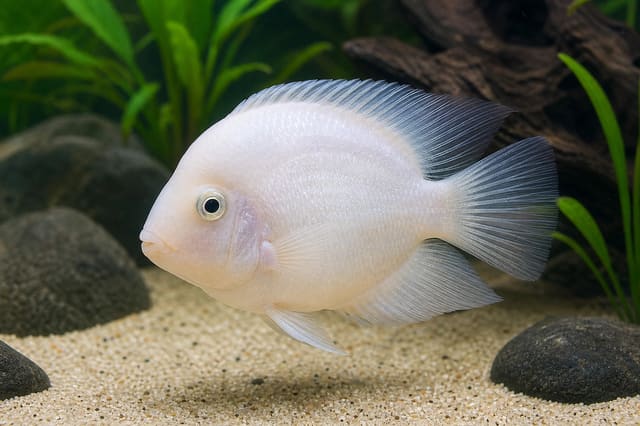
White Parrot Cichlid (Hybrid Trade Form)
24–28°C · pH 6.5–7.5 · 300L
£23.99
A striking, hardy African cichlid with brilliant colour and personality. XL 7cm+ specimen, ideal for experienced keepers.
Adult size is the maximum length this species reaches at full maturity (scientific sources). The livestock you receive will be younger and smaller — pick a size above for the actual shipping size. Product-photo provenance and any image-specific limitations are stated on the listing.
Hemichromis cutteri
Save when buying multiple fish. Each quantity is one fish; sex and pair formation are not guaranteed unless the selected variant explicitly states them.
Confirm your email, then we’ll send an availability message for this exact item if it returns within 180 days.
This request is only for this product—no newsletter or other promotions. A mail-provider retry may very rarely duplicate the same availability message. Unconfirmed addresses are removed after 48 hours. See our privacy policy.
A striking, hardy African cichlid with brilliant colour and personality. XL 7cm+ specimen, ideal for experienced keepers.
Adult size is the maximum length this species reaches at full maturity (scientific sources). The livestock you receive will be younger and smaller — pick a size above for the actual shipping size. Product-photo provenance and any image-specific limitations are stated on the listing.
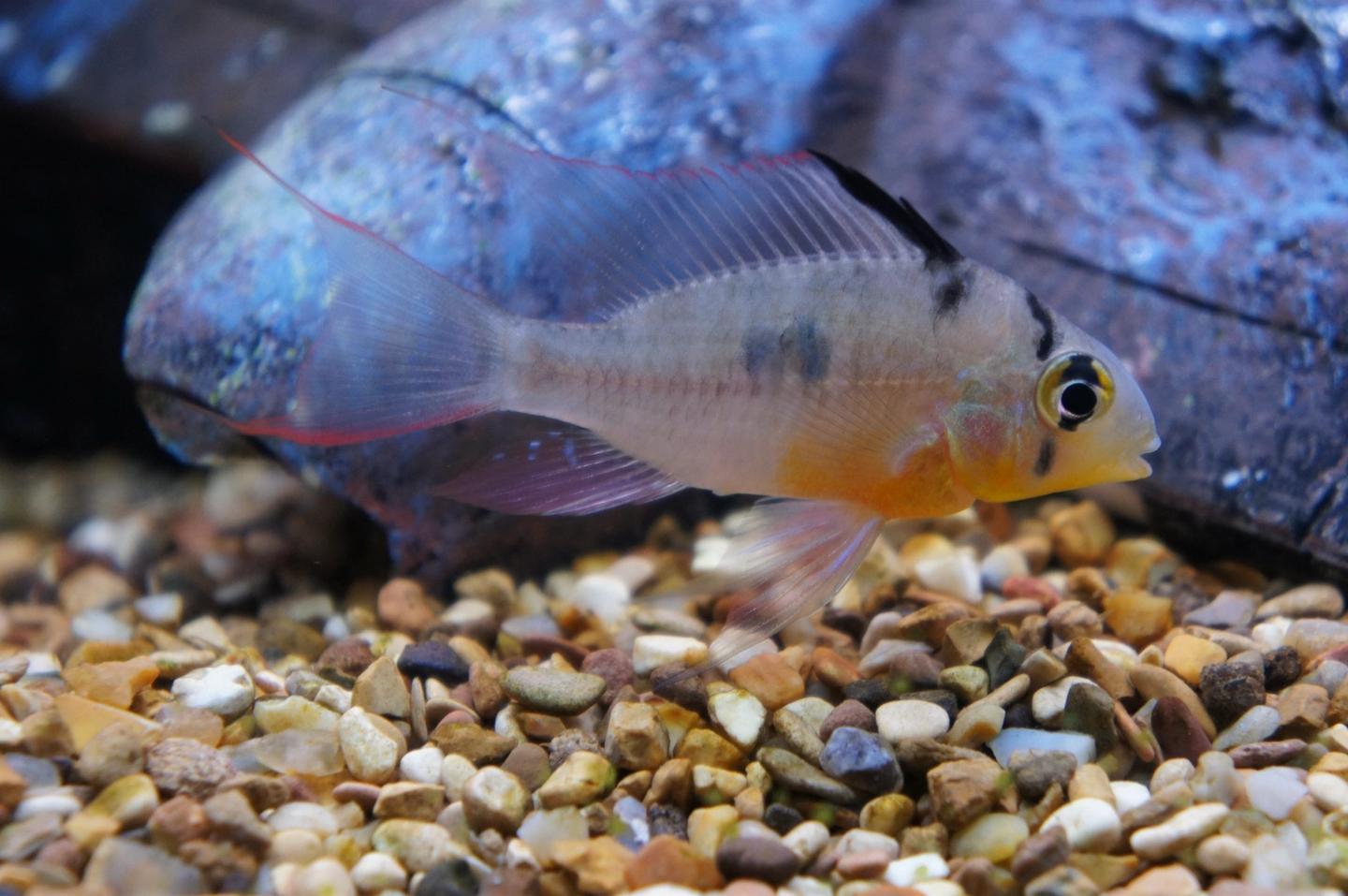
Cichlids are a family of roughly 1,800 accepted species, not one care type. Before buying, identify the exact species and source, then compare adult measurement, usable tank dimensions, social system, territory, tested water, diet and an exit plan. No family-wide minimum tank, water range or tank-mate list is safe.
Maintain these water conditions for optimal health and vibrant colors
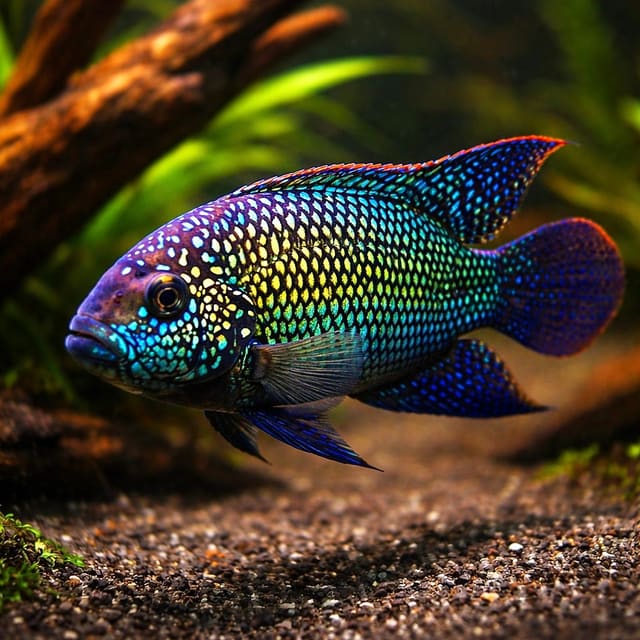
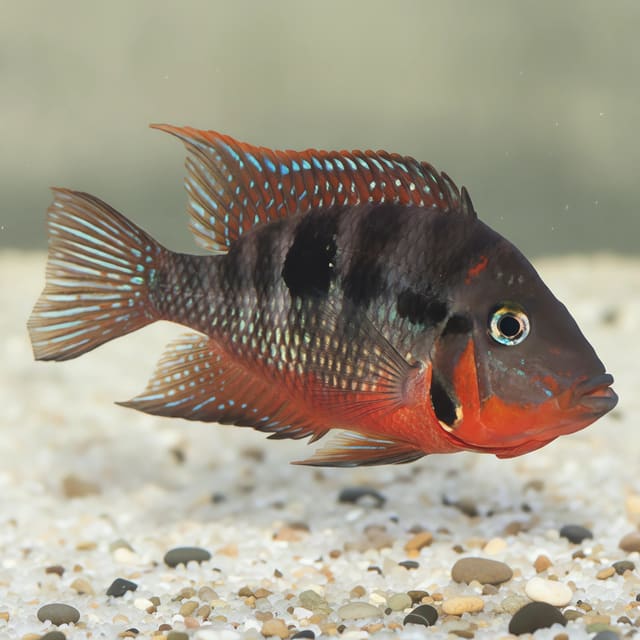
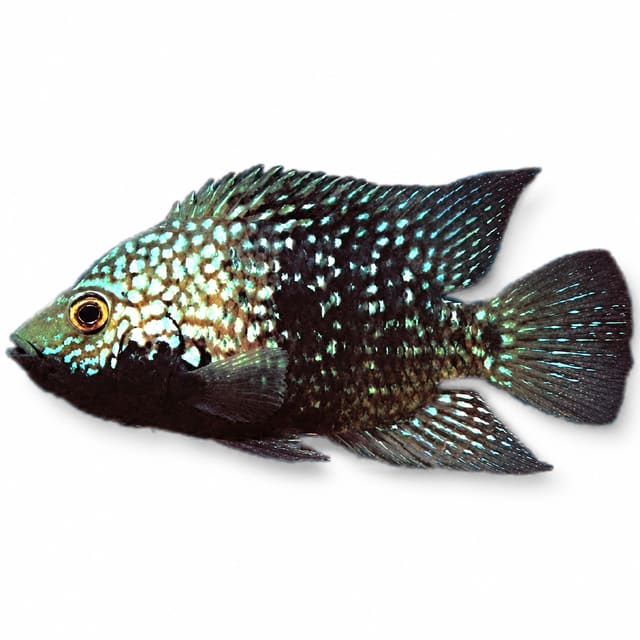
Hemichromis cutteri is a bold, beautifully coloured African cichlid prized for its intense reds, iridescent blues and lively personality. Often sold alongside other Hemichromis species, this fish is a true statement animal for aquarists who enjoy active, characterful cichlids with plenty of presence. The XL size offered here, at 7 cm+, gives you a strong, well-developed fish that is already showing the robust build and colour potential that make this genus so popular.
Although commonly referred to under the broader Cichlasoma / Hemichromis / cutteri trade naming, this fish belongs to the African jewel cichlid group and should be kept with care and planning. It is not a community fish in the usual sense, but in the right setup it can be a rewarding and long-lived aquarium resident. With good water quality, a varied diet and sensible tank mates, it will reward you with confidence, colour and fascinating behaviour.
At Tropical Fish Co, we supply healthy livestock with a live arrival guarantee and fast UK delivery, so your new fish arrives in the best possible condition for acclimation and long-term success.
| Attribute | Details |
|---|---|
| Scientific name | Hemichromis cutteri |
| Common name | Jewel Cichlid / African Jewel Cichlid |
| Care level | Moderate |
| Temperament | Semi-aggressive |
| Adult size | 12–15 cm |
| Minimum tank size | 180 litres for a pair; larger for community-style cichlid setups |
| Temperature | 24–28°C |
| pH | 6.5–7.8 |
| Diet | Omnivore with a strong preference for meaty foods |
| Lifespan | 5–8 years |
| Tank region | Middle |
Hemichromis cutteri is an African cichlid associated with freshwater habitats in West Africa. Like many members of the jewel cichlid group, it is adapted to warm, mineral-rich waters with plenty of structure, such as submerged roots, rocks, leaf litter and marginal vegetation. In nature, these fish use cover to establish territories, forage for small invertebrates and defend breeding sites.
This natural history explains much of their aquarium behaviour. They are intelligent, alert fish that appreciate visual barriers and defined spaces. A bare, open tank can increase stress and territorial disputes, while a well-structured aquascape helps them feel secure and display more natural behaviour. Their vivid colouration is often strongest when they are settled, well fed and kept in stable water conditions.
For a single fish or bonded pair, a tank of 180 litres or more is strongly recommended, with additional space needed if you are keeping them with other robust cichlids. A longer tank is preferable to a tall one, as it allows territories to be established more naturally and reduces direct confrontation. Use a secure lid, as active cichlids can jump when startled.
Decor should prioritise function over fragility. Provide rocks, driftwood, caves, and tough plants or plant substitutes that can tolerate digging and rearranging. Sand or fine gravel is usually best, as these fish may sift and excavate the substrate. Leave open swimming areas, but break up sight lines with hardscape so fish can retreat and avoid constant face-to-face aggression.
Recommended water parameters are:
Stable water quality is essential. Like most cichlids, Hemichromis cutteri is sensitive to poor conditions, especially elevated nitrate and fluctuating temperature. Perform regular partial water changes and avoid overstocking. Because this species can be territorial, it is best introduced to a mature aquarium with established biological filtration and plenty of hiding places.
This species is an opportunistic omnivore with a clear preference for protein-rich foods. In the aquarium, offer a varied diet built around high-quality cichlid pellets or granules, supplemented with frozen and live foods such as bloodworm, mysis, krill, chopped earthworm, daphnia and brine shrimp. Occasional plant matter, spirulina-based foods and vegetable-rich pellets can help balance the diet.
Feed small portions once or twice daily, only as much as the fish will consume in a few minutes. Overfeeding can quickly lead to water quality issues and digestive problems. A varied diet supports colour, growth and breeding condition, and helps maintain the strong body shape for which healthy jewel cichlids are known.
Hemichromis cutteri is best described as semi-aggressive. It can be kept with other fish, but only with careful selection and enough space. Suitable companions are generally robust, similarly sized species that can hold their own without being overly aggressive. In many cases, a species tank or a carefully planned cichlid setup is the safest and most rewarding option.
Good tank mates may include larger, sturdy African cichlids with compatible water requirements, as well as fast, resilient fish that are not easily bullied. Avoid small, delicate, long-finned or slow-moving species, as these are likely to be harassed or injured. During breeding, aggression can increase significantly, so extra caution is needed if keeping pairs.
As with all cichlids, individual temperament varies. Some specimens are relatively manageable, while others become highly territorial. Providing ample space, line-of-sight breaks and multiple shelters is the best way to reduce conflict.
When you order live fish from Tropical Fish Co, you can buy with confidence. We focus on healthy, well-conditioned livestock, careful packing and reliable service, backed by our live arrival guarantee. Our fast UK delivery helps reduce transit stress and gets your fish into its new home as quickly as possible.
We understand that African cichlids need the right start, which is why we prioritise quality stock, clear care information and secure shipping. Whether you are building a dedicated cichlid aquarium or adding a standout specimen to an established setup, Hemichromis cutteri offers colour, personality and rewarding behaviour for the experienced aquarist. With the right environment, this species can become a real centrepiece fish in your collection.
No reviews for this item yet. Bought one? Honest reviews only, good or bad.
What customers say about ordering from us
Easy website plenty of info on fish your buying great to pick a time slot
TRACEY DURRANT · 7 Oct 2026
Got some lovely fish thank you
Kevin Mackie · 7 Oct 2026
Reviews of our shop, collected by Judge.me, an independent third-party review collector. Newest first.