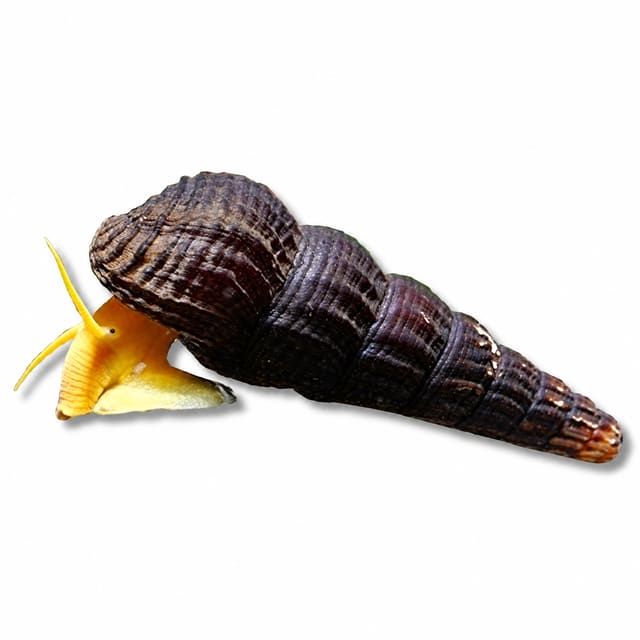
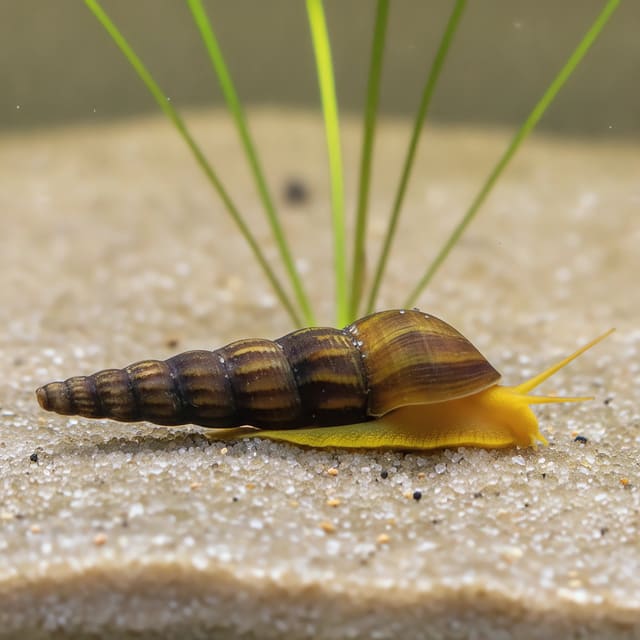
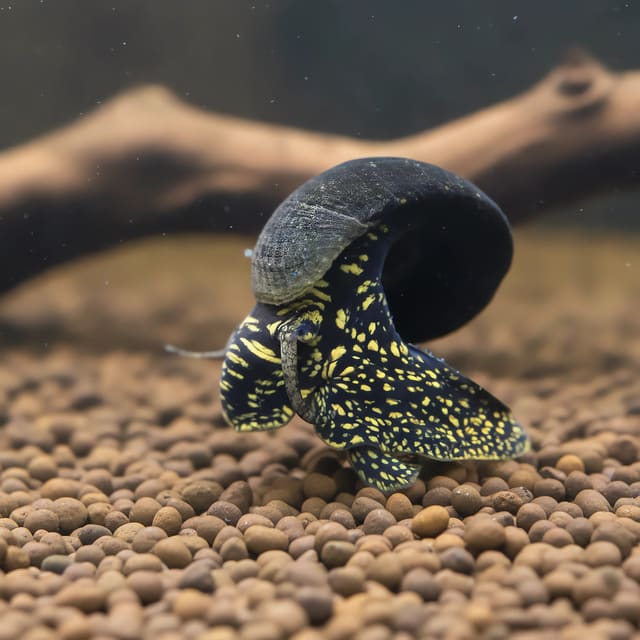
Malaysian Trumpet Snail (Melanoides tuberculata)
17–27°C · pH 6.5–8
£2.99

Batman Clam / Shark Fin Mussel (Hyriopsis bialata), a rare freshwater bivalve for mature specialist aquariums with sand, gentle flow and planned micro-feeding.
Adult size is the maximum length this species reaches at full maturity (scientific sources). The livestock you receive will be younger and smaller. Product-photo provenance and any image-specific limitations are stated on the listing.
Hyriopsis bialata
Confirm your email, then we’ll send an availability message for this exact item if it returns within 180 days.
This request is only for this product—no newsletter or other promotions. A mail-provider retry may very rarely duplicate the same availability message. Unconfirmed addresses are removed after 48 hours. See our privacy policy.
Batman Clam / Shark Fin Mussel (Hyriopsis bialata), a rare freshwater bivalve for mature specialist aquariums with sand, gentle flow and planned micro-feeding.
Adult size is the maximum length this species reaches at full maturity (scientific sources). The livestock you receive will be younger and smaller. Product-photo provenance and any image-specific limitations are stated on the listing.
Maintain these water conditions for optimal health and vibrant colors
Batman Clam, also sold in the aquarium hobby as Shark Fin Mussel or Shark Tooth Clam, is the freshwater bivalve Hyriopsis bialata.
The accepted scientific name is Hyriopsis bialata. Older supplier and hobby sources may still write Hyriopsis bialatus, so that synonym is kept only where it helps recognition. our stock records list this line as Batman clam / Hyriopsis bialata, size 5-7 cm, in the freshwater molluscs category. The source-photo file already recovered for this SKU has been restored to Shopify alongside the existing aquarium scene images, so the page no longer relies on presentation images alone.
This is not a beginner clean-up animal. A Batman Clam can be fascinating in the right tank, but freshwater mussels often fail in aquariums that look clean while lacking suspended food. Success depends on an established aquarium, stable water chemistry, a soft substrate, gentle water movement and regular micro-particle feeding. If you want an unusual freshwater invertebrate and you enjoy careful observation, it can be a very rewarding oddball. If you want something to drop into a new tank to clean algae or waste, choose a different animal.
Hyriopsis bialata is a freshwater mussel in the family Unionidae. GBIF places it in Mollusca, Bivalvia, Unionida, Unionidae and the genus Hyriopsis. That matters for the listing because a bivalve does not behave like a snail, shrimp or algae-eating fish. It has two shell valves, a muscular foot, siphons for filtering water, and a lifestyle based around being partly buried and processing suspended particles.
The dramatic shell profile explains the names Shark Fin Mussel and Shark Tooth Clam. The raised triangular ridge can make the shell look like a fin rising from the substrate. In a calm aquarium it is a subtle display animal: it will not race around the tank or show bright fish colour, but the shell shape, slow movement and filter-feeding behaviour create a very natural oddball feature.
Freshwater mussels are also important animals in wild ecosystems. The U.S. Fish & Wildlife Service describes freshwater mussels as powerful filter feeders that improve water quality in rivers and streams. In the aquarium, that filtering ability is the appeal and the risk. They can remove fine particles from the water, but if the aquarium does not replace those particles with suitable food, the mussel can slowly starve.
Broader taxonomy references place Hyriopsis mussels in Southeast Asia. GBIF records Hyriopsis bialata as a species in Unionidae, while MolluscaBase/WoRMS treat Hyriopsis bialatus as an unaccepted older combination that resolves to Hyriopsis bialata. That is why this page now uses Hyriopsis bialata as the main name.
In nature, unionid mussels live with their shell partly in sediment and their siphons exposed to moving water. They depend on water flow, suspended food and stable chemistry. For a home aquarium, copy the function rather than trying to copy every river detail: mature biological filtration, oxygenated water, fine substrate, steady temperature and a deliberate feeding plan.
Use a mature aquarium. This is the first rule. A newly cycled tank may test safe for fish but still be too sterile for a filter-feeding mussel. Mature planted aquariums, long-running peaceful community tanks and specialist invertebrate systems are better candidates because they usually contain more biofilm, microorganisms and fine suspended matter.
A 60 litre aquarium is the minimum for one specimen, but more water volume gives you a better safety margin. Larger tanks hold temperature, oxygen and water chemistry more steadily, and they provide more floor space for the mussel to settle. A long footprint is more useful than a tall narrow tank because the animal lives on and in the substrate.
Choose sand or very smooth fine gravel. Sharp or coarse gravel can make it difficult for the mussel to anchor and bury naturally. A soft area of substrate lets the shell sit partly buried with the siphon area exposed. Keep decor stable, leave some open substrate, and avoid layouts where heavy rocks can shift if the animal moves underneath them.
Gentle flow is important. Freshwater mussels need water movement to deliver food and oxygen, but blasting the substrate is stressful and can bury or expose the animal unnaturally. Use a mature filter and a calm circulation pattern. If the tank uses very fine mechanical polishing or heavy UV sterilisation all the time, remember that these can remove the same suspended foods the mussel is meant to eat.
Keep the aquarium warm and stable, around 22-28 C. Stability is more important than constantly adjusting the heater. Avoid sudden temperature swings during water changes, and do not place the tank where summer heat or winter cold pushes it outside the safe range.
A practical pH target is 6.5-7.5 with moderate hardness, around 5-15 dGH. Extremely soft acidic water can be harder on shell condition over time, while unstable hard alkaline water is also stressful. The goal is moderate, mineral-supported water with ammonia and nitrite at zero and nitrate kept low by normal maintenance.
Avoid copper-based medications and be cautious with treatments that are not invertebrate-safe. Bivalves, shrimp and snails can be more sensitive to some medications than fish. If a community tank needs treatment, read the label carefully and consider moving the mussel only if you can do so without causing more stress.
Batman Clams are filter feeders. They do not eat fish waste, they do not graze algae from glass like a nerite snail, and they cannot survive long term on leftover flakes that fall to the bottom. Food must be small enough and suspended enough for the mussel to filter from the water column.
Use foods designed for filter-feeding invertebrates: phytoplankton-style liquids, green-water feeds, very fine powdered foods, cultured infusoria-style foods and tiny suspended organic particles. Feed small amounts and watch water quality. The aim is to keep the mussel fed without fouling the aquarium.
A good routine is to feed a small amount near the flow path when the tank is calm, then check how the aquarium responds. Some keepers briefly reduce mechanical filtration while target-feeding filter feeders, but oxygen and circulation must remain safe. Do not turn the tank into cloudy soup. Frequent tiny feeds are safer than large dumps of food.
Starvation is often slow and hard to see. A mussel may look unchanged for weeks while losing condition. Warning signs include repeated wide gaping, no response to gentle shadow or disturbance, failure to reposition, foul smell, or the shell remaining fully open. A dead mussel can pollute a small aquarium quickly, so this animal suits keepers who are willing to check it regularly.
Expect quiet behaviour. A settled Batman Clam may spend long periods partly buried with only slight changes in position. Movement can be slow and mostly overnight. That calm behaviour is normal, but it also means you need a simple monitoring habit. Know where the mussel usually sits, and check that it has not become trapped behind decor or buried in a dead-flow area.
Do not keep it as a hidden animal under deep decor where you cannot inspect it. If it dies unnoticed under the substrate, water quality can deteriorate quickly. A shallow open sand area near gentle flow is better than a crowded hardscape where the mussel disappears completely.
Handle only when needed. If you must move it, support the shell gently and keep it underwater as much as practical. Do not pry the shell open. Place it on the substrate and let it position itself. If it keeps falling or cannot settle, review flow, substrate and tank-mate disturbance.
The best companions are peaceful fish and invertebrates that ignore the substrate. Small rasboras, peaceful tetras, calm livebearers, small algae grazers, Amano Shrimp, Neocaridina shrimp and non-predatory snails can work if water parameters match. Shrimp may pick biofilm from the shell without harming it.
Avoid aggressive fish, shell-pickers, crayfish, crabs, puffers, large cichlids, many loaches, and boisterous bottom diggers. Species that constantly dig or bulldoze the substrate can stress the mussel and interrupt feeding. Fish that nip at siphons or exposed tissue are unsuitable.
Do not buy several mussels for a small tank. Multiple filter feeders compete for the same suspended food. Start with one specimen and learn how the aquarium supports it before considering more. In most home aquariums, one Batman Clam is the responsible choice.
Buy this species if you have a mature aquarium, enjoy unusual invertebrates, and are willing to feed and monitor a specialist filter feeder. It suits careful keepers who like natural behaviour more than bright colour. It can be especially interesting in a peaceful planted tank, a Southeast Asian style display, or a specialist oddball invertebrate setup.
Do not buy it for a new aquarium, a rough community tank, a crayfish tank, a puffer tank, or as a shortcut to clean cloudy water. It is not a waste remover. It is a living bivalve with a narrow care niche. The honest advice makes the page stronger because the right buyer is more likely to succeed and the wrong buyer can choose a hardier animal.
When available, livestock is packed for UK live-animal courier delivery and covered by our Live Arrival Guarantee when the delivery terms are followed. First-time customers can use WELCOME10 where eligible at checkout. Those details are included here for search snippets and buyer confidence, but the main care message remains the same: have a mature, prepared aquarium ready before dispatch day.
Float the sealed bag to match temperature, then slowly mix small amounts of aquarium water over 45-60 minutes. Move the mussel gently onto the prepared substrate and keep the lights low while it settles. Do not bury it completely. Let it choose its final position, and avoid heavy cleaning or major layout changes for the first day.
Never release aquarium mussels, clams, fish, shrimp or plants into ponds, rivers, canals or drains. Even peaceful animals can carry pathogens or create ecological problems outside captivity. If you can no longer keep a Batman Clam, contact an aquatics shop or experienced keeper rather than releasing it.
No reviews for this item yet. Bought one? Honest reviews only, good or bad.
What customers say about ordering from us
I have a small group of long finned mountain minnows. So was delighted to be able to order ten of this variety to increase the genetics in my tank . The ones I recieved are healthy but it’s to early to give a verdict on wether they are of a long finned type since they are small currently.
Gordon Walker · 23 Sept 2026
100% success travel and "installation". Pleased with quality of purchase. The Siamese fighter a bit "shy" so have not yet seen him at his best yet but looking good. Happy customer. GG
George E Garratt · 21 Sept 2026
Reviews of our shop, collected by Judge.me, an independent third-party review collector. Newest first.