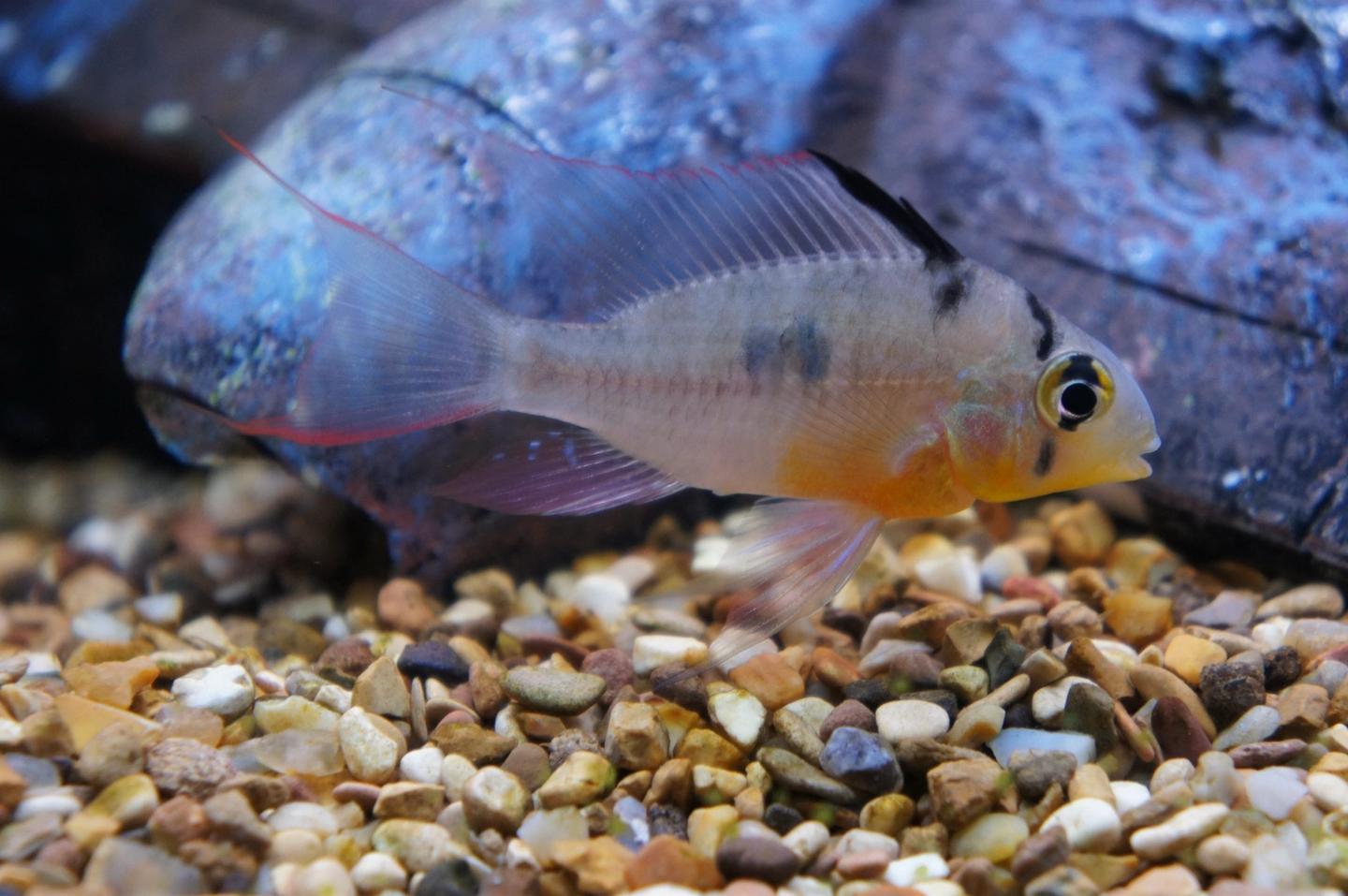
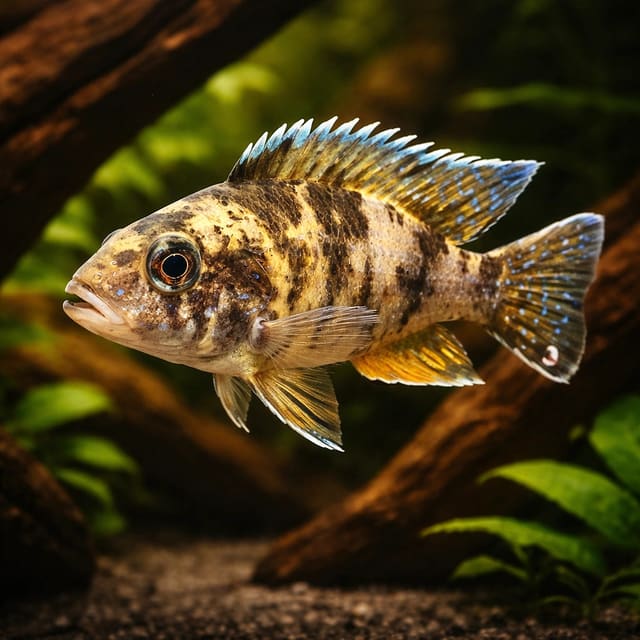
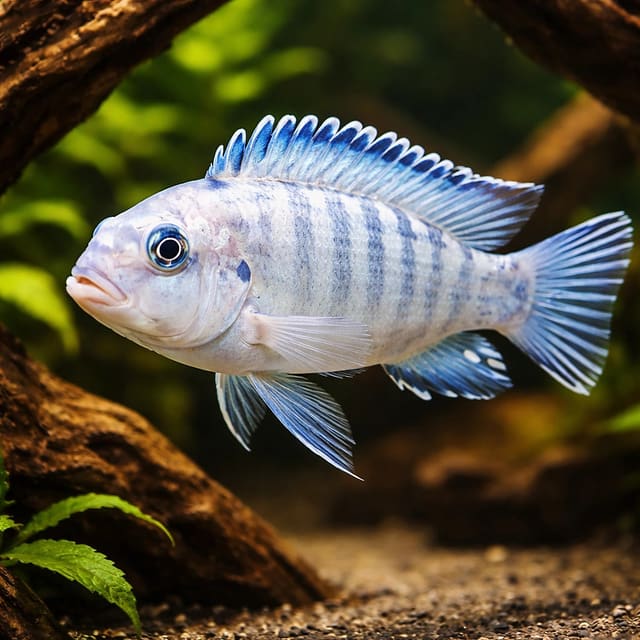
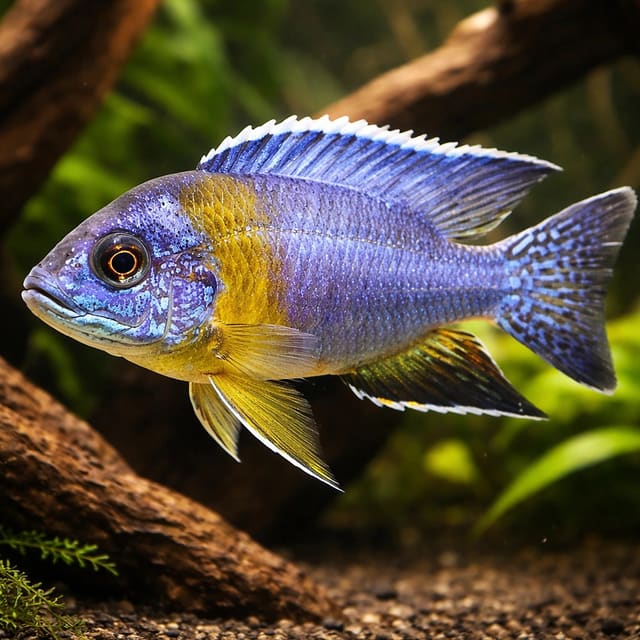
Orange Petrotilapia — tropical fish for sale UK — AI hero driftwood view

Petrotilapia tridentiger

Orange Petrotilapia (Petrotilapia tridentiger) — 4-5cm

Advanced Care
Semi-Aggressive
£15.99In Stock

A striking orange Lake Malawi cichlid that brings bold color and active behavior to a large, hard-water aquarium. Difficult care, semi-aggressive. 25-28C, pH 7.5-8.5.

care:difficultdiet:herbivore / algivorefamily:cichlidaeorigin:africasite:tropical-fish-cosize:mediumtemperament:semi-aggressivetype:freshwater-fish

Care at a Glance

Scientific Name
Petrotilapia tridentiger
Adult Size
15 cm
Lifespan
8 years
Care Level
Difficult
Temperament
Semi-aggressive
Temperature
25–28°C
pH Range
7.5–8.5
Hardness
10–30 dGH
Minimum Tank
400L
Diet
Herbivore / algivore

Water Parameters

Maintain these water conditions for optimal health and vibrant colors

Temperature
25–28°C
25°CIdeal Range28°C
pH Level
7.5–8.5
7.5Ideal Range8.5
Water Hardness
10–30 dGH
10 dGHIdeal Range30 dGH

Overview

The Petrotilapia tridentiger, commonly known as the Blue Petrotilapia or Lavender Petrotilapia, is a stunning Lake Malawi mbuna reaching 17 cm and requiring difficult-level care including a substantial minimum 300-litre aquarium and strict herbivorous nutrition. With semi-aggressive temperament and displaying shimmering blue-lavender coloration when properly maintained, this specialized grazer suits experienced Malawi keepers ready to provide hard, alkaline water and carefully managed communities. Endemic to Lake Malawi's shallow rocky shoreline habitats, this species thrives when offered appropriate herbivorous diet and extensive rocky structure. Available for sale UK from Tropical Fish Co, this malawi cichlid delivers spectacular coloration and authentic mbuna behavior for dedicated African cichlid enthusiasts willing to provide the exacting care this beautiful but challenging species demands.

Appearance

Petrotilapia tridentiger displays spectacular coloration that justifies both "Blue" and "Lavender" common names, with dominant males showing shimmering blue to blue-lavender coloration across the body that creates ethereal, iridescent beauty. The intensity and specific hue vary among individuals and collection localities, ranging from electric blue to softer lavender tones. Females display more subdued coloration, typically showing grey-brown tones with hints of the males' blue iridescence. The substantial 17 cm adult size creates commanding presence among mbuna, with robust proportions reflecting the species' grazing lifestyle. The scientific name "tridentiger" references three-pointed teeth specialized for grazing biofilm from rocks. Breeding males intensify coloration dramatically during territorial displays and courtship, creating some of Lake Malawi's most spectacularly colored mbuna when maintained in optimal conditions with proper herbivorous nutrition and hard alkaline water.

Natural Habitat

Endemic to Lake Malawi, Petrotilapia tridentiger inhabits shallow rocky shoreline habitats where it grazes biofilm (aufwuchs) comprising algae, cyanobacteria, and associated micro-invertebrates from rock surfaces using specialized dentition. The lake's famous stability—pH 7.8-8.6, very hard water, exceptional clarity, and consistent warmth at 24-28°C—has driven extraordinary cichlid diversity. This species occupies shallow wave-swept zones where constant water movement maintains high oxygen levels and pristine conditions, creating one of the most dynamic mbuna habitats. The substantial adult size means Petrotilapia can defend substantial grazing territories against competitors, accessing prime rock surfaces through size-based dominance. The specialized grazing lifestyle and sensitivity to diet-related health issues reflect evolution in nutrient-poor waters where herbivorous species must process enormous quantities of low-nutrition biofilm to meet nutritional needs.

Water Parameters

  • Temperature: 24-28°C
  • pH: 7.8-8.6
  • Minimum Tank Size: 300 litres
  • Hardness: Very hard, alkaline water; excellent oxygenation essential

Aquarium Setup

A substantial minimum 300-litre aquarium is essential for adult Petrotilapia tridentiger, with even larger volumes (400-500+ litres) strongly preferred for mixed mbuna communities housing this substantial 17 cm species with appropriate tankmates. Create extensive Lake Malawi rocky biotope using rocks stacked to form countless territories, caves, and most importantly countless grazing surfaces—this specialized grazer requires abundant rock surface area for natural feeding behavior. Provide significantly more territories than the number of males to distribute the semi-aggressive behavior. A sandy substrate mimics natural environment. Avoid plants entirely as they're inconsistent with authentic Malawi rocky biotopes. Install extremely powerful filtration providing 10-12x tank volume turnover per hour minimum to maintain the pristine, highly oxygenated water this demanding species requires, with strong water movement replicating the wave-swept shallow zones the species inhabits. Excellent oxygenation through surface agitation or supplemental aeration is essential—this species evolved in highly oxygenated shallow waters and requires exceptional water quality.

Water Parameters

Maintaining very hard, highly alkaline water with exceptional oxygenation replicating Lake Malawi's shallow rocky zones is absolutely non-negotiable for this difficult species. Target pH between 7.8-8.6 using substantial calcium-rich buffering substrates such as coral sand or aragonite, preventing any pH drops that severely stress herbivorous mbuna. Water hardness must be very high (15-25 dGH), achieved through naturally hard tap water or aggressive remineralization of RO water. Temperature should remain stable within 24-28°C. Conduct twice-weekly water changes of 40% minimum to maintain the pristine conditions herbivorous grazers require, keeping nitrates below 30 mg/L (lower than typical 40 mg/L maximum), with ammonia and nitrite always at 0 ppm. This difficult-rating species shows exceptional sensitivity to declining water quality and organic accumulation, requiring maintenance schedules exceeding typical mbuna standards. Excellent oxygenation is critical—use powerful surface agitation or supplemental aeration ensuring dissolved oxygen remains at maximum levels.

Feeding

Petrotilapia tridentiger is a specialized herbivore requiring strict vegetable-based nutrition with absolutely no high-animal-protein diets which cause severe digestive issues and bloat. Offer high-quality spirulina- and vegetable-based cichlid foods formulated specifically for herbivorous mbuna as the absolute staple, along with algae wafers and blanched vegetables including spinach, zucchini, and cucumber. Feed multiple small portions (4-6 times daily) rather than large infrequent meals, replicating the continuous grazing behavior observed in wild populations. Strictly avoid protein-rich foods like bloodworms, beef heart, or high-protein pellets—they're completely inappropriate and dramatically increase bloat risk that frequently proves fatal in herbivorous mbuna. Encourage natural algae growth on rocks through moderate lighting, providing authentic grazing surfaces. Conservative feeding with purely vegetable-based nutrition is absolutely critical—this difficult species is exceptionally susceptible to diet-related health problems, particularly Malawi bloat, making proper nutrition non-negotiable for long-term survival.

Expert Tip: Petrotilapia species including tridentiger are among Lake Malawi's most bloat-susceptible mbuna. Prevention is absolutely critical: feed ONLY spirulina-based foods, offer frequent small meals rather than large feedings, maintain exceptional water quality through aggressive filtration and frequent water changes, and minimize all stress. At the first sign of bloat, immediately isolate the fish, cease feeding entirely, and treat with appropriate medications—early intervention dramatically improves survival chances.

Behaviour

Petrotilapia tridentiger exhibits pronounced territorial behavior characteristic of larger herbivorous mbuna, with males establishing and vigorously defending substantial grazing territories centered on preferred rock formations. Aggression levels are semi-aggressive—moderate compared to the most belligerent mbuna but still requiring careful management through proper stocking and extensive territory structure. The species spends the vast majority of time grazing biofilm from rock surfaces, creating constant activity that's fascinating to observe. Dominant males display their most spectacular blue-lavender coloration while defending territories and courting females. Males may engage in regular territorial disputes as individuals test boundaries and assert dominance. Intraspecific aggression is typically most intense, so careful attention to male-to-female ratios and territory availability is essential. Despite moderate aggression rating, the substantial 17 cm size means conflicts can cause injury—provide ample space and territories to minimize serious confrontations.

Tank Mates

Compatible tankmates are restricted to other robust Lake Malawi cichlids of similar size and temperament capable of defending themselves against this substantial mbuna. Other large herbivorous mbuna with similar dietary requirements work best, avoiding species requiring different nutrition that complicates feeding management. Large, non-aggressive Malawi catfish or bottom dwellers occupying different niches can work in sufficiently spacious aquariums. Completely avoid small community fish that will be harassed or injured, slow-moving or long-finned fish, highly aggressive species that will dominate the tank creating constant conflict, soft-water fish—complete incompatibility, and delicate invertebrates. Best kept with similarly sized robust mbuna in truly spacious aquariums (400+ litres) with extensive territory structure. The difficult care rating and bloat susceptibility mean stress from aggressive tankmates dramatically increases health risks—tankmate selection and community management are critical for long-term success with this challenging but spectacular species.

Breeding

Petrotilapia tridentiger is a maternal mouthbrooder following typical mbuna reproductive patterns. Males display and defend territories over rocky areas, displaying spectacular coloration to attract receptive females into spawning sites. Provide stable hard alkaline water chemistry maintained in pristine condition, extensive rockwork creating countless territories, and a ratio with multiple females per male to distribute male attention and reduce stress on individual females. After spawning, females collect fertilized eggs in their mouths where they incubate for approximately 3-4 weeks without feeding. Remove fry or protect them if breeding in community setups, as juveniles face predation from all adult mbuna. Released fry can accept crushed spirulina-based foods and newly hatched brine shrimp (offered sparingly), growing rapidly with frequent small feedings of strictly herbivorous nutrition. Raising fry requires the same strict herbivorous diet and exceptional water quality demanded by adults—improper nutrition during growth causes developmental problems and increased bloat susceptibility throughout life.

Why Buy from Tropical Fish Co

Tropical Fish Co specializes in malawi cichlid species, offering exceptional quality Petrotilapia tridentiger for experienced aquarists seeking Lake Malawi's most spectacularly colored but challenging mbuna. Our fish arrive meticulously acclimatized and health-guaranteed, backed by honest, comprehensive guidance about this species' difficult care rating, exceptional bloat susceptibility, and strict herbivorous requirements. We provide detailed advice on creating appropriate large mbuna communities, maintaining the pristine water quality this species demands, and feeding strategies that minimize bloat risk while ensuring proper nutrition. With decades of combined experience keeping Lake Malawi's most challenging herbivorous mbuna, we ensure you understand both the substantial rewards and significant challenges before committing. Order your Blue Petrotilapia from the UK's premier source for exotic fish for sale uk and experience one of Lake Malawi's most spectacularly colored mbuna—provided you have the expertise and dedication this beautiful but demanding species requires.

Premium Quality

Healthy, vibrant fish from trusted suppliers

Expert Care

Detailed care guides and support

Live Arrival Guarantee

Your fish arrives healthy or we'll replace it

Acclimated

Properly quarantined and ready for your tank