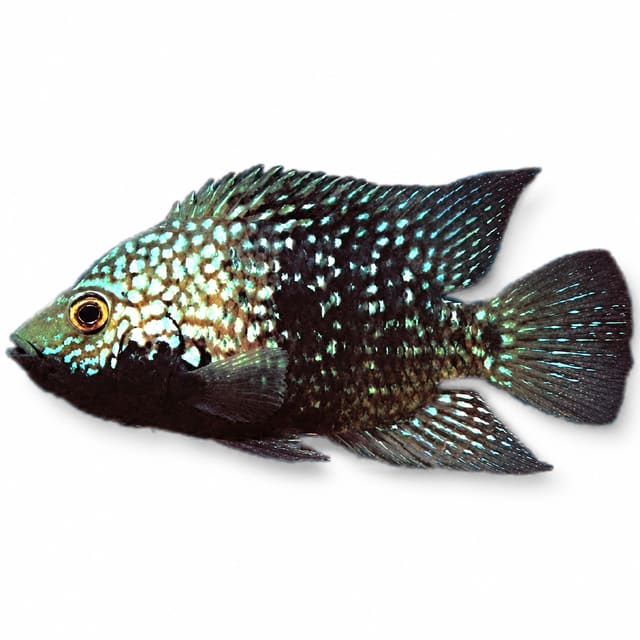
Pearlscale Texas Cichlid (Herichthys carpintis)
24–26°C · pH 7–8
£9.99

Red supplier strain of Geophagus brasiliensis for spacious sand-bottom aquariums, with adult-size planning, natural eartheater care and live size options.
Geophagus brasiliensis sp. red
Save when buying more.
Confirm your email, then we’ll send an availability message for this exact item if it returns within 180 days.
This request is only for this product—no newsletter or other promotions. A mail-provider retry may very rarely duplicate the same availability message. Unconfirmed addresses are removed after 48 hours. See our privacy policy.
Red supplier strain of Geophagus brasiliensis for spacious sand-bottom aquariums, with adult-size planning, natural eartheater care and live size options.
Maintain these water conditions for optimal health and vibrant colors
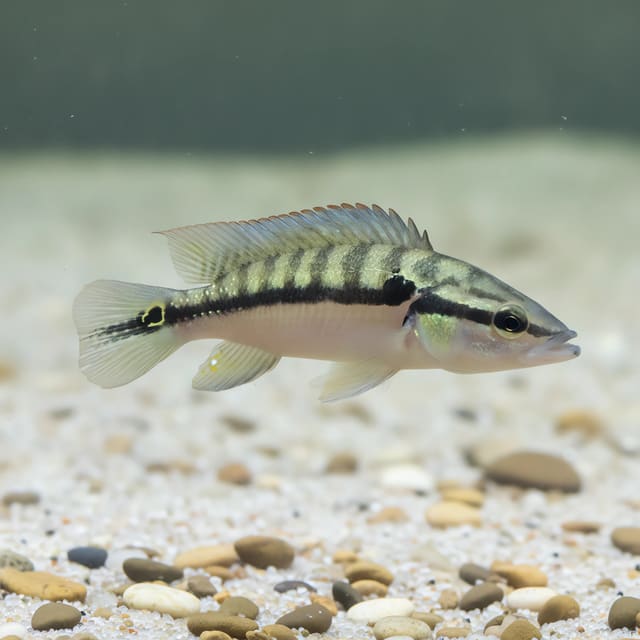
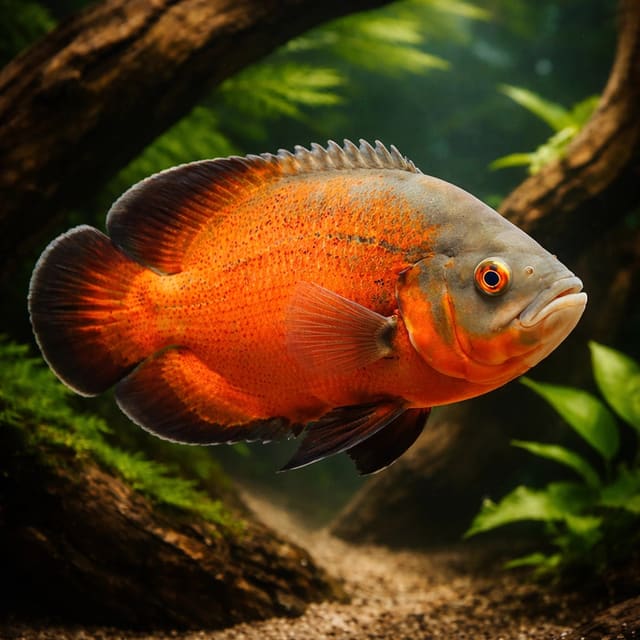
The Red Pearl Eartheater is the red trade strain of Geophagus brasiliensis, listed in the trade as Geophagus brasiliensis sp. red. It has the familiar Pearl Eartheater shape, pearled body pattern and dark flank spot, but with stronger warm orange-red body colour in the source photo. This page keeps the trade strain name for traceability while grounding the care advice in the established Geophagus brasiliensis profile.
This is a large South American eartheater cichlid, not a small community fish. The 0414 parent product includes three live size options: 4-5 cm, 5-6 cm and > 8 cm. Use the size selector or stock alerts for current availability before planning an order.
The main care point is space. FishBase lists G. brasiliensis up to 28 cm total length, and Fishipedia gives a practical average around 25 cm. Juveniles can look compact in shop photos, but adults need a broad footprint, strong filtration and enough territory to dig and display without pushing every tankmate into a corner.
Build the aquarium around open floor space and smooth sand. Pearl eartheaters browse the lower level, dig, sift and move fine substrate as part of normal behaviour. Coarse or sharp gravel can damage the mouth and gill area, so use sand or very fine rounded substrate in the main feeding area.
Use driftwood, smooth stones and larger visual breaks to divide the footprint. Secure hardscape properly because a digging cichlid can undermine loose decor. Rooted plants may be lifted, so attach hardy plants such as Anubias or Java fern to wood and rock, or protect robust rooted plants in areas the fish cannot easily excavate.
Filtration should be sized for a large cichlid that eats well and stirs the bottom. Use strong biological filtration, mechanical polishing for suspended fine particles and regular water changes. Stable clean water matters more than chasing a single exact pH number.
Feed a varied sinking diet. Good staples include quality cichlid granules, soft sinking pellets, krill-based foods and bottom-feeding tablets that reach the substrate. Rotate frozen foods such as bloodworm, mysis, brine shrimp and daphnia, then add some plant-rich foods such as spirulina or blanched greens so the diet is not too rich.
Because this fish eats near the bottom, avoid tankmates that take every meal at the surface before food sinks. Smaller feeds that reach the sand are usually better than one heavy feed. A healthy juvenile should look active and full-bodied without becoming heavy around the belly.
Red Pearl Eartheaters work best with robust, calm fish that are too large to be swallowed and not aggressive enough to dominate the aquarium. Suitable choices can include larger peaceful tetras, silver dollars in big tanks, suitable plecos, peaceful Severum-type cichlids and other eartheaters where the aquarium is large enough.
Avoid tiny tetras, shrimp, delicate bottom dwellers, fin nippers and very aggressive Central American cichlids. Groups can look impressive, but they need space. In cramped tanks one fish may become dominant, especially around spawning sites.
This red strain is best chosen by aquarists who already have a large mature aquarium or a clear upgrade plan. Quarantine new arrivals, keep the lights low on the first day, and offer small sinking foods once the fish is settled. The warm red colour will show best in clean water, natural decor and a calm stocking plan.
For a close comparison, see the standard Pearl Eartheater. If you are comparing larger Geophagus-type fish, also review Surinam Geophagus and Geophagus sp. Pindare before choosing.
No reviews for this item yet. Bought one? Honest reviews only, good or bad.
What customers say about ordering from us
I have a small group of long finned mountain minnows. So was delighted to be able to order ten of this variety to increase the genetics in my tank . The ones I recieved are healthy but it’s to early to give a verdict on wether they are of a long finned type since they are small currently.
Gordon Walker · 23 Sept 2026
100% success travel and "installation". Pleased with quality of purchase. The Siamese fighter a bit "shy" so have not yet seen him at his best yet but looking good. Happy customer. GG
George E Garratt · 21 Sept 2026
Reviews of our shop, collected by Judge.me, an independent third-party review collector. Newest first.