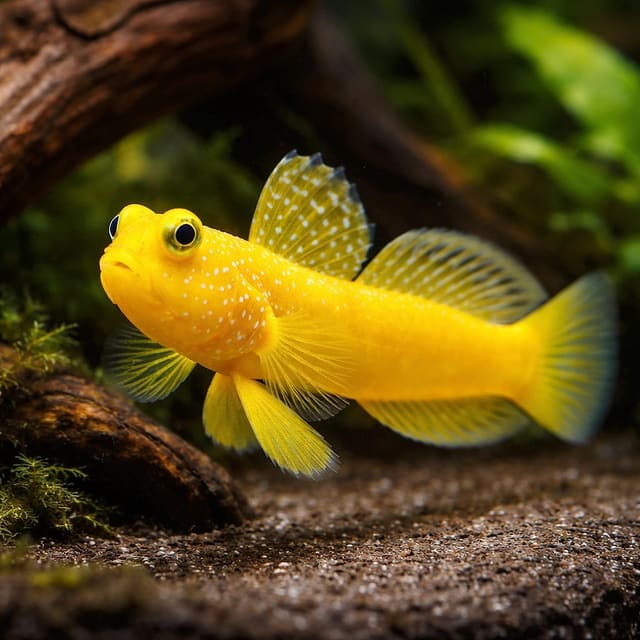
Yellow prawn-goby (Cryptocentrus cinctus) - Marine Aquarium Livestock UK
24–26°C · pH 7.9–8.3
£57.99

Bicolor blenny (Ecsenius bicolor) from our Ecsenius range. Check care, compatibility and delivery details before ordering.
Ecsenius bicolor
Confirm your email, then we’ll send an availability message for this exact item if it returns within 180 days.
This request is only for this product—no newsletter or other promotions. A mail-provider retry may very rarely duplicate the same availability message. Unconfirmed addresses are removed after 48 hours. See our privacy policy.
Bicolor blenny (Ecsenius bicolor) from our Ecsenius range. Check care, compatibility and delivery details before ordering.
The Bicolor Blenny (Ecsenius bicolor) is a compact marine blenny with a classic two-tone pattern: a dark front half, a yellow to orange rear half, and the alert, perched expression that makes rock-dwelling blennies so likeable.
This is a saltwater species for a mature marine aquarium rather than a newly mixed setup. It does best where the rockwork is already biologically active, with natural films of algae to graze between feeds and plenty of holes or ledges to claim as resting spots. In the right reef or fish-only marine system it becomes a visible, characterful grazer that darts out to inspect food, perches on rock, and spends much of the day browsing surfaces.
| Scientific name | Ecsenius bicolor |
|---|---|
| Common name | Bicolor Blenny |
| Adult size | About 10-11 cm |
| Aquarium type | Mature marine aquarium with live rock |
| Care level | Moderate beginner to intermediate marine care |
| Temperament | Generally peaceful, territorial with similar blennies |
| Diet | Algae-rich omnivore; vegetable matter is important |
| Reef suitability | Usually reef compatible, with caution around fleshy corals and clam mantles |
Plan the Bicolor Blenny around rockwork, stability, and grazing opportunities. A mature tank from roughly 110 litres upward is a sensible starting point for a single individual, although total stocking, swimming room, filtration, and territorial layout matter more than the litre number on its own. Build a stable aquascape with caves, narrow bolt-holes, and open ledges so the fish can perch and retreat without being forced into open water all day.
Keep marine parameters steady rather than chasing numbers. Aim for typical reef or marine fish conditions: 24-26C, specific gravity around 1.023-1.026, pH 8.1-8.4, and low waste levels. The species is hardy once settled, but it is still a marine livestock animal; sudden salinity swings, immature filtration, aggressive tank mates, or a bare tank with no grazing surfaces can undo that hardiness quickly.
A healthy Bicolor Blenny should be offered an algae-rich diet. Natural grazing on live rock is useful, but it should not be the only food source in a clean modern aquarium. Rotate marine algae sheets, spirulina-based flakes or pellets, and small frozen foods so it receives both plant matter and protein. If the tank has very little algae, feed vegetable foods more deliberately and watch the body line behind the head so it does not become pinched.
Feed modest portions and let the fish settle into a routine. Many individuals learn prepared foods quickly, but newly arrived blennies may spend the first day investigating their new territory before feeding confidently. Low lighting, calm tank mates, and established hiding places help the fish start grazing and accepting food without being chased.
This species is usually peaceful with unrelated community marine fish, but it is not a schooling fish and it does not want to share a small territory with another similar blenny. Avoid mixing it with close lookalikes, other algae blennies, or pushy rock-perching fish unless the aquarium is large enough to give each fish a clear area. Good companions are calm marine fish that will not bully it away from food or trap it in the rockwork.
For reef aquariums, the honest advice is "usually suitable, not guaranteed harmless". Most Bicolor Blennies graze rock and film algae, but hungry or territorial individuals may nip at fleshy LPS corals, SPS polyps, or clam mantles. Keeping the fish well fed with algae-based foods, giving it enough rock to browse, and avoiding overcrowding all reduce that risk. A covered aquarium is also wise, as startled blennies can jump.
Before delivery, check salinity, temperature, ammonia, nitrite, nitrate trend, and compatibility with existing livestock. On arrival, keep the lights low, temperature-acclimate the sealed bag, and then acclimate gradually to your aquarium salinity. Add the fish with minimal chasing or net damage, and give it quiet time to find a shelter. Avoid heavy feeding on the first day; the first week is for steady observation, careful feeding, and keeping stress low.
Livestock orders are packed carefully for transport and sent by UK live-animal courier where the service is available. The Tropical Fish Co Live Arrival Guarantee applies when the delivery and acclimation terms are followed, and first-time customers can use WELCOME10 where eligible. Those trust signals help customers understand how the animal is protected in transit.
Choose the Bicolor Blenny if you want a small marine fish with personality, useful grazing behaviour, and a strong colour contrast that still feels natural in a reefscape. It is not a decorative impulse buy for a new tank; it is best for an aquarist who can provide mature live rock, stable water, and a diet that respects its grazing biology. When those needs are met, it can become one of the most engaging small fish in the aquarium.
No reviews for this item yet. Bought one? Honest reviews only, good or bad.
What customers say about ordering from us
I have a small group of long finned mountain minnows. So was delighted to be able to order ten of this variety to increase the genetics in my tank . The ones I recieved are healthy but it’s to early to give a verdict on wether they are of a long finned type since they are small currently.
Gordon Walker · 23 Sept 2026
100% success travel and "installation". Pleased with quality of purchase. The Siamese fighter a bit "shy" so have not yet seen him at his best yet but looking good. Happy customer. GG
George E Garratt · 21 Sept 2026
Reviews of our shop, collected by Judge.me, an independent third-party review collector. Newest first.