−10%
Moderate
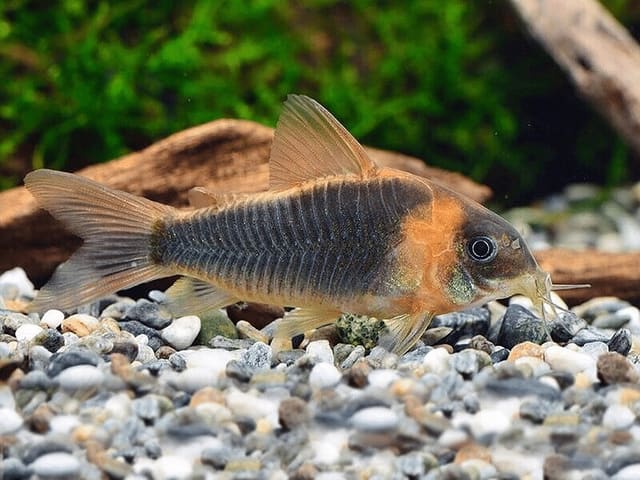
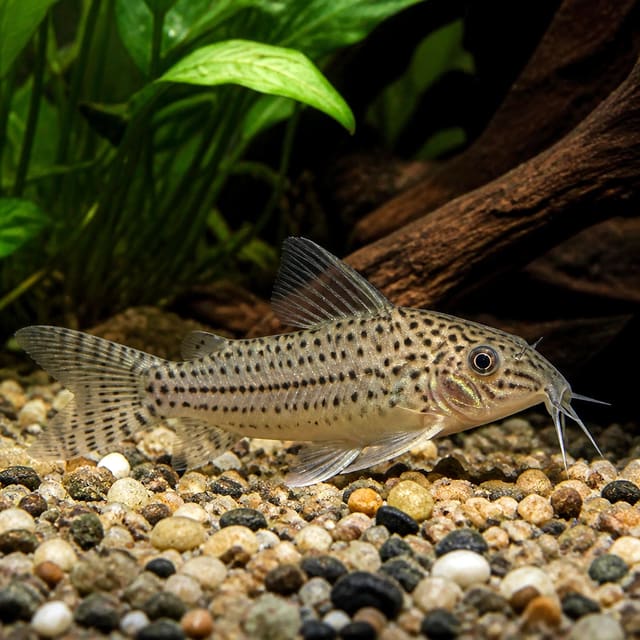
Aspidoras spilotus
20–25°C · pH 6–7.5 · 54L
£14.39£15.99
A tiny peaceful Parotocinclus catfish for mature, well-oxygenated planted aquariums with established biofilm, gentle tank mates and careful feeding.
Adult size is the maximum length this species reaches at full maturity (scientific sources). The livestock you receive will be younger and smaller. Product-photo provenance and any image-specific limitations are stated on the listing.
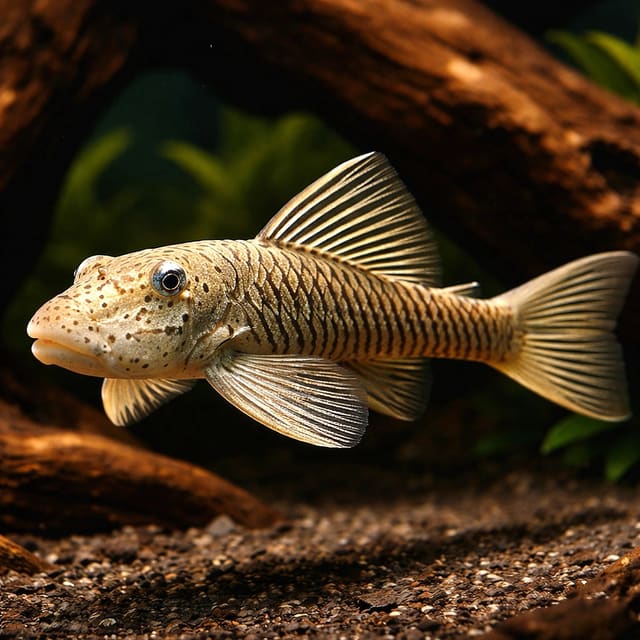
Parotocinclus spilurus
Shoaling fish: kept in a group they feel safer, stay calmer and show their best colour.
Confirm your email, then we’ll send an availability message for this exact item if it returns within 180 days.
This request is only for this product—no newsletter or other promotions. A mail-provider retry may very rarely duplicate the same availability message. Unconfirmed addresses are removed after 48 hours. See our privacy policy.
A tiny peaceful Parotocinclus catfish for mature, well-oxygenated planted aquariums with established biofilm, gentle tank mates and careful feeding.
Adult size is the maximum length this species reaches at full maturity (scientific sources). The livestock you receive will be younger and smaller. Product-photo provenance and any image-specific limitations are stated on the listing.
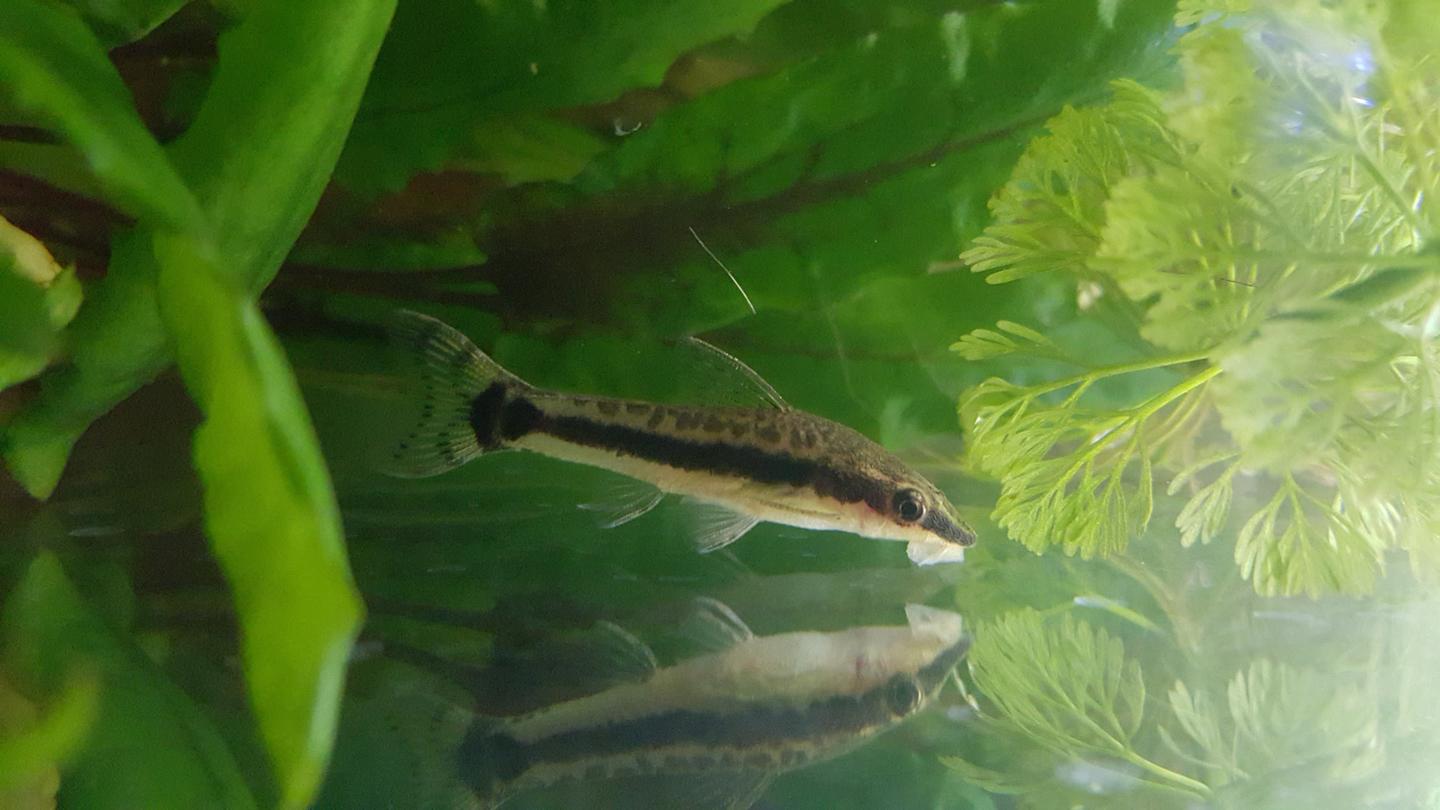
Otocinclus are small South American loricariid catfish, not disposable algae cleaners. Confirm the supplied species where possible; start with a mature, stable aquarium with ample grazing surfaces; plan a compatible social group; and provide suitable food even when algae is visible.
Maintain these water conditions for optimal health and vibrant colors
Parotocinclus spilurus is a tiny South American loricariid catfish for mature planted aquariums. It is best understood as a delicate aufwuchs and biofilm grazer rather than a general tank-cleaning tool. The fish stays small, behaves peacefully and spends much of the day browsing wood, leaves, glass, plant surfaces and smooth stones, but it does not thrive in new aquariums that have no established grazing film.
The important intent is simple: a keeper searching for Parotocinclus, dwarf suckermouth catfish or a small planted-tank grazer needs clear guidance on tank maturity, oxygen, group size, food and gentle tank mates before choosing this species.
| Scientific name | Parotocinclus spilurus |
|---|---|
| Family | Loricariidae, Hypoptopomatinae |
| Adult size | About 4 cm standard length in FishBase; aquarium total length may appear a little longer |
| Care level | Moderate, mainly because the aquarium must be mature and stable |
| Temperament | Peaceful, shy and social |
| Best aquarium | Planted, oxygen-rich freshwater setup with wood, smooth stones and biofilm |
FishBase records Parotocinclus spilurus from Ceara, Brazil, and describes it as a freshwater, demersal tropical catfish. Welsfans adds habitat detail from the rio Salgado and rio Jaguaribe system, with gravel and rock substrates. Those details explain why this species should be offered a clean, oxygen-rich aquarium rather than a low-flow, newly set up tank.
| Origin | Ceara, north-eastern Brazil |
|---|---|
| Habitat style | Freshwater streams and river habitats with hard surfaces for grazing |
| Swimming level | Mostly surfaces, wood, stones, plant leaves and lower/middle areas |
| Conservation note | Listed as endangered by FishBase/IUCN; responsible, stable care matters |
Do not add this fish to a brand-new aquarium. The tank should be fully cycled, biologically settled and already growing the thin natural films that grazing catfish use through the day. Use gentle to moderate flow, high oxygenation and regular small water changes. Avoid sudden temperature, pH or hardness swings.
| Temperature | 22-28°C as the current product care range; keep stability ahead of chasing extremes |
|---|---|
| pH | Approximately 6.0-7.5 |
| Minimum tank size | 60 litres for a small group, provided the system is mature |
| Flow | Gentle to moderate, with oxygen-rich water and quiet resting areas |
| Water quality | Keep ammonia and nitrite at zero; avoid nitrate build-up and dirty substrate pockets |
A good Parotocinclus aquarium looks lived-in, not sterile. Use driftwood, smooth river stones, leaf litter where appropriate, shaded plant cover and broad leaves. The fish needs surfaces to graze and cover to feel safe. Bright open tanks with boisterous fish often leave small grazers underfed and hidden.
| Useful decor | Driftwood, smooth stones, mature plants, botanicals and shaded resting points |
|---|---|
| Substrate | Fine sand or smooth gravel that is easy to keep clean |
| Planting | Broad-leaved plants and mossy surfaces help create grazing areas |
| Avoid | Sharp rock piles, unstable new tanks, harsh direct flow and aggressive feeders |
Natural grazing is helpful, but it should not be the only food plan. Supplement with high-quality algae wafers, soft sinking foods, blanched courgette, spinach or other suitable greens, and occasional small protein-rich foods. Feed lightly and watch the belly shape. A thin Parotocinclus in a clean-looking tank may be underfed even if there is visible algae elsewhere.
| Daily base | Biofilm, soft algae and aufwuchs on mature surfaces |
|---|---|
| Supplement foods | Algae wafers, sinking grazer tablets, blanched vegetables and fine prepared foods |
| Occasional extras | Small frozen or protein foods in tiny portions |
| Feeding risk | Being outcompeted by fast midwater fish or larger plecos |
Parotocinclus are more confident in a group. A single fish may survive, but a small group is usually easier to observe and less nervous. They are not aggressive, do not dig up plants and do not bother shrimp in normal circumstances. Their main weakness is competition: fast feeders, nippy fish and large plecos can keep them from settling.
| Recommended group | Three or more where stock and aquarium size allow |
|---|---|
| Best companions | Small peaceful tetras, rasboras, dwarf livebearers, peaceful shrimp and snails |
| Avoid | Large predators, aggressive cichlids, fin nippers and very boisterous bottom feeders |
| Observation tip | Look for rounded bellies, calm browsing and normal grip on glass or wood |
If you are building a small planted aquarium, compare this species with Zebra Oto, Golden Otocinclus, Dwarf Puffer if you are considering a specialist nano predator instead, and Salt and Pepper Corydoras for a small social bottom catfish with different feeding needs. Larger pleco-style choices such as Longfin Bristlenose Pleco and L075 Para Pleco need a different size and feeding plan.
Small suckermouth catfish should be acclimated calmly. Dim the lights, match temperature first, then move slowly through water adjustment. Add the fish to a mature aquarium with food available after settling, not to a stripped quarantine box with no grazing surfaces unless you are actively supplementing and monitoring them. Avoid medication unless there is a clear reason, because sensitive grazers can react badly to unnecessary treatments.
Choose this fish when the aquarium is already mature and the tank mates are gentle. New customers can use WELCOME5 for 5% off a first order where the code is eligible. Livestock is packed under the process explained on our Delivery & Live Arrival Guarantee page, and the guarantee gives a clear route if a live animal arrives in poor condition.
The care notes above are based on the live product record, practical planted-aquarium husbandry and species references including FishBase and Welsfans. We avoid presenting this fish as a magic cleaner because its real value is as a small, interesting loricariid for keepers who maintain mature aquariums well.
No reviews for this item yet. Bought one? Honest reviews only, good or bad.
What customers say about ordering from us
Easy website plenty of info on fish your buying great to pick a time slot
TRACEY DURRANT · 7 Oct 2026
Got some lovely fish thank you
Kevin Mackie · 7 Oct 2026
Reviews of our shop, collected by Judge.me, an independent third-party review collector. Newest first.