
 By Connor Boyle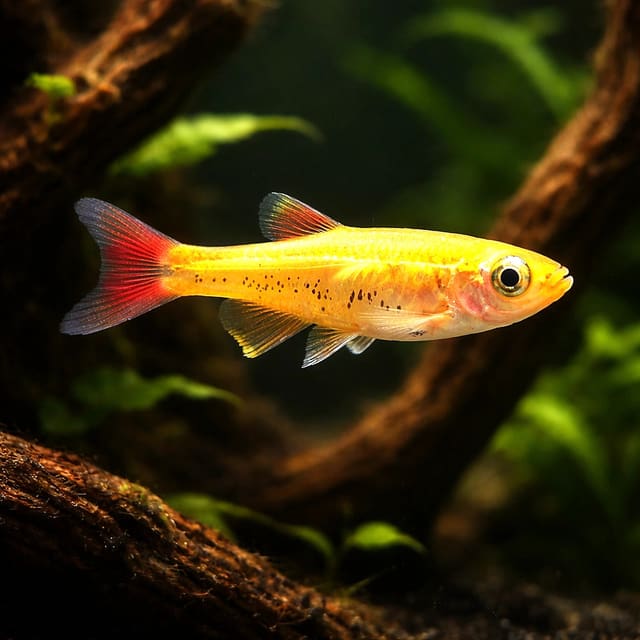
Easy
Gold White Cloud Mountain Minnow (Tanichthys albonubes) – 2–3cm Sizes
14–22°C · pH 6–8.5 · 54L
£2.99
Goldfish & Coldwater · Buying Guide
White cloud mountain minnow care for UK tanks — the hardy coldwater nano fish that thrives unheated. Tank size, mates and live stock. Shop now.
11 products in stock today
Live prices and stock. Every fish covered by our Live Arrival Guarantee.
14–22°C · pH 6–8.5 · 54L

18–23°C · pH 6.5–7.5 · 41L
22–25°C · pH 6–7.4
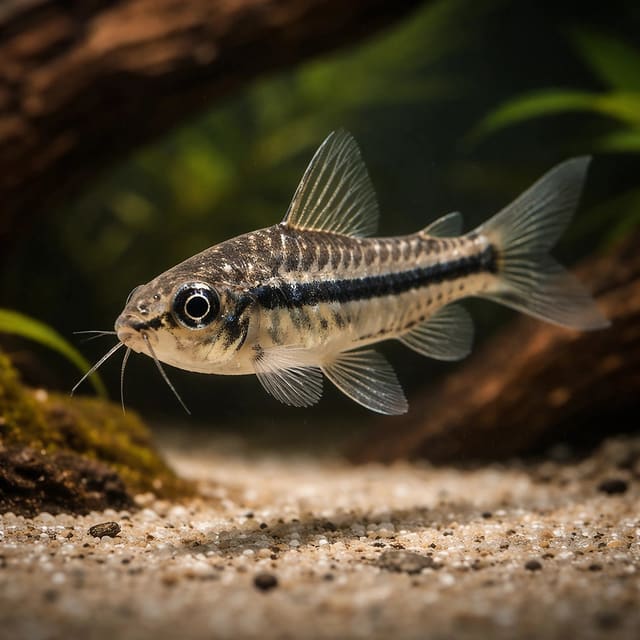
22–26°C · pH 6.4–7.4 · 41L
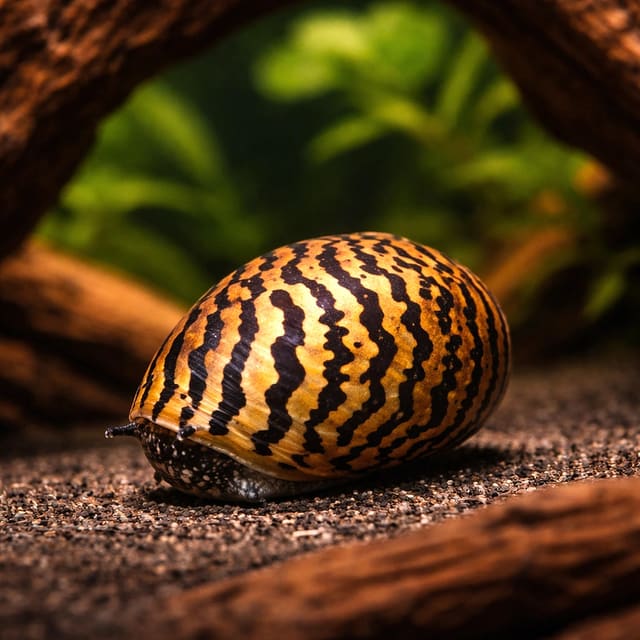
17–27°C · pH 6.5–8
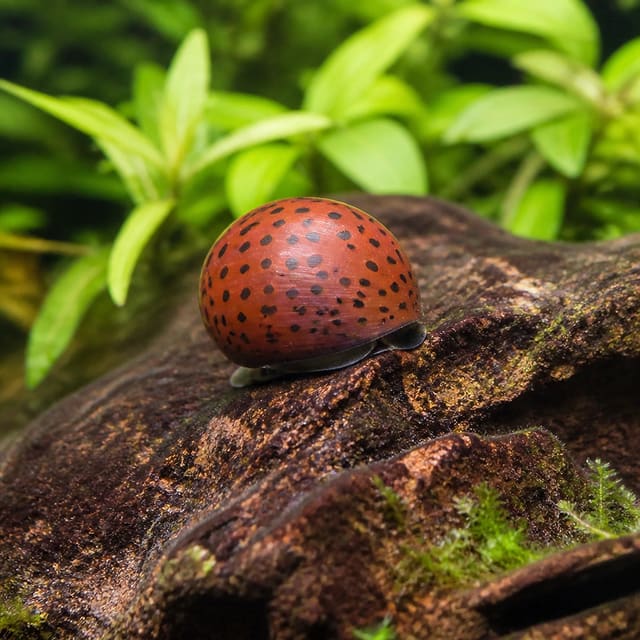
17–27°C · pH 6.5–8

21–25°C · pH 5–7

21–25°C · pH 5–7
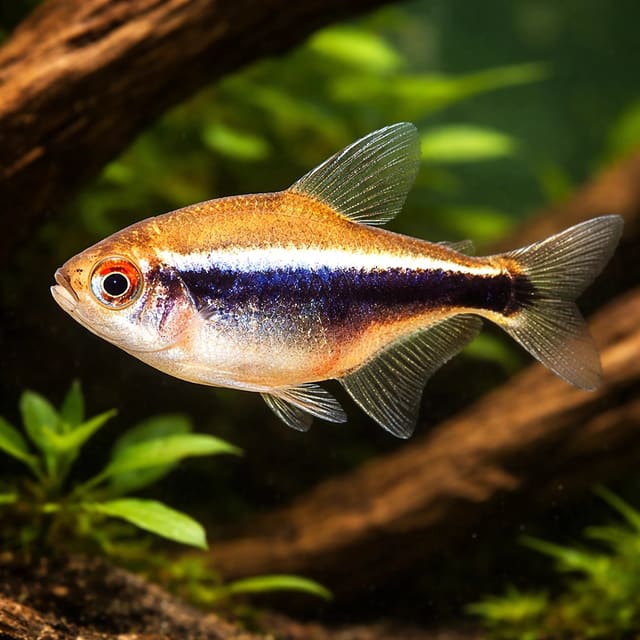
20–28°C · pH 5–7.5 · 72L

23–27°C · pH 5.5–7 · 60L
The shaded band shows the range white cloud mountain minnow is comfortable in. Match it to your tap water before you buy.
Our trained assistant knows this white cloud mountain minnow page inside out. Ask it anything — water parameters, tank mates, how many to buy — or have it read the guide aloud while you set up your tank.
There's a specific frustration that brings people to this page. You bought a few white cloud mountain minnows, set them up next to a heater because the shop shelf said "tropical", and they've looked washed-out and twitchy ever since. Or you're about to buy, you've read five care guides, and three of them say "tropical, 24 °C" while two say "coldwater, no heater" — and you've no idea who's right.
Let me settle it. The white cloud mountain minnow, Tanichthys albonubes, is a coldwater fish. It comes from cool, fast streams on White Cloud Mountain near Guangzhou in southern China, and it thrives at 18–22 °C [1] — which is just normal room temperature in most British homes. It is routinely mis-sold as tropical, sat under a heater it never needed, and that warmth quietly shortens its life [2]. Kept cool, it's one of the toughest, longest-lived beginner fish in the hobby.
I'm Connor, and I run the coldwater and UK-native side of the shop. This is the fish I recommend more than any other to someone setting up their first tank in a flat without much kit — because, kept properly, it asks for almost nothing. This guide is the honest answer I'd give a customer who asks: "I want a hardy little fish for an unheated tank in my living room — what should I actually buy?"
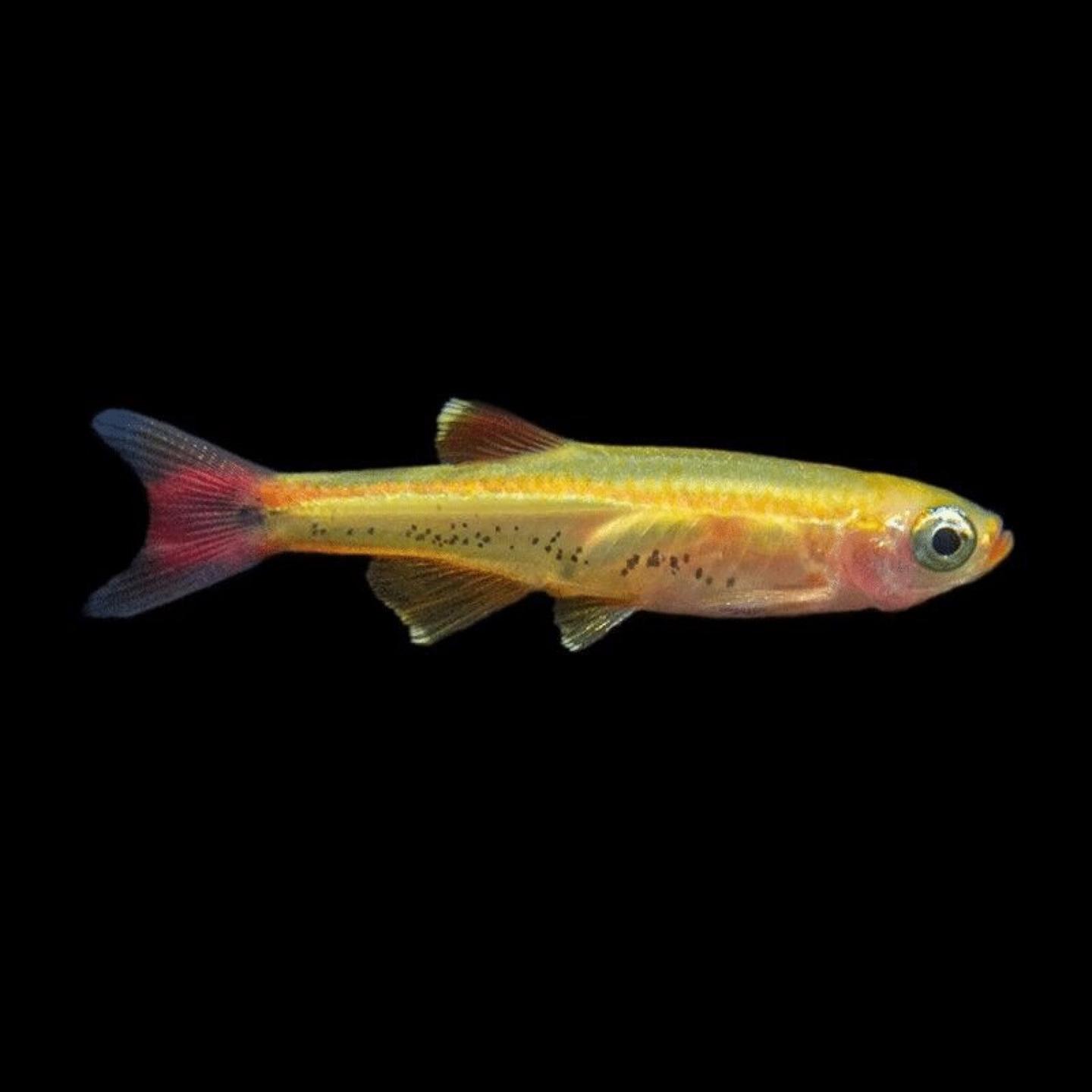
Gold white cloud mountain minnows from a holding group — note the warm pinkish-gold body and the red-edged fins. New arrivals look paler and colour up over the first week as they settle into a cool, planted tank. The shoal at the top of this page is our own editorial illustration. Credit: Tropical Fish Co.
The white cloud's selling point isn't colour intensity — a neon or a cardinal beats it there. Its edge is temperature: it's the nano schooler that actively wants the cool, unheated tank the others can't tolerate. The table below shows where it wins.
| Attribute | White Cloud Minnow | Neon Tetra | Cardinal Tetra | Ember Tetra |
|---|---|---|---|---|
| Adult size | 3.5–4 cm | 3–4 cm | 4–5 cm | 1.5–2 cm |
| Minimum tank | 40 L | 40 L | 60 L | 30 L |
| Temperature | 18–22 °C | 20–26 °C | 23–27 °C | 24–28 °C |
| Thrives unheated (cool UK room) | ✓ Yes | Maybe | ✗ | ✗ |
| Hardness tolerance | 5–19 dGH | 2–12 dGH | 1–10 dGH | 2–15 dGH |
| Hard UK tap water OK? | ✓ Yes | Maybe | ✗ | ✓ |
| Lifespan | 5+ years | 2–3 years | 5–8 years | 3–4 years |
| Beginner-friendly | ✓ Yes (hardiest) | Yes (mature tank) | Maybe | Yes |
If your room runs cool, you'd rather skip the heater, or your tap water is hard — the white cloud is the easy answer. The tropical tetras need warmth the white cloud doesn't want, so they aren't a like-for-like swap. For a smaller heated setup, the Ember tetra guide starts around 45 L with a useful 45 × 30 cm footprint; for a slightly bigger, hardy cool-water schooler, see the harlequin rasbora care guide.
Before you buy any schooling fish, check your postcode's hardness on your water supplier's site. If it comes back "hard" or "very hard" — which covers most of London and the South-East [6] — the white cloud is perfect: it tolerates 5–19 dGH happily [1], so you skip the RO unit a cardinal would demand. The full picture is in our water chemistry guide.
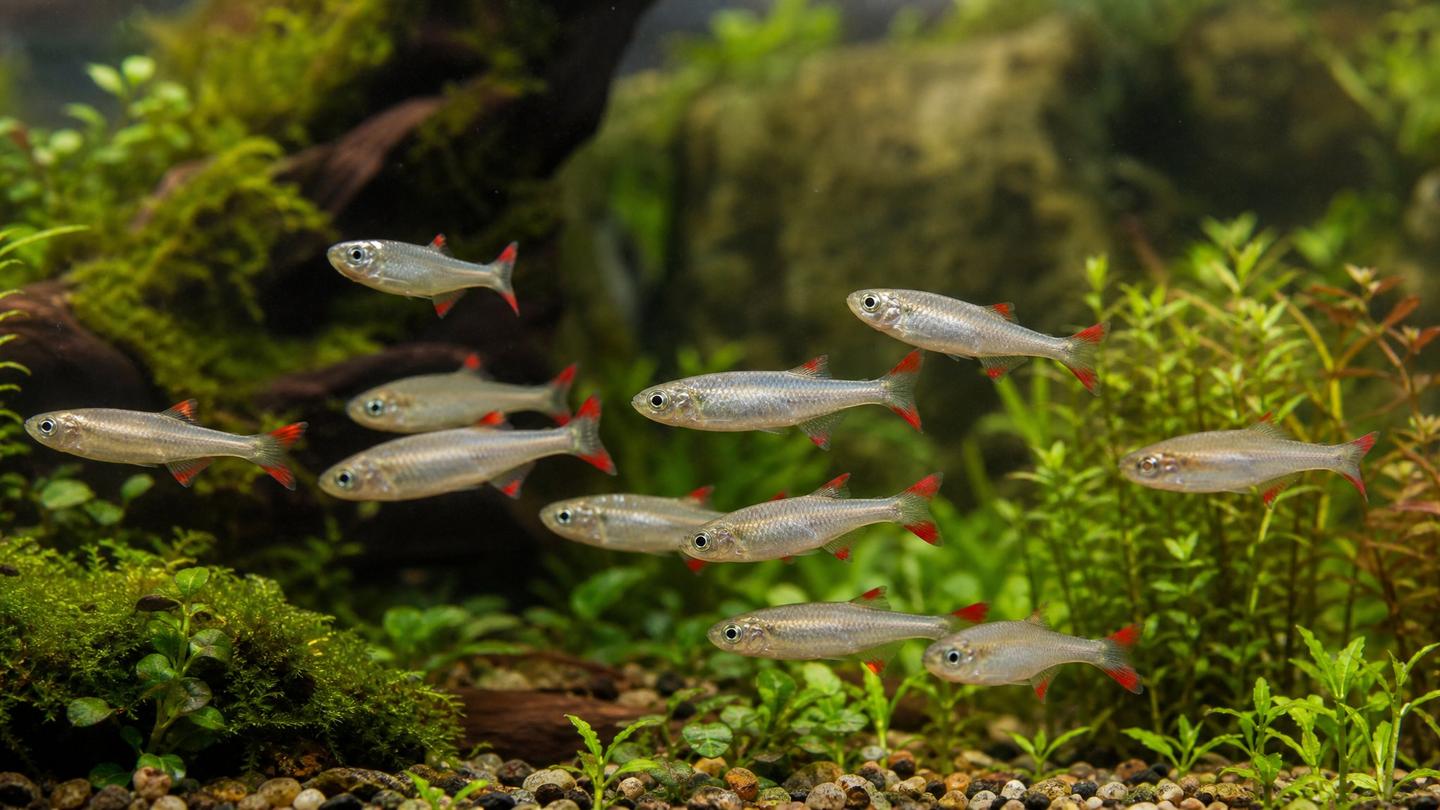
The single most important number on this page: eight minimum, ten or more ideal [3]. White clouds are a shoaling fish, and almost every "they just hide" story traces back to someone keeping two or three. A proper group brings them out into the open, where the males flare their fins and display their colours to each other [7].
Stocking guide by tank size:
White clouds come in a few looks, all the same easy fish. The standard form is olive-bronze with a glowing lateral stripe; the gold (or golden) form — what we usually have in stock as SKU 4186 — is a selectively-bred pinkish-gold; and there's a long-fin variety with flowing fins [3]. The standard and long-fin forms come and go from stock, so if you have your heart set on a particular look, check the live listing or ask us. Care is identical across all of them.
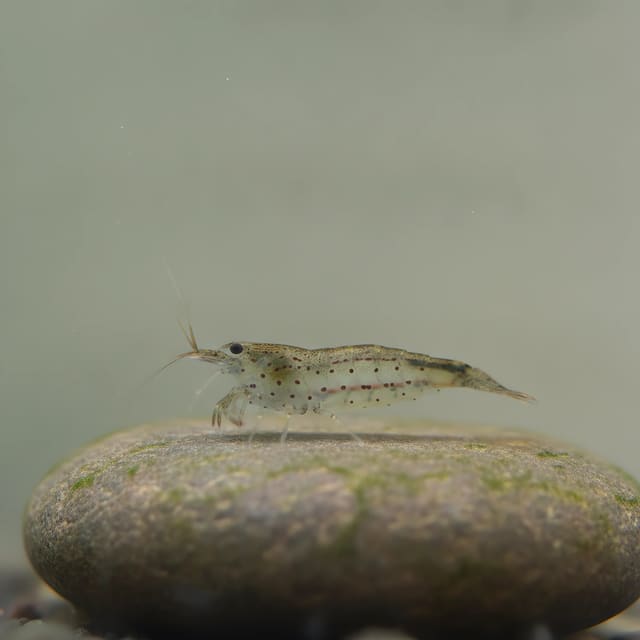
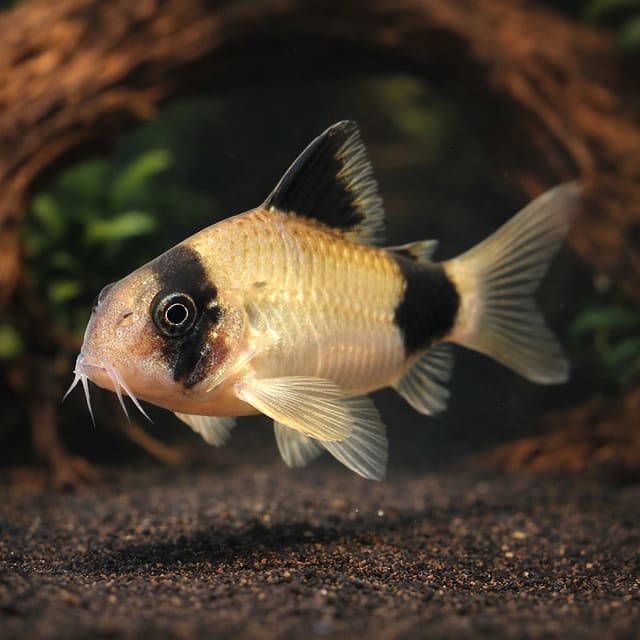
Here's where most guides go wrong: they list "peaceful community fish" without checking the temperature. The white cloud's whole advantage is that it's a coolwater fish in an unheated tank — so the right tank mates are the species that also enjoy 18–22 °C, not whatever tropical fish happens to be peaceful. Match the temperature first, temperament second.
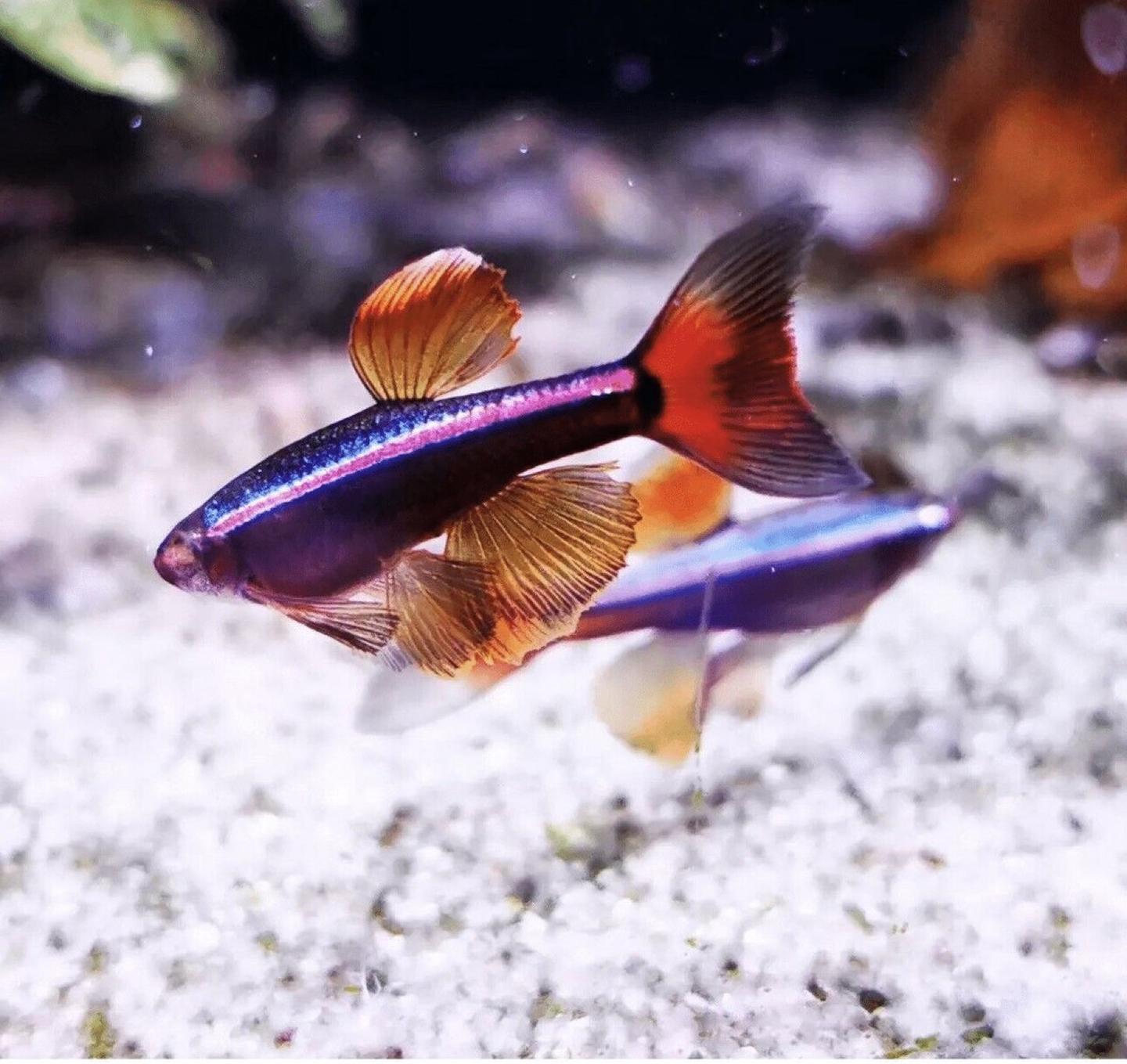
The standard-form white cloud mountain minnow — olive-bronze with the glowing lateral stripe and red-tipped fins that earned it the nickname "the working man's neon". This is the wild-type colouring the gold form was bred from. Photo: Tropical Fish Co.
You'll often be offered neon, cardinal, ember or black neon tetras as "community" tank mates for white clouds. Be honest with yourself about temperature first. Neon and diamond-neon tetras sit at 20–26 °C, so they only really overlap with the white cloud at the warm edge of its range. Cardinals, embers and black neons want 23–27 °C and warmer — genuinely tropical fish that would force you to heat the tank, which throws away the white cloud's no-heater advantage and pushes the minnows above the cool temperatures they actually want [2]. If you specifically want a warm mixed-tropical tank, they can share it at a compromise temperature around 22 °C — but for a true coldwater setup, stick to the shrimp and corydoras above.
The white cloud lets you build the simplest tank in the hobby: no heater, hard tap water straight from the cold tap, easy plants. A few things to get right:
It isn't folklore. Tanichthys albonubes is physiologically adapted to cool streams, and a classic study of the species found its biology geared to lower temperatures rather than tropical heat [2]. Cooler water means a slower metabolism, less stress and — kept within their 18–22 °C range — a five-year-plus lifespan [1]. Keep them tropical-warm and you speed everything up, including how fast they age. Cool is kind.
White clouds are among the hardiest shippers we send: a cool-water, hard-water-tolerant fish doesn't get shocked by the small shifts of transit the way a delicate soft-water species does. They still deserve a careful, coldwater-specific acclimation:
Live arrival guarantee: photograph any unopened bag within two hours of delivery if a fish hasn't travelled well, and we'll refund or replace.
If this is your first tank, get the fundamentals right before you buy a single fish — our first tropical tank guide walks through cycling and stocking order (it all applies to a coldwater tank, just without the heater), and the water chemistry guide explains why your hard UK tap water is a gift for white clouds.
Comparing cool-water options? See everything that suits an unheated tank on our cold water fish for sale page, and browse the wider tropical fish for sale UK range when you're ready to expand.
Shopping by category? Browse the goldfish & coldwater hub for every cool-water fish we stock this week, or the community-tank fish hub for peaceful species you can screen by temperature before they join your white clouds.
Visual route into the rest of our UK live-fish range.
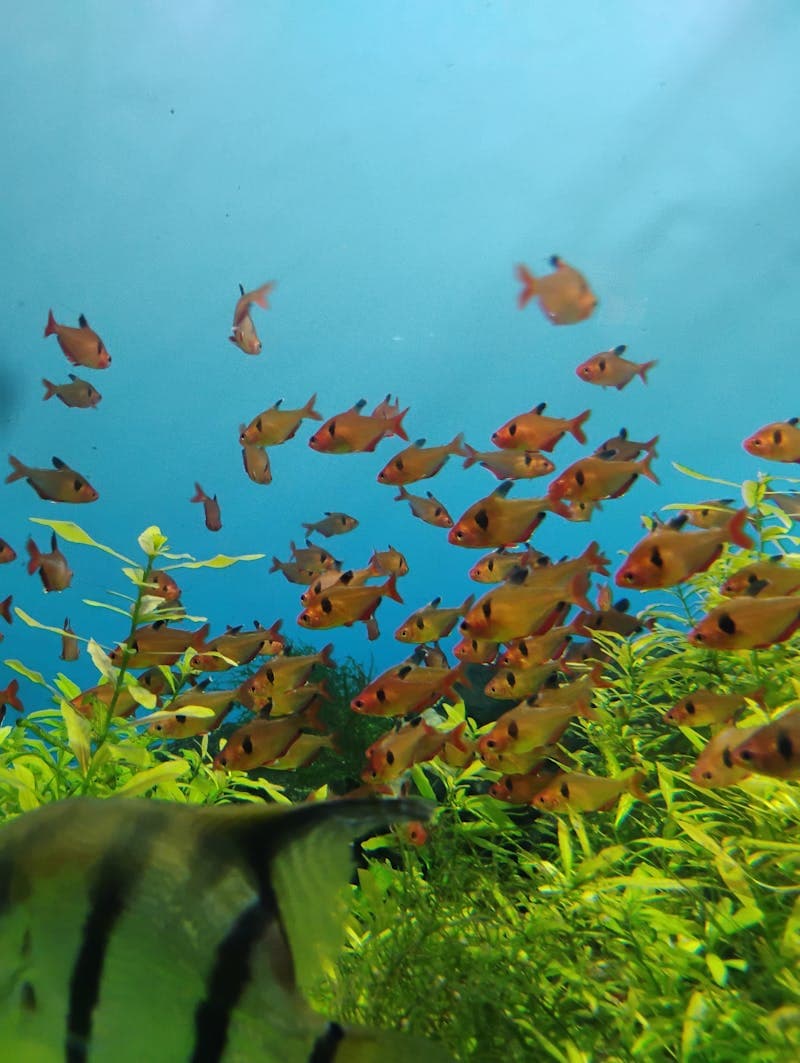
Buy cold water fish online UK — fancy goldfish, orandas, shubunkins, weather loaches and hardy unheated-tank species with insulated delivery and live arrival guarantee.
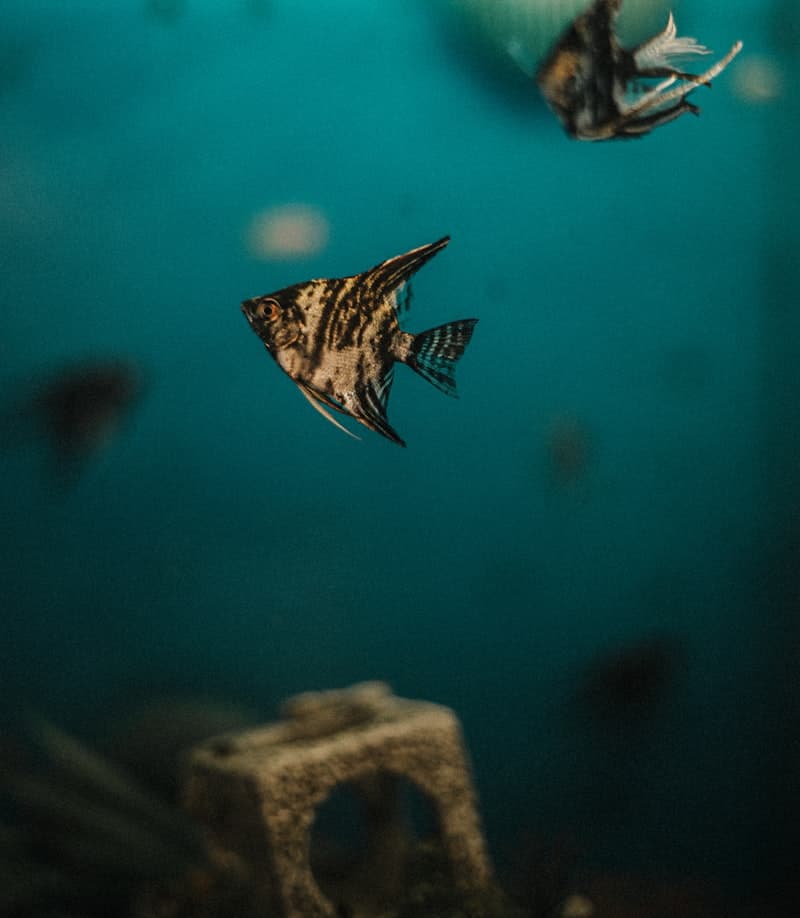
Peaceful tetras, rasboras, corydoras, platies and gouramis chosen to live together — temperament, adult size and water range per listing so the mix works.
Material factual claims cite the sources below; store policy and cautious inference are labelled in the article. Sources are grouped by type so you can judge their weight at a glance.
Peer-reviewed study of thermal tolerance — cited on the cool-water / heat-stress point.
Source for water-parameter ranges, max size (4 cm), origin and wild-extinction status (FishBase species ID 4758).
Independent hobbyist cross-check — group size of 10+, ~60 cm tank, best kept without a heater.
UK hobbyist reference — no-heater biotope setup, hard-water suitability and flow.
Source of the 'poor man's neon tetra' nickname and the outdoor-pond / overwintering observations.
Expert breeder's species spotlight — referenced on shoaling behaviour and planted-tank suitability.
UK authority — confirms most South-East/London supply is hard, which suits this species.
Fishkeeping moves fast and we want every guide spot-on. If you think something here is wrong, out of date, or could be clearer, tell us — our team reads every message and updates the page.
Suggest an editBuy cold water fish online UK — fancy goldfish, orandas, shubunkins, weather loaches and hardy unheated-tank species with insulated delivery and live arrival guarantee.
Peaceful tetras, rasboras, corydoras, platies and gouramis chosen to live together — temperament, adult size and water range per listing so the mix works.
Set up a tropical fish tank in 10 evidence-led steps: choose the tank, install filter and heater, cycle safely, test the water and add fish carefully.
Learn which freshwater aquarium water parameters to test, how to read ammonia, nitrite, nitrate, pH, GH and KH, and when a result needs action.
Harlequin rasbora care for UK aquariums: check 60 cm tank length, group size, 5 cm adult size, water, tank mates and lookalike species before buying.
Marine & Coldwater Specialist · 9+ years in the hobby
Connor kept a reef aquarium for four years before switching to coldwater native fish and goldfish — he now runs a 400-litre river-community tank modelled on the Thames chalk streams. He writes Tropical Fish Co's coldwater, native-UK, and future marine guides.