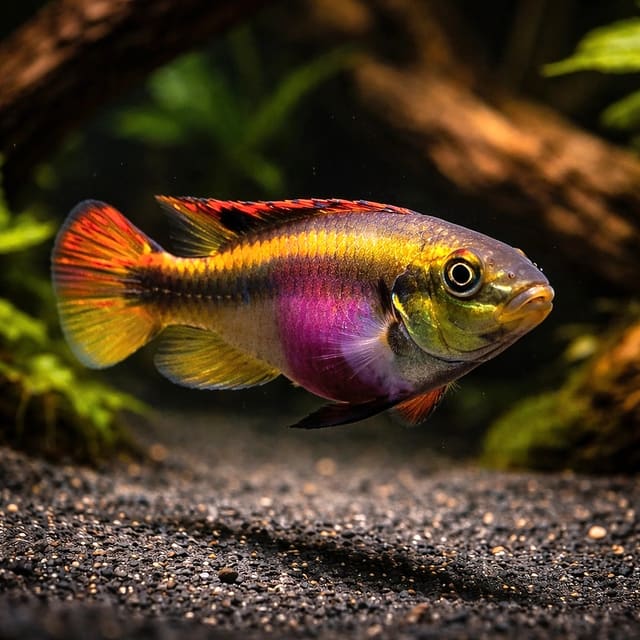
Kribensis & Pelvicachromis

16 products

Compare common Kribensis, Super Red and albino forms alongside named Pelvicachromis offers. Choose the exact fish and supplied size, then plan territories and shelter. Two fish bought together are not automatically a compatible breeding pair.

Products in Kribensis & Pelvicachromis

16 products

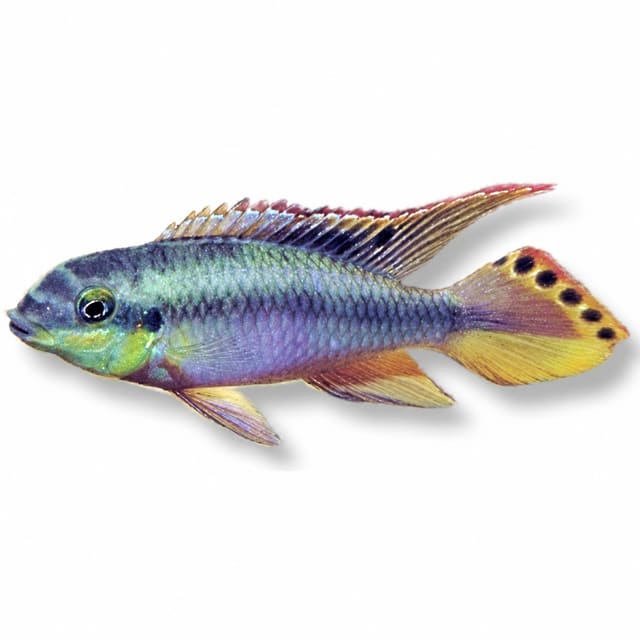
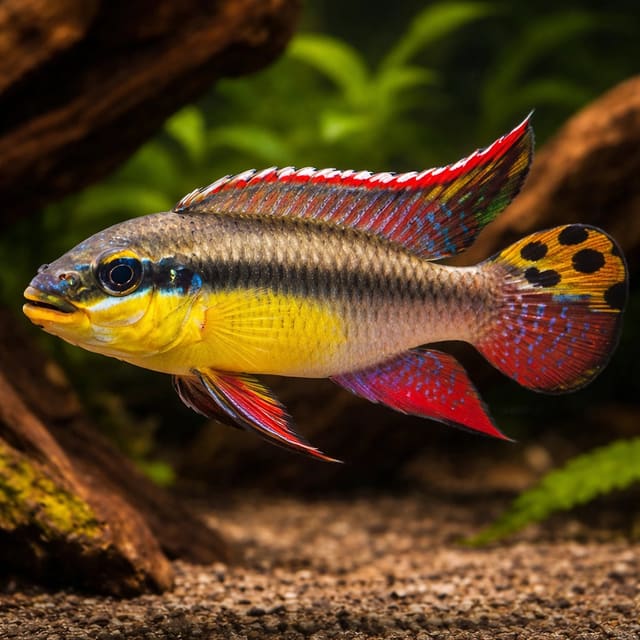
Kribensis (Pelvicachromis pulcher) - Cichlid Fish

Kribensis Cichlid (Pelvicachromis pulcher)

24–27°C · pH 5–7.5

£4.99
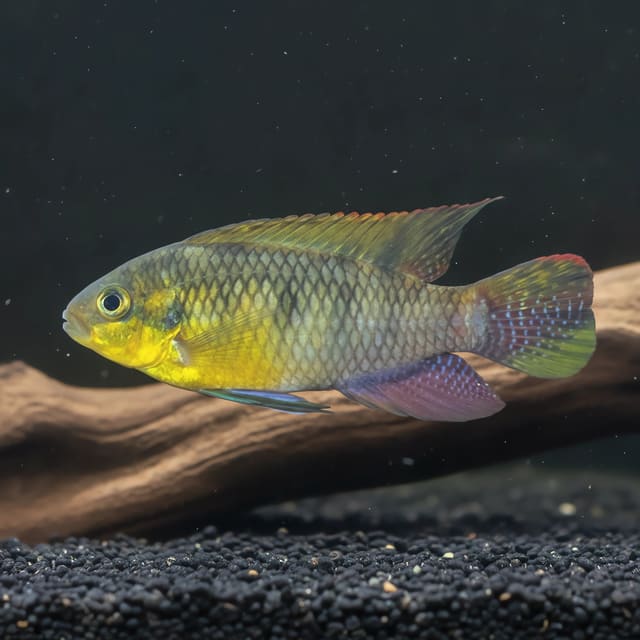
Matadi Violet Ocellated Kribensis (Pelvicachromis subocellatus)
Moderate

Matadi Violet Ocellated Kribensis (Pelvicachromis subocellatus)

22–27°C · pH 6–7.5 · 80L

£10.99
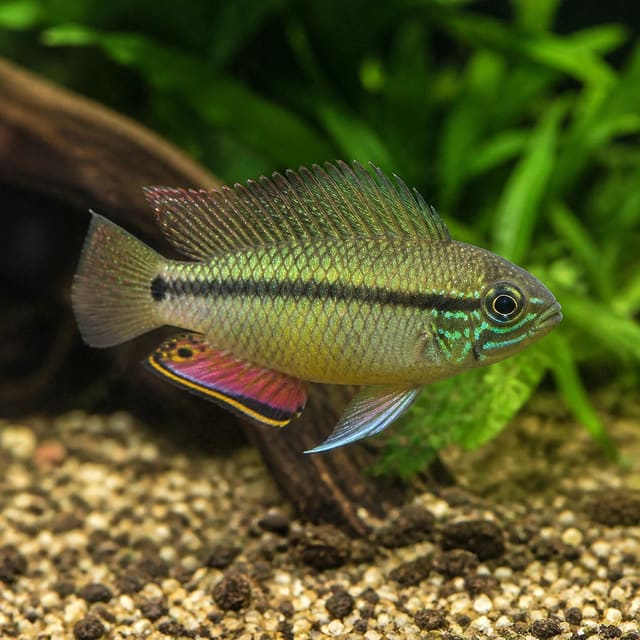
Nigerian Green Kribensis (Pelvicachromis taeniatus) in a planted aquarium
Moderate

Nigerian Green Kribensis (Pelvicachromis taeniatus)

23–25°C · pH 6–7.5 · 100L

£18.99
Super Red Kribensis Cichlid (Pelvicachromis pulcher) in driftwood aquarium

Super Red Kribensis Cichlid (Pelvicachromis pulcher)

24–25°C · pH 5–7.5

£18.99
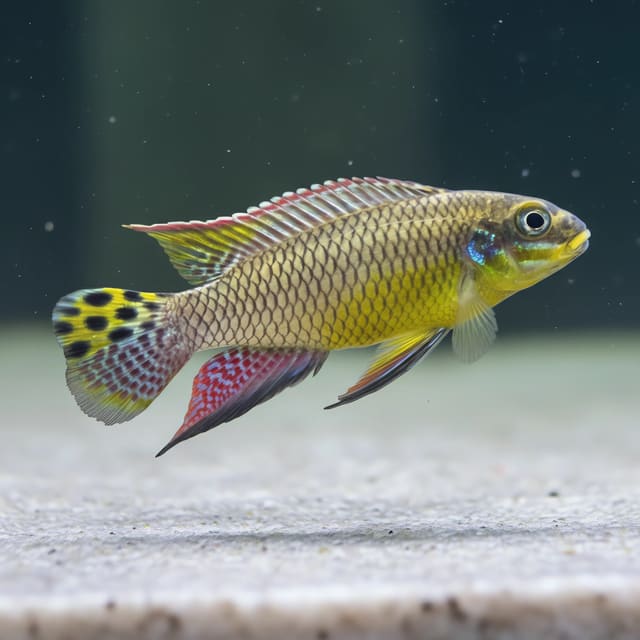
Pelvicachromis taeniatus kienke with a golden body and brightly spotted fins, facing right above pale substrate

Kienke Striped Kribensis (Pelvicachromis taeniatus 'Kienke')

22–26°C · pH 6–7.5 · 71L

£41.99
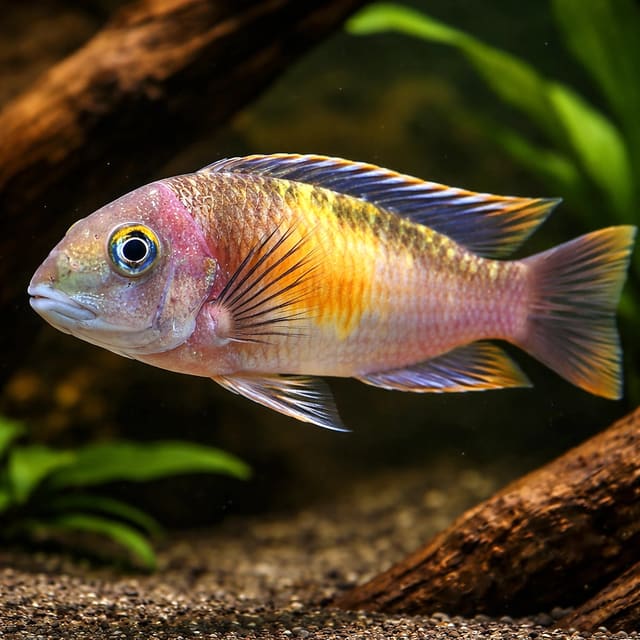
Common Krib Blue, Dwarf Rainbow (Pelvicachromis pulcher)

Common Krib Blue, Dwarf Rainbow (Pelvicachromis pulcher)

24–27°C · pH 5–7.5

£14.99
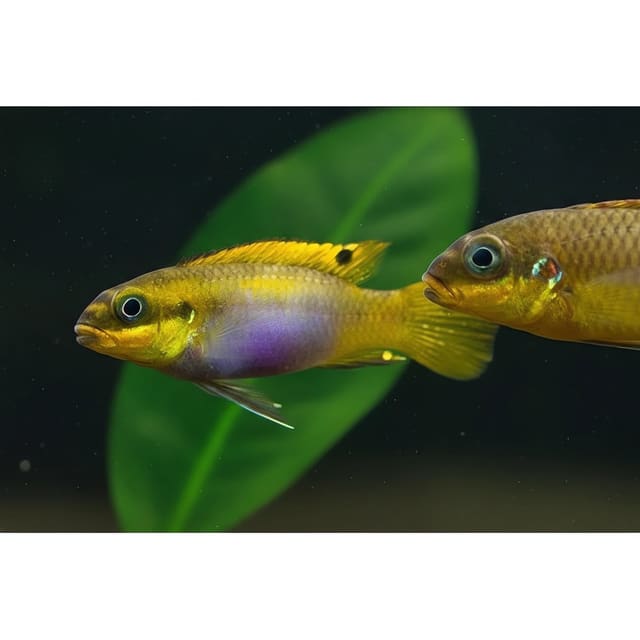
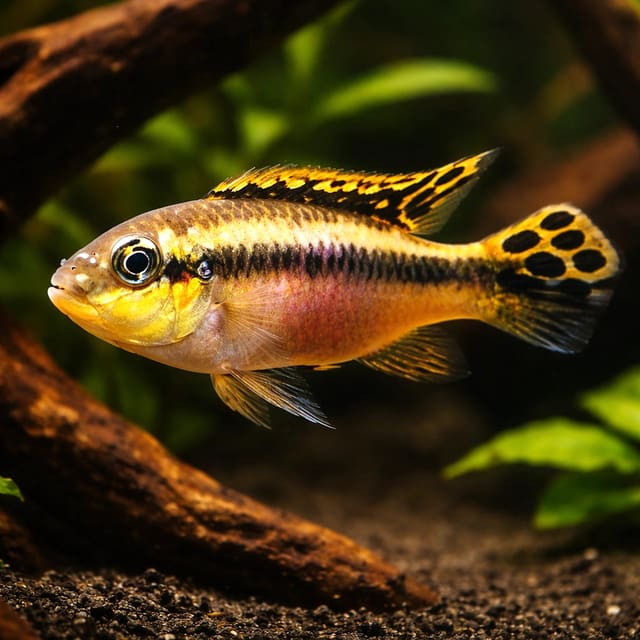
Two yellow-brown aquarium fish, one with a purple belly and yellow-edged dorsal fin, against green leaves
Easy

Lobe Striped Kribensis (Pelvicachromis taeniatus 'Lobe')

22–26°C · pH 5–7.5 · 71L

£18.99
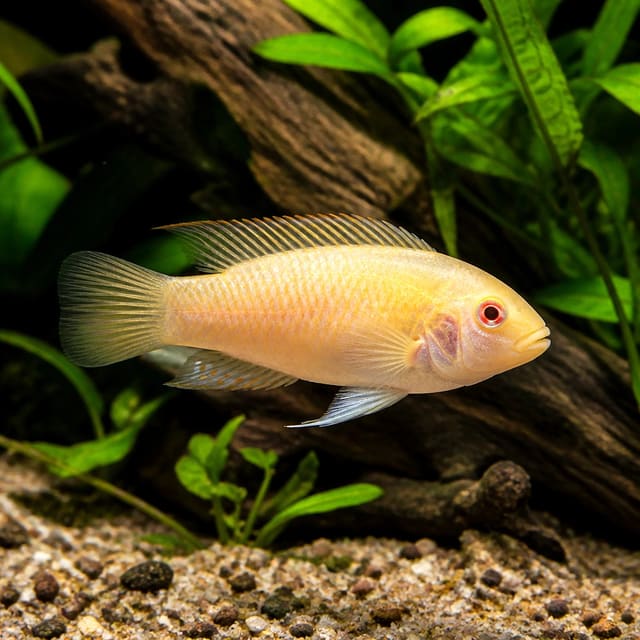
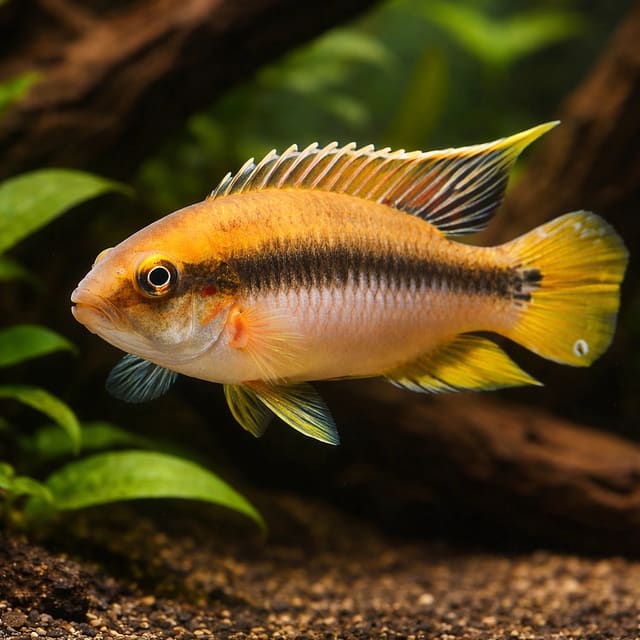
One pale gold Common Krib in side profile in a planted aquarium with driftwood
Easy

Gold Albino Kribensis (Pelvicachromis pulcher)

24–27°C · pH 5–7.5 · 71L

£13.99
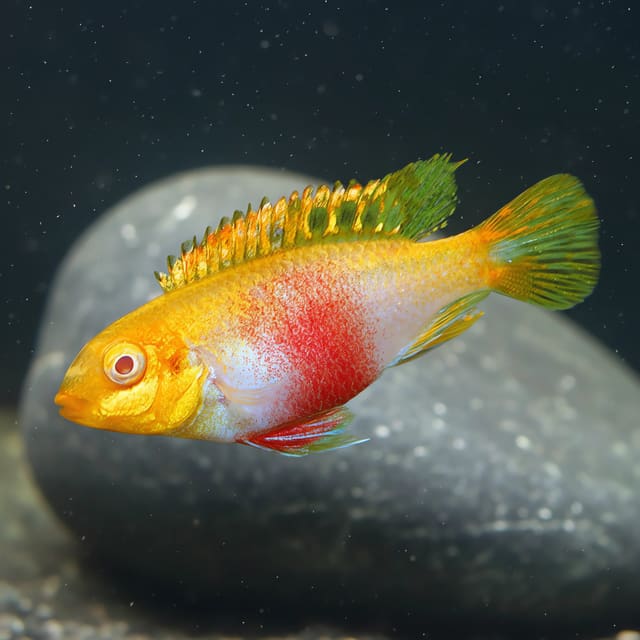
Albino Red Kribensis with a gold body, red belly and red eye in front of pale rocks

Albino Red Kribensis (Pelvicachromis pulcher)

24–27°C · pH 5–7.5

£10.99
Photo pending

Nigeria Red Striped Kribensis (Pelvicachromis taeniatus 'Nigeria Red')

22–25°C · pH 6–7.5 · 71L

£17.99
Photo pending

Moliwe Striped Kribensis (Pelvicachromis taeniatus 'Moliwe')

22–26°C · pH 6–7.5

£19.99
Striped Kribensis (Pelvicachromis taeniatus)
Sold Out

Striped Kribensis (Pelvicachromis taeniatus 'Bandewouri')

22–26°C · pH 6–7.5 · 80L

£44.99
Pelvicachromis sp. yelow
Sold Out

Yellow Pelvicachromis (Pelvicachromis sp. 'Yellow')

24–28°C · pH 6–7.5 · 80L

£12.99
Pelvicachromis taen. kluegei 4
Sold Out

Kluegei Striped Kribensis (Pelvicachromis taeniatus 'Kluegei')

23–25°C · pH 6–7.5 · 80L

£18.99
Pelvicachromis rolofi 3 - 4
Sold Out

Roloff's Kribensis (Pelvicachromis roloffi)

24–26°C · pH 6–7.5 · 80L

£42.99
Ocellated Kribensis (Pelvicachromis subocellatus) in side view, with a yellow-green body and purple-tinted fins
Sold Out

Ocellated Kribensis (Pelvicachromis subocellatus)

22–26°C · pH 5.5–7.5 · 60L

£10.99

Help with your choice

Colour form or a different identity?

Common, Super Red and albino Kribensis offers here name Pelvicachromis pulcher. Other listings use names such as subocellatus, Nigerian Green, Lobe and Kienke. Locality labels and older trade names need checking, especially if you intend to breed: they do not establish wild origin or a documented breeding line. Ask about the current fish's identity and provenance before combining named forms.

Read the common Kribensis offer
Plan floor space and retreat routes

Common Kribensis can become strongly territorial around a spawning cave. Arrange caves, roots and planted cover so fish can move out of one another's sight, and assess other bottom-dwellers and cave users before adding them. Check the exact offer's adult space and water guidance. A peaceful filter label describes only part of the behaviour; it cannot guarantee a calm breeding community.

Compare other African dwarf cichlids
Check sizes, quantities and any sex promise

The options include measured sizes and labels such as XL; read the selected offer rather than assuming XL means an adult, a sexed fish or a pair. A quantity discount does not establish matched sexes or a breeding bond. Even a male and female may be incompatible. Confirm what is supplied, discuss any existing fish, and have a separation plan if one is persistently chased or prevented from feeding.

Ask about pairing or an existing aquarium