Moderate
Malayan Halfbeak (Dermogenys pusilla) – Surface-Dwelling Livebearer
24–28°C · pH 7–8 · 80L
£5.99

Colourful Sulawesi surface livebearer for mature, covered aquariums with calm tank mates, clean water and small insect-rich foods.
Adult size is the maximum length this species reaches at full maturity (scientific sources). The livestock you receive will be younger and smaller. Product-photo provenance and any image-specific limitations are stated on the listing.
Nomorhamphus liemi
Shoaling fish: kept in a group they feel safer, stay calmer and show their best colour.
Confirm your email, then we’ll send an availability message for this exact item if it returns within 180 days.
This request is only for this product—no newsletter or other promotions. A mail-provider retry may very rarely duplicate the same availability message. Unconfirmed addresses are removed after 48 hours. See our privacy policy.
Colourful Sulawesi surface livebearer for mature, covered aquariums with calm tank mates, clean water and small insect-rich foods.
Adult size is the maximum length this species reaches at full maturity (scientific sources). The livestock you receive will be younger and smaller. Product-photo provenance and any image-specific limitations are stated on the listing.
Maintain these water conditions for optimal health and vibrant colors
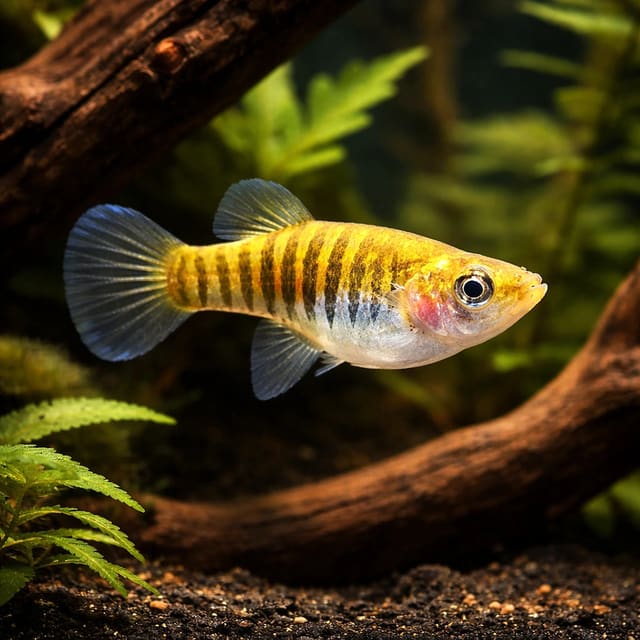
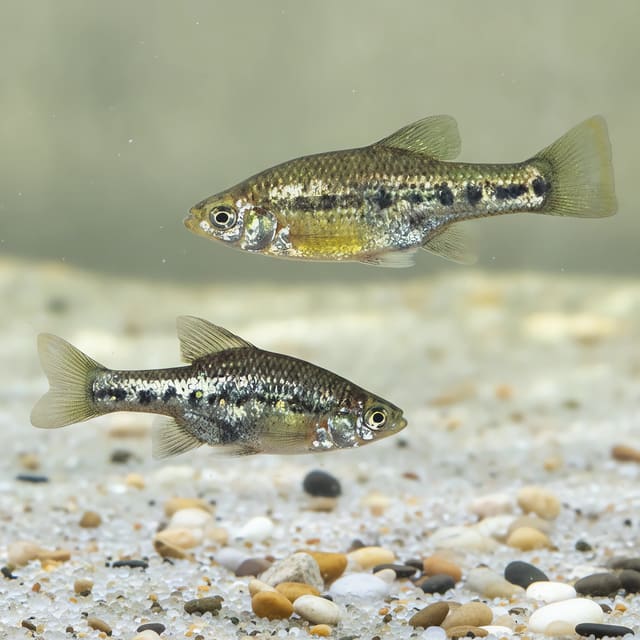
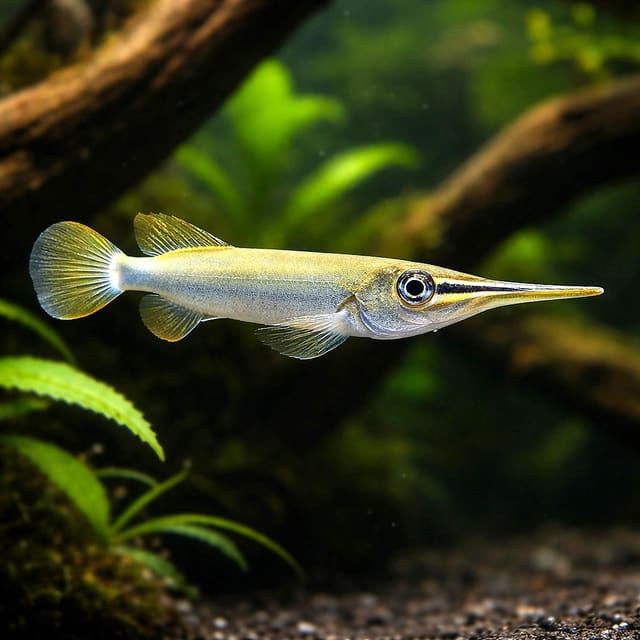
Liemi Halfbeak (Nomorhamphus liemi) is a colourful Sulawesi surface livebearer with the distinctive halfbeak shape, lively top-water behaviour and a specialist feeding style built around insects and small foods taken at the surface.
Choose from the 3.5–5 cm and 6–10 cm dispatch size grades in the selector. These are approximate sizes at dispatch, rather than adult-size guarantees. Sex is not specified by these size options.
| Product | Liemi Halfbeak |
|---|---|
| Scientific name | Nomorhamphus liemi |
| Also known as | Celebes Halfbeak, Black-fin Celebes Halfbeak, Maros highland halfbeak |
| Dispatch size options | 3.5–5 cm and 6–10 cm |
| Adult size | Plan for around 8-9 cm, with females often larger than males |
| Care level | Moderate: best for a mature, quiet, covered aquarium |
| Temperament | Surface-active; usually manageable, but males can spar and tiny fry may be eaten |
| Minimum aquarium | 75 litres for a small group; a longer tank with surface area is better |
| Temperature | 20–25°C for normal aquarium care; keep the temperature and oxygen supply stable |
| pH | 6.5-7.8, with FishBase giving a wider 6.0-8.0 range |
| Hardness | 5-12 dGH preferred; up to moderate hardness is workable if stable |
| Diet | Small surface foods, insects, fruit flies, mosquito larvae, daphnia, flake and frozen foods |
| Tank region | Surface and upper water |
FishBase places Nomorhamphus liemi in south Sulawesi and lists it as a freshwater, surface-associated halfbeak that feeds mainly on flying insects. Aquarium Glaser notes the species from the Maros highlands, and Maidenhead Aquatics describes it from shallow running water where insects are taken from the surface. Those clues are very useful: this is not a fish for stagnant water or a crowded, uncovered tank.
In the aquarium, Liemi Halfbeaks patrol the upper water and can be skittish if the tank is busy or exposed. A quiet position, floating plants and a secure lid make a real difference. Males may show colour and display, while females are usually larger and fuller. Keep a small group with room at the surface rather than trying to keep one nervous individual.
Use a mature aquarium with a tight-fitting lid, open surface space and cover around the edges. Floating plants, tall background plants, roots and smooth stones all help break up the tank without blocking the top-water swimming area. Good filtration and regular water changes are essential, but the flow should not smash them against the glass. They need clean, oxygen-rich water and room to turn safely.
Because halfbeaks can damage their delicate mouthparts if startled into the glass, avoid high-traffic rooms, aggressive tank mates and cramped tanks. A longer 75 litre aquarium is a sensible starting point, while a larger tank gives a group more space to settle.
Aim for stable, clean water rather than chasing constant adjustments. A practical target is 20-25 C, pH 6.5-7.8 and around 5-12 dGH. Avoid overheating them in a low-oxygen tank. Regular water changes, mature filtration and steady oxygen are more important than a perfect number.
These halfbeaks are insect-focused surface feeders. Use small floating or slowly sinking foods: quality flake, fine granules, daphnia, brine shrimp, mosquito larvae, bloodworm, fruit flies and other small live or frozen foods. Feed modest portions at the surface so they get food before it sinks, and keep the diet varied to support colour, condition and breeding health.
Choose calm fish that leave the surface alone. Small peaceful rainbowfish, gentle rasboras, quiet livebearers and peaceful bottom dwellers can work if they share the same water conditions. Avoid fin nippers, aggressive cichlids, large predators and frantic surface feeders. Tiny fry or very small shrimp may be eaten.
Nomorhamphus liemi is livebearing and FishBase records small broods of around 9-11 young. The fry are relatively large, but adults may eat them, so use dense plants or a separate rearing plan if you want to raise young. Good food and stable water matter, because poor conditioning can lead to weak broods.
This is a rewarding species for aquarists who enjoy unusual livebearers and can provide a quiet, covered, mature aquarium. It is not ideal for a noisy beginner community or a tiny desktop tank. In the right setup, it brings unusual shape, colour and constant surface activity without needing a huge aquarium.
Have a mature, tested aquarium ready before delivery and read the Live Arrival Guarantee and receiving instructions before ordering. On arrival, keep the room calm, dim the aquarium lights and match the water temperature before release. Offer small foods once the fish have settled.
For comparison, the Celebes Halfbeak is another member of the same genus. Read its own care guide when comparing species; this link is not a recommendation to mix them.
No reviews for this item yet. Bought one? Honest reviews only, good or bad.
What customers say about ordering from us
I have a small group of long finned mountain minnows. So was delighted to be able to order ten of this variety to increase the genetics in my tank . The ones I recieved are healthy but it’s to early to give a verdict on wether they are of a long finned type since they are small currently.
Gordon Walker · 23 Sept 2026
100% success travel and "installation". Pleased with quality of purchase. The Siamese fighter a bit "shy" so have not yet seen him at his best yet but looking good. Happy customer. GG
George E Garratt · 21 Sept 2026
Reviews of our shop, collected by Judge.me, an independent third-party review collector. Newest first.