−10%
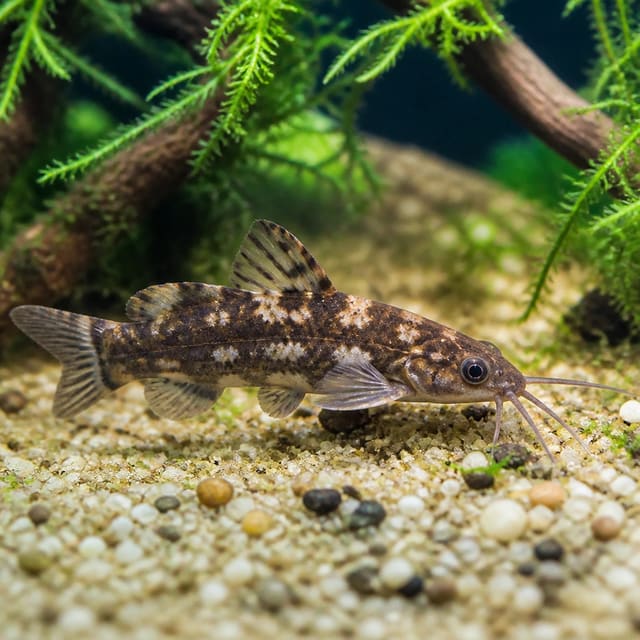
Dwarf Marbled Catfish (Microglanis poecilus)
22–27°C · pH 6–8
£8.09£8.99

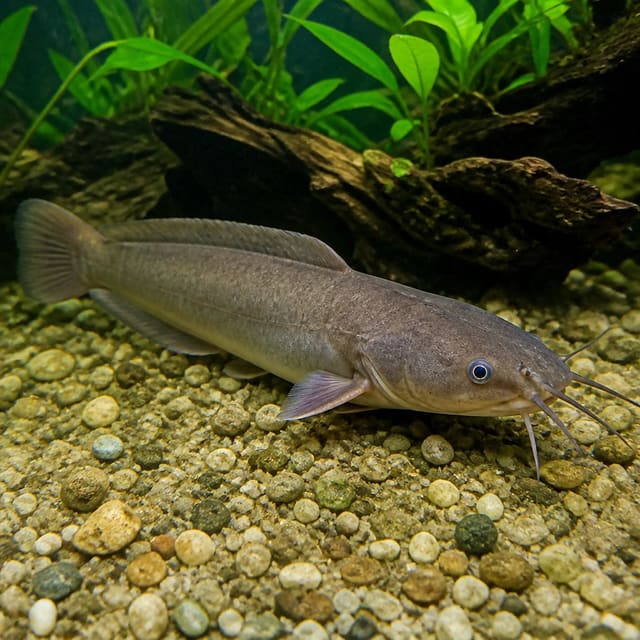
Butter Catfish (Ompok bimaculatus) is an XL specialist catfish for large, mature freshwater aquariums with robust tank mates and strong filtration.
Adult size is the maximum length this species reaches at full maturity (scientific sources). The livestock you receive will be younger and smaller. Product-photo provenance and any image-specific limitations are stated on the listing.
Ompok bimaculatus
Confirm your email, then we’ll send an availability message for this exact item if it returns within 180 days.
This request is only for this product—no newsletter or other promotions. A mail-provider retry may very rarely duplicate the same availability message. Unconfirmed addresses are removed after 48 hours. See our privacy policy.
Butter Catfish (Ompok bimaculatus) is an XL specialist catfish for large, mature freshwater aquariums with robust tank mates and strong filtration.
Adult size is the maximum length this species reaches at full maturity (scientific sources). The livestock you receive will be younger and smaller. Product-photo provenance and any image-specific limitations are stated on the listing.
Maintain these water conditions for optimal health and vibrant colors
Butter Catfish (Ompok bimaculatus) is a large Asian sheatfish for experienced aquarists with the space to plan ahead. It is a sleek, soft-bodied catfish with long barbels, a fast predatory feeding response and an adult size that makes it unsuitable for small community aquariums. This K730 listing is for the XL Butter Catfish .
| Product | Butter Catfish XL |
|---|---|
| Scientific name | Ompok bimaculatus |
| SKU | K730 |
| Family | Siluridae, the sheatfishes |
| Origin | Indian subcontinent and Myanmar region |
| Adult size | Plan for up to about 45 cm standard length |
| Care level | Difficult; specialist large-fish planning required |
| Temperament | Generally calm with robust tank mates, but predatory toward fish it can swallow |
| Diet | Carnivorous/omnivorous; meaty frozen foods, prawns, mussel and quality sinking foods |
Ompok bimaculatus is recorded from quiet, shallow and often turbid waters such as rivers, canals, sandy streams, floodplain habitats and inundated fields. In the aquarium this translates into a preference for cover, dimmer areas and open turning room rather than a bright, crowded display.
This species is not a small bottom cleaner. It is an active, long-bodied catfish that uses its barbels to locate food and will treat small fish as prey. It can look peaceful because it does not constantly harass tank mates, but that should not be confused with being safe with small tetras, rasboras, guppies or shrimp.
| Minimum planning tank | 600 litres plus; larger footprint preferred |
|---|---|
| Recommended footprint | At least 180 cm long for growing specimens, with more width for adult turning room |
| Swimming space | Open central space with shaded retreats at the sides and rear |
| Cover | Large wood, caves, robust plants or floating cover to reduce stress |
| Substrate | Fine sand or smooth rounded gravel to protect the body and barbels |
| Lid | Secure cover recommended for large startled fish |
Choose this fish only if the aquarium is already large enough, or if a larger upgrade is genuinely planned. The animal should be able to turn without bending tightly, retreat from bright light and feed without smashing into decor. Strong filtration and oxygenation are important because large catfish produce a meaningful bioload.
| Temperature | 20-26°C practical range; keep stable |
|---|---|
| pH | 6.0-8.0 |
| Hardness | 4-28 dGH tolerance reported; avoid sudden swings |
| Flow | Moderate filtration with calmer resting areas |
| Water quality | Low ammonia/nitrite, controlled nitrate and regular large water changes |
The most important point is stability. A large predatory catfish in an undersized or immature tank can deteriorate quickly because waste levels rise and stress increases. Mature filtration, consistent maintenance and careful feeding are more important than chasing a narrow number.
| Staple foods | Quality sinking carnivore pellets and meaty frozen foods |
|---|---|
| Useful variety | Prawn, mussel, chopped fish, earthworm and occasional insect-based foods |
| Avoid | Feeder fish, fatty mammal/bird meat and oversized single meals |
| Feeding style | Offer controlled portions after lights dim or when the fish is settled |
| Water care | Remove leftovers quickly to protect water quality |
A varied meaty diet keeps the fish in better condition than one repeated food. Do not rely on live feeder fish; they add disease risk, poor nutrition and unnecessary stress. Smaller meals are easier on the aquarium than heavy overfeeding.
| Suitable companions | Robust, peaceful fish too large to swallow and able to share similar water |
|---|---|
| Good planning examples | Larger barbs, larger peaceful cichlids, robust catfish and medium-large cyprinids |
| Avoid | Small fish, shrimp, nano species, delicate long-finned fish and aggressive fin nippers |
| Group behaviour | Usually kept singly unless the aquarium is very large |
| Risk point | Any fish that fits in the mouth is at risk, especially after lights out |
Butter Catfish should be treated as a specialist large predator. The safest display is a spacious large-fish community where every animal has enough room and no tank mate is small enough to become food. Avoid mixing it into a standard tropical community tank.
| Before arrival | Prepare a mature, covered aquarium with hiding places and clean water |
|---|---|
| Acclimation | Float for temperature, then acclimate gradually to avoid parameter shock |
| Release | Dim lights and release near cover, not into a bright open area |
| First feeding | Wait until settled; do not force food on the first day |
| Aftercare | Watch breathing, posture, response to cover and waste levels for the first week |
Large catfish can be easily startled after transport. Give the fish a quiet settling period, keep the aquarium covered and avoid repeated netting or unnecessary disturbance.
The most common mistake with this species is buying it for the size it is today rather than the size it can become. A young or recently imported Butter Catfish may look manageable, but the body length, speed and turning radius all increase as it grows. Plan the adult aquarium before purchase, especially if the fish is being added to a display that already contains expensive or delicate tank mates.
| Short-term question | Can the fish turn easily without scraping decor? |
|---|---|
| Medium-term question | Will filtration handle larger meaty meals and waste? |
| Long-term question | Is there a realistic adult tank or indoor pond plan? |
| Community question | Will current tank mates still be too large to swallow in six months? |
| Stress question | Does the aquarium offer dim retreats as well as open swimming space? |
This is why the listing describes the fish as difficult rather than simply unusual. The care challenge is not fragile water chemistry; it is long-term space, feeding control, waste management and safe tank mate selection.
Do not add Butter Catfish to a new aquarium, a small mixed community, or a tank built around tiny schooling fish. Do not assume a peaceful daytime posture means small fish are safe overnight. Do not feed large portions every day just because the fish responds strongly to food. Overfeeding a large catfish can damage water quality quickly, especially in warm aquariums with heavy stocking.
Also avoid sharp decor, narrow caves and unstable rockwork. A startled catfish can move quickly and injure itself if the layout has tight gaps or abrasive surfaces. Smooth wood, broad open retreats and a clear swimming lane make a much safer setup.
K730 is best for an aquarist who already keeps larger fish and understands the space, food and filtration needed by a predatory catfish. It is not a beginner clean-up crew fish and not a substitute for smaller peaceful catfish such as Corydoras. The right keeper will value its sleek body shape, nocturnal character and impressive size; the wrong setup will make it difficult to keep well.
When available, livestock orders are packed carefully for UK delivery and covered by our Live Arrival Guarantee where the delivery requirements are followed. First-time customers can use WELCOME10 where eligible. Check the stock status before planning a delivery date.
For smaller community choices, browse Corydoras catfish. For other specialist catfish, see the freshwater catfish range. If you are building a large aquarium, compare filtration and hardscape in our aquarium accessories, or continue browsing freshwater fish.
No reviews for this item yet. Bought one? Honest reviews only, good or bad.
What customers say about ordering from us
I have a small group of long finned mountain minnows. So was delighted to be able to order ten of this variety to increase the genetics in my tank . The ones I recieved are healthy but it’s to early to give a verdict on wether they are of a long finned type since they are small currently.
Gordon Walker · 23 Sept 2026
100% success travel and "installation". Pleased with quality of purchase. The Siamese fighter a bit "shy" so have not yet seen him at his best yet but looking good. Happy customer. GG
George E Garratt · 21 Sept 2026
Reviews of our shop, collected by Judge.me, an independent third-party review collector. Newest first.