Moderate
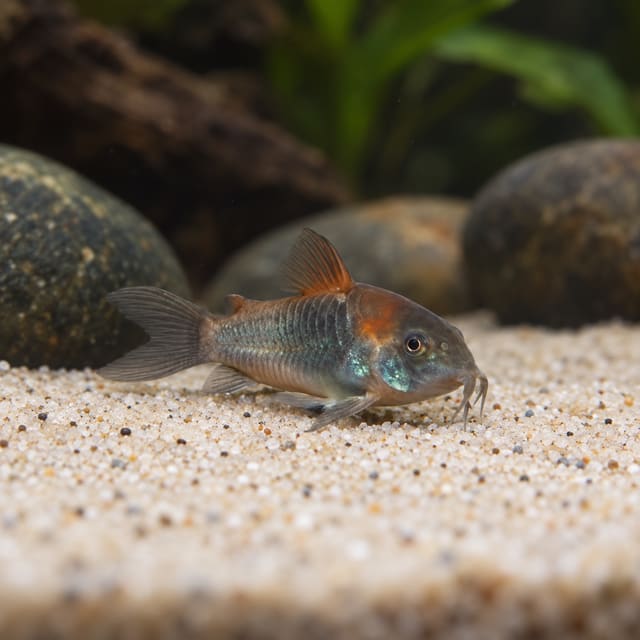
Bristlenose Pleco (Ancistrus sp.)
22–27°C · pH 6–8
From £3.51Some sizes on sale

Buy a hardy Pterygoplichthys sp. pleco for sale UK—an active algae grazer for larger aquariums. Moderate care and UK delivery available.
Adult size is the maximum length this species reaches at full maturity (scientific sources). The livestock you receive will be younger and smaller — pick a size above for the actual shipping size. Product-photo provenance and any image-specific limitations are stated on the listing.
Pterygoplichthys gibbiceps
Confirm your email, then we’ll send an availability message for this exact item if it returns within 180 days.
This request is only for this product—no newsletter or other promotions. A mail-provider retry may very rarely duplicate the same availability message. Unconfirmed addresses are removed after 48 hours. See our privacy policy.
Buy a hardy Pterygoplichthys sp. pleco for sale UK—an active algae grazer for larger aquariums. Moderate care and UK delivery available.
Adult size is the maximum length this species reaches at full maturity (scientific sources). The livestock you receive will be younger and smaller — pick a size above for the actual shipping size. Product-photo provenance and any image-specific limitations are stated on the listing.
‘Pleco’ is a loose aquarium-trade label, not one species or one care sheet. Before buying, confirm the scientific name or defensible L-number, adult size and measurement method, required footprint, temperature and water, diet, social plan and source. No universal pleco tank size, menu or algae result is honest.
Maintain these water conditions for optimal health and vibrant colors
If you are looking for a pleco for sale UK aquarists can keep as a true centrepiece rather than just a background cleaner, Pterygoplichthys gibbiceps deserves a serious look. Commonly sold as the Leopard Pleco or Sailfin Pleco, this striking Plecostomus is famous for its bold leopard pattern, huge sail-like dorsal fin, and impressive adult presence. It comes from the Amazon Basin and Orinoco systems in South America, where warm, oxygen-rich water, submerged wood, and broad river margins shape its natural behaviour. In home aquariums it is usually peaceful, hardy once settled, and highly active at grazing surfaces, which is why many keepers search for a pleco fish for sale uk listing when building a large tropical display.
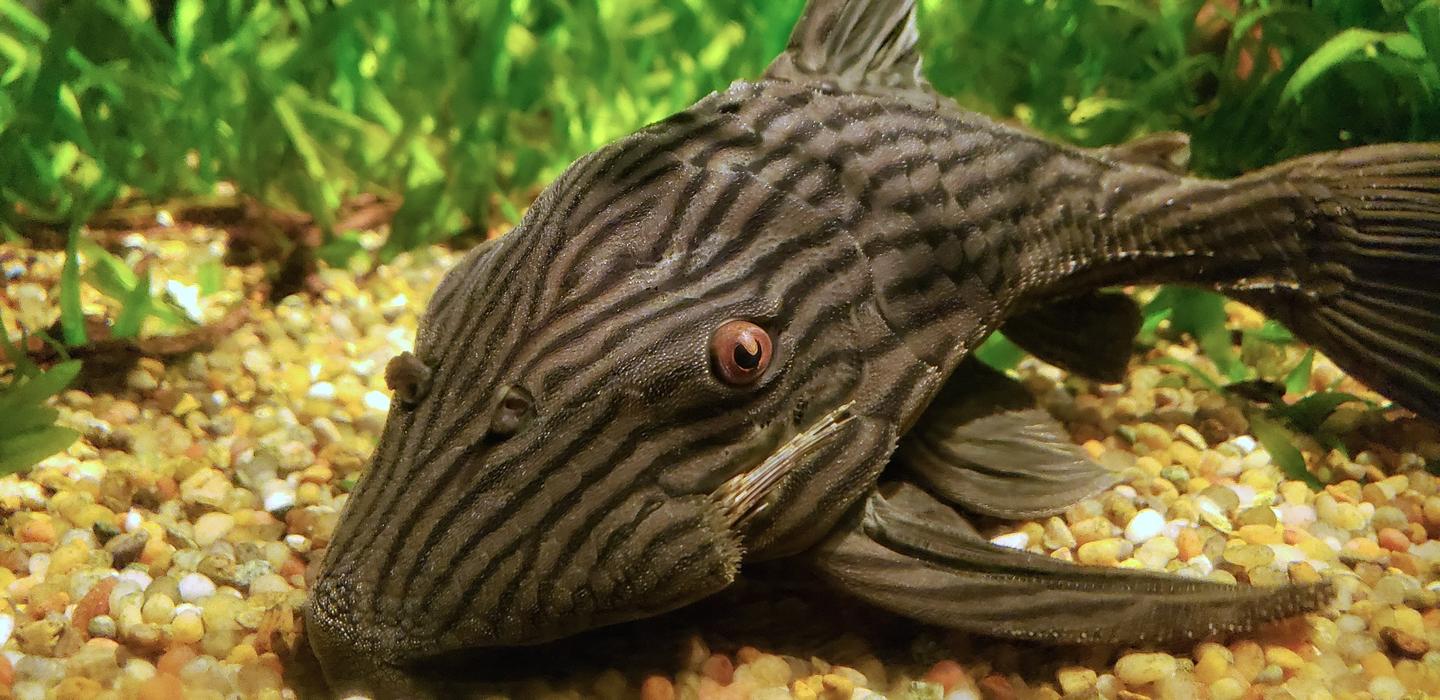
This species is often recommended in a basic leopard pleco pterygoplichth care guide, but the most important fact is simple: it gets big. Very big. Adult plecostomus size can reach around 45 cm, so this is not a fish for a small community tank or a short-term “tank cleaner” role. Done properly, though, it is one of the most rewarding large freshwater catfish UK keepers can own. You get a peaceful giant with character, long plecostomus lifespan, strong algae-grazing instincts when young, and a dramatic look that stands out in detailed photos. See our detailed photos showing the reticulated patterning, broad sucker mouth, and extended dorsal fin that make this large pleco for sale uk option so popular. For aquarists with the space, it is a memorable tropical catfish UK choice that adds function, movement, and real visual impact.
The Leopard Pleco belongs to the armoured catfish family, Loricariidae, a group known for bony plates, rasping mouths, and bottom-grazing habits. In the aquarium hobby it is often confused with Hypostomus species, so hobbyists searching hypostomus plecostomus or using a pleco identification chart often compare the two. Pterygoplichthys gibbiceps is especially recognised for its large dorsal fin and leopard-like spotting, placing it among the most iconic big plecos in the trade.
The Leopard Pleco Pterygoplichth comes from tropical South America, especially the Amazon Basin and parts of the Orinoco drainage. In the wild, these fish inhabit slow to moderate-flow rivers, flooded margins, backwaters, and submerged root zones where wood, leaf litter, and biofilm are abundant. That background matters because the best leopard pleco pterygoplichth habitat in captivity is not a bare glass box. It is a spacious aquarium with wood, shaded retreats, stable warm water, and enough floor area for a large bottom-dweller to move naturally.
Wild fish spend much of their time grazing algae, aufwuchs, plant matter, and organic films from hard surfaces. Young specimens are often marketed as one of the best algae eaters for aquarium setups, and that is partly true, but mature fish become more broadly herbivorous and opportunistic. A proper leopard pleco pterygoplichth diet should therefore copy that natural mix rather than relying on algae alone. This is why experienced keepers use algae wafers, courgette, cucumber, spinach, quality sinking pellets, and bogwood.
Water in their native range is warm year-round, which explains why the correct leopard pleco pterygoplichth water temperature range is 22-28°C. If you have searched plecostomus temperatura, that tropical range is the practical answer for home aquariums. Their natural waters can vary in chemistry, but captive fish do best when leopard pleco pterygoplichth pH requirements are kept in a stable 6.0-7.5 range with moderate hardness. Stability matters more than chasing an exact number.
Many customers ask whether this is a peaceful leopard pleco pterygoplichth for aquarium communities. In the right tank, yes. In the wild they are not schooling fish, and a leopard pleco pterygoplichth schooling group is not recommended for most home setups. One specimen per large aquarium is usually the best plan, especially because adult size and waste output are substantial. Their calm nature, long leopard pleco pterygoplichth lifespan, and dramatic appearance make them a favourite for large displays where they can settle for years.
Mimicking the natural habitat with driftwood, shaded caves, and broad open bottom space improves feeding confidence and reduces stress. Leopard Plecos often show stronger colour contrast and more natural grazing behaviour when they have wood to rasp and dim resting areas during the day.
The biggest mistake in plecostomus care is planning for the juvenile and not the adult. A small specimen may look manageable in a shop tank, but common pleco tank size requirements become serious as the fish matures. The realistic leopard pleco pterygoplichth minimum tank size is 500 litres long term, and bigger is better. For a full-grown adult, a tank around 180 cm in length gives far better turning space, floor area, and oxygen stability. If you are researching leopard pleco pterygoplichth tank size or how to care for leopard pleco pterygoplichth, this is the key point: buy the fish only if you can house the adult.
A juvenile can begin in a large growing tank, but this species is not suitable for nano, small, or average community aquariums. The correct leopard pleco pterygoplichth tank setup includes a wide footprint, not just height. These fish rest on the bottom, patrol glass and wood, and need room to turn without scraping fins or body plates. Their bioload is heavy, so the leopard pleco pterygoplichth tank cleaner label can be misleading; they eat waste and algae, but they also produce plenty of waste themselves.
The ideal leopard pleco pterygoplichth water parameters are stable rather than extreme: temperature 22-28°C, pH 6.0-7.5, hardness 3-15 dGH. The best leopard pleco pterygoplichth temperature for routine keeping is around 24-26°C, which supports digestion and activity without pushing oxygen too low. If you have searched leopard pleco pterygoplichth water flow needs, moderate flow with strong aeration is ideal. They do not need river-torrent conditions, but they do appreciate oxygen-rich water.
Because of the fish’s mass and feeding style, filtration should be oversized. A large external canister or sump is ideal, with mechanical media for solids and biological media for ammonia processing. This species is often bought as part of an aquarium cleaning crew UK plan, but in practice it needs a cleaning system behind it. Pairing this fish with strong filtration and regular maintenance is more important than any single food or additive. If you are building a big South American setup, a robust pleco-safe system like the Suckermouth Catfish Hypostomus Plecostomus Aquarium Cleaning style setup gives a good reference point for scale and husbandry expectations.
The best leopard pleco pterygoplichth substrate type is smooth sand or rounded fine gravel. Sharp gravel can damage the belly and mouth area as the fish rests and grazes. A dark natural substrate often improves colour contrast and makes the spotted pattern stand out. Keep substrate depth moderate so debris can be siphoned easily; this species is messy, and trapped waste quickly affects water quality.
Can you keep a leopard pleco pterygoplichth for planted aquarium displays? Sometimes, but with caution. Adults are powerful and may uproot soft plants while moving. Tough species attached to wood or rock do better than delicate stems. Driftwood is essential, both for shelter and rasping behaviour. Add broad caves, shaded arches, and multiple leopard pleco pterygoplichth hiding spots so the fish can rest during the day. If you like unusual Loricariids in natural wood-heavy aquascapes, compare this species with the L204 Flash Pleco Panaqolus Albivermis Stunning, the L015 Candy Striped Pleco Peckoltia Vittata, or the elegant Red Lizard Whiptail Catfish Pleco Tropical.
Moderate lighting works well. Bright lights are fine if the tank includes wood, caves, or overhangs. Since this is a mostly crepuscular to nocturnal grazer, intense lighting is more for plants and viewing than for the fish itself. Keep lights on 7-9 hours daily to control algae balance without overheating the tank.
Always cycle the aquarium for 4-6 weeks before adding a large pleco. These fish are hardy once established, but they react badly to immature filtration, unstable ammonia control, and sudden pH swings.
The Leopard Pleco is best described as a mainly herbivorous leopard pleco pterygoplichth algae eater with opportunistic habits. Young fish spend a lot of time scraping algae and biofilm, which is why they are often listed among algae eating fish UK options and best bottom feeders for community tank lists. But mature fish need much more than algae on the glass. Good plecostomus food should include plant matter, fibre, and sinking staples designed for large Loricariids.
A solid leopard pleco pterygoplichth feeding guide starts with algae wafers, spirulina wafers, and quality sinking herbivore pellets. These should form the core diet. Add driftwood in the tank at all times, since many plecos rasp wood surfaces and benefit from the fibre and grazing area.
Blanched courgette, cucumber, spinach, shelled peas, and romaine lettuce are excellent additions. Offer vegetables in the evening and remove leftovers the next morning. This supports digestion and reduces the chance of bloating. For keepers wanting a varied menu for a big leopard pleco pterygoplichth bottom feeder, rotating vegetables 3-4 times per week works very well.
Occasional protein is fine, but do not overdo it. Bloodworm or prawn-based foods can be offered sparingly, especially for growing juveniles, but this species should not be fed like a carnivorous catfish. Too much rich food often leads to excess waste and poor body condition. Customers comparing this fish with a bristlenose plecostomus often notice that the larger species needs more fibre and more disciplined feeding.
| Time | Food | Amount |
|---|---|---|
| Morning | Sinking herbivore pellet or algae wafer | Enough to clear within 2-3 hours |
| Evening | Blanched vegetable slice | 1-2 slices, remove leftovers by morning |
Feed juveniles daily and adults once daily, ideally in the evening when they become more active. If the fish has a rounded but not swollen belly and remains active at night, the ration is usually right. A common customer question is: Do plecos only eat algae? No. A healthy leopard pleco pterygoplichth diet is broader than algae and should be planned as complete nutrition, not cleanup duty.
Avoid oily meats, large amounts of high-protein predator pellets, and any food that rapidly fouls the water. Also avoid assuming this fish can survive on leftovers from surface fish. If you are shopping for a bottom feeder fish UK display, remember that this species needs direct target feeding. For hobbyists comparing species, the L090 Pleco Panaque South American Catfish and L052 Butterfly Pleco Dekeyseria Picta South also benefit from wood-heavy, structured feeding plans.
A useful comparison if you are choosing between large algae-grazing plecos and want to understand adult size, diet, and waste output before buying.
A smaller wood-loving pleco alternative for aquarists who want Loricariid behaviour without the huge adult footprint of Pterygoplichthys.
Overfeeding causes ammonia spikes, clogged filters, and poor oxygen levels. Leopard Plecos are heavy waste producers, so any uneaten vegetables or pellets should be removed promptly to protect water quality.
The first thing most keepers notice is the dramatic dorsal fin. When fully extended, it gives the fish a sailfin profile that makes even a resting specimen stand out. Adult leopard pleco pterygoplichth size can reach around 45 cm, with a broad head, armoured body plates, and a large sucker mouth adapted for rasping surfaces. This is why many people searching plecostomus for sale end up choosing this species as a statement fish.
Colour is usually a rich brown to dark olive base overlaid with cream or yellowish reticulated spots and maze-like markings. On juveniles the pattern can look especially crisp, while older fish often develop a heavier, more rugged appearance. Our photos show the contrast between the dark body and pale markings that make this species so recognisable in a showroom tank.
Sexing is difficult, so leopard pleco pterygoplichth male vs female differences are subtle. Mature males may appear broader in the head and more robust through the pectoral area, but reliable visual sexing is not easy in retail conditions. If you are using a pleco identification chart, note that this species is often compared against other hobby favourites such as green phantom pleco for sale uk, queen arabesque pleco for sale uk, l333 pleco for sale uk, l134 pleco for sale uk, l183 pleco for sale uk, l046 pleco for sale uk, sunshine pleco for sale uk, and even the similarly named leopard frog pleco for sale uk. Those are very different fish in adult size and care needs, so always identify carefully before buying.
A common question is whether this fish changes colour. It can look lighter or darker depending on stress, substrate colour, lighting, and time of day. Dark wood, shaded areas, and a steady vegetable-rich diet usually bring out the strongest pattern.
The leopard pleco pterygoplichth behaviour profile is generally peaceful, but that does not mean it fits every community. This is a large, solitary bottom-dweller with a heavy body and strong territorial presence around resting spots. The best leopard pleco pterygoplichth tank mates are medium to large peaceful fish that occupy the midwater or upper levels and are not likely to harass it. Think larger tetras, silver dollars, peaceful cichlids, severums, Geophagus, robust rainbowfish, and big barbs in suitably large aquariums.
If you want a best leopard pleco pterygoplichth for community tank setup, start with scale and temperament. Good companions include larger South American community fish and other species that do not compete aggressively for the same cave. For bottom-level diversity in very large tanks, some keepers also consider whiptails and smaller Loricariids. Suitable comparison species on our site include the Whiptail Catfish Pleco Tropical Fish Tank, the Red Lizard Whiptail Catfish Pleco Tropical, and the patterned L052 Butterfly Pleco Dekeyseria Picta South.
Avoid housing this fish with other large plecos in undersized tanks. The phrase leopard pleco pterygoplichth with other fish only works when the aquarium is large enough to prevent territory disputes. Small, delicate bottom dwellers may be stressed by its size and feeding activity. It is also not ideal with highly aggressive cichlids that may nip fins or compete for caves. If you are comparing leopard pleco pterygoplichth vs chinese algae eater, the pleco is usually the calmer and more community-friendly choice, but it also grows much larger.
In a 500-600 litre aquarium, one adult Leopard Pleco can work with a group of larger tetras or rainbowfish and a few medium cichlids. In a 700 litre plus setup, one specimen can anchor a South American display with severums, silver dollars, and peaceful catfish. A leopard pleco pterygoplichth group size of one is recommended for most aquarists. A leopard pleco pterygoplichth schooling group is not natural or practical in average home tanks.
Many customers ask: Is a Leopard Pleco safe with snails or shrimp? It is usually uninterested in healthy adult snails, but tiny shrimp can be at risk simply because the fish is large and opportunistic around food. In the common debate of leopard pleco pterygoplichth vs nerite snail, the answer is that they do different jobs. Nerites are better for fine algae control in small tanks, while a Leopard Pleco is a large grazer for large tropical aquariums. If you are choosing between leopard pleco pterygoplichth vs otocinclus or leopard pleco pterygoplichth or corydoras, remember that those species suit much smaller tanks and very different stocking plans.
| Species | Compatible? | Notes |
|---|---|---|
| Whiptail Catfish Pleco Tropical Fish Tank | ✅ Yes | Works in very large peaceful tanks with multiple hiding areas |
| L015 Candy Striped Pleco Peckoltia Vittata | ⚠️ Caution | Possible in huge tanks, but provide separate caves and feeding zones |
| Other large plecos in small tanks | ❌ Avoid | High risk of territorial conflict and poor water quality |
Shoppers often search buy leopard pleco pterygoplichth UK, leopard pleco pterygoplichth for sale UK, or where to buy leopard pleco pterygoplichth UK after seeing juveniles in mixed community tanks. The important thing is to plan for the adult. This is not the best leopard pleco pterygoplichth UK option for small community aquariums, but it is one of the best for very large peaceful tropical displays.
Always quarantine new arrivals for 2-4 weeks before adding them to a large pleco aquarium. Big catfish are tough, but they can still be exposed to parasites or bacterial infections introduced by new stock.
Leopard pleco pterygoplichth breeding is difficult in the home aquarium and should be treated as an advanced project. In nature and on farms, many plecostomus breeding events involve burrows or specialised spawning sites that are hard to replicate indoors. For most keepers, this is a display fish rather than a routine breeding species.
If you want to attempt how to care for leopard pleco pterygoplichth with breeding in mind, start with a very large tank, excellent filtration, warm stable water, and secure cave or tunnel structures. Because adult leopard pleco pterygoplichth size is so large, a breeding setup must be much bigger than a normal community aquarium. Condition fish on a varied vegetable-rich diet with some supplemental protein.
The challenge begins with sexing. Leopard pleco pterygoplichth male vs female differences are subtle, and reliable pairing is difficult unless fish are mature and well grown. This is one reason why home breeding is uncommon. Unlike a zebra pleco breeding pair for sale uk project, where cave spawning is widely documented, Leopard Plecos are less straightforward in domestic tanks.
When ready to spawn, males may become more territorial around chosen shelters. In farm conditions, burrow-style nesting is common. In aquariums, even mature fish often fail to complete the process because the environment does not fully match their natural triggers. This is why most hobbyists buy rather than breed them, searching terms like order leopard pleco pterygoplichth online UK or live leopard pleco pterygoplichth for sale UK instead.
If spawning does occur, eggs need stable oxygenated water and protection from disturbance. Fry require very clean conditions and frequent access to suitable plant-based foods as they develop. Growth is steady but space demands increase quickly. Practical home success is limited because fry soon need substantial room and filtration.
The main barriers are size, sexing difficulty, and the species’ preference for specialised nesting conditions. For that reason, this is not the best leopard pleco pterygoplichth for beginners if breeding is your goal, even though general keeping is manageable. If your interest is captive breeding of Loricariids, species like zebra pleco for sale uk, l046 zebra pleco for sale uk, or smaller cave spawners are usually more realistic projects.
For advanced keepers, the most useful approach is to focus on mature conditioning, oversized quarters, and secure tunnel-like spawning sites rather than open caves. Replicating seasonal changes in water level and heavy feeding on fibrous plant foods may help trigger natural behaviour, but success remains uncommon in home aquariums.
Comparison matters because many fish are sold under the broad “pleco” label, yet their size, care, and behaviour differ hugely. A customer searching pleco fish for sale near me may see juvenile common plecos, bristlenoses, panaques, and fancy L-number species side by side. Choosing the wrong one can mean a major mismatch in adult size and tank needs.
| Feature | Leopard Pleco | Bristlenose Pleco |
|---|---|---|
| Max Size | 45 cm | 12-15 cm |
| Care Level | Moderate due to size | Easy |
| Temperature | 22-28°C | 23-27°C |
| Price | £8.71 | Varies |
| Best For | Very large aquariums | Average community tanks |
The big difference in leopard pleco pterygoplichth vs bristlenose pleco is adult footprint. A bristlenose pleco UK setup suits many standard home tanks, while a Leopard Pleco needs true large-tank planning. If you want a manageable algae grazer, a bristlenose pleco for sale uk or even a super red bristlenose pleco for sale uk option is often more practical. If you want a dramatic show fish, the Leopard Pleco wins on presence.
| Feature | Leopard Pleco | Otocinclus / Small Algae Eaters |
|---|---|---|
| Tank Size | 500L+ | 60-120L+ |
| Role | Large display grazer | Fine algae control |
| Temperament | Peaceful, solitary | Peaceful, group-oriented |
| Waste Output | High | Low |
| Best For | Large tropical displays | Small to medium planted tanks |
In the common comparisons of leopard pleco pterygoplichth vs otocinclus and leopard pleco pterygoplichth vs chinese algae eater, the Leopard Pleco is the better choice for very large peaceful systems, but not for compact planted tanks. It is also worth comparing with specialist plecos such as golden nugget pleco for sale uk, gold nugget pleco for sale uk, blue phantom pleco for sale uk, and green phantom pleco for sale uk. Those species stay smaller and often appeal to hobbyists who want rarer patterns without the huge adult size. If you need a giant centrepiece and have the filtration to match, choose Leopard Pleco. If you need a practical cleaner for a standard community tank, choose smaller Loricariids.
Good leopard pleco pterygoplichth health starts with water quality. Most problems seen in this species come from undersized tanks, poor oxygenation, overfeeding, or unstable filtration. Because they are armoured catfish, they can look tough while still declining internally, so early observation matters.
A healthy specimen has a full but not bloated body, clear eyes, intact fins, strong suction, and regular nighttime grazing activity. It should rest calmly by day and become more active around dusk. The belly should not appear pinched. Pattern contrast is usually stronger when the fish is settled and unstressed.
Typical leopard pleco pterygoplichth diseases include bacterial skin issues after abrasion, fungal growth on damaged tissue, and parasite outbreaks such as white spot if newly imported fish are stressed. Poor diet can also lead to weight loss, digestive trouble, or lethargy. Fish kept in tanks below the proper common pleco tank size often show chronic stress and poor growth. Another frequent question is: Why is my pleco not eating? The usual causes are recent transport stress, unsuitable temperature, lack of wood and shelter, or competition from faster tank mates.
First response should be testing water, increasing aeration, and performing a substantial water change if parameters are off. Move the fish to a separate treatment tank if medication is needed. Many catfish are sensitive to overdosing, so always follow product directions carefully and avoid harsh treatments unless clearly required.
The best prevention is a stable large aquarium, high oxygen, fibrous diet, and consistent maintenance. Provide secure leopard pleco pterygoplichth hiding places, keep nitrate under control, and never rely on the fish as a substitute for maintenance. This species may be sold as a cleaner, but proper husbandry is what keeps it healthy. A realistic leopard pleco pterygoplichth care guide always puts filtration and space first.
Never use strong medications casually on catfish, and never use copper-based treatments in mixed systems containing sensitive invertebrates. Always confirm the diagnosis first and treat in a controlled quarantine setup whenever possible.
The leopard pleco pterygoplichth behaviour pattern is calm, deliberate, and mostly bottom-focused. During the day this fish often rests under wood, inside caves, or against shaded glass. In the evening it becomes more active, moving around the tank to graze surfaces and search for food. This rhythm is normal, so new keepers should not worry if the fish seems quiet under bright lights.
Socially, this is not a group species. A leopard pleco pterygoplichth group size of one is best for most aquariums, and a leopard pleco pterygoplichth schooling group is not part of its natural behaviour. It can coexist with other fish, but it likes personal space and secure retreats. The best way to encourage natural behaviour is to provide driftwood, broad caves, and enough open floor area for slow patrols.
One of the most interesting behaviours is wood rasping. This is not random chewing; it is part of how many plecos explore surfaces and feed on attached films. Customers often ask: Will my pleco clean the whole tank? It will graze and scavenge, but it will not replace water changes, glass cleaning, or filter maintenance. Think of it as a characterful grazer, not a maintenance tool.
When buying a species this large, quality at the juvenile stage matters. A healthy young Leopard Pleco should arrive with a full body, intact fins, strong suction, and clear patterning. We focus on active specimens that are already feeding on prepared foods, because that makes acclimation far easier for keepers searching pleco for sale UK, plecostomus for sale, or leopard pleco pterygoplichth shop UK listings online.
Each fish is assessed for body condition, respiration, and feeding response before dispatch. We do not treat this species like a generic “cleaner fish”; we prepare it as a long-term display catfish. That includes holding fish in warm, stable water, encouraging feeding on algae wafers and vegetables, and checking for transport resilience. For customers searching live catfish delivery UK, leopard pleco pterygoplichth delivery UK, or order leopard pleco pterygoplichth online UK, fish are packed in insulated boxes with appropriate bag volume, oxygen, and seasonal heat protection where needed.
We also understand that buyers compare many options before choosing. You may be looking at leopard pleco pterygoplichth price UK, wondering about cheap leopard pleco pterygoplichth UK, or comparing against specialist species like zebra pleco for sale uk and queen arabesque pleco for sale uk. The key difference here is value through suitability: this fish offers dramatic size, strong character, and a long lifespan at an accessible price, provided your aquarium is genuinely large enough.
If you want to buy leopard pleco pterygoplichth UK with confidence, choose a specimen that is feeding well, correctly packed, and supported by clear care advice. That is exactly what serious keepers need when ordering a large peaceful catfish UK species online. Order your Leopard Pleco today with confidence if you have the space, filtration, and long-term plan this species deserves.
If you enjoy Loricariids, compare this species with the wood-loving L090 Pleco Panaque South American Catfish, the compact and striking L204 Flash Pleco Panaqolus Albivermis Stunning, and the patterned L015 Candy Striped Pleco Peckoltia Vittata. For a more delicate bottom-dwelling look, the Red Lizard Whiptail Catfish Pleco Tropical and Whiptail Catfish Pleco Tropical Fish Tank are excellent alternatives. If you are still deciding between larger common types, the Suckermouth Catfish Hypostomus Plecostomus Aquarium Cleaning listing is a useful comparison point for adult size, diet, and long-term tank planning.
No reviews for this item yet. Bought one? Honest reviews only, good or bad.
What customers say about ordering from us
I have a small group of long finned mountain minnows. So was delighted to be able to order ten of this variety to increase the genetics in my tank . The ones I recieved are healthy but it’s to early to give a verdict on wether they are of a long finned type since they are small currently.
Gordon Walker · 23 Sept 2026
100% success travel and "installation". Pleased with quality of purchase. The Siamese fighter a bit "shy" so have not yet seen him at his best yet but looking good. Happy customer. GG
George E Garratt · 21 Sept 2026
Reviews of our shop, collected by Judge.me, an independent third-party review collector. Newest first.