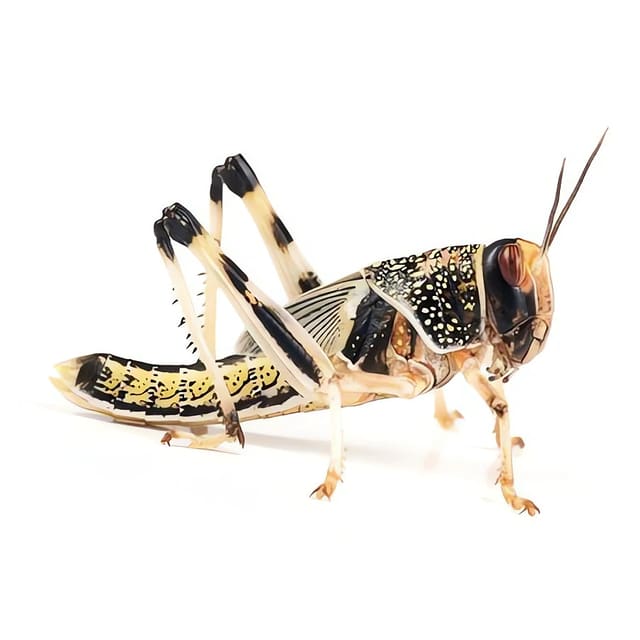
Schistocerca gregaria Desert Locusts
£8.99

Live Blaptica dubia orange spotted roaches for suitable insect-eating reptiles and amphibians, available in M and XL 10-piece options.
Live Blaptica dubia orange spotted roaches for suitable insect-eating reptiles and amphibians, available in M and XL 10-piece options.
Blaptica Dubia Orange Spotted Roaches 10 pcs are live feeder insects for suitable insect-eating reptiles and amphibians. They are slower moving than many crickets, easy to portion, and useful when you want a clean feeder that can be gut-loaded before feeding.
Keep them in a secure, ventilated container before use, away from escape routes and household food areas. Gut-load with suitable fresh food or feeder diet, then offer the right size for the animal being fed.
This is a feeder-insect product, not aquarium fish livestock. Do not release roaches outdoors. Check that the chosen size is appropriate for your animal before ordering.
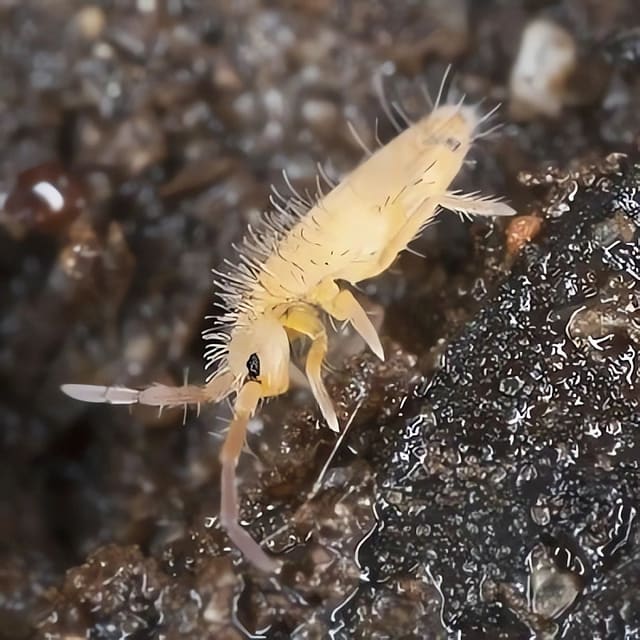
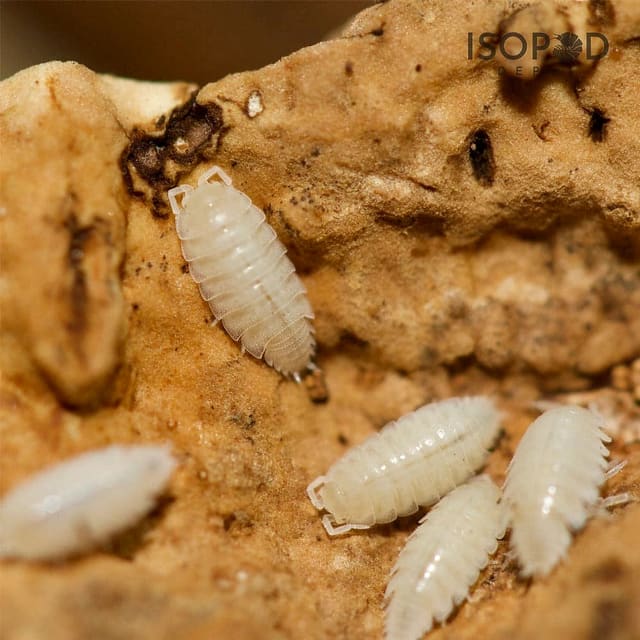
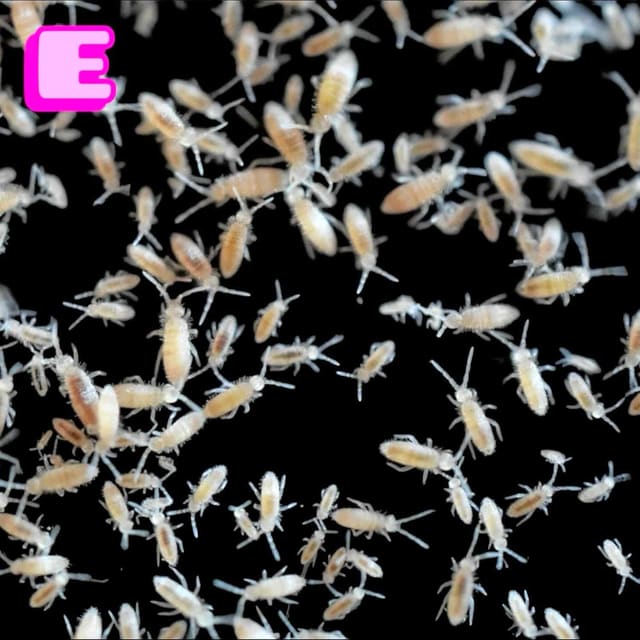
For varied feeding and bioactive setups, this listing pairs naturally with live-food items such as desert locusts, springtails and isopod cultures.
Let me tell you about the Blaptica dubia orange spotted roach, and yes, that’s the proper name for this little feeder insect. If you’ve been looking at feeder roaches and want something practical, calm, and easy to work with, this roach 10pcs pack is a really sensible place to start. It’s a small starter pack, but that’s exactly the point. You can test feeding, learn the basics, and see how your reptiles or amphibians take to them before you scale up. And with that orange spotted patterning, they’re a bit more eye-catching than you might expect from a feeder insect.
Now, one thing I always like to mention is where these come from, because that tells you a lot about how to keep them well. Blaptica dubia are native to parts of Central and South America. In the wild, they live in warm tropical and subtropical places. Think sheltered spots, leaf litter, and plenty of cover. Not dry, open ground. Not harsh, bare surroundings. Their natural habitat is all about warmth, moderate humidity, and places to hide away. They’re scavengers by nature too, so they’re used to a varied diet and a fairly simple life tucked away in the background.
That’s why, in captivity, they do so well with a straightforward setup that focuses on warmth, airflow, and dry standing surfaces. What I love about this orange spotted roach is that it’s a feeder insect with a bit of character. The product photos show that orange-spotted pattern, along with healthy body condition and a typical feeder size. So you’re not just getting a random insect in a bag. You’re getting a visible, clean-looking feeder that’s been chosen for practicality. Blaptica dubia are widely regarded as a best feeder insect for reptiles and amphibians because they’re reliable and easy to manage.
They’re calm, non-climbing, and non-burrowing too, which makes life a lot easier. If you’ve ever dealt with jumpy crickets, you’ll know why that matters. These are the sort of feeder roaches that stay where you put them. For setup, keep it simple. That’s really the best advice here. For a ten-piece pack, a small ventilated plastic tub is enough for short-term keeping. If you’re planning a dubia roach colony setup or a dubia roach breeding setup, then a larger smooth-sided container is the way to go.
Smooth sides matter, because these roaches are non-climbing. Secure ventilation is important too, because they need airflow. Vertical egg trays are a great choice, since they maximise the space and give the roaches plenty of sheltered surfaces to rest on. That sheltered feel is a big part of keeping them settled. A simple tub with stacked egg trays usually works better than a fancy display enclosure. And honestly, that’s one of the nicest things about keeping blaptica dubia. You don’t need to overcomplicate it. One thing worth mentioning is what not to do.
Don’t build the enclosure around deep substrate or damp corners. Their natural environment is warm, sheltered, and airy, with dry standing surfaces. So think practical, not decorative. Warmth, darkness, and ventilation are the key ideas here. If you’re just using this roach 10pcs pack for trial feeding, you can keep the setup very basic. If you’re planning ahead and asking yourself what to keep dubia roaches in, a smooth-sided tub with egg trays is a strong answer. It’s simple, inexpensive, and effective. And because they’re a hardy feeder insect, they’re a good choice for keepers who want something manageable.
For temperature, the quick facts give a typical holding temperature of twenty-four to thirty-two degrees Celsius. That’s the range to keep in mind for good care. Humidity should sit around forty to sixty per cent, with good ventilation. That balance matters. You want enough humidity to suit them, but not a stuffy enclosure. The product information also points out that mimicking their warm, sheltered natural conditions improves feeding response, survival, and breeding. So if you’re working on a dubia roach breeding temp, steady warmth is the big thing to focus on.
Keep things stable rather than swinging up and down. These roaches do best when the environment feels consistent. Feeding them is nice and straightforward. Blaptica dubia are omnivorous. They’ll take dry feed, vegetables, fruit, and gut-load foods. That makes them easy to prepare as live food, which is one of the reasons they’re so popular. They’re simple to gut load, and that’s a real bonus if you’re using feeder roaches to support natural feeding behaviour in your pets. You can keep their diet varied without making it complicated.
Dry feed gives you a reliable base. Vegetables and fruit add variety. Gut-load foods are especially useful if you’re preparing them for reptiles or amphibians. If you’re just starting out, a small pack like this helps you learn what they’ll accept and how they respond before you commit to larger numbers. That’s why people often choose ten live Dubia roaches for reptiles as a first step. If you’ve been wondering about dubia roaches diet, the short answer is that they’re flexible, but still best kept on sensible, balanced foods.
They’re not fussy in the way some feeder insects can be. And that’s a huge plus. It means less waste, less stress, and a much easier routine. You can use this pack to check appetite first, learn how they behave, and get a feel for their care needs. If you’ve ever asked yourself what are dubia roaches used for, this is it. They’re a clean, high-protein feeder insect suitable for many lizards, amphibians, and invertebrate-eating pets. That’s their job, and they do it well. Behaviour-wise, they’re calm.
That’s probably the word I’d use most often. Calm, non-climbing, non-burrowing. They’re not the sort of insect that causes chaos in the tank or enclosure. You’ll notice them settling into the egg trays and staying tucked away for much of the time. Because they’re feeder insects, they’re not kept for display, but they still have a very manageable, predictable way about them. If you’ve ever watched feeder insects that seem to panic at every movement, you’ll appreciate how steady these are. They’re easy to contain and easy to handle as part of a feeding routine.
When it comes to compatibility, the product information is clear about the kinds of pets people use them for. For keepers in the UK looking for live roaches for bearded dragons UK, live roaches for leopard geckos UK, or live roaches for chameleons UK, orange spotted Dubia are a proven choice. They’re also suitable for many lizards, amphibians, and invertebrate-eating pets. That makes them a very versatile feeder. The calm behaviour and non-climbing nature help a lot here, because they’re easier to offer as live food without the usual fuss.
They’re a strong dubia roach alternative to crickets too, especially if you want less noise, less smell, and fewer escape issues. As for species to avoid, the product description doesn’t give a specific list, so I won’t invent one. What I can say is that these are feeder insects, so they’re intended as food for compatible insect-eating pets rather than tank mates in a display setup. If you’re comparing feeder options, this pack is a good one for keepers who want manageable colony growth and a feeder insect that’s easier to contain than many alternatives.
That’s especially useful if you’re just starting a dubia roach colony setup and want to keep things under control. Breeding them is something a lot of keepers think about once they’ve had a bit of success with feeding. This ten-piece pack is ideal for trial feeding, small collections, or starting a dubia roach colony at home. The product description also mentions breeder dubia roaches and a dubia roach breeding setup, so yes, people do use them that way. Adults often live twelve to eighteen months, which gives you a decent window to work with.
If you’re planning to breed, the main thing is to keep conditions warm, sheltered, and well ventilated. That’s the pattern that keeps coming up again and again. Warmth matters. Stability matters. And a simple setup often works best. Health-wise, prevention is really the key. Because these are hardy feeder insects, the goal is to keep them in the right conditions from the start. Warm, dry standing surfaces. Good airflow. A sensible diet. That combination supports feeding response and survival. If the enclosure gets too damp or too stuffy, that’s where problems can start.
So keep the setup clean and practical. Watch body condition too, because the product photos show healthy roaches, and that’s the standard you want to maintain. If they’re settled, eating well, and staying active enough for feeding use, you’re on the right track. What I like about Tropical Fish Co is that this kind of product is chosen for real keepers, not just for the label. You get a practical starter pack of hardy feeder insects, and you can begin small without wasting money or space.
That’s especially helpful if you’re still learning dubia roaches care, dubia roach setup, or what should I keep my dubia roaches in. It’s a simple, dependable way to get started with a feeder that many hobbyists trust. If you want to explore blaptica dubia for your reptiles or amphibians, this is a sensible first step.
No reviews for this item yet. Bought one? Honest reviews only, good or bad.
What customers say about ordering from us
I have a small group of long finned mountain minnows. So was delighted to be able to order ten of this variety to increase the genetics in my tank . The ones I recieved are healthy but it’s to early to give a verdict on wether they are of a long finned type since they are small currently.
Gordon Walker · 23 Sept 2026
100% success travel and "installation". Pleased with quality of purchase. The Siamese fighter a bit "shy" so have not yet seen him at his best yet but looking good. Happy customer. GG
George E Garratt · 21 Sept 2026
Reviews of our shop, collected by Judge.me, an independent third-party review collector. Newest first.