

Blaptica Dubia Orange Spotted Roaches 10 pcs
£16.99

Live Schistocerca gregaria desert locust feeder insects in small, medium, subadult and large pack options for suitable reptiles and amphibians.
Schistocerca gregaria
Live Schistocerca gregaria desert locust feeder insects in small, medium, subadult and large pack options for suitable reptiles and amphibians.
Schistocerca gregaria Desert Locusts are live feeder insects for suitable insect-eating reptiles, amphibians and similar animals. This parent product includes small, medium, subadult and large pack options, so choose the feeder size your animal can catch and swallow safely.
Keep locusts secure, ventilated and supplied with suitable greens or feeder diet before feeding. Offer the right size for the animal, feed under supervision where needed, and remove uneaten locusts if they could stress the animal or damage plants.
These are live terrestrial feeder insects, not aquarium livestock and not fish food. Do not release feeder insects outdoors. Check your animal's diet, size and enclosure conditions before ordering.
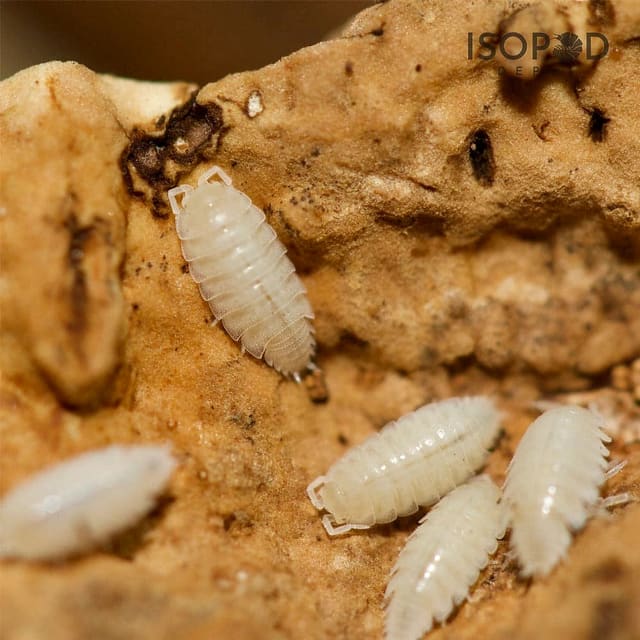
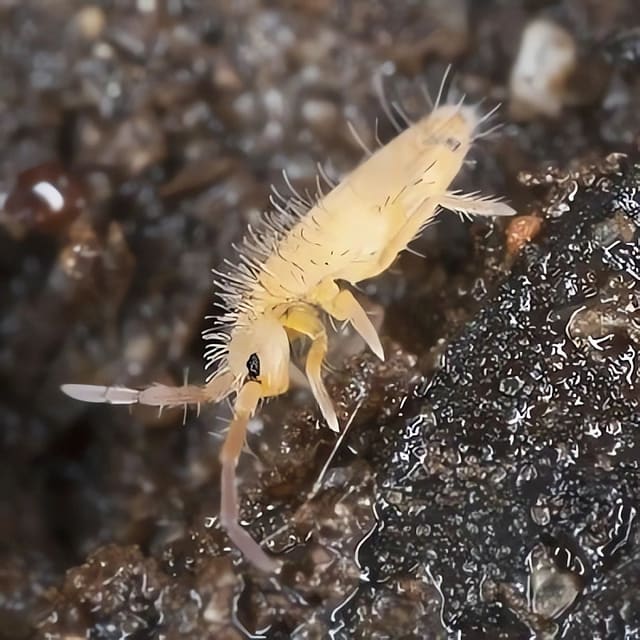
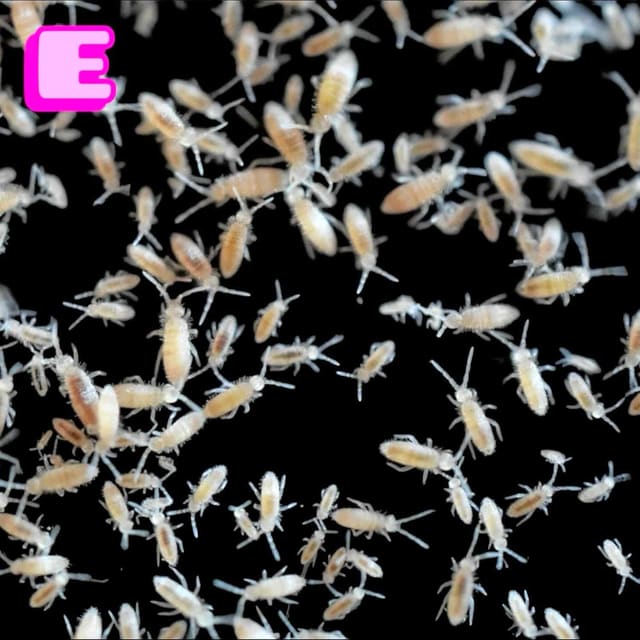
For a slower-moving feeder, compare with Blaptica Dubia Orange Spotted Roaches. For bioactive vivarium support rather than feeder insects, compare with Dwarf White Isopods, Collembola Springtails or Tropical Springtails.
Let me tell you about the Schistocerca gregaria desert locust, a feeder insect that a lot of reptile keepers know well. If you’ve ever looked for a reliable live food option that really gets a hunting response, this one comes up fast. The desert locust, or locust for short, is active, alert, and full of movement. That’s exactly why so many keepers choose it. It’s not about keeping them as a display insect. It’s about using a strong, practical feeder that does the job properly.
Now, if you’ve ever wondered what a desert locust really is, the answer is simple. In the hobby, Schistocerca gregaria is valued as live food for insect-eating reptiles and amphibians. It’s a warm-loving species, and it’s known for being easy to gut load. That means you can prepare it as part of a varied feeding routine. For many keepers, that’s a big part of the appeal. In the wild, desert locusts come from hot, dry regions. Their natural range spans arid and semi-arid areas across North Africa, the Middle East, and parts of south-west Asia.
That gives you a good picture straight away. These are insects built for brightness, warmth, and airflow. They’re associated with dry grassland, scrub, and seasonal vegetation after rainfall. That’s the sort of environment they recognise best. One of the most talked-about things about this species is its swarming history. In nature, desert locusts can shift between solitary and gregarious phases depending on population density and environmental conditions. That dramatic change is part of what makes them so well known. It’s also why people often ask what desert locusts do in the wild.
They can form huge feeding swarms, and those swarms can consume leaves, shoots, and grain very quickly. But in the reptile hobby, they’re sold as controlled feeder insects, not as pests. That distinction matters. What I love about the desert locust is how easy it is to picture in a vivarium setting. These are large, warm-loving insects with a natural alert posture. They’re active and skittish, and they move with purpose. They jump. They climb. They keep your reptile interested. That movement is a big reason they’re so popular with visual hunters.
The product information mentions healthy body shape and natural desert locust colour, and that’s what you want to look for when buying feeder stock. You want insects that look lively and well kept. The body should look strong and alert. In the hand, they’re fast-moving, and that’s part of the point. They’re not a sit-still feeder. They’re designed to trigger a response. If you’re setting up for short-term holding, a container of around thirty to forty-five litres is recommended. That gives you enough room without making things awkward.
The key is not to overcomplicate it. These insects need warmth, dryness, ventilation, and regular fresh food. Keep that in mind and you’re already on the right track. Now here’s the thing. Desert locust care is considered moderate. That doesn’t mean difficult, but it does mean you need to stay on top of the basics. They do best in a warm, dry setup with good airflow. The temperature should be kept between twenty-eight and thirty-five degrees Celsius. Humidity should stay low to moderate, with good ventilation.
That combination helps them stay active and feed properly. For holding them short term, think practical rather than fancy. They’re feeder insects, so the setup should support health and movement. Fresh greens are part of the desert locust diet, along with grasses, bran, and dry feeder support foods. Regular fresh food is important if you want them to stay lively. That’s especially true if you’re gut loading them before feeding them on. Good nutrition in the feeder means better nutrition for your reptile. One thing worth mentioning is that these insects are not for release.
They should always stay in a secure tub or be used as part of a controlled feeding routine. That’s especially important in the UK. This is a feeder insect for responsible reptile keeping, not something to let loose outdoors. If you’re wondering about water parameters in the usual sense, this isn’t a fish species, of course, but the same principle applies to environmental conditions. The desert locust wants warmth, dryness, and ventilation. Keep the holding area warm, between twenty-eight and thirty-five degrees Celsius. Keep humidity low to moderate.
And make sure there’s plenty of airflow. That’s the simple formula. Feeding them is straightforward, and that’s one of the reasons people choose desert locusts for routine feeding for routine feeding. Their diet is based on fresh greens, grasses, bran, and dry feeder support foods. They’re also easy to gut load, which is a major plus for keepers who want to improve the value of each feed. If you’re rotating feeders, these are a practical choice for adding variety. You don’t need to overfeed them or make things complicated.
Just keep fresh food available and keep an eye on the condition of the stock. If they’re active and feeding well, that’s a good sign. If they start looking dull or sluggish, the environment probably needs attention. Warmth and ventilation are the big ones. Fresh food is the other. What I like about using locusts as feeders is the way they suit so many insect-eating reptiles. Bearded dragons often take them well. Chameleons do too. Leopard geckos can benefit from a varied diet rotation, and monitors may also take them as part of feeding.
That movement really helps with feeding response. If you’ve ever watched a reptile lock onto a live insect, you’ll know exactly what I mean. Behaviour-wise, desert locusts are active, skittish, and fast-moving. They don’t just sit there. They jump and climb, and that makes them feel alive to the animal being fed. You’ll notice them darting around as soon as they’re disturbed. That’s normal. In fact, that’s what makes them so effective as feeders. They create interest. They create motion. They encourage instinctive hunting behaviour.
Compatibility is where this feeder really earns its place. These locusts are a good match for insect-eating reptiles and amphibians. The product information specifically mentions bearded dragons, chameleons, leopard geckos, and monitors. Those are all strong examples of the sort of keepers who may use them well. Because they’re active and visually engaging, they suit animals that respond to movement. As for species to avoid, the main issue isn’t a specific tank mate list. It’s more about common sense and safety. Don’t release them outdoors.
Don’t keep them with animals that aren’t meant to eat live insects. And don’t use wild-caught insects from sprayed areas. The product information is clear on that point. Desert locusts are not poisonous, but wild-caught insects can carry risks if they’ve been exposed to chemicals. So stick with controlled feeder stock. A lot of keepers also ask about the desert locust versus grasshopper question. That’s understandable, because they’re both short-horned grasshoppers in the order Orthoptera, family Acrididae. But Schistocerca gregaria is widely used because it’s active, easy to gut load, and strongly triggers a hunting response.
That’s what makes it such a dependable feeder. Breeding desert locusts is a topic that comes up now and then, especially because people hear about their swarming behaviour. But in the hobby, these are mainly kept as feeder insects rather than long-term breeding stock. The product description does mention desert locust breeding as a search interest, but the key point here is their role in reptile feeding. They’re used for routine feeding, conditioning, and varied diet rotation. That’s the practical use most keepers want. Their wild behaviour is famous for a reason.
In nature, population density and environmental conditions can trigger dramatic phase changes. That’s part of their story, and it’s one reason they’re so widely recognised. But again, in captivity, they’re handled as controlled feeders. That’s the safe and sensible approach. Health-wise, the main thing to watch is condition. You want lively insects with good body shape and alert posture. If they’re warm, dry, well ventilated, and getting fresh food, they’re far more likely to stay in good feeding condition. Avoid wild-caught insects from sprayed areas.
That’s the biggest caution in the product information. And remember, they’re not poisonous when handled correctly. What you’re really looking for is a reliable feeder that fits into your routine without fuss. That’s exactly where the Schistocerca gregaria desert locust shines. It’s practical. It’s active. And it’s a great option when you want movement and easy portion control. At Tropical Fish Co, we know keepers want feeders they can trust. That’s why we focus on quality stock and clear, honest product information. If you’re looking to choose desert locusts for routine feeding, this is a dependable choice for regular feeding.
It’s a straightforward feeder insect with a strong reputation in reptile keeping, and it’s easy to see why.
No reviews for this item yet. Bought one? Honest reviews only, good or bad.
What customers say about ordering from us
I have a small group of long finned mountain minnows. So was delighted to be able to order ten of this variety to increase the genetics in my tank . The ones I recieved are healthy but it’s to early to give a verdict on wether they are of a long finned type since they are small currently.
Gordon Walker · 23 Sept 2026
100% success travel and "installation". Pleased with quality of purchase. The Siamese fighter a bit "shy" so have not yet seen him at his best yet but looking good. Happy customer. GG
George E Garratt · 21 Sept 2026
Reviews of our shop, collected by Judge.me, an independent third-party review collector. Newest first.


22–28°C · pH 7–8 · 41L

21–25°C · pH 5–7
24–29°C

24–27°C · pH 6.5–6.5

22–27°C · pH 6–8 · 72L

23–27°C · pH 5.5–7 · 60L

22–27°C · pH 6–8

22–26°C · pH 6–7.8 · 75L