Dwarf White Isopods Trichorhina tomentosa Culture
£23.99

A 1/2 litre live tropical springtail culture for seeding humid bioactive terrariums, vivariums and planted enclosures.
A 1/2 litre live tropical springtail culture for seeding humid bioactive terrariums, vivariums and planted enclosures.
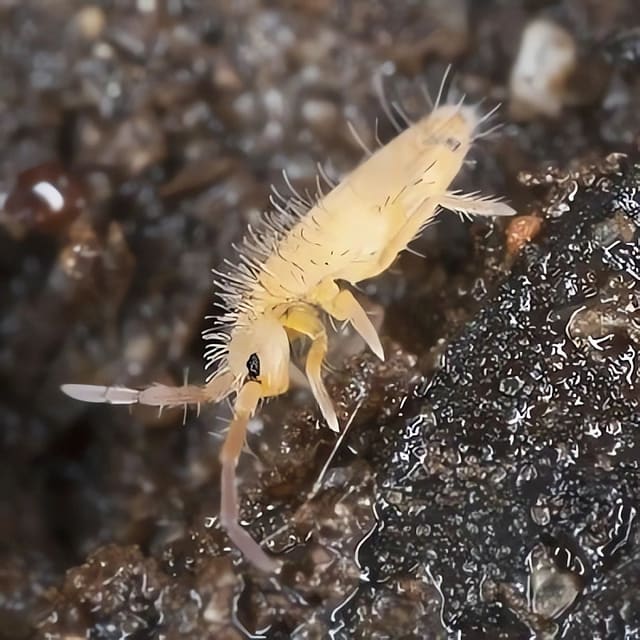
Tropical Springtails 1/2 Litre Culture is a live Collembola culture for humid bioactive terrariums and vivariums. Springtails help graze on mould, fine organic debris and decaying plant matter in damp planted enclosures.
Add the culture to damp, established substrate, leaf litter or moss. Keep a humid area available and avoid letting the culture dry out, but do not keep it waterlogged. Avoid chemical sprays or cleaners around invertebrates.
This is a terrestrial bioactive culture, not aquarium fish food and not aquatic livestock. Springtails are very small and are usually bought for the useful job they do in the substrate rather than for display.
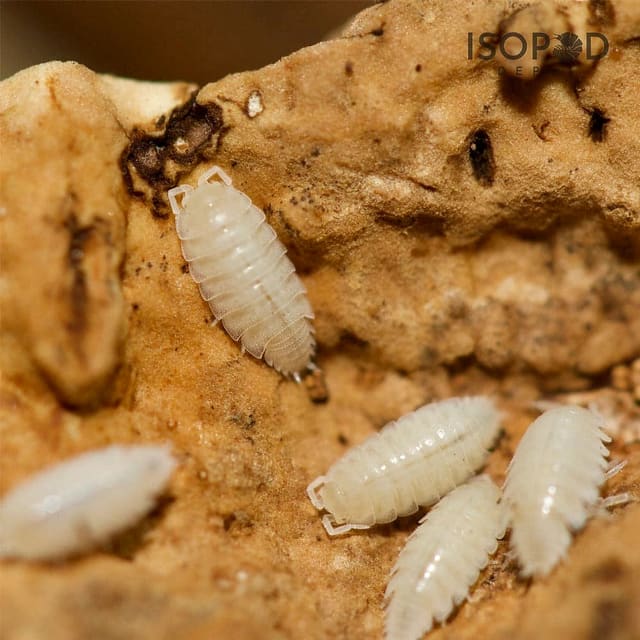
Use with Dwarf White Isopods for a more complete bioactive clean-up crew in humid planted enclosures.
Let me tell you about tropical springtails, Collembola, and why so many keepers swear by them. If you’ve ever looked at a humid vivarium and thought, “I need something that helps keep this little ecosystem ticking over,” this is exactly the sort of culture people reach for. These tiny springtails are one of those quiet, hardworking additions that make a bioactive setup feel much more balanced. They’re sold as springtails keepers in warm, moist enclosures, and this half litre culture gives you a practical starting point.
Simple, useful, and very much part of the behind-the-scenes clean-up crew. Now, here’s the thing. Tropical springtails come from warm, moist habitats. That tells you a lot straight away about how they like to live. They’re not dry-room animals. They’re not the sort of thing that wants to be left out in the open air. They do best in humid, enclosed spaces where there’s damp substrate, leaf litter, moss, and a steady supply of decaying organic matter. In the wild, creatures like these are part of the natural recycling system.
They break down mould, soft waste, and old plant material before it becomes a bigger problem. That’s why they’re so useful in tropical terrarium systems. They fit right into the kind of environment dart frogs, geckos, isopods, and planted terrariums already need. What I love about tropical springtails is how unassuming they are. You’re not buying them for colour or size. You’re buying them because they work. They’re tiny, and they’re usually discussed by function rather than strict species name in the hobby. They’re collembola, part of the collembola order insects, and keepers often compare culture types with names such as Entomobrya intermedia or Tomocerus.
But for most people, the exact label matters less than the result. You want a productive tropical culture that settles well in humid conditions. You want something that reproduces steadily. And you want a culture that can get to work on mould and waste without fuss. That’s the appeal here. In appearance, you’re dealing with something very small and very practical. These aren’t display animals. They’re tiny surface dwellers that live in the upper layers of substrate, moss, coco fibre, and leaf litter. The product image shows a dense culture surface and moist substrate, which gives you a good idea of the sort of environment they’re supplied in.
That moist setup helps them settle quickly after arrival. You won’t be admiring bold patterning or dramatic colour changes. Instead, you’ll be watching tiny movement across the damp surface, and if you’ve ever kept a bioactive tank, you’ll know that’s a satisfying sight in its own way. It means the clean-up crew is active. It means the system is alive. For tank setup, think humid, simple, and stable. This culture is ideal for seeding a bioactive enclosure fast, and the half litre volume gives you enough animals and culture media to establish multiple colonies or seed one larger enclosure.
The minimum enclosure for a starter colony is five litres, though ten litres is recommended for stable culture production. That’s a useful guide if you’re planning ahead. If you’re using them in a vivarium, make sure the substrate stays moist and doesn’t dry out. High humidity is preferred. These springtails are best for warm tropical systems rather than cool-room setups. They’re a strong fit for dart frog tanks, tropical gecko enclosures, planted terrariums, and similar humid habitats. They also work well in springtails in houseplants and springtails in soil situations where fungal growth is common.
In other words, give them damp cover, organic matter, and a place to do their job. Temperature-wise, keep them between twenty and twenty-eight degrees Celsius. The ideal is around twenty-four degrees. That makes them a great match for warm indoor vivariums. Humidity should stay high, and drying out is the main thing to avoid. If you’re comparing tropical springtails vs temperate springtails, that temperature preference is one of the biggest differences. Tropical forms are the better choice for warm vivariums that sit around normal reptile and amphibian room temperatures.
They’re built for that kind of environment. Keep conditions steady, keep them moist, and they’ll keep breeding in good conditions. Their lifespan is roughly six to twelve months, with continuous breeding when things are right. Feeding is refreshingly straightforward. Tropical springtails eat mould, decomposing plant matter, micro-organic waste, shed skin, leftover food, and supplemental culture foods. That’s exactly why they’re so useful in a cleanup crew UK setup. They help remove waste pockets before they become a problem. If you’ve ever had feeder leftovers or damp leaf litter start to go a bit fuzzy, you’ll know how quickly those little problem spots can appear.
Springtails move in and graze on the fungal film and soft organic waste. They’re detritivores, so they’re working with decay rather than against healthy growth. That makes them especially handy in bioactive systems where the aim is to let the enclosure manage itself as naturally as possible. Keep the culture fed enough to stay productive, but don’t let it dry out. Moisture and organic material are the key things here. Behaviour-wise, they’re peaceful. Completely peaceful. These are not animals that bother tank mates. They don’t chase, nip, or compete in any dramatic way.
They just get on with it. You’ll notice them most when you look closely at the substrate surface, especially in damp areas. They’re the sort of little helper you forget about until you see them working, and then you realise how useful they are. If you’ve ever watched a terrarium settle in after a fresh setup, springtails are one of those additions that make the whole thing feel more complete. They’re low-maintenance, active in the background, and very well suited to humid enclosures. Compatibility is one of the best things about them.
The product information says they’re safe for all reptiles, amphibians, and invertebrates. That makes life much easier. They’re a strong choice for dart frogs, geckos, isopods, and planted terrariums. They also work best alongside isopods for a complete cleanup crew. That pairing makes a lot of sense. Isopods handle one part of the recycling job, and springtails take care of the finer waste, mould, and fungal films. Together, they support a healthier substrate. They’re also useful in springtails in houseplants and springtails in soil applications, where they’re generally beneficial rather than harmful.
Customers often ask whether springtails in soil are good or bad, and in most planted terrariums and houseplant pots, they’re good. They feed on decay and fungi, not healthy roots. They’re not pests in the usual sense. One thing worth mentioning is what they’re not. They’re not fish, and they’re not aquatic species. They’re land-surface detritivores used in bioactive systems. So if you’re building a humid enclosure, that’s where they shine. They’re not meant for dry, open setups. They’re also not the sort of thing you’d keep as a standalone display animal.
Their value is in the system they support. If you’re setting up a tropical terrarium and want a starter colony that can seed substrate quickly, this half litre culture is a very practical option. It gives you a good balance between size and manageability. Large enough to be useful, small enough to maintain as a backup colony too. Breeding is one of the reasons people keep coming back to tropical springtails. In good conditions, they reproduce steadily. That’s exactly what you want from a clean-up crew.
You’re not constantly replacing them. You’re letting the colony establish itself and continue working. The product information doesn’t go into complex breeding steps, and honestly, that’s part of the appeal. Keep them warm, keep them humid, and give them the right substrate conditions, and they continue doing what they do best. For keepers building a bioactive enclosure, that steady reproduction is what turns a starter culture into a lasting part of the tank’s ecology. Health-wise, the main thing to watch is drying out. These are warm, moist habitat animals, so humidity matters a lot.
If the substrate dries, they’ll struggle. If conditions stay too cool, they’re less suited to the setup. And if the enclosure lacks organic material, there’s less for them to feed on. So prevention is really about keeping their environment right from the start. Moist substrate, high humidity, and a steady supply of decaying matter are the basics. Because they’re tiny and peaceful, they’re not usually the source of problems. More often, they’re part of the solution. What makes Tropical Fish Co a good place to get them is simple.
You’re getting a live tropical springtail culture that’s meant for the job, not a random add-on. It’s a manageable half litre volume, ideal for bioactive setup suited to warm, humid systems. Whether you’re building a dart frog vivarium, a gecko enclosure, or a planted terrarium, this is the sort of practical culture that helps everything run more smoothly. If you want springtails available that are easy to use, useful from day one, and well matched to tropical conditions, this is a solid choice.
No reviews for this item yet. Bought one? Honest reviews only, good or bad.
What customers say about ordering from us
I have a small group of long finned mountain minnows. So was delighted to be able to order ten of this variety to increase the genetics in my tank . The ones I recieved are healthy but it’s to early to give a verdict on wether they are of a long finned type since they are small currently.
Gordon Walker · 23 Sept 2026
100% success travel and "installation". Pleased with quality of purchase. The Siamese fighter a bit "shy" so have not yet seen him at his best yet but looking good. Happy customer. GG
George E Garratt · 21 Sept 2026
Reviews of our shop, collected by Judge.me, an independent third-party review collector. Newest first.

22–28°C · pH 7–8 · 41L

21–25°C · pH 5–7
24–29°C

24–27°C · pH 6.5–6.5

22–27°C · pH 6–8 · 72L

23–27°C · pH 5.5–7 · 60L

22–27°C · pH 6–8

22–26°C · pH 6–7.8 · 75L